Why a Recovered Snake Plant Instantly Improves a Room
When a snake plant regains strength, the change goes beyond gardening. A fuller, cleaner plant gives the room a sharper, calmer, more intentional feeling. This matters in interiors where every object needs to contribute something useful to the overall look.
A strong snake plant can improve:
- clean corner styling
- bedroom calm
- work-from-home backgrounds
- neutral interior balance
- small apartment freshness
- luxury-meets-natural decor themes
This is why even a simple plant-recovery topic fits naturally inside broader home styling and property presentation content.
Why the Pot and Placement Still Matter
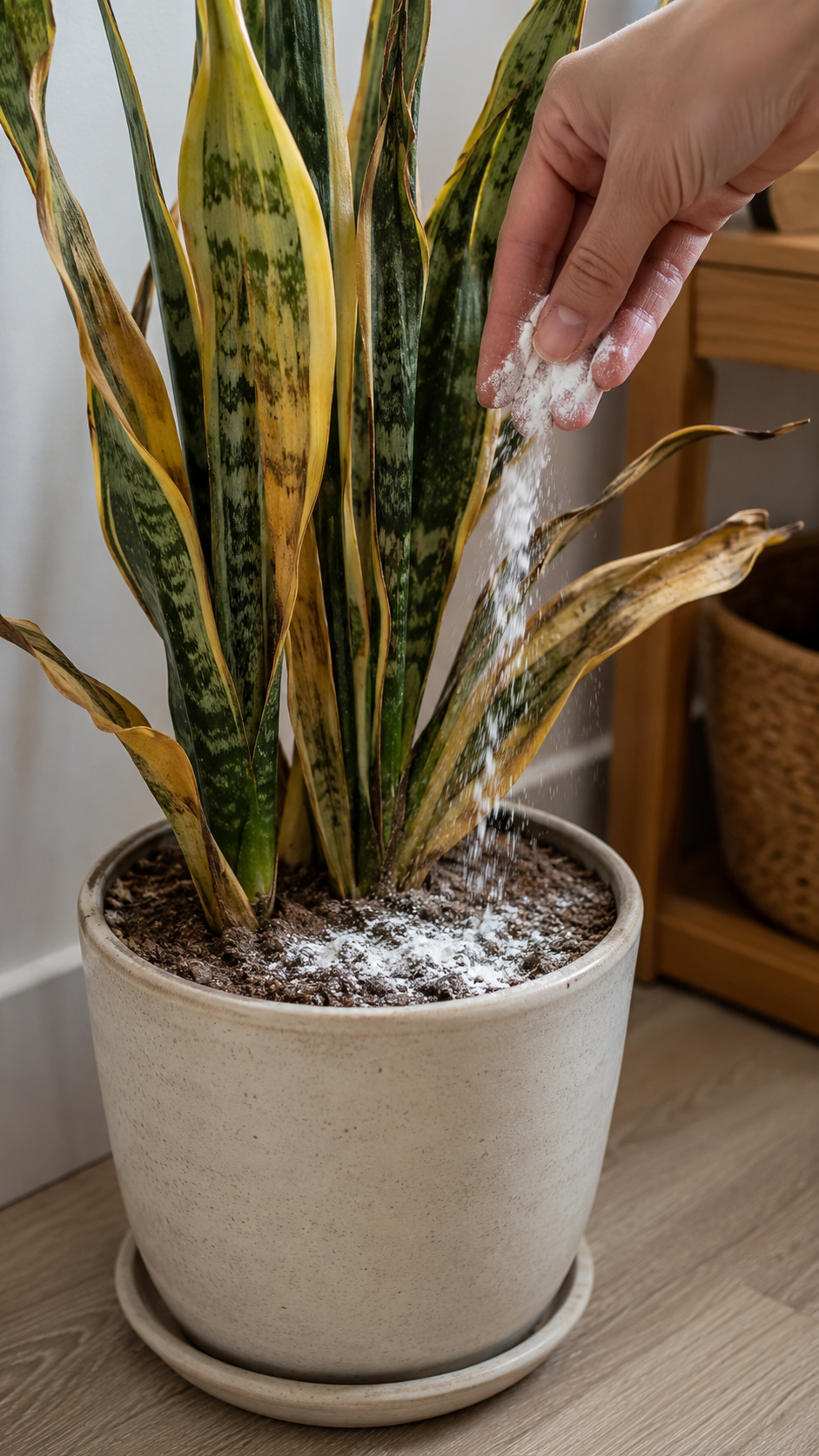
The pot in the image is simple and neutral, which actually helps. It keeps the focus on the plant and allows the foliage pattern to stand out. But the best pot for a recovering snake plant is not just attractive—it also needs to support good drainage.
A more useful setup usually includes:
- a pot with drainage
- a saucer that does not hold standing water for too long
- fast-draining soil
- light bright enough to support recovery
- enough space around the plant for airflow
That combination supports both plant health and the polished visual result homeowners want.
Post-Recovery Styling Table
| Styling Area | Better Choice | Why It Improves the Result |
|---|---|---|
| Pot style | Neutral ceramic planter with drainage | Looks refined while supporting healthier roots |
| Placement | Bright room corner or window-adjacent spot | Helps the plant recover and display better |
| Surrounding decor | Wood, woven textures, stone, linen | Makes the plant feel more premium and intentional |
| Plant condition | Upright, cleaner, less damaged leaves | Stronger visual impact indoors |
| Care routine | Light soil support plus corrected watering | Keeps the display stable long term |
| Final effect | Cleaner, stronger architectural foliage | Enhances the room with a more elegant look |
Final Thoughts
The image shows a drying snake plant receiving a light white powder treatment over the upper soil surface. The plant clearly has stress signs—yellowing, dryness, and browning on several leaves—so the powder appears to be part of a recovery effort focused on the root zone rather than the foliage. While the exact powder cannot be confirmed from the visual alone, the most believable explanation is that it is being used as a dry soil-support step in response to stress linked to moisture balance, soil condition, or root health.
What matters most is not the powder by itself. The real recovery path comes from correcting the whole system: improving drainage, keeping watering more controlled, supporting the soil surface, checking the root zone, and giving the plant time to respond. When that happens, a snake plant has a much better chance of becoming healthier, cleaner, and more decorative again—turning from a tired indoor plant back into a strong feature of the space around it.