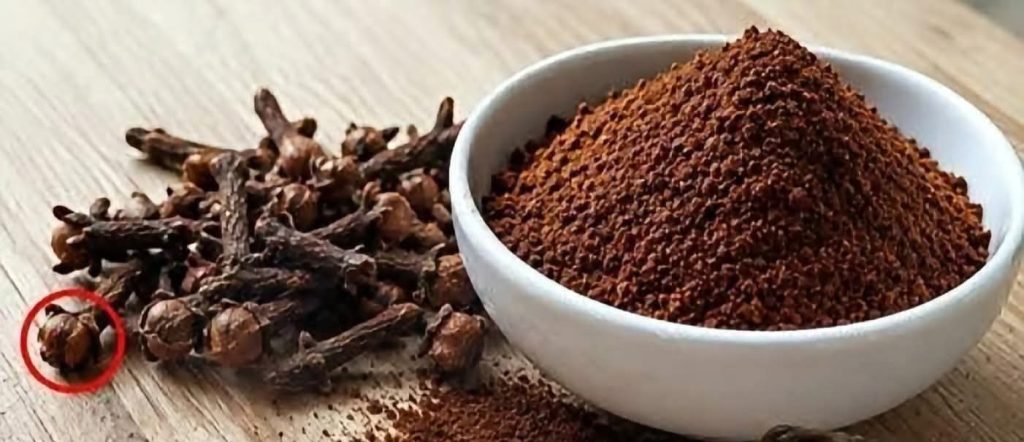
Ultimate Guide to Cloves for Joint and Bone Health Natural Pain Relief and Preparation
In the realm of traditional wellness, aromatic spices have long been cherished not just for their culinary depth, but for their targeted therapeutic properties. Among these botanical treasures, cloves (Syzygium aromaticum) stand out as a uniquely potent remedy. While viral social media claims often oversimplify complex biological processes—such as labeling a spice a single “missing vitamin” for leg and bone pain—the actual science behind cloves reveals a powerhouse of natural compounds that can profoundly support joint comfort, bone density, and inflammation management.
Historically native to the Maluku Islands of Indonesia, cloves have been integrated into Ayurvedic and Traditional Chinese Medicine for centuries to alleviate body aches, improve circulation, and strengthen the physical body. Utilizing cloves—both in whole form and ground into a warm, aromatic tea—is an excellent, natural way to target joint stiffness, protect bone integrity, and soothe muscular discomfort. This comprehensive guide explores the nutritional science of cloves, provides a step-by-step recipe for a soothing clove tea, and outlines best practices and safety guidelines for incorporating this spice into your daily wellness routine.
The Botanical Science Behind Cloves and Joint Pain
To understand how cloves help soothe aching legs and support bone health, we have to look beyond the “vitamin” myth and analyze the active organic compounds that give this spice its remarkable therapeutic strength.
Eugenol: Nature’s Anti-Inflammatory Powerhouse
The primary bioactive component in cloves is eugenol, an aromatic volatile phenolic compound that makes up to 85% to 90% of clove essential oil. Eugenol is a scientifically documented anti-inflammatory agent. It works by inhibiting cyclooxygenase-2 (COX-2), an enzyme responsible for triggering inflammatory responses, swelling, and pain in the body’s joints and tissues. By naturally modulating this pathway, eugenol helps reduce the inflammatory load on aching knees, hips, and leg muscles, acting similarly to mild, over-the-counter anti-inflammatory aids without the digestive side effects.
High Mineral Density for Bone Strength
While cloves are not a vitamin, they are exceptionally rich in critical trace minerals that are fundamental to skeletal health:
- Manganese: Just one teaspoon of ground cloves provides over 50% of the daily recommended intake of manganese. This essential mineral is a vital co-factor in the formation of bone cartilage and connective tissue, and it plays a key role in bone metabolism.
- Calcium and Phosphorus: These foundational minerals work synergistically to build and maintain the structural matrix of bones, preserving density as the body matures.
- Magnesium: Magnesium helps the body effectively absorb and utilize vitamin D and calcium, ensuring that these nutrients are successfully directed to the skeletal system rather than depositing in soft tissues.
Rich Antioxidant Support
Cloves rank incredibly high on the ORAC (Oxygen Radical Absorbance Capacity) scale, which measures the antioxidant capacity of foods. The polyphenols and flavonoids in cloves neutralize harmful free radicals that cause oxidative stress in joint cartilage. By protecting the delicate cartilage lining your joints from cellular breakdown, cloves help preserve joint lubrication and flexibility over time.
Complete Ingredient and Nutrition Breakdown
When preparing a wellness tonic, utilizing fresh, high-quality spices ensures you extract the maximum concentration of active volatile oils.
| Component | Recommended Amount | Main Wellness Contribution |
|---|---|---|
| Whole Cloves | 3 to 4 pieces | Releases eugenol and essential oils gradually without making the brew overly bitter. |
| Ground Cloves | Limit to a pinch (optional) | Provides a concentrated burst of manganese and polyphenols; best used sparingly. |
| Filtered Water | 8 to 10 ounces | The hydrating extraction medium; warm water helps unlock the spice’s fat-soluble compounds. |
| Raw Honey (Optional) | 1 teaspoon | Adds natural enzymes, antioxidants, and a pleasant sweetness to balance the spice’s heat. |
| Fresh Lemon (Optional) | 1 slice | Supplies vitamin C, which works alongside manganese to promote collagen synthesis for joints. |
Step-by-Step Preparation of Warm Clove Tea
Brewing a warm cup of clove tea is the most effective and comforting way to extract and consume the beneficial compounds of the spice. Follow these steps to prepare a perfectly balanced herbal tonic.
Step 1: Prep the Spices
Select 3 to 4 plump, whole dried cloves. To help release the essential oils trapped within the clove’s bud, use the flat side of a knife to gently bruise or crush the head of each clove. Avoid grinding them into a fine powder for tea, as ground cloves can make the tea excessively cloudy, gritty, and intensely strong.
Step 2: The Gentle Simmer
- Boil the Water: Bring 8 to 10 ounces of filtered water to a rolling boil in a small saucepan.
- Add the Cloves: Drop the gently bruised whole cloves into the boiling water.
- Simmer and Steep: Immediately reduce the heat to low, cover the pan with a lid (to prevent the beneficial volatile eugenol oils from escaping with the steam), and let it simmer gently for 5 to 7 minutes.
- Rest: Turn off the heat and let the tea steep, still covered, for an additional 5 minutes. The water will take on a beautiful, pale amber-golden hue.
Step 3: Strain and Serve
Pour the tea through a fine-mesh strainer into your favorite mug to remove the whole cloves. Allow the tea to cool slightly to a warm, comfortable sipping temperature. If desired, stir in a teaspoon of raw honey and a squeeze of fresh lemon to soften the bold, woody spice notes.
Holistic Integration and Pain Relief Tips
To maximize the benefits of cloves for leg and bone discomfort, combine your internal tonics with targeted topical care and daily movement.
Warming Clove Joint Massage
In addition to drinking clove tea, you can utilize clove essential oil topically to soothe localized muscle aches and joint stiffness in your legs. Because pure clove essential oil is incredibly potent and hot, it must always be diluted in a carrier oil.
- The Blend: Mix 3 to 5 drops of pure, organic clove essential oil into 2 tablespoons of warm carrier oil (such as sweet almond, jojoba, or extra virgin olive oil).
- The Application: Gently massage the warmed oil blend into aching knees, calves, or thigh muscles using upward strokes to encourage blood circulation. The warming sensation of eugenol acts as a natural counter-irritant, drawing fresh blood flow to the area to soothe deep-seated aches.
Low-Impact Stretching
Sipping your warm clove tea before or after a gentle stretching routine can help keep joints lubricated. Incorporate simple, low-impact movements like calf stretches, hamstring reaches, and gentle ankle rotations to maintain range of motion and relieve pressure on your bones and joints.
Critical Safety Guidelines and Precautions
Because cloves contain highly concentrated active chemical compounds, practicing moderation is essential to avoid adverse reactions.
Important Dosage and Safety Limit
More is not always better. Limit your consumption of clove tea to one cup per day, and do not consume whole cloves in large quantities. Excessive intake of eugenol can irritate the stomach lining and put unnecessary strain on the liver.
Medication Interactions and Blood Thinning
Eugenol possesses natural antiplatelet properties, meaning it can slow down the blood clotting process. If you are taking prescription blood thinners (such as warfarin or aspirin), or if you have an upcoming scheduled surgery, you should avoid consuming medicinal amounts of cloves or using clove supplements, as it can increase the risk of bleeding. Always consult your primary healthcare provider before introducing concentrated botanical remedies into your daily regimen.
Pregnancy and Nursing
Pregnant and breastfeeding women can safely enjoy cloves in normal culinary amounts (such as spiced foods or baked goods). However, concentrated clove teas, essential oils, or high-dose supplements should be avoided during this time, as there is insufficient safety data regarding their effects on developing infants.
Frequently Asked Questions (FAQs)
Is leg and bone pain really caused by a lack of a “clove vitamin”?
No. Leg and bone pain is not caused by a “clove deficiency” because cloves are a spice, not a human vitamin. Chronic leg and bone pain is typically linked to a deficiency in actual vitamins and minerals—most commonly Vitamin D, Calcium, Magnesium, or Vitamin B12—or underlying physical conditions like osteoarthritis or muscle strain. Cloves act as a highly supportive, natural anti-inflammatory therapeutic aid to manage the symptoms of pain, but they should be paired with a balanced diet rich in true essential vitamins to address the root cause of bone issues.
Can I use clove essential oil orally?
No, you should never ingest pure clove essential oil. Clove essential oil is extremely concentrated, and consuming even a few drops can lead to toxic reactions, including severe abdominal pain, dizziness, liver damage, and mucosal burns in your mouth and throat. Stick to brewing whole dried cloves in hot water for safe, gentle, and highly effective oral consumption.
How long does it take to feel the benefits of clove tea?
For acute discomfort, such as mild muscle soreness or digestive bloating, the warming, anti-inflammatory effects of a cup of clove tea can often be felt within 30 to 60 minutes. For chronic joint stiffness or to support bone mineral density, consistency is key. Integrating a cup of clove tea into your daily wellness routine alongside a nutrient-rich diet will yield the best cumulative benefits over a period of several weeks.
Conclusion
Incorporating cloves into your daily self-care routine is a highly effective, time-tested way to combat inflammation, soothe joint stiffness, and deliver essential bone-supporting minerals like manganese to your body. By moving past viral, simplified internet claims and anchoring yourself in the genuine biochemistry of eugenol and trace minerals, you can appreciate cloves for their true, magnificent therapeutic properties. Whether enjoyed as a fragrant, warming morning tea or applied as a comforting, diluted massage oil, this remarkable kitchen spice stands as a beautiful testament to the healing power of natural botany.