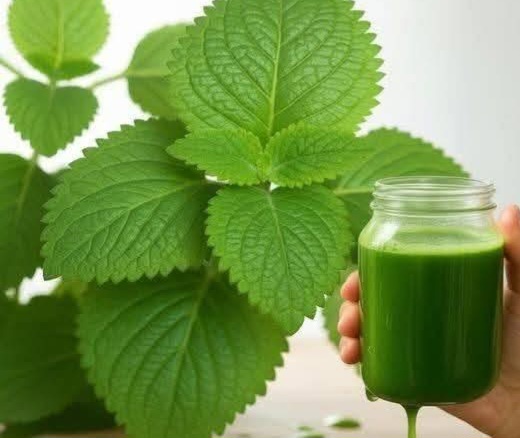
The Ultimate Guide to Mint Juice The Refreshing Botanical Powerhouse for Digestive and Cognitive Wellness
In the fast-paced world of social media, scrolling feeds are often packed with eye-catching, highly dramatized graphics. You may have seen dramatic “before and after” images—such as a clouded, opaque eye magically transforming into a vibrant, clear green eye next to a glass of bright green herbal juice.
While no herbal drink can instantly alter physical eye color or reverse severe, structural ocular blindness, the plants behind these viral trends hold profound, scientifically validated wellness properties. Specifically, fresh mint juice (derived from Mentha species like peppermint or spearmint) is a nutritional powerhouse. For centuries, traditional herbalists have used mint as a cooling digestive remedy, a natural decongestant, and a sensory stimulant to sharpen mental clarity. By looking past the viral hyperbole, we can explore the genuine biochemical benefits of fresh mint juice and learn how to safely utilize this crisp, stimulating botanical elixir in our daily lives.
The Science of Mint: A Deep Dive into Its Active Compounds
The therapeutic power of mint lies in its highly concentrated essential oils and unique secondary metabolites. When these leaves are juiced or blended fresh, these delicate compounds are preserved in their most bioactive states.
1. The Cooling Power of Menthol
Menthol is the primary organic compound found in peppermint oil. When consumed or inhaled, menthol interacts directly with the TRPM8 receptors in our sensory neurons—the specific receptors responsible for detecting cold temperatures. This interaction sends a rapid signal to the brain that mimics a physical drop in temperature, providing an instant, refreshing cooling sensation. Menthol also acts as a natural calcium channel blocker on smooth muscle tissue, which helps to relax tight muscles throughout the digestive and respiratory tracts.
2. Rosmarinic Acid and Antioxidant Defense
Mint leaves are exceptionally rich in rosmarinic acid, a powerful polyphenolic antioxidant. Rosmarinic acid acts as a heavy-hitting defense mechanism against oxidative stress, neutralizing free radicals that can damage healthy cellular structures over time. Furthermore, clinical studies have shown that rosmarinic acid possesses strong anti-inflammatory properties, helping to calm systemic inflammatory pathways in the body and soothe the mucous membranes of both the nasal passages and the gut.
Key Health Benefits of Fresh Mint Juice
From comforting an upset stomach to boosting your daily productivity, fresh mint juice offers a highly versatile array of wellness benefits.
Soothing Digestive Distress and Irritable Bowel Syndrome (IBS)
Mint is perhaps most famous for its outstanding digestive properties. When you drink fresh mint juice, the active menthol works directly on the smooth muscles of the digestive tract, easing painful spasms, reducing bloating, and helping gas pass more comfortably. It stimulates the natural flow of bile and digestive enzymes, which helps the body break down dietary fats more efficiently. For individuals suffering from mild indigestion, occasional nausea, or the cramping associated with Irritable Bowel Syndrome, a small glass of fresh mint juice can offer rapid, natural relief.
Clearing the Airways and Easing Congestion
If you are struggling with seasonal allergies or a lingering cold, mint juice can serve as an excellent natural decongestant. The volatile menthol vapors that rise from a fresh, cool glass of mint juice help to thin stubborn mucus in the nasal passages and throat. Drinking the juice also provides a direct, soothing effect on an irritated throat, calming dry coughs and making deep breathing feel much easier.
Enhancing Focus, Alertness, and Cognitive Performance
In traditional wellness practices, mint was often referred to as an “awakening” herb. Modern research supports this, showing that the aroma and consumption of mint can positively affect cognitive function. The sensory stimulation of menthol triggers a mild neurological response that increases subjective alertness, reduces daytime fatigue, and sharpens focus. Incorporating a glass of fresh mint juice into your morning or afternoon routine is a fantastic, caffeine-free way to beat the mid-day slump and clear away persistent brain fog.
How to Make the Perfect Fresh Mint Juice at Home
To extract the maximum amount of active antioxidants and essential oils without degrading them with excessive heat, a cold-blended method is the absolute best approach.
Ingredients:
- 1 large bunch of fresh, organic mint leaves (stems removed, thoroughly washed)
- 1 cup of cold, filtered water (or coconut water for added electrolytes)
- 1 tablespoon of fresh lime or lemon juice (acts as a natural preservative and flavor enhancer)
- 1 teaspoon of raw honey or maple syrup (optional, to balance the herbal intensity)
- A tiny pinch of pink Himalayan salt
Instructions:
- Prep the Mint: Thoroughly wash your fresh mint leaves under cold running water to remove any garden soil or debris. Pluck the leaves from the woody stems, as the stems can introduce a bitter, overly grassy flavor to your juice.
- Blend on High: Place the fresh mint leaves, cold filtered water, lime juice, and a tiny pinch of salt into a high-powered blender. Blend on high speed for 45 to 60 seconds until the mixture is completely liquefied and a beautiful, vibrant emerald-green color.
- Strain for Smoothness: Pour the blended liquid through a fine-mesh strainer, a nut milk bag, or a layer of clean cheesecloth into a glass. Press down firmly on the remaining pulp to extract every single drop of the nutrient-rich juice.
- Sweeten and Serve: Stir in your raw honey or maple syrup if desired. Serve immediately over ice for the ultimate refreshing, mentally clarifying beverage.
Safe Consumption and Best Practices
While mint is an exceptionally safe and highly beneficial herb for the vast majority of people, there are a few simple guidelines to keep in mind to ensure a safe and comfortable wellness routine.
Acid Reflux and GERD Considerations
Because menthol is a highly effective muscle relaxant, it can also relax the lower esophageal sphincter—the muscular valve that separates the stomach from the esophagus. If this valve relaxes too much, stomach acid can leak upward, triggering or worsening symptoms of acid reflux or Gastroesophageal Reflux Disease (GERD). If you are prone to severe heartburn, it is best to consume mint juice in very small quantities or enjoy it alongside a light meal rather than on an empty stomach.
Proper Storage
Because this fresh juice is raw and completely free of pasteurization or artificial preservatives, it will oxidize and lose its beautiful green color fairly quickly. To enjoy the full potency of its volatile oils and active enzymes, try to drink your mint juice within 15 to 20 minutes of preparation. If you must store it, keep it in an airtight glass jar in the refrigerator for no more than 12 hours.
Conclusion
The dramatic, viral transformations shown on social media may belong in the realm of digital fiction, but the true, biological power of fresh mint juice is undeniable. By providing your body with a concentrated dose of soothing menthol, anti-inflammatory rosmarinic acid, and invigorating antioxidants, this humble garden herb offers a highly effective way to support your digestion, ease congestion, and clear your mind. Embrace this simple, crisp, and beautifully green self-care ritual, enjoy the cooling sensation of your freshly pressed juice, and celebrate the incredible restorative properties that nature’s finest botanicals have to offer.