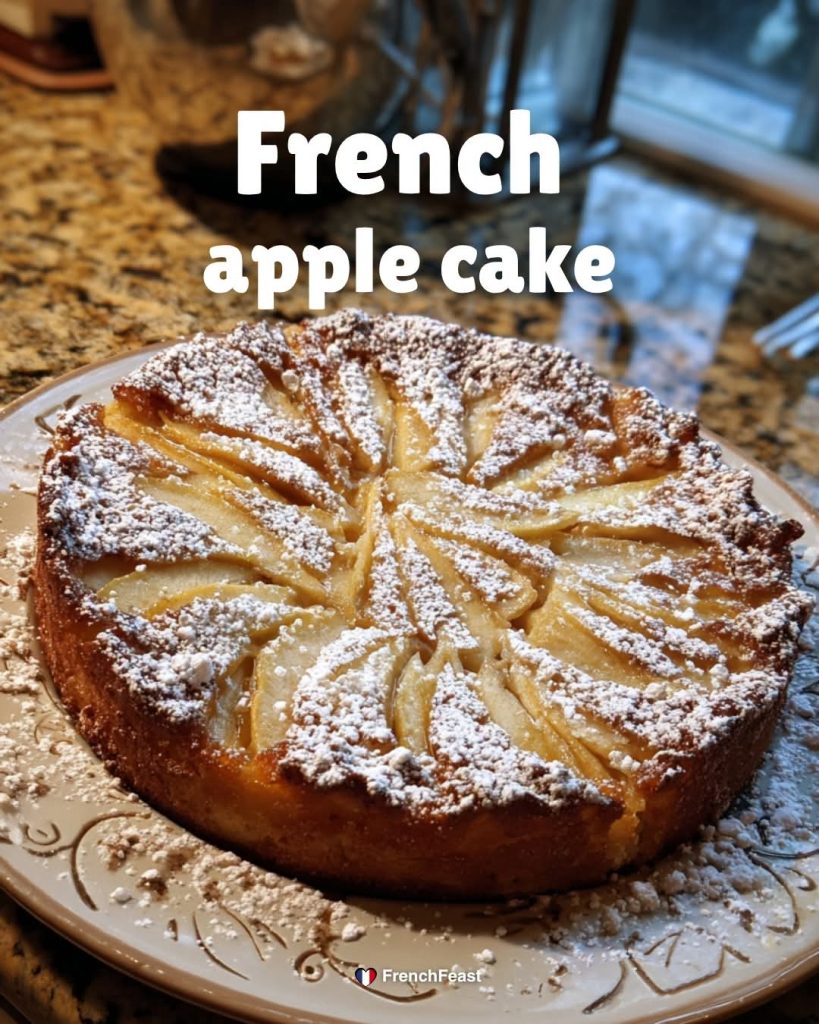
The Ultimate Guide to Classic French Apple Cake A Rustic Custardy Autumn Masterpiece
There is a distinct, undeniable magic to French home baking. While professional Parisian patisseries are famous for their highly complex, multi-layered masterpieces like macarons, mille-feuille, and eclairs, traditional French home cooks favor simple, rustic desserts that let high-quality ingredients shine. Among these cherished home classics, none holds a more comforting place in the culinary world than the traditional Gâteau aux Pommes, or French Apple Cake.
Unlike typical American apple cakes, which are often heavily spiced, dense, and cake-forward, a true French apple cake is all about the fruit. It features a shockingly high ratio of juicy, tender apples suspended in a delicate, buttery, and subtly sweet batter. As it bakes, the batter surrounding the apples transforms into a rich, custard-like crumb in the center, while the top develops a beautifully golden, slightly crackly, sugar-dusted crust. This incredible contrast in textures—crisp on top, custardy in the middle, and bursting with sweet-tart apple flavor throughout—makes it the ultimate comfort dessert for autumn or any time of year.
If you have ever been intimidated by the precision of French baking, this is the perfect recipe to build your confidence. It requires no complex techniques, no special equipment, and can be whipped up in a single bowl using basic pantry staples. In this comprehensive guide, we will break down the history, the culinary science, and the step-by-step techniques to help you bake a flawless French apple cake that tastes like it came straight from a countryside kitchen in Normandy.
What Makes a French Apple Cake Truly Authentic?
To appreciate this cake, we have to look at what sets it apart from other fruit-based desserts. It occupies a unique culinary space somewhere between a classic sponge cake, a bread pudding, and a custard clafoutis.
The Apple-to-Batter Ratio
In a standard cake recipe, the batter is the star, and any added fruit serves as a simple accent. In an authentic French apple cake, this relationship is completely inverted. The batter acts purely as a cohesive binder designed to hold a massive mountain of sliced apples together. When you fold the apples into the bowl, you might initially worry that there is not enough batter to coat them. However, as the cake bakes, the apples release their natural juices, which steam and cook the minimal batter around them, creating pockets of soft, melt-in-your-mouth custard.
The Role of Dark Rum
If you walk into a traditional kitchen in northern France, you will quickly find that dark rum is a non-negotiable ingredient in apple-based desserts. A generous splash of quality dark rum does not make the cake taste boozy; instead, it acts as a flavor enhancer. The deep, molasses-rich notes of the rum pair beautifully with the natural sweetness of the apples and the warmth of vanilla, adding an elegant complexity and a fragrant aroma that defines the authentic French style.
The Contrast of Textures
An authentic French apple cake must have three distinct structural layers once baked. The bottom of the cake should be dense and packed with tender fruit. The middle should be soft, moist, and custardy. The top layer, however, should feature a thin, delicate cake dome that bakes up golden-brown with a light, paper-thin crunch, especially when sprinkled with granulated sugar right before entering the oven. Achieving this balance is a matter of properly whipping your eggs and butter to create a light, air-filled structure that rises to the top during baking.
Choosing the Perfect Apples for Baking
Because the fruit is the absolute centerpiece of this cake, selecting the right variety of apple is the most important decision you will make. Using the wrong apple can result in a mushy, watery cake with very little flavor.
The Best Sweet and Tart Varieties
For the absolute best flavor profile, we highly recommend using a mix of at least two different apple varieties. Combining sweet and tart apples creates a complex, multidimensional flavor that prevents the cake from tasting flat or overly sweet.
- Granny Smith: The gold standard for baking. These apples are intensely tart, which provides a beautiful contrast to the sweet cake batter. Most importantly, they have a firm cellular structure that holds its shape beautifully without turning to applesauce.
- Honeycrisp: Exceptionally juicy and crisp, Honeycrisps bring a lovely, natural honey-like sweetness and a fantastic texture to the cake.
- Braeburn: A classic baking apple that offers a perfect balance of sweet and tart flavors. They bake up soft but retain their clean, sliced shape.
- Jonagold: A cross between Jonathan and Golden Delicious, these apples have a thin skin and a sweet, tangy flavor that intensifies beautifully when baked.
Why Texture Stability Matters
When baking, you want to avoid apples that break down easily under heat, such as McIntosh or Red Delicious. These varieties become incredibly mushy and release too much water when cooked, which will ruin the delicate, custardy structure of your cake batter, leaving you with a soggy, dense bottom. Look for apples that feel heavy for their size and are completely firm to the touch when you squeeze them.
Essential Ingredients for the Perfect Crumb
While this recipe relies on simple ingredients, understanding the role each one plays will help you achieve the perfect, melt-in-your-mouth texture.
Butter: Salted vs. Unsalted
In French pastry, butter is king. For this cake, you want to use a high-quality, European-style unsalted butter. European-style butter has a higher butterfat content and less water than standard American butter, which translates directly to a richer flavor and a more tender, delicate crumb. We use unsalted butter so that we can precisely control the amount of salt in the recipe, ensuring the delicate sweetness of the apples is enhanced rather than overpowered.
The Importance of Room Temperature Ingredients
Before you begin mixing your batter, ensure your eggs, milk, and melted butter have all come to room temperature. If you pour warm, melted butter into cold eggs and milk, the butter will immediately solidify into tiny, greasy specks. Having all your ingredients at a uniform room temperature allows them to emulsify smoothly, trapping microscopic air bubbles that help the cake rise and create that beautiful, light cake layer on top.
Step-by-Step Recipe: Classic French Apple Cake
This recipe is designed to fit a standard 9-inch springform pan, which allows for easy removal and a beautiful presentation.
Ingredients List:
- 1 cup (125g) all-purpose flour
- 1 teaspoon baking powder
- 1/4 teaspoon salt
- 1/2 cup (113g) unsalted butter, melted and cooled to room temperature
- 2/3 cup (130g) granulated sugar (plus 2 tablespoons for sprinkling on top)
- 2 large eggs, at room temperature
- 1 teaspoon pure vanilla extract
- 3 tablespoons dark rum (or substitute with apple cider or cognac)
- 4 large baking apples (mix of Granny Smith and Honeycrisp), peeled, cored, and cut into 1/2-inch chunks
- Confectioners’ (powdered) sugar, for dusting
Step-by-Step Instructions:
1. Preparing Your Pan and Oven
Preheat your oven to 350°F (177°C) and position an oven rack in the center. Lightly grease a 9-inch springform pan with butter or non-stick cooking spray. Line the bottom of the pan with a round of parchment paper, then grease the paper as well. This double-greasing method ensures that the sticky, caramelized apples release effortlessly from the pan after baking.
2. Whistling the Dry Ingredients
In a medium bowl, whisk together the all-purpose flour, baking powder, and salt until thoroughly combined. Set this dry mixture aside.
3. Beating the Eggs and Sugar
In a large mixing bowl, combine the granulated sugar and the room temperature eggs. Using a hand-held electric mixer or a sturdy balloon whisk, beat the eggs and sugar together on medium-high speed for about 2 to 3 minutes. You want to beat them until the mixture becomes pale yellow, slightly thickened, and falls from the beaters in a thick ribbon. This step is crucial, as incorporating air into the eggs is what gives the cake its light, airy top layer.
4. Emulsifying the Wet Ingredients
Lower the mixer speed and slowly pour in the melted, cooled butter, vanilla extract, and dark rum. Whisk gently until just combined.
5. Combining Wet and Dry
Add half of the flour mixture to the wet ingredients, folding gently with a silicone spatula just until incorporated. Add the remaining flour and fold again until you have a smooth, thick batter with no visible flour pockets. Be careful not to overmix at this stage, as overworking the flour will develop gluten, leading to a tough, bready cake rather than a tender, custardy one.
6. Folding in the Apple Mountain
Dump your prepared apple chunks directly into the bowl with the batter. Using your spatula, gently fold the apples into the batter until every single chunk is lightly coated. The mixture will look like a bowl of sliced apples with barely any batter holding them together—this is exactly how it should look.
7. Baking to Golden Perfection
Scrape the mixture into your prepared springform pan, using your spatula to press the apples down into an even, level layer. Smooth the top of the batter. Sprinkle the remaining 2 tablespoons of granulated sugar evenly across the top of the cake; this will caramelize in the oven to create that signature, paper-thin crispy crust.
Bake for 55 to 65 minutes. The cake is done when the top is a deep golden brown, and a toothpick inserted into the center of the cake comes out clean (a few moist crumbs are fine, but there should be no wet batter).
8. Cooling and Dusting
Place the pan on a wire cooling rack and let the cake cool inside the pan for 15 to 20 minutes. Run a thin butter knife gently around the edges of the pan to loosen any caramelized bits, then carefully release the springform collar. Let the cake cool completely to room temperature. Just before serving, place a fine-mesh strainer loaded with confectioners’ sugar over the cake and dust the top generously to create a beautiful, snowy finish.
Baker’s Tips and Tricks for Fail-Proof Success
Even with a simple recipe, a few expert tips can help you elevate your baking from great to absolutely exceptional.
How to Avoid a Soggy Bottom
Because apples contain a massive amount of water, they will release steam as they cook. If your oven temperature is too low, the water will pool at the bottom of the cake instead of evaporating, leading to a soggy texture. Ensure your oven is fully preheated before putting the cake in, and consider using a portable oven thermometer to verify that your oven is running at a true 350°F (177°C).
Perfecting the Golden Crust and Sugar Dusting
The dusting of powdered sugar is the visual hallmark of a classic French apple cake. However, never dust your cake with powdered sugar while it is still warm. The residual heat and steam will instantly melt the sugar, turning it into a wet, sticky glaze. Always wait until the cake is completely cool to the touch before applying your snowy layer of sugar.
Serving Suggestions and Pairings
This versatile cake is elegant enough to serve at a formal dinner party, yet simple enough to enjoy with a warm cup of coffee on a lazy Sunday morning.
- La Mode (With Ice Cream): Serve a generous slice of warm apple cake with a scoop of high-quality vanilla bean or salted caramel ice cream. The cold, creamy ice cream melting into the warm, custardy center of the cake is pure heaven.
- Crème Anglaise: For a truly traditional French presentation, pool a few tablespoons of chilled crème anglaise (a light, vanilla custard sauce) onto a dessert plate and place the slice of cake directly in the center.
- Warm Beverages: Pair this cake with a hot, dark roast espresso, a spicy chai latte, or a warm mug of mulled apple cider to complement the rich cinnamon and rum notes of the dessert.
Storage, Make-Ahead, and Freezing Instructions
Because this cake is incredibly moist thanks to the high volume of fruit, storing it correctly is essential to preserve its beautiful textures.
Storing Leftovers
Store any leftover cake in an airtight container in the refrigerator for up to 3 to 4 days. While the crispy top crust will soften slightly in the fridge, the custardy center actually intensifies in flavor as it sits, making it taste even better the next day. You can enjoy leftovers chilled straight from the fridge, or warm individual slices in a 300°F (149°C) oven for 5 to 8 minutes to restore some of that fresh-baked warmth.
Freezing the Cake
If you want to bake this cake ahead of time, it freezes beautifully. Allow the baked cake to cool completely (do not dust it with powdered sugar before freezing). Wrap the entire cake, or individual slices, tightly in a double layer of plastic wrap, followed by a layer of aluminum foil. Freeze for up to 3 months. When ready to serve, thaw the cake overnight in the refrigerator, warm it gently in a 320°F (160°C) oven for 10 minutes to revive the textures, and dust generously with powdered sugar right before serving.
Frequently Asked Questions
Can I make this cake alcohol-free?
Yes, absolutely. While the dark rum adds a traditional, deep flavor profile, you can easily substitute it with an equal amount of sweet apple cider, apple juice, or even orange juice for a bright, alcohol-free alternative. You can also simply increase the vanilla extract to 2 teaspoons and add a splash of milk.
Can I use a regular cake pan instead of a springform pan?
If you do not own a springform pan, you can use a deep 9-inch round cake pan or a 9-inch square baking dish. However, because this cake is incredibly tender and packed with fruit, you will not be able to easily flip it out of a standard cake pan without it breaking apart. If using a standard cake pan, line it with a wide sling of parchment paper that hangs over the sides, allowing you to carefully lift the cooled cake out of the pan from the top.
Why is my cake taking longer to bake than the recipe states?
Baking times can vary significantly based on the moisture content of the specific apples you used, as well as individual oven calibration. If your apples were exceptionally juicy, the cake may need an extra 10 to 15 minutes in the oven to fully cook the custardy center. If the top of your cake is getting too dark but the center is still wet, simply tent the top of the pan loosely with a piece of aluminum foil and continue baking until a toothpick comes out clean.
Conclusion
Baking a classic French apple cake is a beautiful reminder that the most memorable culinary pleasures often come from the simplest of ingredients. By focusing on the natural, sweet-tart beauty of fresh apples and wrapping them in a delicate, rum-scented, custardy batter, you create a dessert that is far greater than the sum of its parts. It is a cake that fills your entire home with a warm, inviting aroma, bringing a touch of rustic French elegance directly to your table. Whether you are hosting an intimate autumn gathering, treating your family to a special weekend dessert, or simply celebrating the beautiful harvest of the season, this classic recipe is sure to become a beloved favorite in your home baking repertoire. Savor the crisp, golden crust, indulge in the soft, custardy middle, and enjoy the timeless comfort of a dessert made with love and tradition.