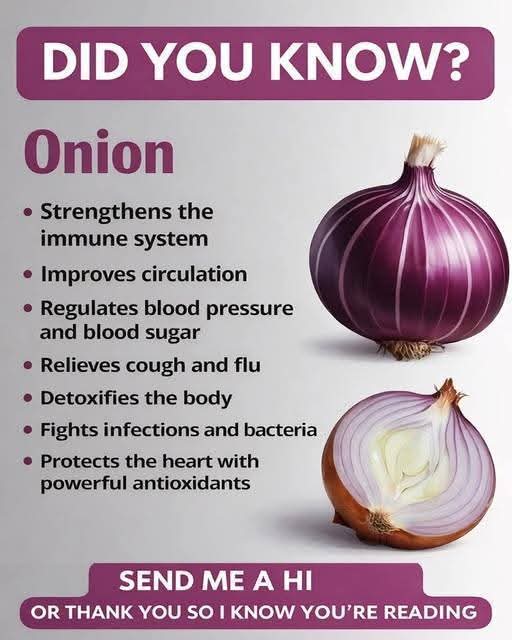
Red Onion Health Benefits Science Natural Remedies and Complete Guide
Introduction to the Health Power of Red Onions
Onions (Allium cepa) have been an indispensable culinary staple across global cultures for thousands of years. Beyond their undeniable ability to add rich, savory depth to everyday meals, onions—especially red and yellow varieties—possess an extraordinarily dense profile of therapeutic plant compounds. From ancient Egyptian traditions to classical Ayurvedic and traditional European herbal medicine, raw and prepared onions have long been celebrated as potent botanical remedies for seasonal illness, circulation support, and digestive vitality.
In contemporary nutrition, red onions are recognized as one of the richest dietary sources of polyphenol antioxidants and organosulfur molecules. Whether enjoyed fresh in garden salads, brewed into warm herbal teas, or prepared as a traditional honey-onion syrup for seasonal respiratory relief, red onions offer an accessible, budget-friendly way to fortify your daily health. In this comprehensive guide, we will explore the nutritional science behind red onions, examine their top health benefits, provide step-by-step natural remedy recipes, and discuss safe ways to integrate them into your routine.
The Nutritional and Bioactive Profile of Onions
What makes the common onion such a biological powerhouse is its complex combination of sulfur chemistry, flavonoids, and essential micronutrients. Understanding these active components reveals why onions exert such dynamic health effects throughout the body.
Quercetin and Bioflavonoids
Red onions are particularly famous for containing high concentrations of quercetin, a powerful bioflavonoid antioxidant. Quercetin acts as a potent radical scavenger, helping to shield cell membranes from oxidative stress, stabilize histamine release during seasonal allergies, and support vascular elasticity. Because the highest concentration of quercetin is found in the outer, pigment-rich rings of the red onion, using fresh, minimally peeled onions yields maximum benefit.
Allium Organosulfur Compounds
As members of the Allium botanical family—which also includes garlic, leeks, and shallots—onions owe their signature pungent aroma and sharp taste to volatile organosulfur molecules, such as allylic sulfides and thiosulfinates. When an onion is sliced, chopped, or crushed, cellular walls break open and trigger enzymatic activity that produces these protective compounds. Organosulfur compounds are extensively studied for their natural antibacterial, antifungal, and circulatory support properties.
Essential Vitamins and Minerals
Despite being low in calories, red onions provide a dense concentration of essential nutrients:
- Vitamin C (Ascorbic Acid): An essential antioxidant that stimulates white blood cell activity, aids collagen synthesis, and supports skin and immune health.
- Vitamin B6 (Pyridoxine): Plays a critical role in red blood cell production, cellular metabolism, and nervous system function.
- Folate (Vitamin B9): Vital for fundamental cellular division, DNA synthesis, and cardiovascular health.
- Potassium: A primary electrolyte mineral that helps balance intracellular fluid levels and supports healthy vascular pressure.
- Manganese: A trace mineral crucial for bone health, metabolic enzyme activation, and cellular defense.
Top Health Benefits of Red Onions
Incorporating red onions into your regular diet or utilizing them in homemade botanical preparations provides targeted support across multiple body systems.
1. Strengthening Immune Defense & Fighting Infections
Maintaining a resilient immune system requires continuous antioxidant and antimicrobial support. The combination of Vitamin C, quercetin, and organosulfur compounds in red onions helps stimulate immune defense mechanisms. Research shows that sulfur derivatives extracted from onions display natural antimicrobial properties against various bacterial strains and wild microbes. Sipping warm onion tea or consuming raw onion during seasonal transitions helps reinforce mucosal barriers and provides your body with botanical tools to fight off seasonal bugs.
2. Improving Circulation and Heart Protection
Cardiovascular health depends heavily on blood vessel flexibility and smooth circulatory dynamics. The high levels of quercetin and sulfur compounds in red onions encourage optimal nitric oxide production, which helps relax blood vessel walls and promote blood flow. Furthermore, regular intake of onion compounds supports lipid metabolism by helping maintain healthy LDL cholesterol oxidation levels and encouraging smooth platelet function within normal physiological ranges.
3. Regulating Blood Sugar and Metabolic Balance
Managing blood glucose levels is essential for long-term metabolic health and sustained daily energy. Specific compounds in red onions, including sulfur derivatives like allyl propyl disulfide and quercetin, have been shown to assist in metabolic regulation. These molecules interact with insulin pathways in liver and muscle cells, aiding glucose uptake and helping maintain balanced blood sugar levels after meals.
4. Soothing Respiratory Coughs, Colds, and Flu
One of the most widely practiced folk remedies involves using red onion preparations to soothe respiratory discomfort. Onions act as natural expectorants, helping to break down thick mucus in bronchial passages and promote easier breathing. The natural soothing action of onion syrups, particularly when combined with raw honey, creates a protective coating over irritated throat tissue, reducing the urge to cough while delivering antimicrobial support directly to throat membranes.
5. Supporting Natural Cellular Detoxification
Every day, the human body processes metabolic byproducts and environmental toxins. Onions contain rich stores of sulfur-containing amino acids, such as cysteine and methionine, which act as crucial precursors for the liver’s synthesis of glutathione—the body’s master internal antioxidant. By fueling glutathione production, red onions help support the liver’s primary detoxification pathways, helping flush metabolic waste and neutralize free radicals.
How to Make Natural Red Onion Remedies at Home
Creating effective, natural remedies using red onions is simple, economical, and requires basic kitchen tools. Below are two of the most popular traditional preparations for seasonal health.
Recipe 1: Traditional Red Onion and Honey Cough Syrup
This classic syrup combines the expectorant properties of red onion with the soothing demulcent texture of raw honey.
Ingredients
- 1 large red onion (peeled and thinly sliced into rings)
- 3/4 cup raw, unpasteurized honey
- 1 tablespoon fresh lemon juice (optional)
Instructions
- Layer the Onion: Place a layer of sliced red onion at the bottom of a clean 16-oz glass mason jar.
- Add Honey: Drizzle a few spoonfuls of raw honey over the onions. Continue alternating layers of onion and honey until the jar is filled.
- Infuse: Cover the jar tightly and allow it to rest at room temperature for 6 to 8 hours (or overnight). As the liquid draws out via osmosis, a thin, sweet, onion-infused syrup will form at the bottom of the jar.
- Strain and Store: Strain the syrup through a fine mesh sieve into a glass container, discarding the spent onion pieces. Store the syrup in the refrigerator for up to 3 weeks.
- Usage: Take 1 teaspoon 2 to 3 times daily as needed for throat comfort and seasonal support.
Recipe 2: Healing Warm Red Onion Tea
A comforting, aromatic tea designed to open bronchial passages and encourage warm circulation during cold weather.
Ingredients
- 1 medium red onion (washed and cut into quarters, skin kept on if organic)
- 2.5 cups filtered water
- 1 inch fresh ginger root (sliced)
- 1 tablespoon fresh lemon juice
- 1 teaspoon raw honey
Instructions
- Combine Ingredients: In a small stainless steel saucepan, add the quartered red onion, sliced ginger, and filtered water.
- Simmer: Bring the water to a gentle boil over medium-high heat. Reduce the heat to low, cover the pan, and let it simmer for 15 minutes until the water turns a pinkish-amber shade.
- Strain: Strain the hot liquid into a mug, discarding the cooked solids.
- Season: Stir in fresh lemon juice and raw honey. Sip slowly while warm.
How and When to Use Red Onion Remedies
- Daily Maintenance: Adding half a raw or lightly cooked red onion to daily salads, stir-fries, or grain bowls ensures a continuous supply of quercetin and dietary fiber.
- Acute Seasonal Support: At the first sign of a tickle in the throat, heavy chest tightness, or seasonal chills, sip warm red onion tea or take 1 teaspoon of honey-onion syrup up to three times a day.
- Mealtime Timing: For optimal digestive comfort, consume fresh onion dishes alongside meals containing healthy fats (such as olive oil or avocado), which enhances the absorption of fat-soluble antioxidant pigments.
Tips to Reduce Pungency and Enhance Flavor
While raw red onions are packed with active nutrients, their sharp bite can sometimes feel overwhelming. Here is how to make them milder without destroying their health benefits:
- Cold Water Soak: Slice red onions thinly and submerge them in ice water for 10 to 15 minutes before serving raw. This rinses away excess surface sulfur while retaining crisp texture and quercetin content.
- Citrus Marinating: Tossing sliced onions in fresh lemon or lime juice for 20 minutes before eating neutralizes harsh odor compounds and brightens the overall flavor profile.
- Light Steaming or Sautéing: Lightly cooking onions for 3 to 5 minutes softens their digestive bite while maintaining stable flavonoid antioxidants.
Safety Guidelines, Side Effects, and Precautions
While red onions are safe, wholesome culinary ingredients for most individuals, a few practical considerations should be kept in mind:
- FODMAP and IBS Sensitivity: Onions are high in fructans, a type of fermentable carbohydrate. Individuals diagnosed with Irritable Bowel Syndrome (IBS) or high sensitivity to FODMAPs may experience bloating, gas, or stomach cramps when consuming large amounts of raw onion.
- Acid Reflux & GERD: Raw onion can relax the lower esophageal sphincter in some people, potentially triggering acid reflux or heartburn if consumed on an empty stomach.
- Infant Safety Notice: Honey-onion syrup preparations must never be given to infants under 1 year of age due to the risk of infant botulism associated with raw honey.
- Blood Thinning Interactions: Because onions possess mild natural anti-platelet activity, individuals taking prescription anticoagulant medications should maintain consistent dietary intake and consult their primary care provider before consuming high-dose concentrated extracts.
Frequently Asked Questions (FAQs)
Are red onions healthier than white or yellow onions?
Red onions generally contain higher levels of anthocyanin pigments and quercetin antioxidants than white or yellow onions, making them exceptionally strong choices for cellular defense and cardiovascular support.
Does cooking destroy the health benefits of onions?
High heat over extended periods can degrade delicate Vitamin C and volatile sulfur compounds. However, quercetin and overall dietary fiber remain largely stable during moderate cooking. Eating a combination of raw and lightly cooked onions provides a well-rounded balance of nutrients.
Why do red onions make you cry when chopping them?
Chopping breaks open onion cells, releasing an enzyme called allinase which produces a volatile gas called propanethial s-oxide. When this gas touches the moisture in your eyes, it forms mild sulfuric acid, prompting your tear ducts to flush it out.
How should fresh red onions be stored?
Store whole, unpeeled red onions in a cool, dry, dark, well-ventilated space away from potatoes. Once cut, store unused onion portions in an airtight glass container in the refrigerator for up to 5 to 7 days.
Conclusion
The red onion is far more than a simple culinary flavor enhancer; it is a versatile, nutrient-dense natural remedy backed by centuries of traditional use and modern nutritional science. Brimming with protective quercetin, bioactive sulfur compounds, essential vitamins, and key minerals, red onions offer powerful daily support for your immune defenses, cardiovascular health, metabolic balance, and respiratory clarity. By incorporating fresh red onions into your meals or brewing simple homemade teas and syrups, you can easily harness the therapeutic power of this garden staple to fuel your body naturally.