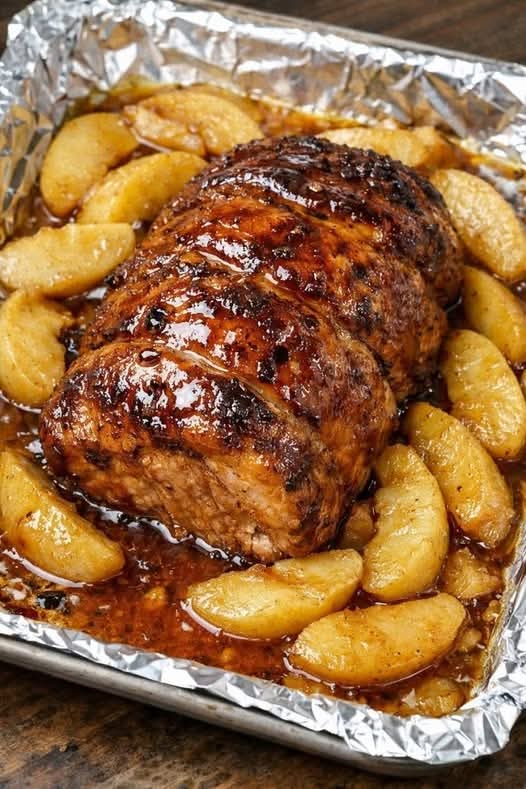
Honey Glazed Roasted Pork Loin with Apples Recipe Benefits and Complete Guide
Introduction to Honey-Glazed Roasted Pork Loin with Apples
When autumn approaches or you crave a centerpiece dinner that balances savory richness with sweet, caramelized fruit, a honey-glazed roasted pork loin with apples is the ultimate choice. This classic culinary combination pairs tender, juicy lean pork with sweet-tart orchard apples, fragrant autumn spices, and a sticky honey glaze that bakes to a golden perfection. Rooted in traditional European and American farm-style cooking—where seasonal orchard harvests naturally complemented roasted meats—this dish delivers both elegant presentation and comforting flavor.
Beyond its mouthwatering appeal, this homestyle roast offers a satisfying balance of macronutrients, high-quality lean protein, and antioxidant-rich fruits. Whether you are hosting a family weekend dinner, celebrating a holiday gathering, or looking for a memorable meal prep option, this comprehensive guide will walk you through the history, nutritional benefits, step-by-step recipe, and expert tips for mastering honey-glazed pork loin with apples.
Culinary Heritage of Pork and Apples
The pairing of pork and apples is far from accidental; it is one of history’s most time-tested flavor harmonies.
The Science of Flavor Pairing
From a culinary science perspective, pork has a clean, savory, moderately sweet profile that pairs exceptionally well with organic fruit acids. Apples provide a bright, tart acidity and natural sugars that cut through the richness of roasted pork fat. When roasted together, the natural apple juices mingle with pan drippings, honey, and spices to create an effortless, luxurious sauce.
Traditional Orchard Traditions
In regions with rich apple-growing traditions across Northern Europe and North America, autumn pig processing coincided directly with the apple harvest. Cooks quickly discovered that baking pork roasts on a bed of sliced apples kept the meat exceptionally moist while infusing the fruit with savory pan juices. Today, this tradition remains a beloved symbol of seasonal home cooking.
Nutritional Benefits of the Dish
While this meal feels like a decadent weekend feast, it packs an impressive array of nutritional components that support a balanced lifestyle.
High-Quality Lean Protein
Pork loin is an exceptionally nutrient-dense cut of meat. It provides a complete profile of essential amino acids required for muscle repair, immune function, and cellular maintenance. Because pork loin is naturally lean—especially when trimmed of excess outer fat—it offers a high protein-to-calorie ratio comparable to skinless chicken breast.
Orchard Apple Antioxidants and Fiber
Apples (Malus domestica) are nutritional powerhouses. Baking them preserves much of their dietary fiber and phytonutrients.
- Pectin: A soluble prebiotic fiber found abundantly in apples that supports digestive health and helps maintain healthy cholesterol levels.
- Quercetin and Polyphenols: Powerful plant antioxidants concentrated heavily in apple flesh and skins that help neutralize free radicals and reduce oxidative stress.
- Vitamin C and Potassium: Support cellular immune defense, skin integrity, and electrolyte balance.
Key Ingredients for Success
Creating a restaurant-quality roasted pork loin with apples requires fresh, high-quality ingredients and simple preparation methods.
1. Pork Loin
- Center-Cut Pork Loin: Ensure you choose a boneless or bone-in pork loin (not to be confused with pork tenderloin, which is smaller and cooks much faster). A 2 to 3-pound center-cut loin provides even thickness and stays juicy during roasting.
2. Apples
- Firm, Tart Baking Apples: Varieties like Granny Smith, Honeycrisp, or Braeburn work best. They hold their shape during roasting without turning into applesauce and offer a sharp tartness that balances sweet honey.
3. The Honey Glaze and Aromatics
- Raw Honey: Acts as the primary base for the sticky, caramelized glaze, helping brown the exterior of the pork.
- Dijon Mustard: A small spoonful emulsifies the glaze, cutting the sweetness with a pleasant, subtle tang.
- Warm Spices: Ground cinnamon, nutmeg, and fresh rosemary or thyme elevate the aroma and add cozy, earthy depth.
Step-by-Step Roasted Pork Loin with Apples Recipe
This foolproof recipe yields a golden, caramelized pork roast surrounded by tender, spiced apples in under an hour and a half.
Recipe Ingredients
- 1 center-cut boneless pork loin (approx. 2.5 to 3 lbs)
- 3 large firm baking apples (such as Granny Smith or Honeycrisp, cored and sliced into thick wedges)
- 1/3 cup raw honey
- 2 tablespoons Dijon mustard
- 2 tablespoons extra virgin olive oil
- 3 cloves garlic (minced)
- 1 teaspoon fresh rosemary (finely chopped)
- 1/2 teaspoon ground cinnamon
- 1/4 teaspoon ground nutmeg
- Salt and freshly cracked black pepper (to taste)
- 1/2 cup low-sodium chicken broth or apple cider (for the pan)
Kitchen Equipment Needed
- Rimmed baking sheet or roasting pan (lined with heavy-duty foil for easy cleanup)
- Small mixing bowl and whisk
- Meat thermometer
- Chef’s knife and cutting board
Step-by-Step Instructions
Step 1: Preheat and Prep the Pork
Preheat your oven to 375°F (190°C). Pat the pork loin completely dry with paper towels; removing surface moisture is essential for getting a great sear and glaze adherence. Season all sides generously with salt and freshly cracked black pepper.
Step 2: Mix the Honey-Herb Glaze
In a small mixing bowl, whisk together the raw honey, Dijon mustard, extra virgin olive oil, minced garlic, chopped rosemary, ground cinnamon, and nutmeg until smooth and well combined.
Step 3: Sear or Base-Coat the Pork
Place your pork loin in the center of the lined roasting pan. Brush about half of the honey-mustard glaze evenly over the top and sides of the pork loin, pressing it gently so it adheres.
Step 4: Arrange the Apples
Toss the thick apple wedges in a bowl with a tiny splash of remaining olive oil and a pinch of cinnamon. Arrange the apple wedges all around the pork loin in the roasting pan. Pour the 1/2 cup of chicken broth or apple cider into the bottom of the pan to keep the pan drippings from burning.
Step 5: Roast to Perfection
Roast uncovered in the preheated oven at 375°F for 35 to 45 minutes. Halfway through the cooking time (around 20 minutes in), brush the remaining honey glaze over the pork loin and gently toss the apples in the pan juices. Continue roasting until a digital meat thermometer inserted into the thickest part of the pork registers an internal temperature of 145°F (63°C).
Step 6: Rest and Slice
Remove the roasting pan from the oven. Transfer the pork loin to a clean cutting board and tent loosely with aluminum foil. Let the meat rest undisturbed for 10 minutes; this resting period allows the internal juices to redistribute throughout the muscle fibers. Slice the pork into thick medallions and serve surrounded by the warm, caramelized roasted apples and pan juices.
Expert Tips for the Ultimate Roast
- Do Not Overcook: Pork loin is very lean and can dry out if overcooked. Pull the pork from the oven precisely when it hits 145°F; residual heat will finish cooking it during the rest period while keeping the meat juicy and tender.
- Trussing the Roast: If your pork loin is uneven in thickness, tie it with kitchen twine every 2 inches to ensure uniform cooking.
- Pan Sauce Reduction: If you want a thicker glaze, pour the remaining pan juices into a small saucepan and simmer over medium heat for 3 minutes until reduced into a rich syrup.
Serving Suggestions and Side Dishes
Complete your meal with complementary sides that soak up the sweet and savory pan juices:
- Garlic Mashed Potatoes: Creamy mashed potatoes provide a classic bed for soaking up the honey-apple pan drippings.
- Roasted Brussels Sprouts or Green Beans: Toss green vegetables in olive oil, salt, and pepper, and roast them alongside the pork during the last 20 minutes of cooking.
- Warm Artisan Bread: Serve with crusty French bread or cornbread to capture every drop of the honey glaze.
Storage and Reheating Guidelines
- Refrigeration: Store leftover sliced pork and apples in an airtight glass container in the refrigerator for up to 3 to 4 days.
- Reheating: Reheat individual portions gently in a covered skillet over medium-low heat with a splash of chicken broth or water to restore moisture, or microwave in 30-second increments until warm.
Frequently Asked Questions (FAQs)
What internal temperature should pork loin be cooked to?
According to food safety guidelines, pork loin should be cooked to an internal temperature of 145°F (63°C), followed by a 3-minute rest. This ensures safe cooking while keeping the meat tender and juicy with a slight blush of pink in the center.
Can I use pork tenderloin instead of pork loin?
Yes, though keep in mind that pork tenderloin is much smaller and thinner than a pork loin roast. Adjust your roasting time down significantly (usually 20 to 25 total minutes) to prevent overcooking.
Which apples hold up best in the oven?
Firm, tart varieties like Granny Smith, Honeycrisp, Braeburn, and Jonathan maintain their structural integrity during baking and provide a wonderful tart contrast to sweet honey glaze.
Conclusion
Honey-glazed roasted pork loin with apples is an exceptional dish that bridges the gap between comforting homestyle cooking and elegant dining. Combining juicy lean pork with sweet-tart orchard apples, aromatic herbs, and a sticky honey glaze, this recipe delivers a feast of textures and flavors. With simple preparation steps and reliable roasting guidelines, you can easily create a memorable centerpiece meal that nourishes and delights everyone at your table.