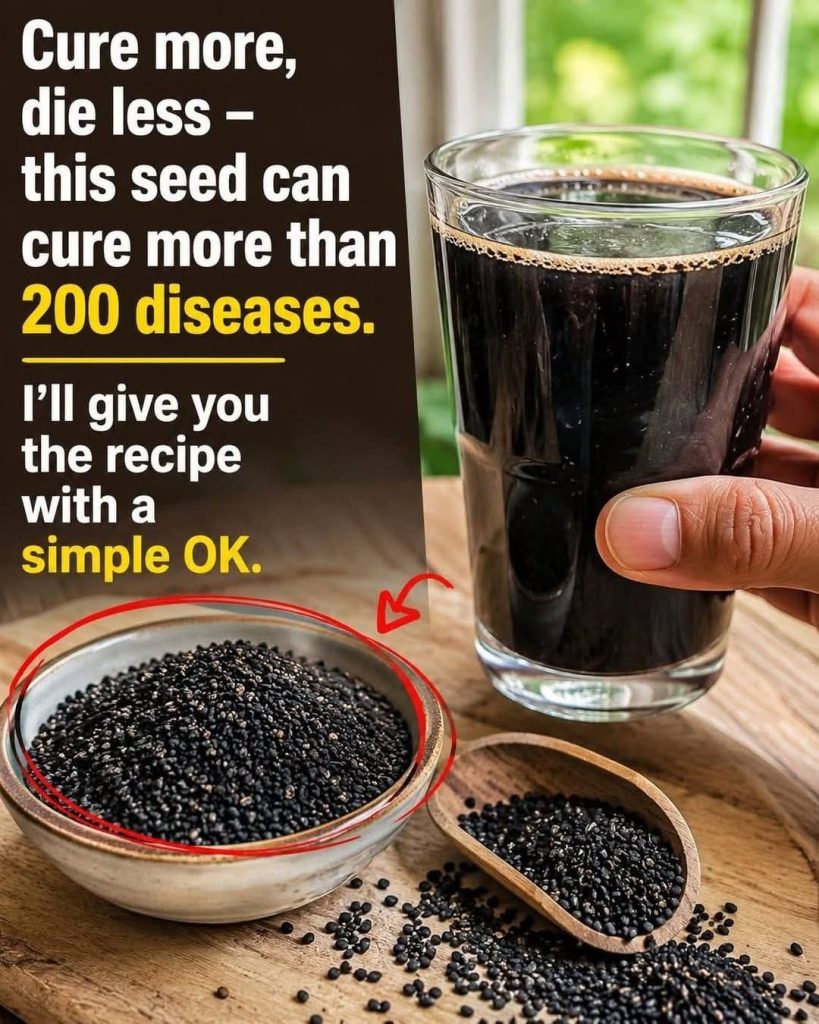
The Ultimate Guide to Black Seed Tea History Science Backed Benefits and Easy Recipes
Traditional herbal remedies have experienced a massive resurgence in recent years as people look for natural ways to support daily wellness. Among the most revered botanicals in historical folklore is Nigella sativa, commonly known as black seed, black cumin, or kalonji. Often praised in ancient texts for its wide-ranging therapeutic uses, this tiny dark seed packs a powerful profile of active compounds and rich aromatics.
When creating herbal recipes or writing for a health-conscious audience, it is crucial to separate historical tradition and modern research from extreme health claims. While viral social media posts often claim that a single seed can “cure hundreds of diseases,” responsible wellness publishing focuses on evidence-based benefits, culinary versatility, and safe usage.
In this comprehensive guide, we will explore the historical background of Nigella sativa, examine what scientific literature actually says about its bioactivity, and share easy, delicious recipes for making black seed tea and herbal infusions right at home.
What is Nigella Sativa (Black Seed)?
Nigella sativa is a small flowering plant native to Eastern Europe, Northern Africa, and Southwest Asia. It produces delicate pale blue or white flowers that yield fruit pods containing small, jet-black seeds with a triangular cross-section.
Despite being frequently referred to as black cumin, black caraway, or kalonji, Nigella sativa is botanically distinct from true cumin (Cuminum cyminum) and caraway (Carum carvi). Its unique flavor profile is warm, slightly bitter, peppery, and subtle with notes of oregano and nutmeg.
A Rich Historical Tradition
For thousands of years, black seeds have played a prominent role in Middle Eastern, Mediterranean, and South Asian traditional medicine and culinary arts:
- Ancient Egypt: Archeologists discovered black seed oil in the tomb of Pharaoh Tutankhamun, highlighting its status as a precious commodity reserved for royalty and traditional embalming techniques.
- Greco-Roman Medicine: Ancient physicians like Dioscorides and Hippocrates recorded using black seeds to address digestive discomfort, headaches, and respiratory congestion.
- Islamic Folklore: The seed holds significant cultural importance in Islamic tradition, where it is referenced as a general restorative herb for overall vitality.
The Science Behind Black Seed: Key Active Compounds
Modern pharmacological studies have sought to understand why Nigella sativa held such a legendary reputation in folk medicine. Research reveals that black seeds are dense with phytochemicals, essential fatty acids, and nutrients.
1. Thymoquinone (TQ)
The primary bioactive compound in black seed essential oil is thymoquinone. TQ is a potent antioxidant and anti-inflammatory agent that has been extensively studied in laboratory and animal research for its potential cellular protective effects.
2. Nigellone and Alpha-Hederin
These secondary compounds contribute to the plant’s traditional use in respiratory wellness. They have demonstrated bronchodilatory and mild antihistamine properties in preclinical studies.
3. Essential Fatty Acids
Black seeds contain a high concentration of beneficial fatty acids, including linoleic acid (omega-6) and oleic acid (omega-9), which support skin barrier function and overall cardiovascular health when included as part of a balanced diet.
Fact vs. Fiction: Navigating Health Claims Responsibly
When publishing content online—especially on monetized blogs or websites governed by ad network guidelines like Google AdSense—clarity and medical accuracy are essential.
Why Extreme Claims Harm Your Site and Audience
Viral graphics asserting that black seed “cures over 200 diseases” or replaces medical treatment present significant issues:
- Regulatory Compliance: Claiming a food or herb can cure, treat, or prevent specific medical conditions violates advertising and health content policies across major ad networks and search engine guidelines (YMYL – Your Money or Your Life).
- Consumer Safety: Promoting herbs as “cures” can cause individuals to delay seeking necessary medical evaluation for serious health conditions.
- Science-Based Framing: True wellness advocacy relies on setting accurate expectations. Black seed is an excellent dietary supplement and functional food that supports wellness, but it is not a panacea or substitute for conventional medicine.
Instead of framing black seed as a miraculous cure, present it as a nutrient-dense, antioxidant-rich botanical that supports general immunity, metabolic health, and digestive balance.
Health Benefits Supported by Current Research
When evaluated through modern scientific research, Nigella sativa offers several well-documented health benefits:
Supports Healthy Inflammation Response
Chronic inflammation is linked to numerous modern wellness challenges. The thymoquinone in black seed helps neutralize free radicals and downregulate pro-inflammatory markers in the body.
Promotes Digestive Comfort
Traditionally consumed after heavy meals, black seed tea helps reduce bloat, soothe smooth muscle spasms in the gastrointestinal tract, and encourage healthy digestion.
Enhances Antioxidant Defense
The robust antioxidant profile of black seed helps protect cells against oxidative stress caused by environmental toxins, poor diet, and stress.
Supports Metabolic and Cardiovascular Health
Several clinical trials suggest that regular, moderate intake of black seeds or black seed oil may assist in maintaining healthy blood lipid profiles and supporting balanced blood glucose levels already within a normal range.
How to Make Black Seed Tea at Home
Making a warm, soothing infusion from whole black seeds is one of the easiest ways to integrate this traditional botanical into your daily routine. Because whole seeds have a naturally bitter and peppery kick, pairing them with honey, lemon, or complementary digestive spices creates a balanced beverage.
Basic Warm Black Seed Tea Recipe
Ingredients:
- 1 tablespoon whole Nigella sativa seeds (Kalonji)
- 2 cups filtered water
- 1 teaspoon raw organic honey (optional, to soften bitterness)
- 1 fresh lemon slice
- 1 small cinnamon stick or fresh ginger slice (optional)
Instructions:
- Lightly Crush the Seeds: Place the black seeds in a mortar and pestle or on a cutting board under a heavy knife. Lightly crush them to crack the outer seed coat. This allows the beneficial essential oils and compounds to steep effectively into the water.
- Boil the Water: In a small saucepan, bring 2 cups of water to a gentle boil over medium heat.
- Simmer the Seeds: Add the crushed black seeds (and cinnamon/ginger, if using) to the boiling water. Lower the heat, cover the pan, and let it simmer gently for 8 to 10 minutes.
- Strain and Serve: Remove the saucepan from heat and pour the liquid through a fine-mesh strainer into a mug.
- Add Natural Sweetener: Stir in the raw honey and a squeeze of fresh lemon juice. Drink warm.
Delicious Variations for Herbal Tea Blends
If you prefer a milder taste or want to target specific wellness routines, consider blending black seed with other traditional herbs:
1. Digestive Golden Spice Blend
Combine 1/2 teaspoon crushed black seeds, 1/2 teaspoon crushed fennel seeds, and 1/4 teaspoon ground turmeric. Steep in boiling water for 10 minutes and top with a dash of black pepper to enhance turmeric absorption.
2. Soothing Mint & Black Seed Tonic
Steep 1/2 tablespoon crushed black seeds alongside fresh peppermint leaves. Mint’s natural menthol complements the earthy pepper notes of the black seed, making a refreshing post-dinner herbal cup.
3. Golden Honey & Black Seed Milk (Kalonji Latte)
Simmer 1/2 teaspoon finely ground black seed powder in 1 cup of oat milk or almond milk with a pinch of cardamom and cinnamon for 5 minutes. Sweeten with maple syrup or honey for a soothing bedtime tonic.
Dosage, Safety, and Precautions
While Nigella sativa is generally safe when consumed in culinary amounts, taking highly concentrated forms or excessive quantities requires caution.
Recommended Usage
- Whole Seeds / Tea: 1 to 2 teaspoons of whole seeds per day is standard for herbal infusions and culinary applications.
- Black Seed Oil: If using cold-pressed oil directly, starting with 1/2 to 1 teaspoon daily with food is typically recommended.
Who Should Exercise Caution?
- Pregnant and Breastfeeding Women: Concentrated amounts of black seed may stimulate uterine contractions. High therapeutic doses should be avoided during pregnancy.
- Individuals on Blood Thinners or Diabetes Medications: Black seed can mildy lower blood sugar and blood pressure or affect clotting time. Consult a primary care physician prior to daily supplementation if managing chronic health conditions.
- Upcoming Surgery: Discontinue therapeutic black seed use at least two weeks before scheduled surgical procedures to avoid potential interactions with anesthesia and bleeding management.
Final Thoughts
Nigella sativa remains one of history’s most fascinating and versatile botanicals. From the tombs of ancient pharaohs to modern herbal pantries, its rich antioxidant profile and warming flavor make it a worthy addition to your daily holistic routine.
By pairing culinary creativity with responsible, research-backed information, you can share the genuine benefits of traditional plants like black seed while keeping your health content safe, credible, and informative. Enjoy experimenting with black seed teas and infusions, and embrace this ancient spice as part of a balanced approach to modern living!