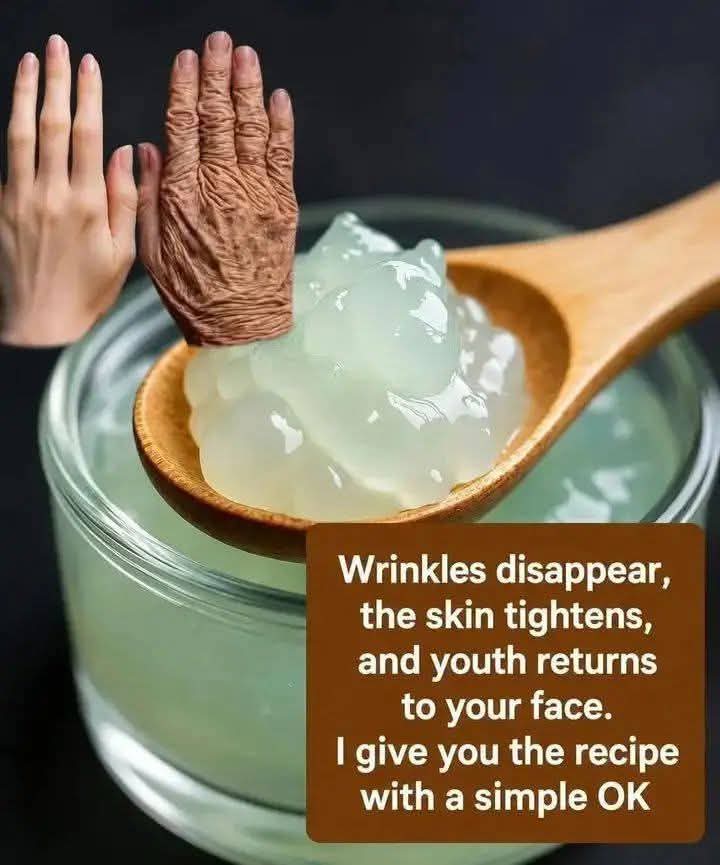
Homemade Aloe Vera Gel Hand Mask Hydration Benefits and Skin Care Facts
Dry skin, fine lines, and uneven texture on the hands are common concerns caused by frequent handwashing, exposure to harsh weather, and natural aging. Natural ingredients like aloe vera gel and moisturizing carrier oils have long been popular remedies in DIY skincare routines. Known for their hydrating, cooling, and soothing properties, homemade botanical gels provide a refreshing way to nourish parched skin at home.
In this comprehensive guide, we explore the skincare benefits of aloe vera, how to prepare a hydrating DIY gel mask for hands and face, essential skin health realities, and practical tips to maintain soft, smooth skin.
What is Aloe Vera Gel?
Aloe vera is a succulent plant species of the genus Aloe, widely cultivated for its medicinal and cosmetic applications. The clear gel extracted from the inner thick leaves consists primarily of water (over 99%), alongside a rich complex of vitamins, minerals, enzymes, and polysaccharides.
Key Active Components in Aloe Vera
- Polysaccharides (Acemannan): These complex carbohydrates help retain moisture, supporting skin barrier hydration and skin softness.
- Vitamins A, C, and E: Antioxidant vitamins that help neutralize free radicals generated by environmental exposure such as UV rays and pollution.
- Enzymes (such as Bradykinase): Natural plant enzymes that contribute to cooling and soothing minor skin irritations.
- Amino Acids and Minerals: Essential building blocks that support skin vitality and natural recovery processes.
Benefits of DIY Aloe Vera Skincare Masks
Incorporating natural aloe vera masks into your weekly routine offers several surface-level skincare benefits.
1. Intense Surface Hydration
Aloe vera gel is an exceptional natural humectant. It draws water into the stratum corneum (the outermost layer of skin), instantly softening dry patches and reducing the rough appearance caused by dehydration.
2. Soothing Irritated or Sun-Exposed Skin
The cooling sensation of fresh aloe vera gel provides immediate relief to skin exposed to sun, cold wind, or frequent soapy handwashing, helping reduce temporary redness and discomfort.
3. Temporarily Plumping Fine Lines
When skin is thoroughly hydrated, superficial fine lines—often exacerbated by dryness—temporarily plump up, giving hands and face a smoother, fresher appearance.
4. Lightweight and Non-Greasy
Unlike heavy mineral oils or petroleum ointments, pure aloe vera gel absorbs quickly without leaving a sticky or greasy residue, making it ideal for daily topical application.
Realistic Skincare Expectations & Medical Facts
Social media posts often feature dramatic side-by-side images promising that home gels will cause wrinkles to completely disappear or instantly reverse deep biological aging. It is important to look at these claims through an evidence-based dermatological lens:
- Cannot Erase Deep Wrinkles or Tighten Sagging Skin: Wrinkles and skin laxity are caused by the loss of collagen and elastin deep within the dermal layer of the skin, as well as structural fat loss over time. Topical natural gels cannot rebuild deep structural collagen or reverse biological aging.
- Hydration vs. Anti-Aging: While aloe vera excels at hydrating the skin surface and smoothing dry fine lines, long-term structural changes require dermatological treatments such as retinoids, sunscreen protection, or clinical procedures.
- Safe Application Matters: Raw, unrefined aloe leaf juice directly from a backyard plant can sometimes contain aloin (a yellow latex sap found under the rind), which can cause skin irritation or allergic reactions in sensitive individuals.
How to Make a Nourishing Homemade Aloe Vera Hand Mask
Creating your own hydrating aloe vera mask at home requires only a few pure, skin-loving ingredients.
Ingredients
- 3 tablespoons of pure aloe vera gel (freshly extracted and strained, or store-bought 99% pure gel)
- 1 teaspoon of cold-pressed sweet almond oil or jojoba oil (for lock-in moisture)
- 1/2 teaspoon of vegetable glycerin or raw honey (natural humectants)
- Optional: 2 drops of lavender essential oil (for a relaxing aroma)
Step-by-Step Preparation & Application
- Combine the Ingredients: In a clean glass bowl, mix the aloe vera gel, carrier oil, and glycerin or honey together thoroughly until a smooth, uniform gel consistency forms.
- Prep Your Skin: Wash your hands with a gentle, non-stripping cleanser and pat dry, leaving the skin slightly damp.
- Apply Generously: Smooth an even layer of the mixture over the back of your hands, cuticles, and fingers. You can also apply a thin layer to clean face and neck skin.
- Rest and Absorb: Allow the mask to sit undisturbed for 15 to 20 minutes to allow the humectants to hydrate the upper skin layers.
- Rinse and Seal: Rinse off gently with lukewarm water. While skin is still damp, apply a pea-sized amount of your favorite hand cream or moisturizer to seal in the hydration.
Dermatologist-Approved Tips for Youthful-Looking Hands
The hands are frequently exposed to external elements and often show early signs of aging. Follow these daily habits to keep your skin healthy and resilient:
- Wear Broad-Spectrum Sunscreen: Apply a broad-spectrum SPF 30+ sunscreen to the backs of your hands every morning. Sun exposure is responsible for up to 80% of visible skin aging, including age spots and loss of elasticity.
- Protect Hands During Chores: Always wear protective rubber gloves when washing dishes, gardening, or handling household cleaning chemicals to protect the skin barrier.
- Moisturize Frequently: Keep a hydrating moisturizer near every sink and apply it immediately after washing your hands to replenish lost lipids.
- Use Gentle Cleansers: Avoid harsh antibacterial soaps or heavily fragranced washes that strip the skin’s natural oil barrier.
Precautions and Patch Testing
Before trying any new DIY skincare preparation, keep these safety precautions in mind:
- Perform a Patch Test: Apply a small spot of the aloe mixture to your inner forearm and wait 24 hours to ensure you do not experience redness, itching, or irritation.
- Avoid Open Wounds: Do not apply home preparations to broken skin, open cuts, or severe burns without professional medical advice.