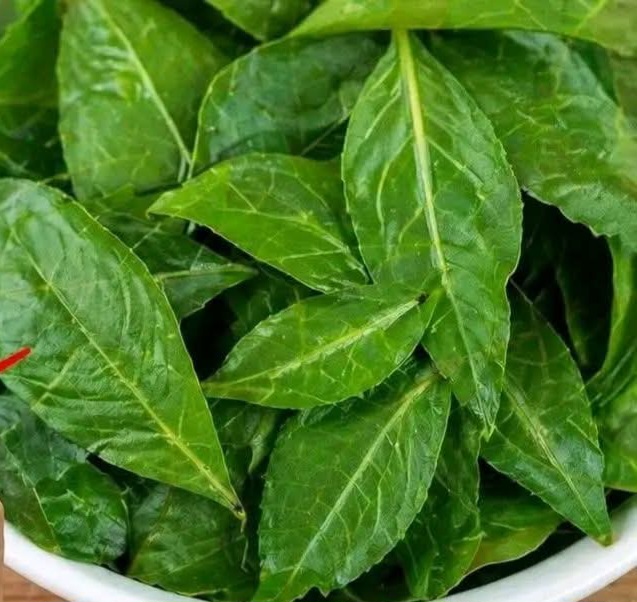
Guava Leaf Tea Health Benefits Safe Preparation and Medical Facts
Guava leaves (Psidium guajava) have a rich history in traditional herbal remedies across tropical and subtropical regions. Long appreciated for their aromatic profile and natural plant compounds, tea made from fresh or dried guava leaves is popular among wellness enthusiasts seeking comforting, botanical-based beverages.
In this comprehensive guide, we examine the profile of guava leaves, potential health benefits backed by preliminary research, step-by-step instructions for preparing homemade guava leaf tea, and vital safety considerations regarding metabolic health and circulation.
What Are Guava Leaves?
Guava leaves come from the Psidium guajava tree, an evergreen shrub native to Central and South America now widely cultivated across Asia, Africa, and the Americas. While the fruit is celebrated for its sweet taste and high vitamin C content, the leaves contain concentrated amounts of bioactive phytochemicals.
Key Bioactive Compounds in Guava Leaves
- Flavonoids (Quercetin): Naturally occurring antioxidants that help neutralize free radicals and support cellular health.
- Polyphenols & Tannins: Plant compounds responsible for the leaf’s astringent qualities, often studied for their effects on digestive stability.
- Carotenoids: Plant pigments that contribute to antioxidant defense mechanisms within body tissues.
- Essential Oils: Volatile aromatic compounds like caryophyllene and cineole that give the infused tea its subtle, earthy aroma.
Potential Wellness Benefits of Guava Leaf Tea
While herbs should never replace standard medical care, incorporating guava leaf tea into a balanced daily routine may offer mild supportive benefits.
1. Digestive System Support
Guava leaf extract has traditionally been used to calm occasional gastrointestinal distress. The natural tannins present in the leaves exert a mild astringent effect on the digestive tract, helping to soothe minor stomach discomfort.
2. Antioxidant Protection
The high concentration of polyphenols and quercetin in guava leaves provides robust antioxidant activity. Consuming antioxidant-rich beverages helps protect cells against oxidative stress caused by daily environmental stressors.
3. Gentle Support for Blood Sugar Balance
Preliminary laboratory and clinical studies suggest that polyphenols in guava leaf tea may inhibit specific enzymes involved in carbohydrate absorption, potentially assisting in steady post-meal glucose absorption. However, this is a gentle dietary effect, not a treatment for metabolic disease.
4. Soothing Respiratory Comfort
Warm herbal infusions like guava leaf tea can help soothe dry throat irritation during seasonal weather changes, providing warmth and hydrational support.
Important Medical Disclaimer & Evidence-Based Realities
Sensational social media images frequently make bold claims that a single leaf can “destroy diabetes,” “eliminate high blood pressure,” or cure severe circulatory disorders like varicose veins or peripheral neuropathy. It is crucial to view these claims through a scientific lens:
- Herbs Do Not Cure Chronic Conditions: Diabetes mellitus, hypertension (high blood pressure), hypercholesterolemia, and vascular conditions are complex medical disorders requiring formal medical evaluation, ongoing monitoring, lifestyle changes, and often prescription medication.
- Potential Medication Interactions: Because guava leaf extracts may mildly affect blood sugar level absorption, drinking large amounts alongside diabetes medications could theoretically increase the risk of hypoglycemia (low blood sugar).
- Circulatory and Nerve Health Care: Severe leg discoloration, poor circulation, or chronic pain in the extremities require diagnosis by a medical professional or vascular specialist to prevent serious complications.
How to Prepare Fresh Guava Leaf Tea at Home
Making a clean, refreshing herbal tea from guava leaves is straightforward and can be done using fresh or dried leaves.
Ingredients
- 5 to 6 fresh young guava leaves (or 1 to 2 teaspoons of dried, food-grade guava leaf powder)
- 2 cups of fresh filtered water
- 1 teaspoon of raw honey or a slice of lemon (optional, for flavor)
Step-by-Step Preparation
- Clean the Leaves Thoroughly: Wash fresh guava leaves under cold running water to remove any soil, dust, or residue.
- Boil the Water: Bring 2 cups of water to a gentle boil in a small saucepan.
- Add Leaves and Simmer: Add the cleaned guava leaves to the boiling water. Lower the heat and let them simmer gently for 10 to 12 minutes.
- Strain the Tea: Remove the pan from heat and strain the liquid through a fine mesh sieve into your favorite mug.
- Serve and Enjoy: Allow the tea to cool to a comfortable drinking temperature. Add honey or a squeeze of lemon if desired, and enjoy warm.
Healthy Lifestyle Strategies for Heart and Circulation Care
Maintaining healthy blood sugar levels, normal blood pressure, and strong blood circulation relies on comprehensive lifestyle habits:
- Adopt a Nutrient-Dense Diet: Focus on whole foods, including high-fiber vegetables, lean proteins, whole grains, and healthy fats while reducing processed sugars and sodium.
- Stay Physically Active: Engage in regular aerobic exercises, such as walking, swimming, or cycling, for at least 150 minutes per week to support heart health and lower body circulation.
- Monitor Health Metrics: Schedule routine checkups with your doctor to monitor fasting blood glucose, HbA1c, blood pressure, and lipid panels.
- Maintain Daily Hydration: Drink plenty of water throughout the day to support blood volume and healthy systemic circulation.
Precautions and Safety Guidelines
While guava leaf tea is generally considered safe for most healthy adults when consumed in moderation (1–2 cups per day), consider the following guidelines:
- Pregnancy and Breastfeeding: Consult a qualified healthcare professional before consuming herbal remedies or concentrated infusions during pregnancy or lactation.
- Surgery: Discontinue use of herbal teas at least two weeks before scheduled surgical procedures to avoid potential interference with blood glucose control or blood pressure management.
- Consult Your Doctor: Always speak with your primary physician before using herbal teas as a functional supplement, especially if you take prescription medications for diabetes, high blood pressure, or cholesterol.
Conclusion
Guava leaf tea offers a delightfully earthy flavor and a range of mild antioxidant benefits that fit seamlessly into a mindful wellness routine. While it provides gentle digestive and hydrational support, it works best as part of an overall healthy lifestyle rather than a quick fix for chronic conditions. Enjoying a warm cup of guava leaf tea can be a relaxing daily ritual that complements balanced nutrition, active living, and guidance from your medical team.