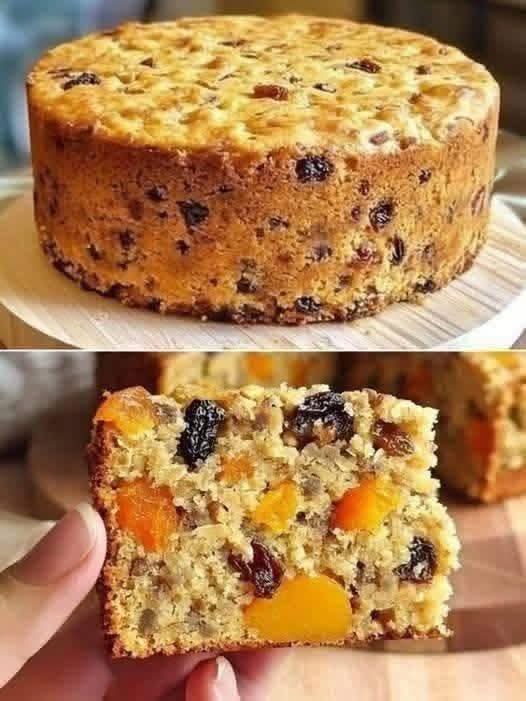
Ultimate Old Fashioned Boiled Fruitcake Moist Tender and Easy
Few holiday baked goods evoke as much tradition and nostalgia as a rich, old-fashioned fruitcake. Unlike store-bought varieties that are often dense or overly dry, this classic boiled fruitcake is wonderfully moist, tender, and packed with naturally sweet dried fruits. By simmering dried apricots, raisins, sultanas, and cozy spices in liquid before baking, the fruit plump up and infuse the batter with incredible moisture and depth of flavor. In this comprehensive, long-form guide, we will cover everything you need to know to make a foolproof, tender fruitcake at home, complete with essential baking tips, flavor variations, and storage techniques.
Why You Will Love This Old-Fashioned Fruitcake Recipe
If you think you do not like fruitcake, this boiled fruitcake recipe will completely change your perspective.
- Exceptionally Moist Texture: Boiling the dried fruits plumps them up with liquid, ensuring every bite of cake remains tender and moist for weeks.
- Simple, No-Fuss Preparation: No complicated creaming methods or egg-white whipping required—just simmer, mix, and bake.
- Naturally Flavored and Customizable: Packed with dried apricots, raisins, citrus zest, and warm spices like cinnamon and nutmeg, you can tailor the fruit mix to your family’s preferences.
- Incredible Shelf Life: Fruitcakes mature and develop deeper flavors as they sit, making them ideal to bake well ahead of the busy holiday season.
Key Ingredients for the Best Fruitcake
To achieve the beautiful crumb and rich fruit distribution shown in the image, selecting quality ingredients is essential.
1. Dried Fruits
- Dried Apricots: Chopped into bite-sized pieces for bursts of tangy-sweet flavor and bright golden color.
- Raisins and Sultanas: Dark raisins and golden sultanas add natural sweetness and juicy texture.
- Mixed Citrus Peel (Optional): Adds a subtle zestiness to balance the richness of the dried fruits.
2. The Liquid Base
- Tea, Fruit Juice, or Water: Strong black tea, orange juice, or water serves as the simmering liquid to plump the fruit.
- Unsalted Butter: Adds richness, flavor, and a tender structure to the cake.
3. Dry Ingredients and Spices
- All-Purpose Flour or Self-Rising Flour: Provides the structure needed to suspend the heavy fruits throughout the batter.
- Brown Sugar: Adds deep caramel notes and extra moisture.
- Warm Spices: Ground cinnamon, nutmeg, allspice, and ground ginger complement the sweet fruits.
- Eggs: Binds the batter together while giving the cake a soft, sliceable texture.
Step-by-Step Instructions
Follow these clear, detailed steps to bake a tender, flavorful fruitcake.
Step 1: Simmer the Fruit and Butter
In a large saucepan, combine 3 cups of mixed dried fruits (chopped apricots, raisins, and sultanas), 1 cup of dark brown sugar, ½ cup of unsalted butter, 1 teaspoon of ground cinnamon, ½ teaspoon of ground nutmeg, and 1 cup of strong black tea or orange juice. Bring the mixture to a gentle boil over medium heat, stirring until the sugar and butter dissolve completely. Reduce the heat and simmer for 5 to 10 minutes. Remove the saucepan from the heat and allow the mixture to cool to room temperature. Cooling is critical so hot liquid does not scramble the eggs later.
Step 2: Prep Your Cake Pan and Oven
Preheat your oven to 300°F (150°C). Grease a deep 8-inch round cake pan or loaf pan. Line the bottom and sides with a double layer of baking parchment paper, allowing the paper to extend about 1 inch above the top rim of the pan. Lining the pan protects the outer edges of the cake during its long, low-temperature bake.
Step 3: Mix in the Eggs and Flour
Once the fruit mixture has cooled completely, beat 2 large room-temperature eggs into the pan until combined. Sift 2 cups of all-purpose flour, 1 teaspoon of baking powder, and a pinch of salt directly over the fruit mixture. Fold everything together with a large spatula or wooden spoon just until no dry flour streaks remain. Avoid overmixing to keep the cake crumb tender.
Step 4: Transfer and Smooth
Spoon the thick fruitcake batter into your prepared pan. Use the back of a spoon or an offset spatula to press the batter down evenly into the corners and smooth the top surface. Tap the pan gently on the counter to release any trapped air bubbles.
Step 5: Bake Low and Slow
Bake at 300°F (150°C) for 1 hour and 30 minutes to 1 hour and 45 minutes, or until a long wooden skewer inserted into the center comes out clean or with just a few moist crumbs. If the top of the cake begins to brown too quickly during baking, loosely cover the pan with a sheet of aluminum foil.
Step 6: Cool and Mature
Remove the cake from the oven and allow it to cool in the pan on a wire rack for 30 minutes. Use the parchment paper overhang to gently lift the cake out of the pan, then let it cool completely on the rack.
Pro Tips for Perfect Fruitcake Every Time
- Cool the Simmered Fruit: Never add eggs to hot liquid, or they will cook immediately and alter the texture of your batter.
- Bake at Low Temperature: Fruitcake contains a high concentration of sugar from the dried fruits; baking at a low temperature prevents the outside from scorching before the center cooks through.
- Double-Line the Pan: Lining your cake tin with two layers of parchment paper insulates the batter, keeping the sides soft and golden brown rather than dark and hard.
Flavor Variations and Add-Ins
- Nutty Crunch: Fold in 1 cup of chopped walnuts, pecans, or slivered almonds during Step 3 for extra texture.
- Traditional Spiced Brandy: Once the cake is completely cool, poke small holes over the top with a skewer and brush with 2 to 3 tablespoons of brandy, rum, or sherry for classic festive flavor.
- Tropical Twist: Replace half of the raisins with chopped dried mango, papaya, and toasted coconut flakes.
Storage and Maturing Guidelines
How to Store Fresh Fruitcake
Wrap the completely cooled fruitcake tightly in a layer of parchment paper, followed by a layer of aluminum foil. Store it in an airtight container in a cool, dark pantry for up to 1 month.
How to Freeze
To freeze for longer storage, wrap individual slices or the entire whole cake tightly in plastic wrap and aluminum foil. Freeze for up to 6 months. Thaw wrapped at room temperature overnight before serving.
Frequently Asked Questions
Why did my fruit sink to the bottom of the cake?
Fruits sink when the batter is too thin or the fruits are too heavy and wet. Simmering the fruit plumps it up, and using the correct ratio of flour produces a thick batter capable of suspending chopped fruits evenly throughout the cake.
Can I make this fruitcake alcohol-free?
Yes! This recipe relies on tea, fruit juice, or water for moisture, making it completely alcohol-free while remaining moist and flavorful.
How far in advance can I make fruitcake?
Boiled fruitcakes can be baked 2 to 4 weeks in advance. The flavor and texture actually improve over time as the fruits mature within the baked crumb.
Conclusion
This old-fashioned boiled fruitcake proves that traditional holiday baking can be simple, moist, and delicious. With its sweet dried apricots, juicy raisins, warm cinnamon spice, and tender crumb, it makes a wonderful centerpiece for holiday teas, family gatherings, or homemade gifts. Bake a loaf today, let the delicious aroma fill your kitchen, and enjoy a classic slice of homemade comfort!