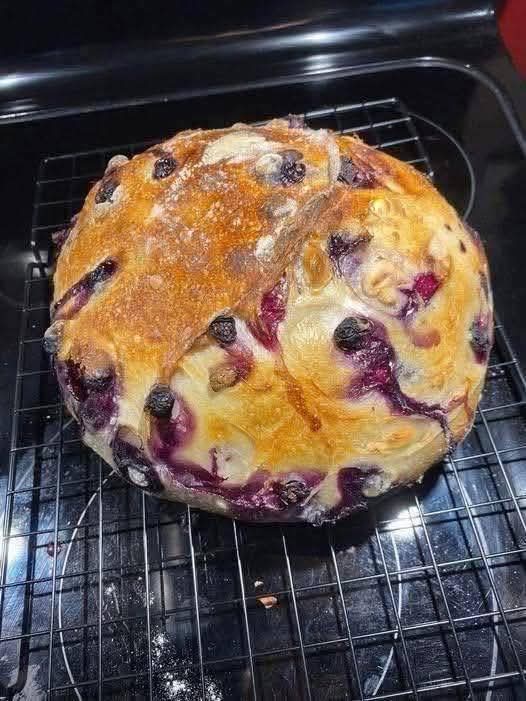
Artisan Blueberry Lemon Sourdough Bread Recipe
Lemon Blueberry Artisan Sourdough Bread Recipe
Few artisan bakes capture the beauty of homemade bread quite like a freshly baked sourdough boule studded with juicy blueberries. With a golden, blistering crust, an open, chewy crumb, and bursts of sweet fruit balanced by subtle citrus zests, this lemon blueberry sourdough bread is a true showstopper. Whether you are an experienced sourdough baker looking to elevate your inclusion loaves or a home baker eager to master fruit-studded artisan bread, this comprehensive recipe will guide you to perfection.
In this detailed post, you will learn the step-by-step process of preparing, laminating, shaping, and baking a blueberry sourdough loaf. We will cover key timing strategies, tips for managing dough hydration, and expert secrets to ensure your inclusions stay evenly distributed without weighing down the dough’s rise.
Why You Will Love This Artisan Blueberry Sourdough
Artisan sourdough bread making is a deeply rewarding culinary art. Adding fresh or dried fruits to a classic sourdough base creates a wonderful contrast of natural tanginess, rich sweetness, and vibrant color.
Here is why this recipe will quickly become a favorite in your baking schedule:
- Stunning Visual Appeal: Swirls of deep purple blueberry juices and golden-brown blistered crust make this loaf a gorgeous centerpiece for any table.
- Balanced Flavor Profile: The natural acidity of wild yeast sourdough pairs seamlessly with sweet juicy blueberries and bright lemon zest.
- Crispy Crust & Tender Crumb: High-heat Dutch oven baking produces a blistered, crackly crust while preserving a moist, airy interior crumb.
- Naturally Leavened: Relies entirely on active sourdough starter for optimal digestibility and complex flavor development.
- Perfect for Sweet & Savory Pairings: Slices beautifully for morning toast with salted butter, cream cheese spreads, or French toast preparations.
Essential Ingredients and Tools
Baking a high-hydration artisan sourdough loaf requires specific ingredients and basic equipment to achieve maximum oven spring and structure.
Active Sourdough Starter
A vibrant, mature sourdough starter fed 4 to 6 hours prior to mixing is essential. Your starter should be at its peak height, bubbly, and light enough to pass the float test in water.
High-Protein Bread Flour
Bread flour with a protein content of 12% to 14% builds a strong gluten network capable of supporting the weight of juicy fruit inclusions. You can also substitute up to 10% or 15% whole wheat flour for added earthy depth.
Blueberries: Fresh vs. Dried vs. Frozen
Choosing the right blueberries impacts moisture control in your dough:
- Fresh Blueberries: Provide vibrant juicy bursts and gorgeous purple swirls throughout the crumb. Handle gently during folding to prevent over-crushing.
- Dried Blueberries: Offer concentrated sweet flavor and absorb excess dough liquid without adding extra moisture, making them easier to handle for beginners.
- Frozen Blueberries: Work well, but must be folded into the dough directly from the freezer to prevent excessive color bleeding and wet spots.
Lemon Zest and Pure Vanilla Extract
Freshly grated lemon zest cuts through the richness of the bread and brightens the blueberry flavor. Adding a splash of pure vanilla extract or a touch of honey elevates the natural sweetness without turning the dough into a cake.
Non-Iodized Fine Sea Salt
Salt strengthens gluten bonds, regulates fermentation speed, and brings out the vibrant flavor of the grains and fruits.
Essential Equipment
- Dutch Oven: A heavy cast-iron Dutch oven with a lid retains moisture and steam, creating a crisp, thin, blistered crust.
- Banneton Proofing Basket: Holds dough structure during long cold fermentation.
- Lame or Razor Blade: Used to score a clean slice across the top crust to direct expansion during baking.
- Parchment Paper: Simplifies transferring dough safely into the piping-hot pot.
Step-by-Step Baking Instructions
Step 1: Prepare the Autolyse
In a large glass bowl, combine 400g of bread flour with 275g of lukewarm filtered water. Stir with a dough whisk or your hands until no dry flour remains. Cover the bowl and let it rest for 45 minutes to 1 hour. This autolyse phase hydrates the flour particles and initiates gluten formation naturally.
Step 2: Mix the Dough and Salt
Add 80g of active, bubbly sourdough starter to the bowl along with 9g of fine sea salt and 1 teaspoon of freshly grated lemon zest. Knead gently using stretch-and-folds inside the bowl until the starter and salt are thoroughly incorporated. Cover and rest for 30 minutes.
Step 3: Stretch and Fold Phase
Perform 3 sets of stretch-and-folds spaced 30 minutes apart. To perform a stretch-and-fold, wet your hands, reach under one side of the dough, pull it upward, and fold it over its center. Rotate the bowl 90 degrees and repeat on all four quadrants.
Step 4: Laminate and Fold in the Blueberries
After the third stretch-and-fold set, turn the dough onto a clean, lightly wet work surface. Gently stretch the dough outward into a thin, large rectangle without tearing the surface.
Scatter 1 cup of fresh or dried blueberries evenly across the stretched surface. Lightly dust with 1 tablespoon of coarse sugar or additional lemon zest if desired.
Fold one-third of the dough inward like a letter, fold the opposite third over it, and roll the long strip into a tight coil to trap the fruit inside. Transfer the dough back to your mixing bowl to continue bulk fermentation.
Step 5: Complete Bulk Fermentation and Shaping
Allow the dough to ferment at room temperature until it has increased in volume by roughly 30% to 50%, showing rounded edges and surface bubbles.
Turn the fermented dough onto a lightly floured surface. Gently shape into a tight round boule by pulling the dough toward yourself on the counter to create surface tension.
Dust a banneton basket with rice flour or cornstarch. Place the shaped dough top-side down into the basket. Cover tightly and place in the refrigerator for a cold retard phase of 12 to 16 hours.
Step 6: Bake in a Dutch Oven
Place your Dutch oven with its lid inside the oven and preheat to 450°F (230°C) for at least 45 minutes.
Invert the chilled sourdough dough onto a sheet of parchment paper. Use a sharp baker’s lame to score a long, confident slit across the top of the loaf at a 45-degree angle.
Carefully transfer the paper and dough into the hot Dutch oven. Drop two small ice cubes underneath the parchment paper to create extra steam, then cover immediately with the lid.
Bake covered for 25 minutes. Remove the lid, lower the oven temperature to 425°F (220°C), and bake uncovered for an additional 20 to 25 minutes until the crust is deeply golden brown with crisp, dark edges around the scored opening.
Step 7: Cool Completely
Carefully lift the loaf out of the pot using the parchment paper and place it on a wire cooling rack. Allow the bread to cool for at least 2 hours before slicing. Slicing warm fruit sourdough compresses the crumb and creates a gummy texture.
Secrets to Success with Fruit Inclusions
Adding fruits to sourdough introduces unique baking variables. Master these key rules to ensure optimal results:
- Manage Moisture: Fresh fruit releases water as it bakes. Reduce your base dough hydration by 2% to 5% when using fresh blueberries to prevent a sticky, gummy center.
- Coated Fruit Prevents Bleeding: Tossing fresh blueberries lightly in a teaspoon of flour before laminating creates a thin protective barrier that limits juice bleeding into the raw dough.
- Score with Confidence: Scored cuts allow steam trapped by wet fruit inclusions to escape during initial oven spring, preventing burst seams.
- Maintain Strong Surface Tension: Shaping a tight, smooth outer skin during boule preparation prevents berries from bursting through the top surface and scorching on the hot pot.
Creative Flavor Variations
Customize your fruit sourdough loaves with complementary spices and nuts:
- Blueberry Walnut Sourdough: Add 1/2 cup of toasted, chopped walnuts along with blueberries for a rich, crunchy texture contrast.
- Lemon Thyme & Blueberry: Fold in 1 teaspoon of fresh chopped thyme leaves alongside lemon zest for a subtle herbal twist.
- White Chocolate Blueberry: Add 1/2 cup of high-quality white chocolate chips during lamination for a sweet dessert loaf.
Storage and Freezing Instructions
- Room Temperature Storage: Keep sliced or whole bread wrapped in a linen bag, paper bag, or cut-side down on a wooden cutting board for 3 to 4 days. Avoid airtight plastic bags, which soften the crispy crust.
- Freezing Sliced Bread: Slice the fully cooled loaf, place parchment paper sheets between slices, and seal in a freezer-safe zip bag for up to 3 months. Toast individual slices straight from frozen.
Frequently Asked Questions
Can I use frozen blueberries for sourdough bread?
Yes, you can use frozen blueberries! Add them directly from the freezer into the dough during the lamination step without thawing. Thawing frozen berries releases excess liquid that makes the dough slippery and wet.
Why is my fruit sourdough loaf dense or gummy inside?
Gummy crumb typically stems from cutting the bread while it is still warm or from excess moisture released by fresh fruit. Allow the loaf to cool completely on a rack for a minimum of 2 hours so starches can set properly before slicing.
How do I prevent berries from burning on the crust?
Ensure berries are tucked under the top layer of dough during final shaping. Any exposed berries on the top skin can scorch in a hot oven. If berries are exposed, gently push them slightly under the dough skin before scoring.
Conclusion
This Artisan Blueberry Lemon Sourdough Bread offers an incredible balance of rustic baking tradition and vibrant fruit flavors. With its blistered golden crust, airy crumb, and pockets of juicy blueberries infused with fresh lemon, it represents artisan baking at its absolute finest. By maintaining proper dough structure, managing hydration, and allowing a long cold fermentation, you can bake bakery-quality fruit sourdough right in your home oven. Save this recipe for your next sourdough baking day and enjoy an unforgettable homemade loaf!