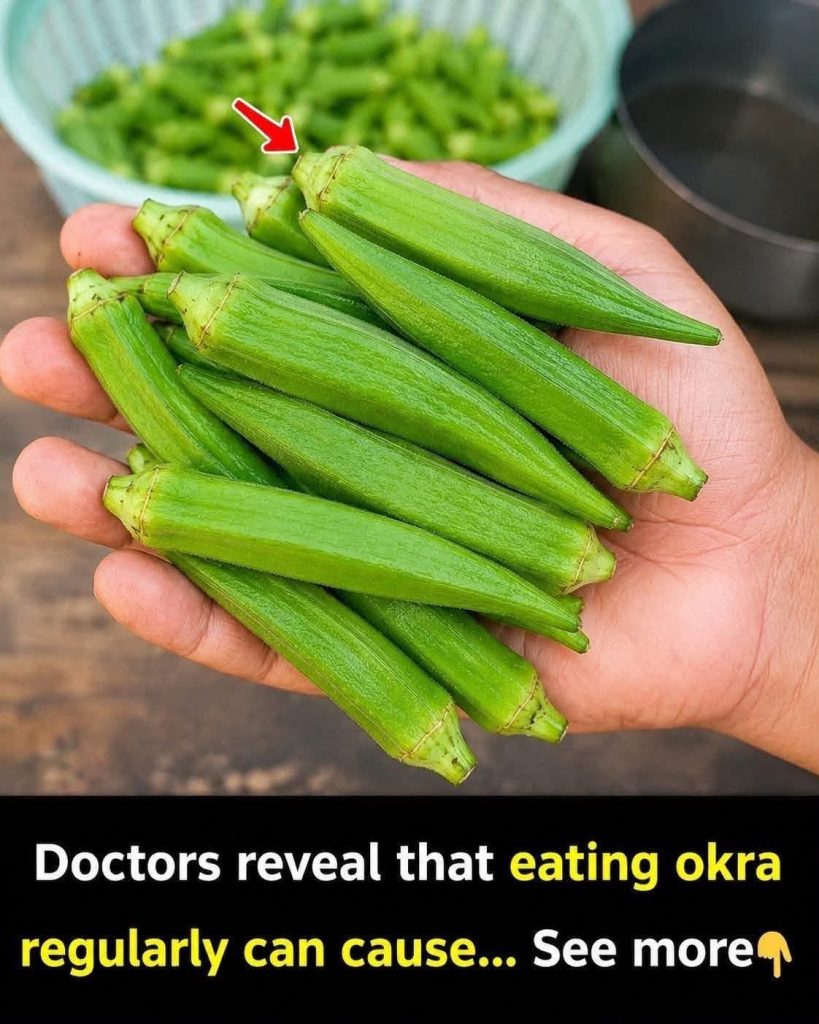
The Ultimate Guide to Cooking Fresh Okra Health Benefits Culinary Tips, and Crispy Garlic Okra Recipe
Okra is one of the most vibrant, versatile, and nutrient-dense vegetables you can harvest from the garden or pick up at the farmer’s market. Frequently featured in Southern, Indian, Middle Eastern, and Mediterranean cooking, tender green okra pods offer a delicate, earthy flavor paired with an exceptional nutritional profile. Despite its rich history and immense health benefits, okra sometimes gets a mixed reputation due to its natural mucilage—the viscous substance inside the pod that can make it slimy if prepared incorrectly. However, when cooked with proper techniques, fresh okra transforms into a wonderfully tender, crispy, or deliciously savory dish that elevates any meal. In this ultimate long-form guide, we will explore the incredible culinary versatility of okra, reveal how to eliminate unwanted sliminess, break down its evidence-based health benefits, and share a foolproof garlic roasted okra recipe that will impress even the most skeptical eaters.
Why Fresh Okra Deserves a Spot in Your Weekly Diet
Incorporating fresh okra into your regular routine is a fantastic choice for both flavor and wellness.
First, okra is exceptionally rich in essential vitamins, minerals, and dietary fiber. It is packed with vitamin C for immune defense, vitamin K for bone health and blood clotting, and folate for cellular energy. Additionally, okra contains powerful antioxidants like polyphenols and flavonoids that help protect cells against oxidative stress.
Second, okra is remarkably low in calories while being high in soluble fiber. The unique soluble fiber contained within okra pods aids digestion, promotes gut health, and helps maintain feeling full for longer periods, making it an excellent vegetable for weight management and metabolic health.
Finally, okra is a dream ingredient for home cooks and gardeners alike. It pairs effortlessly with tomatoes, garlic, onion, spices, and acid like lemon juice or vinegar, allowing it to adapt to countless global culinary traditions.
Key Health Benefits of Eating Okra Regularly
Health enthusiasts and nutrition specialists frequently highlight okra as a superfood due to its unique biochemical makeup.
Supporting Digestive and Gut Health
The natural soluble fiber and mucilage found in okra act as a gentle demulcent for the gastrointestinal tract. This fiber helps nourish beneficial gut bacteria, supports smooth digestion, and assists in maintaining overall digestive regularity.
Managing Blood Sugar and Insulin Levels
Research suggests that compounds in okra can help moderate glucose absorption in the digestive tract. By slowing down the digestion of carbohydrates, eating okra regularly helps prevent rapid spikes in blood sugar following meals, supporting stable energy throughout the day.
Promoting Heart Health and Cholesterol Management
The mucilaginous fiber in okra binds to cholesterol during digestion, helping your body excrete it naturally rather than absorbing it into the bloodstream. Combined with high levels of potassium and antioxidants, okra contributes positively to cardiovascular system support.
The Secret to Cooking Okra Without Sliminess
The number one question home cooks ask about okra is how to cook it without it turning slimy or viscous. The secret lies in simple culinary science and moisture management.
Tip 1: Keep Pods Completely Dry Before Cooking
Moisture is the primary catalyst that triggers mucilage release. Wash your okra pods well ahead of time and pat them thoroughly dry with paper towels or a clean cloth before slicing. Never cut wet okra.
Tip 2: Cook at High Heat and Cook Fast
High-heat cooking methods such as roasting, pan-searing, grilling, or air-frying break down the mucilage rapidly and brown the exterior before slime can build up. Low-and-slow simmering in wet environments will produce a stew-like consistency, whereas high dry heat guarantees crispiness.
Tip 3: Incorporate Acidic Ingredients
Acid is a chemical naturalizer for okra’s mucilage. Cooking okra alongside tomatoes, lemon juice, lime juice, tamarind, or a splash of apple cider vinegar breaks down the viscous compounds, resulting in a clean, tender texture and bright flavor.
Step-by-Step Guide to Crispy Garlic Roasted Okra
Follow this effortless oven-roasting method to turn simple okra pods into a crunchy, irresistible side dish or healthy snack.
Step 1: Selection and Washing
Select small-to-medium okra pods that are bright green, firm, and free of dark spots. Smaller pods (2 to 3 inches long) are tender and far less fibrous than large, overgrown pods. Wash them gently in cold water and dry each pod completely.
Step 2: Trimming and Slicing
Using a sharp knife, trim off the stem ends without exposing the internal seeds if you want to keep them whole, or slice them lengthwise into halves to maximize caramelized surface area.
Step 3: Seasoning and Oil Coating
In a large bowl, toss the sliced okra with extra virgin olive oil or avocado oil until lightly and evenly coated. Season generously with sea salt, freshly cracked black pepper, garlic powder, smoked paprika, and a touch of cumin.
Step 4: High-Heat Oven Roasting
Spread the seasoned okra in a single layer on a parchment-lined baking sheet, ensuring the pods do not overlap or overcrowd. Roast in a preheated oven at 425°F (220°C) for 18 to 22 minutes, flipping halfway through, until the edges are dark golden brown and crispy.
Step 5: Finishing Touch
Remove from the oven, squeeze fresh lemon juice over the hot roasted okra, and serve immediately as a side dish or snack.
Frequently Asked Questions About Okra
Can you eat okra raw?
Yes, young, tender okra pods can be eaten raw. Thinly sliced raw okra adds a delightful crunch to fresh garden salads, especially when paired with a bright lemon vinaigrette.
How do I store fresh okra so it stays fresh?
Store unwashed, dry okra pods in a paper bag or wrapped in a paper towel inside the crisp drawer of your refrigerator. Fresh okra is best consumed within 3 to 5 days of purchase or harvesting.
Can I freeze fresh okra for later use?
To freeze fresh okra, wash and dry the pods, trim the stems, and blanch them in boiling water for 2 minutes. Plunge them into an ice bath, dry thoroughly, slice into rounds, and flash-freeze on a baking sheet before transferring to airtight freezer bags for up to 9 months.
Complete Crispy Garlic Roasted Okra Recipe Card
Ingredients
- 1 pound fresh green okra pods, washed and thoroughly dried
- 2 tablespoons extra virgin olive oil or avocado oil
- 3 cloves garlic, finely minced (or 1 teaspoon garlic powder)
- 1/2 teaspoon smoked paprika
- 1/2 teaspoon fine sea salt
- 1/4 teaspoon freshly cracked black pepper
- 1/2 lemon, cut into wedges for serving
Instructions
- Preheat your oven to 425°F (220°C) and line a large baking sheet with parchment paper.
- Ensure the okra pods are completely dry. Trim off the top stems and cut each pod in half lengthwise.
- Place trimmed okra in a mixing bowl, drizzle with olive oil, and toss to coat evenly.
- Add minced garlic, smoked paprika, sea salt, and black pepper; toss until spices are distributed.
- Arrange okra cut-side down in a single layer on the prepared baking sheet without overcrowding.
- Bake for 18 to 22 minutes, turning halfway through, until edges are browned and crispy.
- Transfer to a serving dish, squeeze fresh lemon juice on top, and enjoy warm.
Mastering fresh okra is one of the most rewarding additions to your healthy cooking repertoire. With high-heat roasting, vibrant garlic seasonings, and a splash of lemon, you can transform fresh garden okra into a crispy, flavor-packed dish that everyone at your table will love.