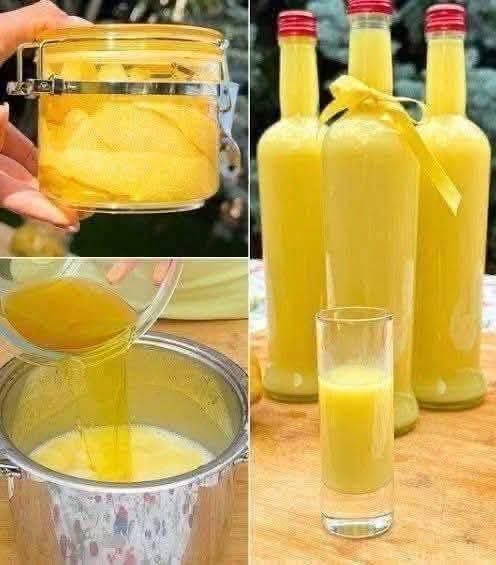
The Ultimate Homemade Crema di Limoncello Recipe Crafting Italy s Velvet Lemon Liqueur
There is nothing quite like the bright, sun-kissed flavor of traditional Italian Limoncello, but its smooth, decadent sibling—Crema di Limoncello—takes citrus liqueur to an entirely new level of indulgence. Originating from the picturesque Amalfi Coast and Southern Italy, this rich liqueur combines the vibrant zest of fresh lemons with a silky, velvet cream base. While commercial versions are readily available on store shelves, nothing compares to the lush texture, vibrant aroma, and balanced sweetness of a batch crafted entirely by hand in your own kitchen.
Making Crema di Limoncello at home is both an art and a deeply rewarding culinary project. By slowly infusing high-proof neutral spirits with organic lemon peels, you extract pure essential oils that deliver an intense citrus punch. When combined with a cooked cream and milk syrup, the resulting liqueur becomes ultra-creamy, perfectly balanced, and strikingly delicious. In this comprehensive guide, we will explore the history of Crema di Limoncello, detail every ingredient and step of the process, troubleshoot common homemade liqueur mistakes, and share expert tips to help you achieve a restaurant-quality digestif every single time.
Why You Will Love Making Homemade Crema di Limoncello
Making your own liqueurs at home offers total control over flavor, sweetness, and ingredient quality. Many mass-produced cream liqueurs rely on artificial yellow colorings, thickeners, and excessive preservatives that leave a heavy, synthetic aftertaste. Crafting your batch from scratch eliminates these additives, leaving you with a clean, natural liqueur that highlights fresh citrus and rich dairy.
Furthermore, Crema di Limoncello makes an exceptional, high-end gift for holidays, dinner parties, and summer gatherings. Stored in elegant glass bottles with decorative ribbons, a bottle of handmade citrus cream demonstrates thought, patience, and culinary flair. Best of all, the active preparation time is surprisingly minimal—the real magic happens while the lemon peels soak quietly in high-proof spirit over several days.
The Essential Ingredients: Quality Matters
Because Crema di Limoncello relies on a minimal list of ingredients, the quality of each component directly impacts your final result. Choosing premium ingredients ensures your liqueur reaches the proper emulsification, alcohol balance, and creamy mouthfeel.
1. The Lemons
The lemon peel is the heart of this recipe. You will need 10 to 12 large organic, unwaxed lemons. Since the alcohol extracts oils directly from the outer skin, it is critical to use lemons free from pesticides, chemical sprays, and synthetic wax coatings. Traditional Italian recipes favor Sorrento or Amalfi lemons due to their thick, fragrant rinds rich in essential oils. If specific Italian varieties are unavailable, standard organic Eureka or Lisbon lemons work beautifully. Look for lemons that are firm, bright yellow, and highly aromatic.
2. The Alcohol Base
To extract the maximum amount of aromatic citrus oil, use 750 ml of high-proof grain alcohol (such as Everclear 151 or 190 proof / 75% to 95% ABV). High-proof spirit acts as a solvent, pulling out the vivid yellow color and essential oils without adding competing flavors. If grain alcohol is restricted in your region, a high-proof 100-proof (50% ABV) premium vodka can be used, though you may want to extend the infusion period by a few days to ensure deep flavor extraction.
3. The Dairy Components
The classic velvety texture requires a balance between liquid milk and heavy cream. We recommend using 1 liter (4 cups) of whole milk combined with 500 ml (2 cups) of heavy whipping cream (36% fat content). Whole milk provides liquid balance and keeps the drink pourable, while heavy cream introduces lush body and prevents the alcohol from overpowering the palate. Avoid ultra-pasteurized low-fat or skim milks, as they lack the fat structure required to emulsify properly with alcohol.
4. Granulated Sugar
You will need 700g to 800g (3 to 3.5 cups) of granulated white sugar. Sugar acts as both a sweetener and a stabilizing agent for the cream base. Plain white granulated sugar is essential here because it dissolves completely without darkening the liqueur’s bright, natural yellow hue.
5. Vanilla Extract or Bean (Optional)
A tiny hint of real vanilla elevates the creamy profile, imparting a subtle “lemon creamsicle” undertone. Adding 1 teaspoon of pure vanilla extract or infusing half a vanilla bean into the warm milk syrup adds complexity without overwhelming the fresh citrus brightness.
Step-by-Step Instructions for Perfect Crema di Limoncello
Follow these clear, detailed steps to prepare, infuse, blend, and bottle your home-crafted lemon cream liqueur.
Step 1: Cleaning and Zesting the Lemons
Wash all lemons thoroughly in lukewarm water, scrubbing gently with a vegetable brush to remove any residual dirt. Dry them completely with a clean kitchen towel.
Using a vegetable peeler or microplane, carefully remove only the bright yellow outer skin (zest) of each lemon. Crucial Tip: Avoid peeling any of the bitter white pith beneath the skin. The white pith contains harsh bitterness that will spoil the smooth sweetness of your liqueur. If necessary, use a small paring knife to scrape away any lingering white pith from the backs of your lemon peels.
Step 2: The Maceration / Infusion Phase
Place all the lemon peels into a clean, airtight 2-liter glass jar. Pour the 750 ml of high-proof alcohol directly over the peels, ensuring every piece is completely submerged.
Seal the jar tightly and store it in a cool, dark place (such as a pantry or dark cabinet) for at least 7 to 14 days. Shake the jar gently once every two days to encourage extraction. Over time, you will notice the alcohol turning a vibrant golden-yellow hue while the lemon peels lose their color and become pale and brittle.
Step 3: Preparing the Sweet Cream Base
Once your alcohol infusion is ready, prepare the cream base. In a large saucepan, combine the whole milk, heavy cream, and granulated sugar. Add the vanilla extract or split vanilla bean if using.
Place the saucepan over medium-low heat and stir continuously until all the sugar has completely dissolved. Bring the mixture to a gentle simmer—do not allow it to come to a full boil. As soon as the sugar dissolves and the milk is hot, remove the pot from the heat.
Allow the milk and cream syrup to cool down completely to room temperature. Never mix hot milk syrup with high-proof alcohol, as the sudden temperature contrast and high proof can cause the dairy proteins to curdle.
Step 4: Straining and Combining
Once the cream base has cooled to room temperature, remove the split vanilla bean (if used). Strain the infused yellow alcohol through a fine-mesh sieve lined with cheesecloth into a large bowl, discarding the spent lemon peels.
Slowly pour the golden lemon alcohol infusion into the cooled cream base while whisking continuously. Watch as the rich cream transforms into a bright, luminous pastel yellow liqueur. Whisk for 1 to 2 minutes to guarantee thorough mixing and complete emulsification.
Step 5: Bottling and Maturation
Using a clean funnel, pour your finished Crema di Limoncello into sterilized glass bottles with swing-top lids or tight screw caps.
Seal the bottles tightly and place them immediately into the refrigerator or freezer. Allow the liqueur to rest in the cold for at least 5 to 7 days before drinking. This brief maturation period allows the alcohol, citrus oils, and dairy fats to mellow and blend into a seamless, velvety texture.
Pro Tips for Culinary Success
- Keep It Frozen: Crema di Limoncello is best served ice-cold. Thanks to the alcohol and sugar content, the liqueur will not freeze solid in a standard home freezer; instead, it thickens into a frosty, velvety nectar.
- Master the Peeling Technique: A standard swivel vegetable peeler is often better than a microplane for this recipe. Long strips of peel are easier to strain out later, whereas finely microplaned zest can leave small speckles in the smooth liquid.
- Control the ABV: If you prefer a lighter, less punchy drink, you can slightly increase the whole milk volume by 1 cup or reduce the overall alcohol proof by using 151 proof instead of 190 proof.
- Avoid Curdling: Always ensure your sugar-milk mixture is 100% cooled to room temperature before pouring in the alcohol base. Acidic citrus elements combined with warmth can destabilize milk proteins.
Troubleshooting Common Crema di Limoncello Issues
Why Is My Liqueur Separating in the Bottle?
Separation into distinct liquid and fat layers is a natural occurrence over extended storage periods because cream contains fat globules that naturally float upward. If you notice a thin layer near the neck of the bottle, simply give the bottle a firm shake before pouring. To minimize separation during crafting, ensure full emulsification by whisking thoroughly during Step 4.
Why Does My Crema di Limoncello Taste Bitter?
Bitterness is almost always caused by white lemon pith entering the alcohol infusion. Next time, take extra care to peel only the top layer of yellow skin. If your current batch is slightly bitter, adding a small amount of simple syrup can help mask the harsh tones.
Why Did The Liqueur Slush Up or Freeze Solid?
If your liqueur freezes solid in the freezer, your alcohol content (ABV) is too low relative to the water volume in the milk. This typically happens if low-proof alcohol (like 80-proof vodka) is used with a high volume of liquid milk. To fix this, store the liqueur in the main compartment of your refrigerator rather than the deep freezer.
Serving Suggestions & Creative Pairings
Crema di Limoncello is traditionally enjoyed as a digestif—a post-dinner drink served in small, chilled pony glasses or shot glasses to aid digestion after a rich meal. However, its versatile flavor profile makes it a stellar addition to various desserts and cocktails.
How to Serve
- Straight from the Freezer: Pour 2 ounces of ice-cold Crema di Limoncello into pre-chilled glasses. Sip slowly as a refreshing finish to an Italian feast.
- Over Artisanal Gelato: Drizzle 1 to 2 tablespoons of cream liqueur over fresh vanilla bean gelato, lemon sorbet, or dark chocolate ice cream for an effortless dessert upgrade.
- Cake Soak: Brush generous amounts over fresh pound cake, angel food cake, or sponge layers before frosting to add moisture and citrus flair.
- Decadent Dessert Cocktails: Shake 2 ounces of Crema di Limoncello with 1 ounce of premium vodka and ice to create a luscious Lemon Drop Cream Martini.
Recipe Variations to Explore
Once you master the classic lemon version, try customizing your cream liqueurs using different fruits and botanical infusions:
- Crema di Arancello: Replace lemon peels with organic orange peels for a sweet, floral citrus liqueur reminiscent of orange creamsicles.
- Crema di Pistacchio: Blend finely ground Sicilian pistachios into the warm milk syrup base alongside lemon peel infusions for a nutty, pale-green digestif.
- Dairy-Free Vegan Crema: Substitute whole milk and heavy cream with full-fat canned coconut milk and unsweetened oat cream. The natural fat in coconut milk creates a luscious texture with a subtle tropical hint.
Storage and Shelf Life Guidelines
Because Crema di Limoncello contains real dairy products, it requires proper storage to maintain freshness and safety.
- Refrigerated Storage: Kept in airtight glass bottles in the refrigerator, Crema di Limoncello will remain fresh and delicious for ** up to 1 to 2 months**.
- Freezer Storage: Stored in the freezer, the combination of alcohol, sugar, and cold temperatures extends the shelf life to up to 6 months.
- Signs of Spoilage: Before serving older batches, visually inspect the bottle. If you notice persistent clumping that does not mix when shaken, sour aromas, or off flavors, discard the bottle and craft a fresh batch.
Frequently Asked Questions (FAQs)
Can I use store-bought lemon juice instead of lemon peels?
No. Crema di Limoncello relies exclusively on the natural essential oils extracted from the outer skin (zest) of the lemon. Lemon juice contains high amounts of citric acid, which will instantly curdle milk and heavy cream when mixed together.
How long should I soak the lemon peels in alcohol?
An infusion period of 7 to 14 days is ideal. Soaking for less than a week will result in a weaker flavor, while infusing longer than 3 weeks extracts harsh, woodsy compounds from the peels without adding beneficial citrus flavor.
Is Crema di Limoncello gluten-free?
Yes, when prepared using pure grain alcohol or grape-based spirits, fresh organic lemons, sugar, and pure dairy cream, Crema di Limoncello is naturally gluten-free. Always check alcohol source labels if you have severe gluten sensitivities.
Final Thoughts
Crafting your own Crema di Limoncello at home is a delight for the senses. From peeling fresh, aromatic lemons to watching clear spirits transform into a pastel yellow cream, every phase of the process yields impressive results. Rich, smooth, and bursting with authentic Italian citrus flavor, this homemade cream liqueur is bound to become a staple in your entertaining repertoire. Gather your lemons, bottle up a batch today, and keep a decanter ready in your freezer for your next dinner gathering!