The Garlic and Salt Teeth Whitening Trend Recipe Claims and What Science Really Says
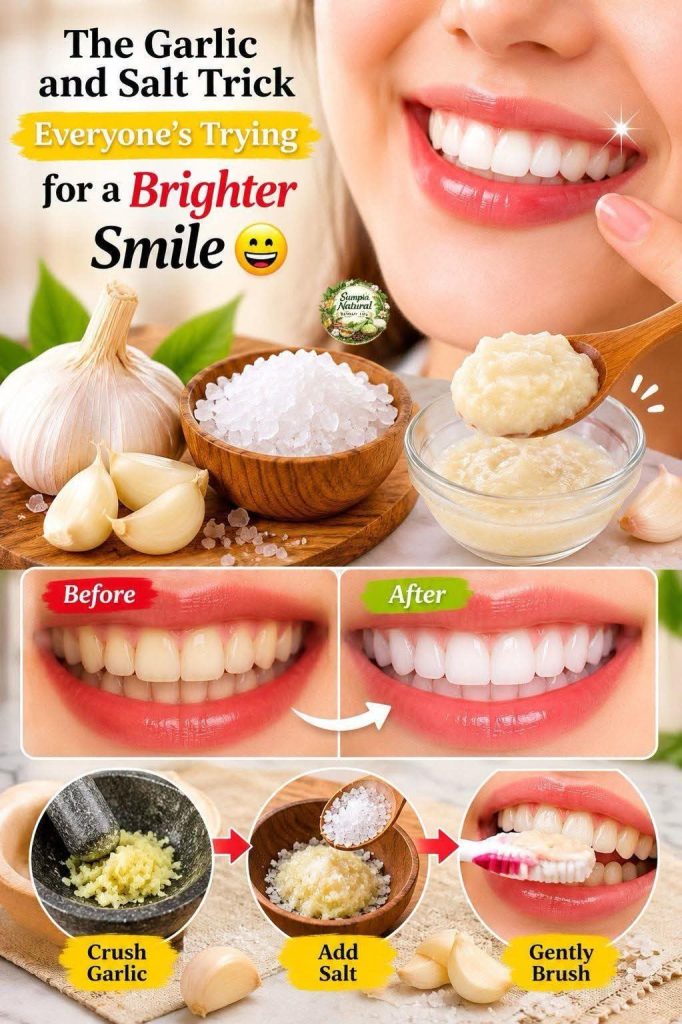
In recent months, social media platforms and lifestyle blogs have been flooded with quick DIY beauty hacks promising dramatic results with everyday kitchen staples. Among the most widely shared trends is the viral garlic and salt teeth whitening trick. Promoted across visual infographics and short videos, this simple two-ingredient formula claims to lift tough stains and deliver a blindingly white smile in a matter of minutes.
For anyone seeking an affordable, chemical-free way to enhance their smile, the idea of using natural ingredients right out of the pantry sounds exceptionally appealing. However, when it comes to oral hygiene and enamel health, not all home remedies are created equal. Before applying kitchen ingredients directly to your teeth, it is essential to understand the recipe, the mechanisms behind these ingredients, and what dental health professionals say about this viral phenomenon.
In this detailed guide, we will break down the exact recipe and method featured in the garlic and salt whitening trend, examine the science behind both ingredients, evaluate potential risks to your enamel and gums, and explore safe, proven alternatives for achieving a radiant smile.
The Garlic and Salt Whitening “Recipe” and Method
The recipe for this viral whitening mixture is straightforward and requires minimal preparation time. Proponents of the trend promote it as a natural paste that combines antibacterial properties with gentle abrasive action.
Ingredients Required for the Paste
- Fresh Garlic: 1 to 2 peeled fresh garlic cloves.
- Coarse or Table Salt: 1/2 teaspoon of salt.
- Optional Additions: Some variations of the online recipe suggest adding a few drops of fresh lemon juice or a small dab of standard toothpaste to create a smoother consistency.
Step-by-Step Preparation and Application
Step 1: Crushing the Garlic. Fresh garlic cloves are placed into a mortar and pestle or finely grated to form a smooth, paste-like pulp. Crushing the garlic activates its natural juices and releases volatile compounds.
Step 2: Mixing with Salt. The crushed garlic pulp is transferred to a small bowl where 1/2 teaspoon of salt is thoroughly stirred in until an abrasive paste forms.
Step 3: Gentle Brushing. Using a soft-bristled toothbrush or a clean fingertip, the mixture is applied directly to the front surfaces of the teeth and brushed gently for 1 to 2 minutes before rinsing thoroughly with warm water.
How the Trend Claims It Works
The popularity of the garlic and salt trick relies heavily on compelling visual graphics and dramatic before-and-after imagery. Promoters argue that the natural sulfur compounds in garlic break down surface bacteria and plaque, while the coarse grains of salt physically scrub away stubborn yellow stains caused by coffee, tea, or food pigments.
The visual transformation depicted in viral posts often shows teeth shifting from noticeably yellow shades to brilliant white after just one application. Because garlic is widely celebrated in traditional medicine for its natural healing properties, many users assume that incorporating it into an oral care routine is entirely harmless and effective.
Examining the Science: Can Garlic and Salt Actually Whiten Teeth?
To evaluate whether this home remedy delivers real cosmetic results, we must examine the chemical composition of both garlic and salt from a biological perspective.
The Role of Garlic and Allicin in Oral Health
Garlic (Allium sativum) has been recognized for centuries for its medicinal properties, largely due to an organosulfur compound called allicin. When garlic is crushed or chopped, allicin is formed, exhibiting strong antimicrobial, antibacterial, and anti-inflammatory qualities.
In dentistry, researchers have studied garlic extracts for their ability to combat oral pathogens like Streptococcus mutans, a primary bacteria responsible for dental caries and plaque formation. While allicin can help reduce harmful bacteria in the mouth, it possesses zero natural bleaching agents. It cannot alter the intrinsic pigment of tooth enamel nor can it chemically break down deep stain molecules beneath the enamel surface. Therefore, while garlic offers antibacterial benefits, it does not physically or chemically whiten teeth.
The Abrasive Nature of Salt on Enamel Structure
Table salt (sodium chloride) consists of small, hard crystalline structures. When applied to a toothbrush and rubbed against hard surfaces, these crystals act as a mechanical abrasive.
While abrasive substances can physically scratch away fresh, soft surface debris or superficial plaque, they do not dissolve chemical stains. Furthermore, the human tooth enamel is not a flat, indestructible surface; it is a delicate microscopic lattice of mineral crystals. Using coarse salt as a daily or weekly scrubbing paste acts like fine sandpaper, wearing down the outer layer of enamel over time.
Potential Health Risks and Hazards of the Garlic and Salt Hack
While the recipe appears simple and natural, applying raw garlic and salt directly to your teeth poses significant health risks that can lead to irreversible dental damage.
1. Permanent Enamel Erosion and Thinning
Tooth enamel is the hard, protective outer shell of your teeth. Unlike skin or bone tissue, enamel contains no living cells and cannot regenerate once it is worn away or destroyed.
Regularly scrubbing teeth with abrasive salt particles physically wears down this protective enamel layer. As the outer enamel thins, the underlying structure of the tooth—known as dentin—becomes exposed. Dentin is naturally yellowish or dark in color. Paradoxically, the more enamel you scrub away with salt, the more yellow your teeth will appear over time as the dark dentin shows through.
2. Tooth Sensitivity and Nerve Exposure
As enamel thins due to harsh abrasive home remedies, the microscopic tubules leading to the tooth’s inner nerve pulp become exposed. This leads to heightened tooth sensitivity, causing sharp discomfort or pain when consuming hot beverages, cold water, sweet foods, or acidic fruits.
3. Chemical Irritation and Severe Gum Burns
Raw garlic contains potent sulfur compounds and organic acids that can cause chemical irritation to soft tissues. Leaving raw garlic paste against the delicate mucosal lining of your gums or tongue can cause painful red inflammation, localized chemical burns, and mouth sores.
4. Halitosis and Persistent Bad Breath
While garlic is celebrated in culinary dishes, raw crushed garlic contains volatile sulfur compounds like diallyl disulfide, which linger in the mouth and lungs long after brushing. Instead of leaving your mouth feeling fresh, using a garlic paste can result in severe, long-lasting bad breath.
Comparing Whitening Methods: DIY Hacks vs. Safe Oral Care
Understanding the key differences between viral DIY hacks and proven whitening methods can help you make informed decisions for your dental health.
| Feature / Aspect | Garlic and Salt DIY Paste | ADA-Approved Whitening Toothpaste | Over-the-Counter Strips & Gels | Professional In-Office Treatment |
|---|---|---|---|---|
| Active Mechanism | Physical abrasion and sulfur compounds | Gentle silica abrasives and stain inhibitors | Low-concentration hydrogen peroxide | High-concentration peroxide + LED/Laser |
| Bleaching Power | None (No active bleaching agents) | Mild (Removes surface stains only) | Moderate to High (Penetrates enamel) | Maximum (Immediate deep stain removal) |
| Enamel Safety | High Risk (Scratches and wears enamel) | High (Tested for safe RDA abrasion levels) | High (Enamel-safe when used as directed) | Highest (Monitored by dental professional) |
| Impact on Gums | Risk of chemical burns and irritation | Safe for soft mouth tissues | Mild temporary sensitivity if misapplied | Protected with protective barrier during treatment |
Safe and Effective Alternatives for a Brighter Smile
Achieving a luminous, healthy smile does not require risking your enamel with abrasive kitchen pastes. There are numerous safe, scientifically validated options available that deliver visible results while preserving your dental health.
1. ADA-Approved Whitening Toothpastes
When selecting a daily toothpaste, look for products that carry the American Dental Association (ADA) Seal of Acceptance. These toothpastes undergo rigorous safety testing to ensure their Relative Dentin Abrasivity (RDA) score is well within safe limits. They utilize micro-fine polishing agents like hydrated silica alongside gentle chemical stain inhibitors to lift surface discoloration without scratching the enamel.
2. Hydrogen Peroxide Whitening Strips
Over-the-counter whitening strips and gels remain one of the most reliable home whitening methods. These products contain controlled doses of hydrogen peroxide or carbamide peroxide. The active oxygen molecules penetrate the porous outer layer of enamel to safely oxidize and dissolve deep stain compounds without causing structural damage.
3. Professional In-Office Whitening Treatments
For the fastest and most dramatic cosmetic transformation, consulting a licensed dentist for an in-office treatment is the gold standard. Professional treatments utilize higher concentrations of active whitening gels combined with specialized light technology, all while your gums and soft tissues are carefully shielded by a protective barrier.
4. Healthy Lifestyle Habits for Stain Prevention
Prevention plays a vital role in maintaining a bright smile. Incorporating small habits into your daily routine can prevent new stains from forming:
- Brush twice daily with a soft-bristled toothbrush and fluoride toothpaste.
- Floss once daily to remove plaque accumulation between teeth where discoloration often starts.
- Drink staining beverages like black coffee, tea, and red wine through a straw to minimize direct contact with your front teeth.
- Swish water in your mouth immediately after eating deeply pigmented or acidic foods.
Frequently Asked Questions (FAQs)
Can garlic cure a toothache or dental infection?
Garlic contains antibacterial allicin, which has led to traditional folk remedies using raw garlic slices for tooth pain. However, while it may offer mild temporary antibacterial action on the surface, garlic cannot cure a tooth infection or pulpitis. Placing raw garlic against an aching tooth can irritate the gums and delay essential professional treatment from a dentist.
Can worn tooth enamel grow back or repair itself?
No, tooth enamel cannot regenerate naturally because it does not contain living cells. Once enamel is lost through physical abrasion or acid erosion, it is permanent. However, specialized remineralizing toothpastes containing fluoride or hydroxyapatite can help strengthen existing enamel and protect against further decay.
What is the safest natural way to clean teeth at home?
The safest natural routine involves brushing thoroughly twice a day with fluoride toothpaste, flossing daily, eating a balanced diet rich in crunchy fiber-rich vegetables (like apples, celery, and carrots that stimulate saliva flow), and drinking plenty of water throughout the day.
Conclusion
The garlic and salt teeth whitening trick is a classic example of a viral social media trend that promises quick, dramatic cosmetic results using low-cost kitchen ingredients. However, a closer look at the science reveals that this home remedy lacks actual whitening capabilities and carries significant risks to your oral health.
While garlic offers natural antibacterial benefits and salt acts as an abrasive cleaner, applying them directly to your teeth can lead to permanent enamel erosion, painful tooth sensitivity, gum burns, and paradoxically darker teeth over time.
To achieve a bright, glowing smile safely, bypass harsh kitchen hacks and invest in gentle, ADA-approved whitening products or professional dental treatments. Protecting your natural enamel is a lifelong investment—keep your smile strong, healthy, and luminous with proven oral care choices!