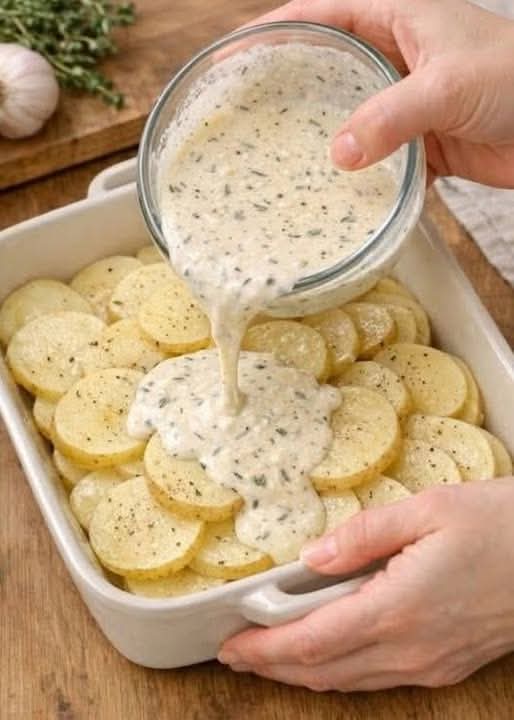
Classic Creamy Garlic Herb Scalloped Potatoes Recipe
Indulge in the ultimate side dish with these classic creamy garlic herb scalloped potatoes. Featuring paper-thin slices of tender potatoes layered in a ceramic baking dish and bathed in a rich, velvety cream sauce infused with minced garlic, fresh thyme, and aromatic herbs, this recipe is pure comfort on a plate. As it bakes, the cream reduces into a silky sauce while the top layer develops a gorgeous golden-brown finish. Whether you are planning a holiday feast, a Sunday roast, or a cozy weeknight dinner, this foolproof casserole delivers rich, mouthwatering flavor that will impress family and guests alike.
In this comprehensive guide, you will learn how to prepare auction-worthy scalloped potatoes from scratch. We will walk through selecting the ideal potato variety, mastering the garlic-infused cream sauce, avoiding common pitfalls like curdling or undercooked slices, and baking this dish to tender perfection.
Why You Will Love This Scalloped Potatoes Recipe
Scalloped potatoes have remained a cherished fixture on family dinner tables for generations. This particular version elevates the classic comfort food by prioritizing fresh herbs and a luxurious garlic-infused cream base.
Here is why this recipe will quickly become your go-to potato casserole:
- Rich and Velvety Texture: Layering thinly sliced potatoes allows the cream sauce to permeate every bite, creating a buttery, melt-in-your-mouth feel.
- Simple, Wholesome Ingredients: Made entirely with kitchen staples including fresh potatoes, heavy cream, garlic, butter, and fragrant herbs.
- Versatile Holiday Side Dish: Pairs effortlessly with roasted turkey, glazed ham, prime rib, or grilled steaks.
- Make-Ahead Friendly: Can be assembled a day in advance and baked fresh right before serving.
- Endlessly Customizable: Easy to adjust with your favorite cheeses, crispy bacon, or vegetable additions.
Scalloped Potatoes vs. Potatoes au Gratin: What is the Difference?
Home cooks often use the terms “scalloped potatoes” and “potatoes au gratin” interchangeably, but there are distinct traditional differences between the two classic French-inspired dishes.
Historically, traditional scalloped potatoes feature thinly sliced potatoes baked in a simple flour-thickened milk or cream sauce (a béchamel or cream reduction) without cheese. The focus remains squarely on the tender potato texture and rich garlic-herb cream. On the other hand, potatoes au gratin incorporate layers of shredded cheese—such as Gruyère, Cheddar, or Swiss—between the potato slices and feature a bubbling, bronzed cheese or breadcrumb crust on top.
This recipe gives you the best of both worlds: a classic, silky scalloped potato cream base infused with garlic and thyme, along with optional cheese guidance if you prefer an au gratin finish.
Key Ingredients and Substitutions
Creating decadent, restaurant-quality scalloped potatoes depends heavily on using the right foundation of produce, dairy, and seasonings.
Choosing the Best Potatoes
The starch content of your potato dictates the final consistency of the sauce.
Yukon Gold potatoes are the top recommendation for scalloped potatoes. Their natural buttery flavor, golden hue, and medium starch content help them hold their shape without breaking down completely into mash, while still releasing enough starch to thicken the cream sauce smoothly.
Russet potatoes (Idaho potatoes) are also an excellent choice due to their high starch content. They absorb the garlic cream sauce exceptionally well, resulting in an ultra-tender dish. Avoid waxy varieties like red bliss or fingerling potatoes, as they resist absorbing the liquid and can produce a watery sauce.
The Rich Garlic Herb Cream Sauce
The star of this dish is the aromatic infused cream sauce.
A combination of heavy whipping cream and whole milk creates the perfect balance of richness without feeling overwhelmingly heavy. Sautéed minced garlic and fresh thyme sprigs release fragrant oils into warm butter before being whisked into the dairy. You can also add a pinch of fresh rosemary, nutmeg, or a bay leaf during the simmering process for extra depth of flavor.
Optional Cheese Additions
While traditional scalloped potatoes rely solely on cream and starch for richness, adding cheese turns this into a luxurious gratin. Sharp white Cheddar, Gruyère, Fontina, or freshly grated Parmesan cheese melt beautifully between the potato layers.
Step-by-Step Cooking Instructions
Step 1: Prep and Slice the Potatoes
Preheat your oven to 375°F (190°C). Lightly grease a deep 9×13-inch ceramic or glass baking dish with soft butter.
Wash and peel 3 pounds of Yukon Gold or Russet potatoes. Using a sharp chef’s knife or a mandoline slicer, slice the potatoes into uniform rounds approximately 1/8-inch thick. Maintaining an even thickness ensures that all potato slices cook at the exact same rate. Do not rinse or soak the potato slices in water after cutting; the surface starch is essential for thickening the cream sauce as it bakes.
Step 2: Prepare the Garlic Herb Cream Sauce
In a medium saucepan set over medium-low heat, melt 3 tablespoons of unsalted butter. Add 4 cloves of finely minced garlic and 1 tablespoon of freshly chopped thyme leaves. Sauté for 1 to 2 minutes until fragrant, being careful not to brown or burn the garlic.
Whisk in 2 tablespoons of all-purpose flour to create a light roux, cooking for 1 minute to eliminate the raw flour taste. Slowly pour in 1.5 cups of heavy whipping cream and 1 cup of whole milk, whisking constantly to prevent lumps. Season with 1 teaspoon of sea salt, 1/2 teaspoon of freshly cracked black pepper, and a subtle pinch of ground nutmeg. Bring the sauce to a gentle simmer for 3 to 5 minutes until it thickens slightly, then remove from heat.
Step 3: Layer the Potatoes in the Baking Dish
Arrange one-third of the sliced potatoes in the bottom of your prepared baking dish, overlapping the rounds slightly in neat rows to build a sturdy foundation.
Season the potato layer lightly with a pinch of extra salt, pepper, and fresh thyme leaves. If adding shredded cheese, sprinkle a light layer over the potatoes now.
Step 4: Pour the Cream Sauce
Gently pour one-third of the warm garlic herb cream sauce evenly over the first layer of potatoes, ensuring the slices are well coated.
Repeat this process with the second layer of potatoes and cream sauce, followed by the third and final layer of potatoes. Pour the remaining cream sauce over the top, making sure all the top potato slices are generously covered so they do not dry out during baking. Press down gently with a spatula to settle the layers into the sauce.
Step 5: Bake to Tender Golden Perfection
Cover the baking dish tightly with aluminum foil to trap steam and help the potatoes cook through. Place in the preheated oven and bake covered for 45 minutes.
After 45 minutes, carefully remove the foil. The potatoes should be softened and the sauce bubbling at the edges. Return the uncovered dish to the oven for an additional 20 to 25 minutes, or until the potatoes are fork-tender and the top layer has developed a deep, golden-brown crust.
Remove from the oven and let the casserole rest on a wire rack for 15 minutes before serving. This crucial resting period allows the cream sauce to thicken and set, making serving clean, gorgeous portions effortless.
Pro Tips for Perfect Scalloped Potatoes Every Time
Mastering scalloped potatoes comes down to controlling moisture, heat, and timing:
- Use a Mandoline for Even Slices: Uniform slice thickness guarantees that no potatoes remain hard or undercooked while others turn mushy.
- Don’t Wash Off the Starch: Avoid washing your sliced potatoes in cold water. The natural starches combine with the heated cream to create a thick, velvety sauce without needing excessive flour.
- Keep the Dish Covered Initially: Foil traps steam during the first phase of baking, cooking the potato slices through to the center before browning the top.
- Let It Rest Before Cutting: Cutting into hot scalloped potatoes immediately out of the oven will cause the cream sauce to run. Resting for 15 minutes lets the starches absorb the remaining liquid for a cohesive slice.
Flavor Variations and Add-Ins
Customizing your garlic herb scalloped potatoes is easy with a few simple additions:
- Smoked Ham or Bacon: Layer diced cooked ham or crispy bacon bits between the potato layers for a smoky, savory twist that turns this side dish into a complete meal.
- Three-Cheese Gratin: Alternate layers with shredded Gruyère, sharp Cheddar, and grated Parmesan for maximum cheesy decadence.
- Caramelized Onion Scalloped Potatoes: Sauté 1 large thinly sliced yellow onion until golden and sweet, then scatter the caramelized onions between the potato layers.
- Gluten-Free Alternative: Replace the all-purpose flour in the sauce with cornstarch or a gluten-free 1-to-1 baking flour, or simply simmer heavy cream down until thick.
Best Main Dishes to Pair with Scalloped Potatoes
Because scalloped potatoes are rich, creamy, and flavorful, they complement a wide variety of proteins:
- Holiday Roasts: Serve alongside roasted turkey breast, glazed honey ham, or standing rib roast for Thanksgiving or Christmas dinners.
- Beef and Pork Dinners: Complements grilled ribeye steaks, pan-seared pork chops, or beef tenderloin.
- Poultry & Seafood: Pairs beautifully with garlic roast chicken, pan-seared salmon, or baked cod fillets.
Storage, Reheating, and Make-Ahead Instructions
Scalloped potatoes are ideal for meal planning and hold up wonderfully when stored properly:
- Make-Ahead Directions: Assemble the casserole completely, cover tightly, and refrigerate unbaked for up to 24 hours. When ready to cook, bring the dish to room temperature for 30 minutes before baking according to recipe instructions.
- Refrigeration: Store cooled leftover scalloped potatoes in an airtight container in the refrigerator for up to 4 days.
- Reheating in the Oven: Place leftovers in an oven-safe dish, cover with foil, and heat at 350°F (175°C) for 15 to 20 minutes until warm and bubbling.
- Reheating in the Microwave: Heat individual portions on high in 1-minute intervals until heated through.
Frequently Asked Questions
Why did my cream sauce curdle or split?
Cream sauce can curdle if exposed to excessively high heat or if low-fat milk is used. Using heavy whipping cream with higher fat content stabilizes the sauce. Baking covered at 375°F (190°C) provides gentle, even cooking that prevents dairy separation.
Do I need to peel the potatoes first?
Peeling is recommended for classic Yukon Gold or Russet scalloped potatoes to achieve a silky, uniform texture. However, if you prefer a rustic appearance, you can leave thin-skinned Yukon Gold potato skins intact after washing thoroughly.
Why are my potatoes still hard after baking?
If your potato slices remain tough, they were either sliced too thick or the dish was not baked long enough covered with foil. Ensure slices are no thicker than 1/8-inch and keep the dish covered during the initial 45 minutes of baking.
Conclusion
These classic creamy garlic herb scalloped potatoes represent comfort food at its absolute finest. By pairing thinly sliced Yukon Gold potatoes with a silky, garlic-and-thyme infused cream sauce, you achieve a dish that is deeply comforting, elegantly presented, and packed with savory flavor. Follow these straightforward steps, allow the casserole to rest to perfection, and enjoy a timeless side dish that is guaranteed to earn rave reviews at your dinner table. Save this recipe for your next family gathering or holiday celebration!