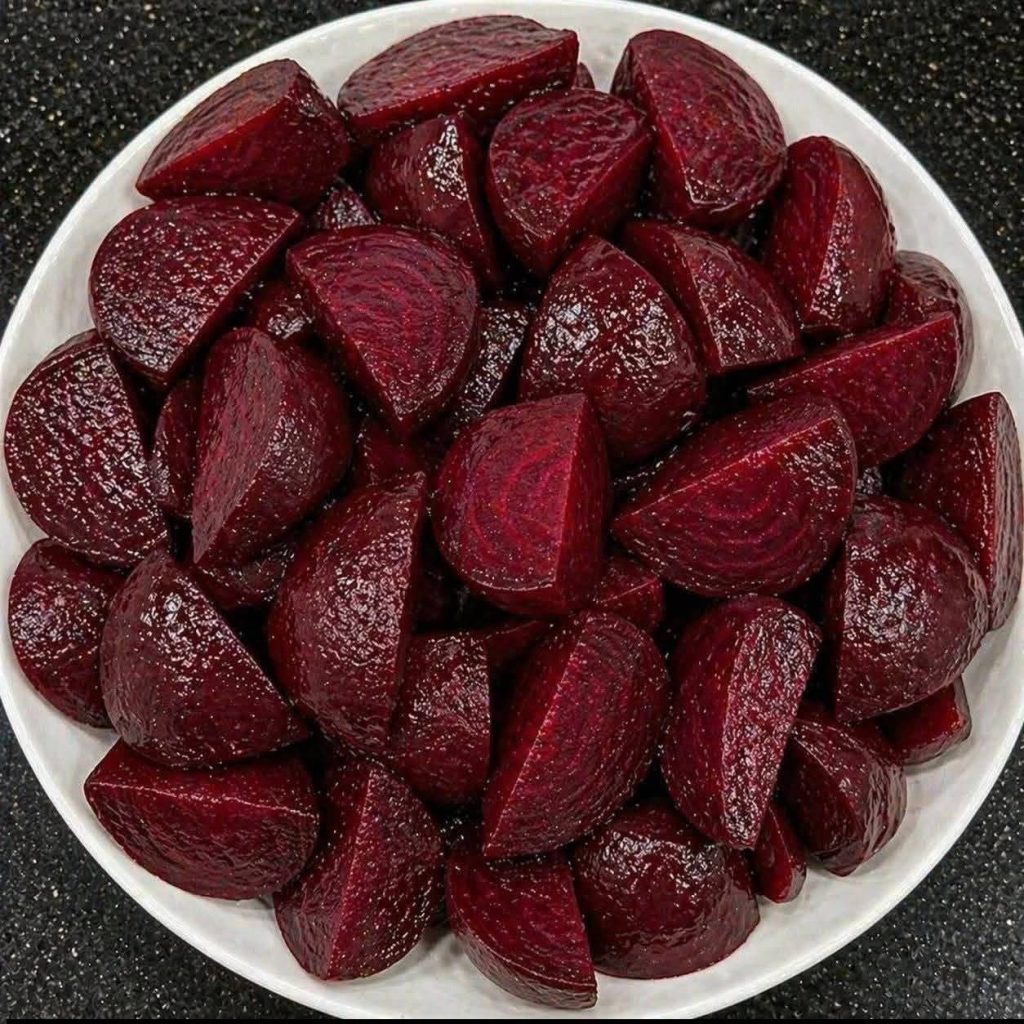
Easy Tender Roasted Beetroot Salad The Ultimate Healthy Beets Recipe
Tender, earthy, and naturally sweet, this Easy Tender Roasted Beetroot Salad is the ultimate healthy side dish to add vibrant color and rich nutrition to your dinner table. Whether you are looking for a simple meal-prep staple, a colorful holiday side, or a delicious way to enjoy fresh garden root vegetables, perfectly cooked beets offer an unbeatable flavor profile. When roasted or gently boiled until fork-tender, the natural sugars in beetroot caramelize, removing any harsh bitterness and leaving behind a smooth, velvety bite.
Many home cooks avoid making fresh beets because they seem intimidating, messy, or time-consuming to prepare. However, with the right culinary techniques, cooking fresh beets at home is remarkably effortless. Once prepared, these glossy crimson wedges can be enjoyed warm with a drizzle of olive oil, tossed into cold grain bowls with feta cheese, or lightly marinated in a tangy vinegar dressing for a quick pickled beet salad.
In this detailed cooking guide, you will learn the step-by-step methods for roasting and boiling beets, the incredible health benefits of adding beetroot to your daily diet, flavor variations, meal pairing ideas, and expert storage advice to keep your beets fresh for days.
Why You Will Love This Fresh Beetroot Recipe
- Naturally Sweet and Flavorful: Roasting or gentle boiling enhances the natural sugars of beets, creating a delicious, mellow flavor without needing added sugars.
- Packed with Vital Nutrients: High in dietary fiber, essential vitamins like folate (Vitamin B9), potassium, iron, and potent antioxidants called betalains.
- Versatile Meal-Prep Base: Store a large batch in the refrigerator to use in salads, grain bowls, wraps, or as a standalone side dish all week long.
- Simple Pantry Dressings: Pairs effortlessly with basic kitchen staples like extra-virgin olive oil, balsamic vinegar, lemon juice, fresh herbs, and sea salt.
- Diet-Friendly: Naturally vegan, gluten-free, dairy-free, keto-adaptable, and low in calories while remaining highly satisfying.
Health Benefits of Beetroot
Beetroot is widely regarded as a nutrient-dense superfood capable of supporting overall wellness. Incorporating fresh beets into your routine offers several evidence-based health advantages:
- Supports Healthy Blood Pressure: Beets are exceptionally rich in natural dietary nitrates, which your body converts into nitric oxide. Nitric oxide relaxes and dilates blood vessels, promoting healthy blood flow and supporting optimal blood pressure levels.
- Boosts Athletic Stamina: The nitrates found in beetroot juice and cooked beets improve the efficiency of mitochondria, the energy-producing centers of your cells, enhancing physical endurance and stamina during workouts.
- Rich in Anti-Inflammatory Antioxidants: The deep, vibrant purple-red hue of beets comes from betalains, a class of powerful antioxidants known for fighting cellular oxidative stress and lowering inflammation.
- Promotes Digestive Health: A single cup of beetroot provides roughly 3.8 grams of dietary fiber, supporting smooth digestion, bowel regularity, and a healthy gut microbiome.
Selecting and Prepping Fresh Beets
Choosing the best produce at the market is the first step toward achieving tender, sweet beets.
Look for medium-sized, firm beets with smooth, unblemished skins. Smaller to medium beets tend to be sweeter and more tender, whereas extremely large beets can sometimes be woody or fibrous in the center. If the green leafy tops are still attached, select roots with vibrant, un-wilted green leaves, which can also be washed and sautéed like spinach.
To prep beets before cooking, scrub the outer skin thoroughly with a vegetable brush under cold running water to remove any garden dirt. Trim the root end and stem, leaving about half an inch of stem attached to prevent the natural juices from bleeding out during boiling or roasting.
Key Ingredients Needed
To make this classic cooked beetroot dish, you only need a handful of fresh, wholesome ingredients:
- 2 lbs Fresh Whole Red Beets: Medium-sized, thoroughly scrubbed.
- 2 tablespoons Extra-Virgin Olive Oil: Adds a silky coating and helps caramelize the outer skin during roasting.
- 1 tablespoon Balsamic Vinegar or Apple Cider Vinegar: Adds a zesty brightness that balances the earthy sweetness of the beets.
- 1 teaspoon Fine Sea Salt: Enhances the natural root vegetable flavor.
- 1/2 teaspoon Freshly Cracked Black Pepper: Adds a subtle warm spice note.
- 1 tablespoon Fresh Parsley or Dill (Optional): Chopped finely for a pop of fresh green contrast.
Step-by-Step Instructions: Two Easy Ways to Cook Beets
Both roasting and boiling yield exceptionally tender beets. Choose the cooking method that fits your schedule and kitchen setup best.
Method 1: Foil-Wrapped Oven Roasting (Best for Maximum Flavor)
Roasting concentrates the natural sugars and creates a rich, complex depth of flavor.
- Preheat your oven to 400°F (200°C).
- Clean and dry whole beets. Drizzle lightly with 1 tablespoon of olive oil and a pinch of salt.
- Wrap individual beets (or a group of similar-sized beets) tightly in heavy-duty aluminum foil to trap steam inside.
- Place the foil packets onto a rimmed baking sheet and roast for 45 to 60 minutes, depending on size.
- The beets are done when a sharp paring knife slips easily into the center without resistance.
- Carefully unwrap the foil and let the beets cool until safe to handle.
Method 2: Easy Stovetop Boiling (Best for Easy Peeling)
Boiling is a straightforward, hands-off method that keeps the beets extraordinarily juicy.
- Place whole scrubbed beets into a large pot and cover with cold water by at least 2 inches.
- Add a generous pinch of sea salt to the water.
- Bring the water to a rolling boil over high heat, then reduce heat to medium-low, cover with a lid, and simmer gently for 40 to 50 minutes.
- Check for doneness by piercing the thickest part of a beet with a fork; it should slide in smoothly.
- Drain the hot water and immediately submerge the beets in a bowl of ice water for 5 minutes.
Peeling and Slicing the Cooked Beets
Once your cooked beets have cooled slightly, peeling the skin is remarkably simple—no vegetable peeler required!
Hold a beet under cool running water or in a bowl, using paper towels or clean hands to rub the skin away. The outer skin will slide off effortlessly. Once peeled, slice the beets into thick wedges, quarters, or bite-sized coins as shown in the picture.
Seasoning and Serving
Place the tender beetroot wedges into a large serving bowl. Drizzle with 1 tablespoon of extra-virgin olive oil and 1 tablespoon of balsamic vinegar. Season with fine sea salt and black pepper to taste, then toss gently until every piece is glossy and coated. Garnish with chopped fresh parsley or dill if desired.
Pro Tips for Culinary Success
- Wear Gloves to Avoid Stains: Beet juice can temporarily stain skin and cutting boards. Wearing food-safe gloves and using a plastic or non-porous cutting board keeps cleanup quick and easy.
- Cut into Uniform Wedges: Slicing beets into equal-sized quarters or cubes ensures consistent flavor distribution and a clean visual presentation.
- Serve Warm or Cold: Cooked beets taste delicious served warm right after roasting, at room temperature, or chilled directly from the refrigerator.
Delicious Recipe Variations
- Roasted Beet and Feta Salad: Toss chilled beet wedges with crumbled feta or goat cheese, toasted walnuts, and fresh baby arugula for a classic restaurant-style salad.
- Quick Pickled Beets: Combine 1/2 cup of apple cider vinegar, 1/2 cup of water, 1 tablespoon of sugar, and 1 teaspoon of salt in a saucepan. Bring to a boil, pour over the sliced cooked beets in a jar, and refrigerate for a tangy, pickled side dish.
- Citrus Marinated Beets: Replace balsamic vinegar with fresh orange juice and lemon zest for a bright, citrusy twist that cuts through the earthy richness.
Storage and Meal Prep Guidelines
- Refrigeration: Store leftover cooked beets in an airtight glass container in the refrigerator for up to 5 to 7 days. Glass containers are ideal to prevent color transfer.
- Freezing: You can freeze cooked beets for up to 8 months. Peel and slice cooked beets, arrange them in a single layer on a baking sheet to flash freeze, then transfer to a heavy-duty freezer bag.
- Thawing: Thaw frozen beets overnight in the refrigerator before tossing into warm dishes or heating gently in a skillet.
Frequently Asked Questions (FAQs)
Do I need to peel beets before roasting or boiling?
No, it is much easier to leave the skin on while cooking! Cooking softens the skin so that it easily slips off using paper towels once cooled.
Can I eat beet greens?
Yes! Beet greens are edible, delicious, and highly nutritious. Wash them thoroughly and sauté them with garlic and olive oil for a quick, healthy green side dish.
Why are my beets still hard after cooking?
Under-cooking is the main cause of tough beets. Larger beets require a longer cooking time (up to 60-70 minutes). Always test with a knife before removing them from heat.
Conclusion
This Easy Tender Roasted Beetroot Salad proves that healthy, wholesome eating does not have to be complicated. With a simple cooking process, minimal prep time, and a handful of pantry seasonings, you can turn humble root vegetables into a sweet, vibrant, and nutrient-dense side dish. Pack a batch for weekly meal prep, toss them into colorful green salads, or serve them alongside your favorite main courses. Prepare a batch today and enjoy the delicious flavor and health benefits of fresh homemade beets!