Lemon and Vaseline for Skin Miracle Remedy or Dangerous DIY Myth
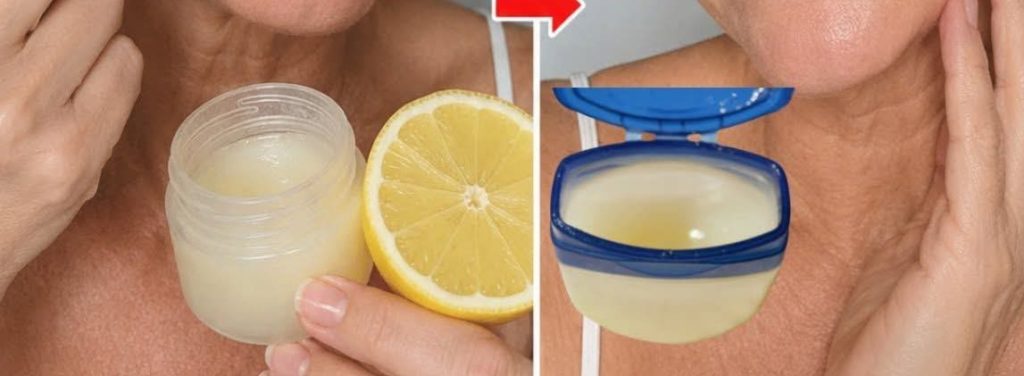
The search for clear, radiant, and youthful skin has led millions of people to turn to viral DIY skincare hacks on platforms like TikTok, Instagram, and Pinterest. Among the most widely circulated home remedies is the claim that mixing fresh lemon juice with Vaseline (petroleum jelly) and applying it overnight will transform aging skin into a “spotless, wrinkle-free, glass-like” complexion. Pictures showing dramatic before-and-after transformations promise that this inexpensive two-ingredient mixture can replace pricey serums and dermatological treatments. However, before applying kitchen ingredients to your face, it is essential to look beyond viral social media claims and evaluate what happens to your skin on a physiological level. While both lemon juice and petroleum jelly have well-documented individual uses, combining them into a leave-on facial mask poses serious dermatological risks. In this comprehensive guide, we break down the science behind this viral trend, examine why dermatologists strongly warn against raw citrus applications, and outline safe, science-backed alternatives to help you achieve a glowing, healthy skin barrier.
What Is the Lemon and Vaseline Skincare Hack?
The DIY beauty trend involves mixing a small quantity of freshly squeezed lemon juice with pure petroleum jelly until it forms a creamy paste. Followers of this hack are instructed to slather the concoction over their entire face before bedtime, leaving it on overnight so the ingredients can work while they sleep. The popularity of this hack stems from two primary selling points: accessibility and affordability. Millions of viewers are drawn to the idea that common, low-cost household items can replicate the results of clinical chemical peels and professional anti-aging treatments.
The Viral Social Media Claims
Promoters of the lemon and vaseline mixture allege that the blend addresses virtually every major skincare concern simultaneously.
- Fades Dark Spots and Hyperpigmentation: Proponents claim the natural citrus extracts quickly lighten dark patches, sun damage, and post-acne marks.
- Erases Fine Lines and Wrinkles: Posts suggest that the intense hydration from petroleum jelly smooths deep creases overnight.
- Creates “Glass Skin”: Videos advertise an immediate glossy, poreless finish upon waking up.
Breaking Down the Ingredients
To determine whether these claims hold merit, we must analyze the chemical composition of each ingredient individually. Fresh lemon juice contains citric acid (an alpha-hydroxy acid) and ascorbic acid (Vitamin C). In a laboratory setting, both citric acid and Vitamin C are recognized skincare actives. However, raw lemon juice also contains natural essential oils, aromatic compounds, and an extremely low pH balance. Vaseline consists of 100% pure white petrolatum. Petrolatum is a heavy occlusive agent designed to create an impenetrable barrier on the surface of the skin to lock in moisture and prevent transepidermal water loss.
The Science of Lemon Juice on Skin: Risks and Realities
While synthetic Vitamin C and formulated alpha-hydroxy acids (AHAs) are mainstage ingredients in modern skincare, raw lemon juice behaves very differently when applied directly to human tissue.
Highly Acidic pH and Skin Barrier Breakdown
Healthy human skin maintains a slightly acidic surface layer known as the acid mantle, typically ranging between a pH of 4.5 and 5.5. This natural acidity keeps the skin barrier intact, wards off harmful bacteria, and retains moisture. Freshly squeezed lemon juice, by contrast, has an extremely low pH of approximately 2.0. Applying an substance with a pH of 2.0 directly to the face causes severe chemical disruption. It strips the skin of essential lipids, dissolves the protective mantle, and triggers immediate inflammation, burning, redness, and peeling.
Phytophotodermatitis and Sun Sensitivity
Lemons belong to the citrus family, which contains naturally occurring organic compounds called furocoumarins (specifically psoralens). When furocoumarins absorb into the skin and are subsequently exposed to ultraviolet (UV) radiation from sunlight, a severe toxic chemical reaction occurs called phytophotodermatitis. Phytophotodermatitis causes deep cellular damage, leading to painful blistering, burning, swelling, and long-lasting dark brown discolorations. Because lemon juice residue can remain in the pores even after washing, going outdoors after using raw lemon juice dramatically increases your risk of severe sun damage.
Post-Inflammatory Hyperpigmentation
Many people turn to lemon juice specifically to fade hyperpigmentation or dark marks. Paradoxically, applying raw lemon juice often achieves the exact opposite result. When the skin experiences chemical irritation or burn from extreme acidity, it responds by triggering an inflammatory reaction. In darker skin tones especially, inflammation signals melanocytes (pigment-producing cells) to overproduce melanin. This process, known as post-inflammatory hyperpigmentation (PIH), results in darker, larger, and more stubborn dark spots than those you originally tried to fade.
The Role of Vaseline (Petroleum Jelly) in Facial Skincare
Petroleum jelly is a staple product in dermatology offices worldwide, but its primary function is frequently misunderstood by DIY beauty enthusiasts.
How Occlusives Work
Vaseline is an occlusive agent, not a humectant or an active anti-aging compound. It does not penetrate deeply into the dermis, nor does it stimulate collagen or elastin synthesis. Instead, petroleum jelly forms a physical seal over the top layer of skin (the stratum corneum). This seal reduces transepidermal water loss by over 98%, allowing underlying skin to heal when recovering from minor cuts, surgical wounds, or extreme dryness.
The Danger of Trapping Acids Against the Skin
When used correctly on clean, hydrated skin, Vaseline is non-comedogenic and highly soothing. However, combining Vaseline with raw lemon juice creates a dangerous scenario. By applying a heavy occlusive layer over an acidic substance, you trap the volatile citric acid against your skin cells overnight. Prevented from evaporating or rubbing off, the high concentrations of acid penetrate aggressively, exacerbating chemical burns, contact dermatitis, and tissue breakdown.
Dermatologist-Approved Alternatives for Glass Skin and Anti-Aging
Achieving clear, radiant, and youthful skin does not require risky kitchen concoctions. Modern dermatology offers stabilized, scientifically validated ingredients that deliver remarkable brightening and smoothing benefits without damaging your skin barrier.
Stabilized Vitamin C Serums
If your goal is to brighten dull skin and fade hyperpigmentation, replace lemon juice with a formulated Vitamin C serum (L-Ascorbic Acid or derivatives like Tetrahexyldecyl Ascorbate).
- pH-Balanced Safety: Commercial Vitamin C serums are engineered at precise, non-irritating pH levels that penetrate effectively without disrupting the acid mantle.
- Antioxidant Protection: Formulated Vitamin C neutralizes free radicals caused by UV exposure and environmental pollution, preventing premature collagen degradation.
- Collagen Synthesis: Regular application of stabilized Vitamin C stimulates new collagen production, reducing fine lines over time.
Gentle Alpha-Hydroxy Acids (AHAs)
To achieve smooth “glass skin” texture, turn to clinically tested chemical exfoliants such as glycolic acid or lactic acid.
- Controlled Exfoliation: Formulated AHAs gently dissolve the intercellular glue holding dead skin cells together, revealing fresh, smooth skin underneath.
- Hydration Boost: Acids like lactic acid double as humectants, pulling water into the upper layers of the skin while sloughing away dull surface debris.
Retinoids for Fine Lines and Collagen Production
When it comes to softening wrinkles and reversing signs of aging, topical retinoids (over-the-counter retinol or prescription tretinoin) remain the undisputed gold standard.
- Cellular Turnover: Retinoids accelerate the rate at which your skin produces new cells, preventing clogged pores and smoothing coarse texture.
- Deep Structural Support: By penetrating into the dermis, retinoids stimulate fibroblasts to produce new collagen and elastin fibers, restoring firm, bouncy skin structure.
Hydrating Hyaluronic Acid and Niacinamide
To achieve a plump, glassy finish safely, focus on restoring moisture and calming inflammation.
- Hyaluronic Acid: Holds up to 1,000 times its weight in water, immediately plumping surface fine lines caused by dehydration.
- Niacinamide (Vitamin B3): Strengthens the lipid barrier, regulates sebum production, and reduces redness and hyperpigmentation without irritation.
How to Safely Build a Brightening and Anti-Aging Skincare Routine
To get the glowing skin promised by social media hacks without the risk of chemical burns, adopt a simple, structured morning and evening routine using gentle, effective products.
Morning Skincare Routine Step-by-Step
- Gentle Cleanser: Wash your face with a mild, sulfate-free cleanser to remove overnight oil and impurities.
- Vitamin C Serum: Apply 3–5 drops of a stabilized Vitamin C serum to clean, dry skin to provide antioxidant protection throughout the day.
- Lightweight Moisturizer: Apply a hydrating moisturizer containing hyaluronic acid, ceramides, or niacinamide to lock in hydration.
- Broad-Spectrum Sunscreen (SPF 30+): Apply a generous layer of broad-spectrum sunscreen every single morning. Sunscreen is the most critical step for preventing dark spots, sagging, and wrinkles.
Evening Skincare Routine Step-by-Step
- Double Cleanse: Remove makeup, sunscreen, and daily pollution with an oil-based cleanser followed by a gentle water-based cleanser.
- Targeted Active (Exfoliant or Retinoid): Alternate between a gentle AHA exfoliant (2–3 nights a week) or a retinoid serum (2–4 nights a week). Never mix strong actives on the same night.
- Nourishing Night Cream: Apply a rich moisturizer fortified with ceramides and fatty acids to support barrier repair while you sleep.
- Slugging (Optional): If you have extremely dry skin, apply a tiny pea-sized amount of pure Vaseline over your moisturizer on nights when you are not using active acids or retinoids.
Frequently Asked Questions About Lemon, Vaseline, and DIY Beauty
Can Vaseline reduce facial wrinkles on its own?
Vaseline cannot eliminate deep structural wrinkles because it does not stimulate collagen production or cell turnover. However, because it prevents moisture evaporation, applying Vaseline over a hydrated face can temporarily plump superfine dehydration lines, giving the appearance of smoother skin short-term.
Is lemon juice ever safe to use on the face?
Dermatologists universally advise against applying raw, undiluted lemon juice to the face. The concentration of citric acid, essential oils, and light-sensitizing psoralens in fresh lemons is uncontrolled and far too volatile for safe cosmetic application.
How long does it take to repair a damaged skin barrier?
If raw lemon juice or another harsh ingredient has caused burning, redness, or peeling, stop all active ingredients immediately. Focus exclusively on a gentle cleanser, ceramide-rich moisturizer, and sunscreen. A compromised skin barrier typically takes 2 to 4 weeks of consistent, gentle care to fully heal.
What is “slugging” and is it safe for all skin types?
“Slugging” is the practice of coating the face with a thin layer of petroleum jelly as the final step of a nighttime routine to seal in hydration. While highly beneficial for dry or compromised skin, slugging is not recommended for oily or acne-prone skin, as trapping excess sebum can contribute to breakouts.
Safe Beauty Practices for Long-Term Skin Health
Viral skincare trends often promise overnight miracles, but true skin health is achieved through consistency, patience, and scientifically proven care. Mixing raw lemon juice with Vaseline creates a dangerous combination that risks severe chemical irritation, barrier breakdown, and long-term sun sensitivity rather than the spotless, glass-like complexion shown in social media images. By investing in gentle, pH-balanced formulations like stabilized Vitamin C, alpha-hydroxy acids, retinoids, and daily broad-spectrum sun protection, you can safely fade hyperpigmentation, smooth fine lines, and support a vibrant, healthy complexion for years to come.