Natural Hair Care and Scalp Health Evidence Based Tips for Stronger Hair
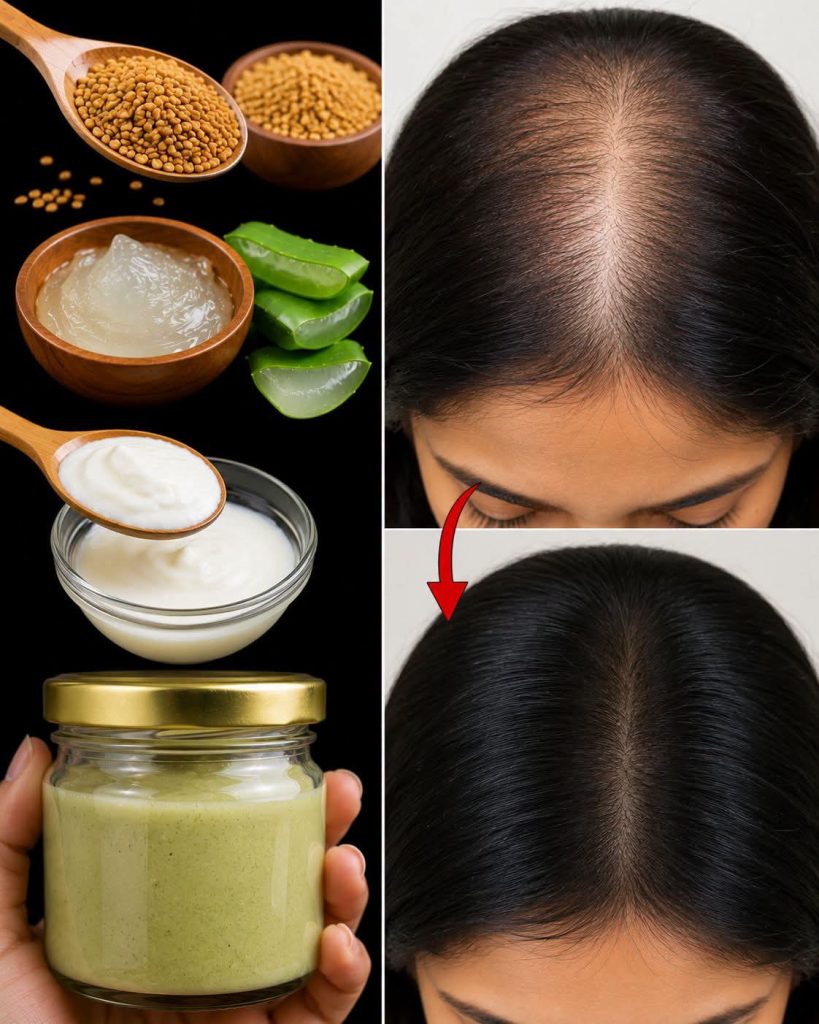
Maintaining healthy hair and a balanced scalp environment is a primary goal for many individuals seeking thicker, fuller-looking hair. While viral social media posts often promise overnight hair regrowth using homemade pastes made of fenugreek seeds, aloe vera, and yogurt, understanding the science behind hair care—and what natural ingredients can actually do—is essential for safe, realistic hair maintenance. This comprehensive guide explores scalp care science, the benefits and limits of botanical ingredients, and proven methods for supporting hair health.
Understanding Hair Loss and Growth Cycles
To manage hair thinning or hair loss effectively, it helps to understand how the hair growth cycle functions beneath the scalp.
The Hair Growth Cycle
Hair grows in four continuous phases:
- Anagen (Growth Phase): The active phase where hair follicles produce the hair shaft. This phase lasts between 2 to 7 years.
- Catagen (Transition Phase): A short 2 to 3-week phase where hair growth stops and the follicle shrinks.
- Telogen (Resting Phase): A 3-month resting phase before the hair sheds and a new strand begins growing.
- Exogen (Shedding Phase): The final stage where individual strands naturally fall out.
Common Causes of Thinning Hair
Visible scalp widening or hair thinning can stem from multiple internal and external factors:
- Androgenetic Alopecia: Pattern hair loss driven by genetics and hormone levels (such as DHT).
- Telogen Effluvium: Temporary hair shedding triggered by stress, illness, poor nutrition, or hormonal changes.
- Scalp Conditions: Conditions like seborrheic dermatitis, severe dandruff, or fungal buildup that compromise the hair follicle environment.
- Nutritional Deficiencies: Lack of essential micronutrients, particularly iron, zinc, vitamin D, and protein.
Botanical Ingredients in DIY Scalp Masks
Natural hair masks containing ingredients like fenugreek (methi), aloe vera, and plain yogurt are popular traditions across many cultures. While they cannot reverse genetic hair loss, they provide genuine benefits for hair conditioning and scalp hydration.
Fenugreek Seeds (Methi)
Fenugreek seeds are rich in proteins, nicotinic acid, and plant compounds (saponins). When soaked and ground into a smooth paste, fenugreek helps condition the hair shaft, reducing friction and hair breakage during combing.
Aloe Vera Gel
Aloe vera contains enzymes, amino acids, and vitamins A, C, and E. Its primary benefit is cooling and soothing an irritated scalp, soothing mild redness, and offering lightweight moisture to dry roots without weighing down thin strands.
Plain Yogurt or Curd
Yogurt contains lactic acid, an alpha-hydroxy acid (AHA) that gently exfoliates the scalp to remove dead skin cells and product buildup. The fats and proteins in yogurt also act as a deep conditioner for the hair lengths.
What DIY Hair Remedies Cannot Do
While natural hair masks make great conditioning treatments, it is important to maintain realistic expectations regarding dramatic transformation claims.
Cannot Reverse Genetic Pattern Baldness
Hair loss caused by genetic miniaturization of hair follicles cannot be cured or fully reversed using kitchen ingredients. True follicle revival requires medically approved treatments targeted at hormone regulation and blood circulation.
Instant Density Transformation Images
Viral graphics depicting a sparse hairline transformed into ultra-dense hair overnight are typically digitally edited or showcase hair fibers and cosmetics rather than actual natural regrowth.
Potential Scalp Sensitivities
Applying raw agricultural products to the scalp carries risks of allergic reactions, contact dermatitis, or bacterial contamination if ingredients are not washed thoroughly. Always perform a patch test on your inner arm or neck before applying homemade pastes to your scalp.
Evidence-Based Strategies for Stronger, Healthy Hair
Achieving thicker-looking hair and maintaining scalp health relies on consistent, science-backed habits.
Prioritize Scalp Hygiene
Keep your scalp clean by washing regularly with a gentle, balanced shampoo. A clean scalp prevents follicle clogging and minimizes inflammation caused by excess sebum and micro-organisms.
Nourish Hair from Within
Hair is made primarily of a protein called keratin. Ensuring adequate intake of protein, leafy greens, healthy fats, iron, and key vitamins directly supports the anagen growth phase.
Consult a Dermatologist or Trichologist
If you notice sudden shedding, visible scalp patches, or persistent thinning, consult a healthcare professional. Clinically proven treatments—such as topical minoxidil, oral medications, or low-level laser therapy—offer targeted solutions backed by clinical trials.
Final Thoughts
Homemade hair masks using aloe vera, fenugreek, and yogurt offer fantastic conditioning benefits to smooth hair, soothe dry scalps, and reduce mechanical breakage. When combined with proper nutrition, gentle handling, and professional medical advice when needed, you can maintain a healthy scalp and enjoy your hair’s maximum natural potential.