The Truth About Natural Skincare Science Backed Ways to Support Youthful Radiated Skin
Maintaining healthy, glowing skin is a top priority for millions of readers looking for safe and effective anti-aging solutions. While the internet is filled with trends promising quick fixes, understanding how skin aging actually works—and what ingredients truly support skin health—is key to building a safe, sustainable skincare routine. This comprehensive guide covers the science of skin health, safe natural ingredients, and practical steps to maintain a youthful, radiant complexion.
Understanding Skin Aging and Collagen Production
To care for your skin effectively, it helps to understand what happens beneath the surface as we age. Skin firmness and elasticity depend primarily on structural proteins, hydration levels, and cellular renewal.
The Role of Collagen in Skin Structure
Collagen is the primary protein responsible for keeping skin plump, smooth, and resilient. As early as our mid-20s, natural collagen production slows down by about 1% each year. Environmental factors like UV exposure and pollution accelerate this process, leading to fine lines, loss of firmness, and dryness.
Topical Products vs. Deep Skin Layers
A common misconception in DIY skincare is that applying collagen directly to the skin can replenish lost structural protein. In reality, intact collagen molecules are too large to penetrate the outer layer of the skin (the stratum corneum). Topical products work primarily by moisturizing and protecting the outer barrier, while internal collagen production relies on systemic nutrients like Vitamin C, zinc, and amino acids.
Safe and Effective Natural Ingredients for Skincare
While “miracle” overnight claims are unrealistic, many natural ingredients provide genuine benefits when used safely and correctly in daily or nightly routines.
Natural Oils for Barrier Support
Plant-derived oils are excellent for locking in moisture and strengthening the skin barrier:
- Jojoba Oil: Closely mimics the skin’s natural sebum, making it ideal for all skin types, including oily and acne-prone skin.
- Rosehip Seed Oil: Rich in essential fatty acids and antioxidants that help smooth texture and even out skin tone.
- Argan Oil: Packed with Vitamin E and antioxidants to provide deep hydration for dry or mature skin.
Gentle Botanical Hydrators
Hydration is fundamental to keeping skin looking full and healthy:
- Aloe Vera Gel: Calms irritation, provides lightweight hydration, and supports skin healing.
- Glycerin: A powerful humectant that draws moisture into the skin, keeping it supple overnight.
Ingredients to Avoid Applying Directly to the Skin
Not all natural ingredients belong in facial recipes. Some common kitchen ingredients can cause severe irritation, chemical burns, or long-term damage when applied topically.
Undiluted Citrus Juices and Oils
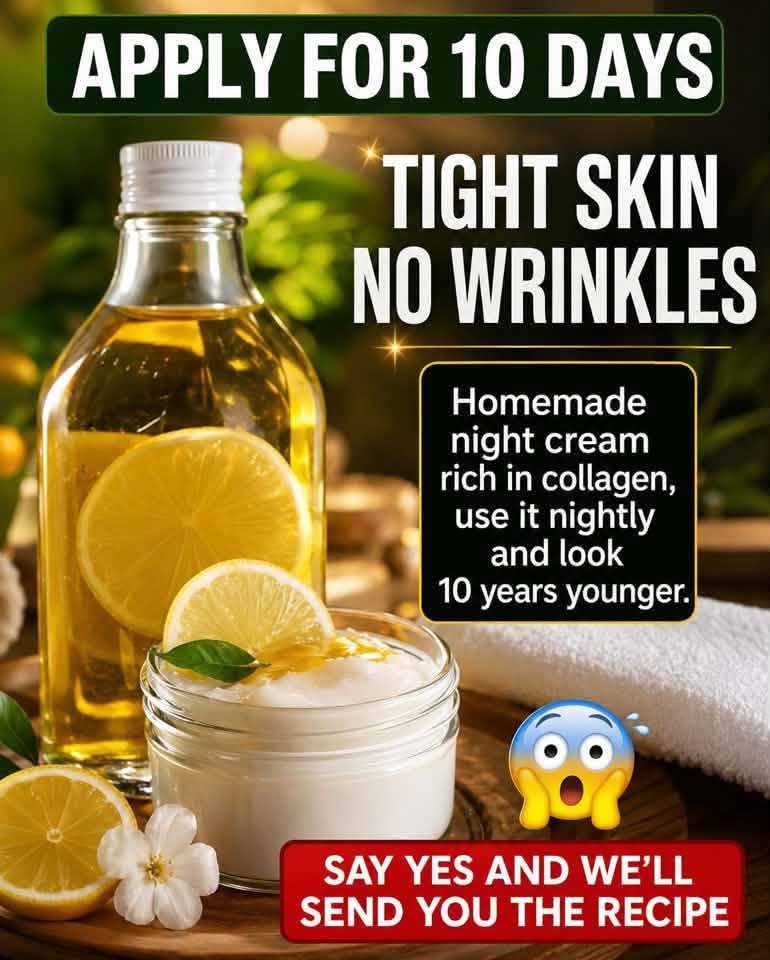
Lemon, lime, and orange juices are extremely acidic (pH around 2), which can disrupt the skin’s natural barrier (pH around 4.5–5.5). Furthermore, applying citrus to the skin before sun exposure can cause phytophotodermatitis—a reaction leading to redness, blistering, and persistent dark spots.
Undiluted Essential Oils
Pure essential oils should never be applied directly to the face without a proper carrier oil. They contain volatile aromatic compounds that frequently trigger contact dermatitis, allergic reactions, and severe redness.
Harsh Abrasives
Coarse sugar, baking soda, or salt scrubs create micro-tears in delicate facial skin, leading to chronic inflammation and premature barrier breakdown.
Essential Steps for an Effective Anti-Aging Routine
Achieving healthy, radiant skin requires consistency, protection, and evidence-based care rather than overnight remedies.
Daily Sun Protection
Sun damage accounts for up to 80% of visible skin aging. Applying a broad-spectrum sunscreen with SPF 30 or higher every morning is the single most effective way to prevent premature wrinkles and dark spots.
Deep Hydration and Moisture Locking
A solid night routine should focus on gentle cleansing followed by a barrier-repairing moisturizer containing ceramides, hyaluronic acid, or nourishing natural oils to prevent transepidermal water loss while you sleep.
Active Ingredients That Work
To actively stimulate collagen and cellular turnover, consider incorporating clinically studied ingredients alongside your natural care:
- Retinoids (Vitamin A derivatives): Proven to stimulate collagen synthesis and smooth fine lines over time.
- Stabilized Vitamin C Serums: Brighten tone and protect against oxidative environmental damage.
Final Thoughts on Safe Skincare
Building a healthy skincare routine is a journey that yields results through consistency, protection, and gentle nourishment. While natural oils and hydrators make fantastic additions to your evening routine, always prioritize safe, non-irritating ingredients and daily sun protection for lasting, radiant results.