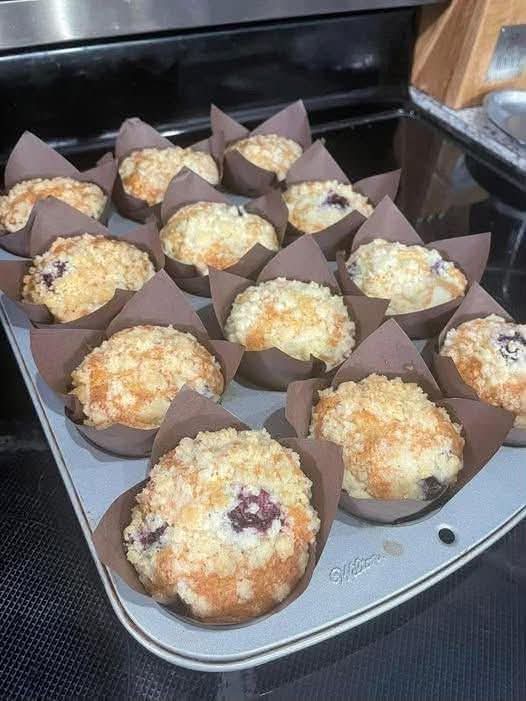
The Ultimate Bakery Style Blueberry Streusel Muffins Recipe
There is something truly magical about walking into a local bakery and being greeted by the sight of golden-brown, towering muffins with perfectly domed tops, bursting with juicy berries and covered in a crisp, buttery crumb topping. Those colossal, bakery-style blueberry muffins always seem to taste leagues better than the flat, dense, or soggy versions made at home. Fortunately, achieving that exact professional bakery quality in your own kitchen is entirely possible when you understand the simple science and techniques behind the perfect bake.
This comprehensive guide will walk you through the ultimate recipe for Bakery-Style Blueberry Streusel Muffins. We will dive deep into the essential ingredients, the step-by-step preparation, the secret to getting those sky-high muffin tops, and crucial troubleshooting tips to ensure your baking endeavor is a resounding success every single time. Whether you are hosting a weekend brunch, preparing grab-and-go weekday breakfasts, or simply craving a sweet, comforting treat to pair with your morning coffee, this recipe is designed to deliver perfect results.
Why This Blueberry Streusel Muffin Recipe Works
To create a muffin that is incredibly moist on the inside yet features a delightfully crunchy, sweet crown, this recipe balances fat, acidity, and structure perfectly. Many homemade muffin recipes yield flat, heavy, or overly sweet cakes that lack structural integrity. This recipe relies on a few key culinary principles to elevate your baking.
The Role of Acid and Moisture
Instead of relying solely on regular whole milk, this recipe utilizes buttermilk. The natural acidity in buttermilk performs two critical functions: it tenderizes the gluten in the flour, resulting in an exceptionally soft and tender crumb, and it reacts with the baking soda to create an immediate release of carbon dioxide bubbles, helping the batter rise vigorously.
The Balance of Fats
While butter provides unmatched, rich flavor, oil provides superior moisture retention. To get the best of both worlds, this recipe uses a combination of melted unsalted butter and a neutral vegetable oil. This dual-fat approach ensures your muffins are incredibly flavorful while remaining moist and tender for days after baking.
The Power of Two Leavening Agents
We use a precise combination of both baking powder and baking soda. The baking powder provides a steady, reliable lift throughout the baking process, while the baking soda reacts instantly with the acidic buttermilk to give the batter an initial boost as soon as it enters the hot oven.
The Secret to Sky-High Bakery Muffin Tops
If you have ever wondered how professional bakeries get their muffins to rise so high without spilling over the sides into a flat mess, the secret lies in a combination of batter thickness, rest time, and a specific temperature-drop baking method.
1. Thick Batter Consistency
A thin, runny batter will spread out rather than rise up. Our batter is intentionally thick—almost like a soft cookie dough. This thickness supports the weight of the fresh blueberries and allows the steam generated during baking to push the batter upward into a beautiful dome instead of outward.
2. Letting the Batter Rest
Allowing your mixed batter to rest for about 15 to 20 minutes before spooning it into the muffin pan gives the starch molecules in the flour time to fully absorb the liquid. This hydration process strengthens the batter’s structure and allows the leavening agents to begin creating tiny air pockets, leading to a much loftier rise.
3. The Two-Temperature Baking Method
This is the ultimate game-changer for home bakers. We start baking the muffins at a very high temperature of 425°F (218°C) for the first 5 to 7 minutes. This intense burst of heat causes the steam in the batter to expand rapidly, forcing the muffins to rise up quickly and set their outer dome structure. After this initial burst, without opening the oven door, we lower the temperature to 375°F (190°C) to allow the centers of the muffins to bake through completely without burning the tops.
Essential Ingredients for the Perfect Bake
Before you begin, gather your ingredients. Having everything measured out and at room temperature will make the baking process seamless and enjoyable.
For the Cinnamon Streusel Topping
- All-Purpose Flour (1/2 cup / 60g): Provides the base and structure for the crumbs.
- Granulated Sugar (1/4 cup / 50g): Adds sweetness and helps the topping crisp up as it caramelizes.
- Brown Sugar (1/4 cup / 50g, packed): Adds a deep, caramel-like flavor and moisture to the crumble.
- Ground Cinnamon (1 teaspoon): Offers a warm, spiced aroma that pairs beautifully with sweet blueberries.
- Unsalted Butter (4 tablespoons / 57g, melted): Binds the dry ingredients together into perfect, clumpy crumbs.
For the Blueberry Muffin Batter
- All-Purpose Flour (3 cups / 375g): The structural foundation of the muffins. Be sure to spoon and level your flour rather than scooping it directly from the bag to avoid using too much.
- Baking Powder (1 tablespoon): Provides the primary rising action.
- Baking Soda (1/2 teaspoon): Reacts with the buttermilk for an extra boost of lift.
- Fine Sea Salt (3/4 teaspoon): Enhances all the other flavors and balances the sweetness.
- Granulated Sugar (1 cup / 200g): Sweetens the batter and keeps the crumb tender.
- Unsalted Butter (1/2 cup / 113g, melted and slightly cooled): Provides classic, rich bakery flavor.
- Neutral Vegetable Oil (1/4 cup / 60ml): Keeps the muffins exceptionally moist, even on day three.
- Large Eggs (2, room temperature): Provide structure, richness, and binding power.
- Pure Vanilla Extract (2 teaspoons): Adds a warm, fragrant background flavor.
- Buttermilk (1 cup / 240ml, room temperature): Tenderizes the crumb and activates the baking soda.
- Fresh Blueberries (2 cups / 300g): The star of the show. If using frozen, do not thaw them beforehand to prevent the color from bleeding into the batter.
Step-by-Step Instructions
Follow these detailed steps carefully to create your own bakery masterpiece.
Step 1: Prep Your Equipment and Oven
Preheat your oven to 425°F (218°C). Line a standard 12-cup muffin tin with paper liners. For that authentic bakery aesthetic, use tall, brown tulip-style liners. If you do not have tulip liners, standard paper liners work perfectly fine. Spray the top rim of the muffin pan lightly with non-stick cooking spray to prevent any overflowing muffin tops from sticking to the metal.
Step 2: Make the Streusel Topping
In a medium bowl, whisk together the all-purpose flour, granulated sugar, packed brown sugar, and ground cinnamon until well combined. Pour in the melted unsalted butter. Use a fork to toss and stir the mixture until it begins to clump together and form wet, sandy crumbs. Set the bowl aside in the refrigerator while you prepare the muffin batter; chilling the streusel helps it hold its shape better during the initial high-heat bake.
Step 3: Mix the Dry Ingredients
In a large mixing bowl, whisk together the 3 cups of all-purpose flour, baking powder, baking soda, and fine sea salt. Once fully combined, whisk in the granulated sugar. Creating a uniform dry mix ensures that the leavening agents are evenly distributed throughout the batter, preventing any uneven rising or pockets of bitter baking soda.
Step 4: Mix the Wet Ingredients
In a separate medium-sized bowl or a large liquid measuring cup, whisk together the melted (and cooled) unsalted butter, neutral vegetable oil, room temperature eggs, vanilla extract, and buttermilk until the mixture is completely smooth and emulsified.
Step 5: Combine Wet and Dry (The Muffin Method)
Pour the wet ingredients into the bowl containing the dry ingredients. Using a large rubber spatula, gently fold the mixtures together. Do not use an electric mixer for this step. Fold just until the flour pockets disappear and the batter is combined. The batter should look thick, lumpy, and slightly uneven. Overmixing at this stage will develop excess gluten, leading to tough, dense muffins with tunnels inside.
Step 6: Fold in the Blueberries
Gently fold in about 1.5 cups of your fresh blueberries, reserving the remaining half cup for the tops. Gently folding them in ensures the delicate berries do not burst and turn your entire batter a dull shade of purple.
Step 7: Fill the Muffin Cups and Top
Divide the thick batter evenly among the 12 lined muffin cups. Fill them all the way to the top rim. Press the reserved blueberries gently into the top of the batter in each cup. Generously spoon the chilled streusel topping over the top of each muffin, pressing down very lightly so the crumbs adhere to the batter.
Step 8: Bake to Perfection
Place the muffin tin on the center rack of your preheated oven. Bake at 425°F (218°C) for exactly 6 minutes. Without opening the oven door, reduce the heat to 375°F (190°C) and continue baking for another 15 to 18 minutes. The muffins are done when the streusel is beautifully golden brown, and a toothpick inserted into the center of a muffin comes out clean or with a few moist crumbs, but no wet batter.
Step 9: Cool Gently
Remove the muffin tin from the oven and place it on a wire cooling rack. Let the muffins cool in the hot pan for 5 to 10 minutes to allow their structure to set slightly. Gently lift the muffins out of the tin and place them directly onto the wire rack to cool completely. Leaving them in the hot tin for too long can cause the steam to pool at the bottom, resulting in soggy liners.
Pro-Tips for Perfect Muffins Every Time
Baking is a science, and paying attention to minor details can make a massive difference in your final results. Keep these professional tips in mind:
Fresh vs. Frozen Blueberries
You can use either fresh or frozen berries for this recipe. If you choose to use frozen blueberries, do not thaw them before adding them to the batter. Thawing causes them to release excess liquid, which will turn your batter blue and make the surrounding crumb soggy. Toss the frozen berries in a single tablespoon of flour before folding them in to prevent them from sinking to the bottom of the muffin cups.
Room Temperature Ingredients
Using cold eggs or cold buttermilk can cause your melted butter to seize up and solidify into tiny chunks within your batter. Ensure your eggs and buttermilk are brought to room temperature before mixing. If you are short on time, place cold eggs in a bowl of warm water for 5 minutes, and microwave the buttermilk in short 5-second bursts until the chill is gone.
Measuring Your Flour Correctly
One of the most common reasons home-baked goods turn out dry or dense is adding too much flour. When measuring flour, avoid scooping it directly out of the bag with your measuring cup. This packs the flour down, resulting in up to 25% more flour than needed. Instead, fluff your flour with a spoon, scoop it gently into the measuring cup, and level it off with the flat back of a butter knife.
Storage and Freezing Instructions
To keep your freshly baked muffins tasting as delicious as they did on day one, proper storage is essential.
Room Temperature Storage
Allow the muffins to cool completely to room temperature. Store them in an airtight container lined with a paper towel. Place another paper towel gently over the tops of the muffins before sealing the lid. The paper towels will absorb any excess moisture that escapes, keeping the streusel topping crisp and preventing the muffin tops from becoming sticky or soggy. Store at room temperature for up to 3 days.
Freezing Muffins
Blueberry streusel muffins freeze beautifully. Individually wrap each fully cooled muffin in plastic wrap, then place them altogether in a heavy-duty freezer bag. Freeze for up to 3 months. When ready to enjoy, thaw a muffin at room temperature for about an hour, or warm it in the microwave on medium power for 30 to 45 seconds for a warm, fresh-out-of-the-oven experience.
Frequently Asked Questions
Can I make this recipe gluten-free?
Yes, you can easily substitute the all-purpose flour with a high-quality, 1-to-1 gluten-free baking flour blend that contains xanthan gum. Keep in mind that gluten-free batters may require an extra 5 minutes of resting time before baking to allow the flour to fully hydrate.
What can I use if I do not have buttermilk?
If you do not have buttermilk on hand, you can make a quick DIY substitute. Add 1 tablespoon of fresh lemon juice or white vinegar to a liquid measuring cup, then pour in enough whole milk to reach the 1-cup line. Stir the mixture and let it sit for 5 to 10 minutes until it curdles slightly before using it in the recipe.
Why did my blueberries sink to the bottom of the muffins?
Blueberries usually sink if the batter is too thin or if the berries are especially large and heavy. Because this recipe features a naturally thick batter, sinking is rarely an issue. However, tossing your blueberries in a tablespoon of flour before folding them into the batter creates a textured surface that helps them cling to the surrounding mixture during the baking process.
Conclusion
Baking the perfect batch of bakery-style blueberry streusel muffins does not require professional training; it simply requires a reliable recipe and an understanding of key baking techniques. By combining the tenderness of buttermilk, the rich flavor of butter, the moisture of vegetable oil, and utilizing the two-temperature baking method, you can consistently produce towering, tender, golden-brown muffins right in your home kitchen. From the first bite of the crunchy, cinnamon-infused streusel to the burst of warm, juicy blueberries inside, these muffins are guaranteed to become a staple in your baking repertoire. Pour yourself a hot cup of coffee, gather your ingredients, and enjoy the comforting aroma of fresh muffins baking to perfection.