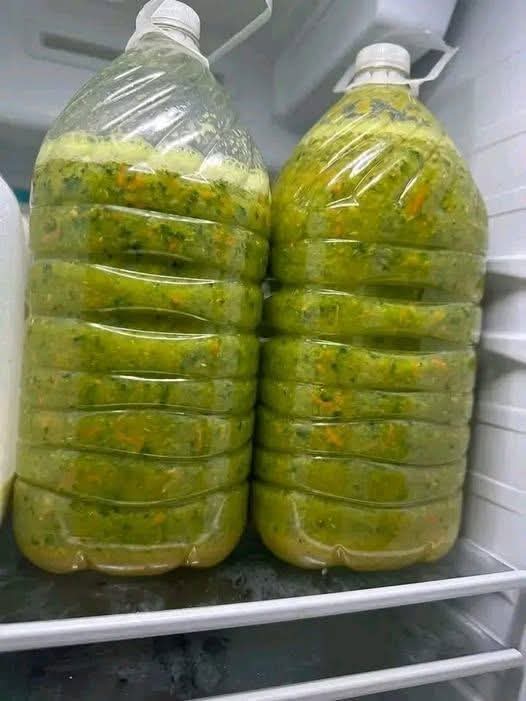
The Ultimate Guide to Batch Prepped Homemade Vegetable Stock and Soup Starter Base
Managing a busy kitchen while attempting to prepare wholesome, nutrient-dense home-cooked meals every night can feel like an impossible balancing act. Between work schedules, household responsibilities, and long grocery runs, cooking complex dishes from scratch often falls to the bottom of the priority list. However, there is a simple, time-tested kitchen hack that top culinary professionals and savvy home cooks rely on to save hours of prep work without sacrificing flavor or nutrition: batch-prepping a rich, homemade vegetable stock and soup starter base. By gathering fresh garden vegetables, aromatics, and leafy herbs, blending or finely chopping them, and storing them in large-capacity containers in the refrigerator or freezer, you create an instantly accessible foundation for soups, stews, rice dishes, sauces, and marinades.
Making your own vegetable base in bulk gives you total authority over every ingredient that enters your body. Commercial store-bought stocks, bouillon cubes, and canned broths are frequently loaded with artificial preservatives, excessive sodium, hidden sugars, monosodium glutamate (MSG), and palm oils. Preparing a fresh, vibrant, green vegetable concentrate directly in your own kitchen ensures that your family enjoys pure, unadulterated nutrients derived entirely from whole foods. Whether you want to streamline your weeknight meal prep, minimize food waste by utilizing leftover vegetables, or boost your daily intake of dietary fiber, vitamins, and minerals, learning how to prepare, store, and utilize a large-batch vegetable base is one of the most transformative culinary skills you can adopt.
Why You Should Make Your Own Large-Batch Vegetable Base
The modern grocery store shelf offers endless convenient shortcuts, but few match the quality, vitality, and health benefits of a freshly blended, homemade aromatic base. When you cook with store-bought liquid broths or powdered stocks, you are often paying for packaged water mixed with salt, yeast extract, and artificial flavor enhancers. Preparing your own concentrated vegetable base in bulk flips this dynamic entirely, offering an array of health, economic, and practical cooking advantages.
Superior Nutritional Value and Health Benefits
When vegetables are freshly processed and stored at peak freshness, they retain their rich array of essential vitamins, minerals, phytonutrients, and active antioxidants. A typical homemade green vegetable base packed with carrots, celery, parsley, onions, garlic, and leafy greens delivers a powerful dose of Vitamin A, Vitamin C, Vitamin K, folate, and potassium. Because you control the salt content, you can easily adapt the recipe for low-sodium diets, heart-healthy lifestyles, or specific meal plans without sacrificing depth of taste. Furthermore, whole-food vegetable bases retain healthy soluble and insoluble fibers that support gut health, microflora diversity, and smooth digestion.
Unmatched Culinary Depth and Flavor Flexibility
Commercially processed vegetable stocks often suffer from a flat, overly salty, or artificial taste profile. A freshly prepared vegetable base, on the other hand, possesses a bright, herbaceous, aromatic complexity that elevates simple dishes into restaurant-quality meals. Because the vegetables, herbs, and aromatics are ground or blended together, their natural essential oils and juices intermingle, creating a cohesive, savory flavor engine. You can seamlessly incorporate a few spoonfuls of this green starter into a simmering pan of risotto, stir it into a pot of lentils, use it to deglaze a pan after searing protein, or dilute it with water to create an instant, fragrant broth.
Massive Time Savings and Reduced Food Waste
One of the greatest barriers to home cooking is the monotonous daily task of washing, peeling, chopping, and dicing vegetables. By setting aside less than one hour once a month to prepare a large batch of vegetable base—such as the double two-liter batch shown in your kitchen setup—you completely eliminate the daily mess and prep time. Additionally, making a batch base is the absolute best way to practice zero-waste cooking. Surplus carrots, slightly softened celery, surplus herbs from the garden, leeks, broccoli stems, and onion ends can all be pulverized into a glorious, long-lasting flavor concentrate rather than heading to the compost bin.
Key Ingredients for a Balanced Vegetable Base
Creating a versatile, all-purpose vegetable starter requires a thoughtful balance of classic aromatic vegetables, fresh green herbs, and natural umami boosters. While you can easily customize your blend based on seasonal availability or dietary preferences, following a structured foundational ratio guarantees a balanced flavor profile that works across various cuisines.
The Aromatic Mirepoix Foundation
The traditional French mirepoix—consisting of onions, carrots, and celery—forms the essential baseline for almost all savory cooking worldwide.
- Onions and Leeks: Yellow, white, or red onions, alongside leeks and scallions, provide a essential sulfur compounds, sweet allium notes, and natural depth.
- Carrots: Fresh carrots lend a natural root sweetness, rich beta-carotene, vibrant natural color, and a pleasant earthy background note to balance pungent herbs.
- Celery: Celery stalks and their inner leafy tops add a crisp, savory, slightly salty aromatic undertone that acts as a natural flavor enhancer across all soups and stocks.
Pungent Alliums and Fresh Herbs
Herbs and alliums provide the distinct green color, aromatic fragrance, and punchy top notes that elevate a basic vegetable purée into a potent flavor enhancer.
- Garlic: Fresh garlic cloves deliver robust savory flavor, essential antibacterial and immunity-boosting compounds, and deep aromatic complexity.
- Flat-Leaf Parsley and Cilantro: Fresh green herbs are packed with chlorophyll, Vitamin C, and essential oils. Parsley adds a clean, bright, slightly bitter finish, while cilantro introduces a vibrant, refreshing herbal lift.
- Hardy Herbs (Thyme, Rosemary, Bay Leaves): Incorporating small amounts of woodier herbs gives your starter base a deep, slow-simmered herbal background that enhances rich stews and autumn soups.
Optional Flavor Boosters and Umami Enhancers
To give your vegetable base a deep, mouthwatering “savory” quality without relying on synthetic MSG or commercial additives, consider adding natural umami enhancers.
- Nutritional Yeast: A tablespoon or two introduces a nutty, savory, cheesy profile while adding B-complex vitamins.
- Dried Mushrooms or Mushroom Powder: Porcini or shiitake mushrooms supply rich glutamates that mimic the savory depth of long-simmered meat broths.
- Sea Salt and Olive Oil: High-quality sea salt acts as a natural preservative, pulling moisture out of the vegetables and locking in fresh flavor, while extra virgin olive oil carries fat-soluble flavor compounds smoothly throughout the mixture.
Step-by-Step Guide: How to Prepare Large-Batch Vegetable Starter
Preparing your own bulk green vegetable starter requires zero advanced culinary technique. All you need is a reliable food processor or high-speed blender, clean storage containers (such as food-grade plastic bottles, glass jars, or freezer-safe silicone molds), and fresh ingredients.
Equipment Needed
- High-speed blender or heavy-duty food processor
- Large mixing bowl
- Sharp chef’s knife and large cutting board
- Clean, food-safe storage bottles or wide-mouth mason jars
- Silicone funnel (for easy pouring into small bottle openings)
Ingredients List
- 4 large yellow onions, peeled and coarsely chopped
- 2 large leeks, thoroughly washed and sliced
- 10 large carrots, scrubbed and chopped
- 2 whole heads of celery (including leaves), washed and chopped
- 2 entire heads of fresh garlic, cloves peeled
- 2 large bunches of fresh flat-leaf parsley
- 1 large bunch of fresh cilantro or dill
- 1 cup extra virgin olive oil
- 4 tablespoons fine sea salt (adjust based on preservation preference)
- Optional: 1 cup chopped spinach, kale, or zucchini for extra body and vibrant green color
Instructions
Step 1: Wash, Prep, and Chop the Produce
Thoroughly clean all fresh produce under cold running water to remove any residual dirt or grit, especially within the layers of leeks and celery stalks. Coarsely chop the onions, carrots, celery, and leeks into uniform 1-to-2-inch pieces so your blender or food processor can process them evenly without overloading the motor.
Step 2: Pulse the Aromatics in Batches
Place the garlic cloves, chopped onions, and leeks into your food processor or blender. Pulse working in small batches until finely minced but not completely liquefied into juice. Transfer the processed alliums into a large mixing bowl. Next, add the carrots, celery, and leafy green herbs to the food processor and pulse until finely ground into a uniform, vibrant green paste.
Step 3: Combine, Season, and Bind
Pour all processed vegetables and herbs into your large mixing bowl. Add the extra virgin olive oil and sea salt directly to the mixture. Using a large spoon or spatula, mix the vegetable paste thoroughly for 2 to 3 minutes. The salt will begin drawing out natural vegetable juices, while the olive oil evenly coats the ground fiber, creating a rich, spoonable, emulsified paste.
Step 4: Portion and Bottle for Storage
Using a wide-mouth funnel, carefully spoon or pour the green vegetable base directly into clean, food-safe bottles, glass jars, or heavy-duty storage containers. Leave approximately 1.5 to 2 inches of headspace at the top of each bottle, especially if you plan to freeze them, as liquid contents expand when frozen. Seal the caps securely and wipe the outside of the containers clean.
Proper Storage, Freezing, and Preservation Techniques
Because this homemade vegetable base is made from fresh, unpasteurized whole foods without chemical additives, proper storage is essential to maintain maximum flavor, color, and nutritional safety.
Short-Term Refrigeration
If you plan to use your vegetable starter daily for routine cooking, store one bottle directly in the coldest part of your refrigerator (usually the bottom shelf toward the back). Thanks to the natural preserving qualities of added sea salt and olive oil, a tightly sealed bottle will remain fresh, fragrant, and vibrant in the refrigerator for 2 to 3 weeks. Always use a clean, dry spoon when scooping out the base to prevent introducing unwanted bacteria into the container.
Long-Term Freezing Methods
For long-term batch storage—such as keeping multiple liters on hand for months—freezing is the ideal method.
- Plastic Bottle Freezing: If utilizing large plastic bottles, ensure you leave adequate expansion space at the top before placing them upright in the freezer. Frozen vegetable base will preserve its peak flavor profile for 6 to 8 months.
- Ice Cube Tray Method: Spoon the fresh vegetable purée into silicone ice cube trays and freeze until solid. Pop the individual vegetable cubes out and store them in a heavy-duty, zip-top freezer bag. This allows you to pull out precise 1-tablespoon or 2-tablespoon portions whenever you need a quick boost of flavor for a single dish.
- Glass Mason Jars: If using glass jars, select straight-sided, freezer-safe mason jars and leave a generous 2-inch gap at the top to prevent glass breakage as the liquid expands during freezing.
Versatile Culinary Uses: How to Cook with Your Vegetable Base
Having a prepped bottle of vibrant green vegetable base in your fridge or freezer instantly speeds up meal preparation across dozens of recipes. Here are some of the best ways to incorporate your batch-prepared base into daily cooking:
Instant Soups and Broths
To make a quick, restorative vegetable broth, simply whisk 2 to 3 tablespoons of your green base into 4 cups of boiling water. Add canned beans, diced potatoes, cooked pasta, or shredded chicken, simmer for 10 minutes, and you have a rich, comforting home-cooked soup in a fraction of the time.
Savory Grains and Rice
Elevate plain white rice, quinoa, farro, or couscous by adding a generous tablespoon of the green starter base directly to the cooking liquid before bringing it to a boil. The grains will absorb the rich aromatic vegetable oils, turning out fluffy, savory, and deeply flavorful.
Sauces, Stews, and Braises
Use your starter as a classic cooking foundation. Instead of spending time chopping onions and garlic every evening, heat a splash of olive oil in a pan, add 2 tablespoons of your prepped base, and sauté for 2 to 3 minutes until fragrant. Add tomato paste for a rich pasta sauce, or pour in vegetable stock and coconut milk to build an amazing base for curries and hearty winter stews.
Pan Deglazing and Marinades
After searing meats, tofu, or mushrooms, spoon a small amount of the vegetable paste into the hot pan with a splash of water, citrus juice, or cooking wine. Scrape up the browned bits from the bottom of the pan to create an effortless, aromatic pan sauce. You can also mix the vegetable base with lemon juice, oregano, and olive oil to create an exceptional marinade for roasted vegetables, poultry, or fish.
Frequently Asked Questions
Can I make this vegetable base without adding any salt?
Yes, you can omit or reduce the salt if you are following a strict low-sodium or salt-free diet. However, keep in mind that salt acts as a natural preservative that helps maintain color and texture in the refrigerator. If you choose to make a salt-free base, store it immediately in the freezer in small ice cube portions rather than keeping a large bottle in the refrigerator.
Why did my green vegetable base change color slightly in the fridge?
It is completely natural for a fresh green vegetable mixture to darken slightly over time as oxidation occurs. The top layer exposed to air may turn a slightly muted green. This does not mean the product has spoiled. To minimize oxidation, ensure your container caps are tightly sealed, or pour a thin layer of olive oil over the top surface of the paste inside the jar to create a protective air barrier.
Can I add cruciferous vegetables like broccoli, cabbage, or cauliflower?
While small amounts of broccoli stems or kale leaves work well, avoid adding large quantities of raw cruciferous vegetables like cabbage, Brussels sprouts, or cauliflower to a long-term raw storage base. Over time, ground raw cruciferous vegetables can develop strong, bitter, sulfurous flavors. Stick primarily to root vegetables, alliums, celery, and fresh leafy herbs for the most versatile and pleasant taste profile.
Conclusion
Batch-prepping a vibrant, homemade vegetable stock and starter base is one of the single most efficient habits you can adopt for healthy, flavorful, and effortless home cooking. By spending just a short time blending fresh aromatics, root vegetables, and leafy herbs into a concentrated paste, you eliminate daily kitchen prep, eliminate reliance on ultra-processed store-bought broths, and drastically cut down on food waste. Keeping convenient liters or frozen cubes of this rich green flavor foundation ready in your kitchen guarantees that a hot, delicious, nutrient-dense meal is never more than a few minutes away. Try preparing your own custom batch this weekend and experience the unbelievable ease and elevated taste it brings to your daily cooking routine.