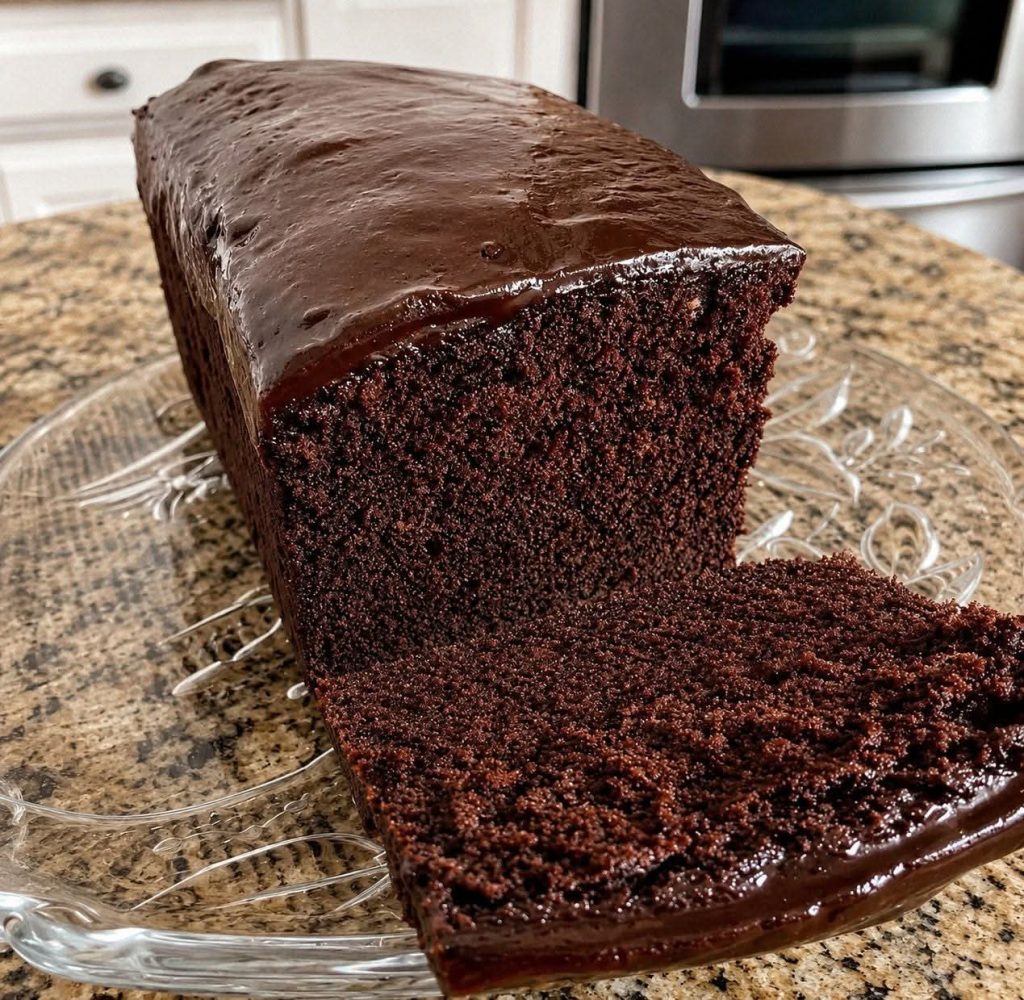
The Ultimate Rich Double Chocolate Loaf Cake
Introduction: The Pure Joy of Deep Chocolate Loaf Cake
There is something uniquely comforting about a classic loaf cake resting quietly on a cooling rack, waiting to be sliced. While layered celebration cakes demand hours of tedious frosting and precise assembly, a double chocolate loaf cake offers rich, decadent satisfaction with effortless elegance. Featuring a tender, tight crumb, deep cocoa undertones, and a luscious chocolate fudge glaze that cascades over the top, this loaf cake delivers high-end bakery style directly from your home oven. Whether served with a steaming mug of black coffee in the morning or enjoyed as an evening dessert, it stands out as a timeless standard in chocolate baking.
Many home bakers have encountered the disappointment of a dry, dense chocolate cake that tastes flat or overly sweet. Chocolate baked goods can be finicky because cocoa powder naturally absorbs moisture and dries out flour batters if not correctly balanced with healthy fats and liquid elements. This recipe solves that issue entirely. By utilizing a balanced combination of neutral oil, rich sour cream, and hot brewed coffee, this cake guarantees a velvety, melt-in-your-mouth texture that stays unbelievably moist for days after baking.
Why This Chocolate Loaf Cake Outshines the Rest
The secret to an exceptional chocolate cake lies in its depth of flavor and structural crumb. Instead of relying on a single note of sugar, this loaf harmonizes deep cocoa, dark chocolate chunks, sour cream acidity, and subtle espresso notes to create a balanced dessert profile. The crumb strikes a balance between a fluffy sponge and a dense pound cake, giving every slice enough body to hold its shape while remaining soft on the palate.
Furthermore, the crown of this loaf is coated in a glossy, melt-in-your-mouth chocolate glaze. Rather than a sugary glaze that crumbles or hardens into a chalky shell, this smooth fudge topping blends heavy cream with real chopped dark chocolate, resulting in a rich finish that elevates every single bite.
What Makes Standard Loaf Cakes Dry and How We Fix It
Traditional loaf cakes often suffer from dryness because their longer baking times cook off internal moisture before the center is completely baked through. Because a loaf pan is deep and narrow, heat travels slowly toward the center, which can lead to overbaking the outer edges while waiting for the middle to set.
To prevent this, our formula adjusts the ratio of liquids to solids. We swap butter for vegetable oil in the main batter base. While butter offers undeniable flavor, oil remains liquid at room temperature, which helps the crumb stay exceptionally soft and tender. We also incorporate full-fat sour cream, which introduces fat and gentle acidity without diluting the batter. Finally, blooming the cocoa powder in hot liquid unlocks latent flavor compounds while hydrating the dry cocoa particles before they enter the oven.
Understanding the Key Ingredients for Ultimate Moisture
The Science of Dutch-Process Cocoa vs. Natural Cocoa
Cocoa powder serves as the structural foundation for all chocolate cakes, but not all cocoa powders perform identically. Natural cocoa powder is untreated, acidic, and features a lighter, fruitier flavor profile. Dutch-process cocoa powder, on the other hand, has been washed with an alkaline solution to neutralize its natural acidity. This process darkens the powder, softens its bite, and delivers a deep, rich chocolate taste.
For this double chocolate loaf cake, high-quality Dutch-process cocoa powder is recommended. Its reduced acidity lets the dark cocoa notes shine without harsh bitterness, producing a gorgeous, dark interior crumb. If you only have natural cocoa powder available, it will still work, but the cake’s color will be slightly lighter and its flavor less intense.
The Role of Sour Cream and Oil in Baking
Fat plays a pivotal role in creating a tender loaf cake. It coats flour proteins, inhibiting gluten formation and creating a softer crumb structure. Vegetable or canola oil acts as our primary fat base, ensuring maximum softness that resists staling.
Sour cream introduces an extra layer of richness. Its subtle tartness cuts through heavy sugar, balancing the flavor profile while adding weight and moisture without making the batter overly thin. If sour cream is unavailable in your refrigerator, full-fat plain Greek yogurt serves as an excellent direct replacement, offering a similar fat content and acid level.
Why Hot Coffee Elevates Chocolate Flavor
Adding hot coffee to a chocolate batter might seem unusual if you dislike coffee, but rest assured: the finished cake will not taste like a coffee shop latte. Coffee acts as an natural flavor enhancer for cocoa, amplifying its rich undertones and deepening the cake’s savory chocolate profile.
The heat of the freshly brewed liquid serves another essential purpose: it “blooms” the cocoa powder. When hot coffee is whisked directly into cocoa powder, it dissolves lumps and activates the natural aromatic compounds in the cocoa, distributing a rich flavor throughout the batter.
Step-by-Step Guide: How to Make the Best Chocolate Loaf Cake
Preparing Your Loaf Pan for Perfect Release
Proper pan preparation is critical when baking dense loaf cakes, as dark chocolate batters can stick easily to corners and sides. Grease an 8.5×4.5-inch or 9×5-inch metal loaf pan thoroughly with butter or non-stick cooking spray. Line the bottom and long sides with a strip of parchment paper, leaving an inch of overhang on both sides. This creates a parchment sling that allows you to lift the baked cake out of the pan effortlessly without risking structural damage.
Mixing the Dry Ingredients
Sift your dry ingredients together into a large mixing bowl to ensure even distribution and remove any clumps. Combine 1 and 1/2 cups of all-purpose flour, 3/4 cup of Dutch-process cocoa powder, 1 cup of granulated sugar, 1/2 cup of packed light brown sugar, 1 teaspoon of baking powder, 1/2 teaspoon of baking soda, and 1/2 teaspoon of fine sea salt.
Whisk the dry ingredients together thoroughly. The inclusion of brown sugar adds molasses notes and moisture, which helps keep the crumb soft over time.
Whisking the Wet Base
In a separate medium bowl, combine 2 large room-temperature eggs, 1/2 cup of neutral oil (such as canola or vegetable oil), 1/2 cup of full-fat sour cream, and 2 teaspoons of pure vanilla extract. Whisk vigorously until the mixture is fully emulsified, smooth, and glossy.
In a heatproof measuring cup, prepare 1/2 cup of hot, strongly brewed black coffee or 1/2 cup of boiling water mixed with 1 teaspoon of espresso powder. Pour the hot liquid over a small portion of your cocoa powder or blend it directly into the wet ingredients to bloom the chocolate base before combining everything.
Combining and Folding for the Tenderest Crumb
Pour the wet mixture into the bowl with the dry ingredients. Using a rubber spatula or a hand whisk, gently stir the batter until just combined. Take care not to overmix at this stage; overworking flour generates gluten, which can turn a tender cake dense and tough.
Fold in 3/4 cup of semi-sweet dark chocolate chips or coarsely chopped dark chocolate chunks. This extra addition creates warm pockets of melted chocolate throughout every slice of the loaf.
Baking to Deep Chocolate Perfection
Pour the rich, glossy batter into your prepared loaf pan, smoothing the top evenly with a spatula. Preheat your oven to 350°F (175°C) and place the loaf pan on the center rack.
Bake for 50 to 60 minutes. Because loaf pans vary in depth and heat conductivity, start testing for doneness around the 48-minute mark. Insert a wooden skewer or long toothpick into the center of the loaf. It should come out clean or with a few moist crumbs attached. If you strike a melted chocolate chip, retest in a slightly different spot. Avoid overbaking, as the cake will continue to set as it cools in the pan.
The Rich Chocolate Fudge Glaze
Gathering Your Glaze Ingredients
A rich chocolate cake deserves a silky, indulgent topping. This easy glaze relies on four simple ingredients: 4 ounces of finely chopped high-quality dark chocolate (60% to 70% cocoa), 1/3 cup of heavy cream, 1 tablespoon of unsalted butter, and 1 tablespoon of pure maple syrup or corn syrup for shine.
Melting and Emulsifying for Mirror Shine
Heat the heavy cream and butter in a small saucepan over medium heat until it just begins to simmer around the edges. Place the finely chopped dark chocolate into a heat-safe glass bowl and pour the hot cream mixture over top. Let it sit untouched for two minutes to allow the heat to soften the chocolate.
Gently whisk from the center outward until the mixture turns into a glossy, velvety glaze. Stir in the syrup to lock in a brilliant, mirror-like finish that stays smooth after setting.
Glazing and Setting Your Cake
Allow the loaf cake to cool completely on a wire rack before applying the glaze. Pouring hot glaze over a warm cake will cause the glaze to run off and soak into the loaf rather than sitting atop it in a smooth layer.
Once the cake has reached room temperature, pour the warm fudge glaze over the center, allowing it to naturally cascade over the edges. Let the glaze set for 20 to 30 minutes at room temperature before slicing.
Pro Tips for Baking Success Every Single Time
Measuring Flour Correctly to Prevent Heavy Cakes
The single most common mistake in home baking is scoops of flour packed tightly into a measuring cup. This adds up to 25% more flour than a recipe requires, resulting in a dry, heavy, and crumbly loaf.
To measure flour correctly without a digital kitchen scale, use the “spoon and level” method. Fluff your flour with a fork, spoon it gently into your measuring cup until overflowing, and level off the top with the straight edge of a butter knife. For exact precision, weigh 180 grams of all-purpose flour on a scale.
Room Temperature Ingredients Matter
Cold eggs and cold sour cream do not blend smoothly into room-temperature oil and warm liquids. When cold ingredients hit melted fats, they cause ingredients to seize up, resulting in uneven baking and an inconsistent crumb texture. Pull your eggs and sour cream from the refrigerator about 30 to 45 minutes before baking to bring them to room temperature.
Checking for Doneness Without Overbaking
Due to the dark color of chocolate batter, you cannot rely on visual golden-brown cues to gauge doneness. Keep an eye on the top crust: it should rise into a gentle crown with a center split. The sides will pull away slightly from the pan, and the top will spring back when lightly touched in the middle.
Flavor Variations and Add-ins
Espresso Dark Chocolate Loaf
For coffee enthusiasts, double the espresso powder in the hot coffee component to 2 teaspoons and top the finished chocolate glaze with chocolate-covered espresso beans.
Salted Caramel Drizzle
After pouring the chocolate glaze over the cooled cake, finish it with a generous drizzle of homemade salted caramel and a light sprinkling of flaky Maldon sea salt for a sweet and savory twist.
Chocolate Chip and Walnut Twist
Fold 1/2 cup of toasted, chopped walnuts or pecans into the batter alongside the chocolate chips to add a pleasant nutty crunch that contrasts with the tender crumb.
Storing, Freezing, and Serving Suggestions
Room Temperature and Refrigerator Storage
Store your double chocolate loaf cake in an airtight container or cover it loosely with plastic wrap at room temperature for up to four days. Thanks to the sour cream and oil, the cake retains its moisture remarkably well. If stored in the refrigerator, bring individual slices back to room temperature before serving so the glaze and chocolate chips soften.
How to Freeze Individual Slices
This cake freezes wonderfully. Slice the unglazed or glazed loaf into individual portions, wrap each slice tightly in plastic wrap, and store them in a freezer-safe zip-top bag for up to three months. Thaw individual slices on the counter for 30 minutes or warm them in the microwave for 15 seconds for a warm, gooey treat.
Best Wine and Coffee Pairings
Pair a thick slice of this chocolate loaf with a strong dark roast coffee, a rich cappuccino, or a cold glass of whole milk. For an evening dessert pairing, serve it alongside a glass of Ruby Port, Stout beer, or a fruit-forward Cabernet Sauvignon.
Frequently Asked Questions (FAQs)
Can I substitute Greek yogurt for sour cream?
Yes, full-fat plain Greek yogurt works as a 1:1 substitute for sour cream. It offers similar moisture, acidity, and fat levels, maintaining the tender crumb of the cake.
Why did my loaf cake sink in the middle?
A sunken center usually indicates underbaking, overactive leavening agents, or opening the oven door too early in the baking process. Ensure your baking powder and soda are fresh, avoid opening the oven door before the 40-minute mark, and confirm a skewer comes out clean before removing the cake from the oven.
Can I bake this recipe in a different pan size?
Yes, this batter can be baked in an 8-inch round cake pan or a standard 12-cup muffin tin. Adjust the baking time down to 20-25 minutes for cupcakes or 30-35 minutes for an 8-inch round pan.
Recipe Card: Double Chocolate Loaf Cake
- Prep Time: 20 minutes
- Cook Time: 55 minutes
- Total Time: 1 hour 15 minutes
- Yield: 8-10 slices
Ingredients
- Dry Ingredients:
- 1 1/2 cups (180g) all-purpose flour
- 3/4 cup (75g) Dutch-process cocoa powder
- 1 cup (200g) granulated sugar
- 1/2 cup (100g) light brown sugar, packed
- 1 tsp baking powder
- 1/2 tsp baking soda
- 1/2 tsp fine sea salt
- Wet Ingredients:
- 2 large eggs, room temperature
- 1/2 cup (120ml) neutral vegetable oil
- 1/2 cup (120g) full-fat sour cream, room temperature
- 2 tsp pure vanilla extract
- 1/2 cup (120ml) hot brewed black coffee
- 3/4 cup (130g) semi-sweet dark chocolate chips
- Fudge Glaze:
- 4 oz (115g) dark chocolate, finely chopped
- 1/3 cup (80ml) heavy cream
- 1 tbsp unsalted butter
- 1 tbsp maple syrup or corn syrup
Instructions
- Preheat your oven to 350°F (175°C). Line an 8.5×4.5-inch loaf pan with parchment paper, leaving an overhang on the sides.
- In a large bowl, whisk together the flour, cocoa powder, granulated sugar, brown sugar, baking powder, baking soda, and sea salt.
- In a separate bowl, whisk the eggs, oil, sour cream, and vanilla extract until smooth. Stir in the hot coffee.
- Pour the wet mixture into the dry ingredients and stir with a spatula until just combined. Fold in the chocolate chips.
- Pour the batter into the prepared pan and smooth the top. Bake for 50-60 minutes, or until a toothpick inserted into the center comes out clean.
- Cool in the pan for 15 minutes, then use the parchment sling to transfer the loaf to a wire rack to cool completely.
- Prepare the glaze: Place chopped chocolate in a heat-safe bowl. Heat cream and butter until simmering, then pour over chocolate. Let stand for 2 minutes, then whisk until smooth. Stir in the syrup.
- Pour the warm glaze over the cooled loaf cake, let set for 20 minutes, slice, and enjoy.
Conclusion: Enjoying Your Homemade Chocolate Masterpiece
Mastering the art of a homemade chocolate loaf cake brings timeless joy to any home baker’s kitchen. With its moist crumb, rich flavor profile, and velvety chocolate fudge glaze, this loaf cake proves that simple rustic baking can deliver remarkable dessert results. Save this recipe for family gatherings, weekend baking projects, or late-night chocolate cravings—it is guaranteed to become a cherished staple in your recipe collection.