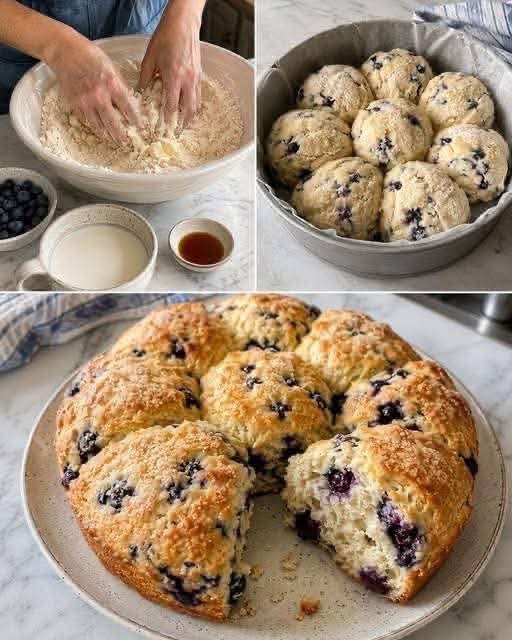
Ultimate Homemade Blueberry Scones Recipe Tender Flaky and Bakery Style
There is nothing quite like the aroma of freshly baked blueberry scones filling your kitchen on a quiet morning. Golden-brown on the outside, tender and flaky on the inside, and bursting with sweet, juicy blueberries in every bite, these classic bakery-style treats are the ultimate weekend indulgence. While many store-bought scones turn out dry and dense, this foolproof recipe delivers remarkably moist, soft centers paired with crisp, buttery edges. Whether you are hosting a festive brunch, preparing a afternoon tea spread, or simply treating your family to something special, learning how to make tender blueberry scones from scratch is a rewarding baking skill that requires just a handful of simple staple ingredients.
In this comprehensive guide, you will learn everything you need to know to achieve bakery-quality scones right at home. We will cover the essential ingredients, step-by-step preparation techniques, pro tips for getting maximum height and flakiness, variations to suit your taste, and precise storage methods so your baked goods stay fresh for days.
Why You Will Love This Blueberry Scone Recipe
Finding a truly great scone recipe can be a challenge, but this approach stands out for several key reasons:
- Unbeatable Texture: By using cold butter combined with gentle dough handling, these scones yield a crisp outer shell with a light, pillowy, layered crumb inside.
- Simple Pantry Staples: You do not need hard-to-find ingredients or specialized equipment—just basic baking items you likely already have in your pantry and refrigerator.
- Versatile and Adaptable: You can easily swap out the fruit, modify the dairy options, or add delicious glazes to customize the flavor profile to your liking.
- Freezer-Friendly Prep: Unbaked dough rounds can be shaped ahead of time and frozen, allowing you to bake fresh, warm scones on demand whenever cravings strike.
The Secret to Flaky, Moist Scones
Understanding the science behind baking flaky scones makes all the difference between a dry biscuit and a delicate pastry. Here are the core principles that guarantee success:
1. Keep the Butter Cold
Cold fat is the most critical component of a flaky scone. As the dough bakes, the tiny pockets of cold butter melt, creating steam. This steam expands within the dough, creating distinct air pockets that produce tender, buttery layers throughout the scone.
2. Handle the Dough Minimalistically
Overworking scone dough develops gluten, which results in a tough, rubbery, or heavy texture. Work as quickly and gently as possible when incorporating wet ingredients into the dry mixture, bringing the dough together just until it holds form.
3. Chill Before Baking
Resting and chilling your shaped scones in the refrigerator for 15 to 30 minutes before placing them into a hot oven ensures the butter stays firm. This step prevents the scones from spreading excessively and losing their round, high shape during baking.
Key Ingredients and Substitutions
To achieve the perfect balance of richness and lightness, each ingredient plays a specific role:
- All-Purpose Flour: Provides the ideal structural base without making the dough overly dense.
- Granulated Sugar: Adds just enough subtle sweetness to complement the natural tartness of the blueberries.
- Baking Powder: The primary leavening agent responsible for giving your scones impressive height and a soft crumb.
- Salt: Enhances and balances the rich, buttery flavors throughout the pastry.
- Unsalted Butter: Use high-quality, very cold unsalted butter cut into small cubes or grated directly into the dry ingredients.
- Fresh or Frozen Blueberries: Fresh blueberries offer vibrant flavor and hold their shape well. If using frozen blueberries, do not thaw them prior to mixing to prevent bleeding color into the dough.
- Heavy Cream or Buttermilk: Heavy cream yields a rich, tender texture, while buttermilk adds a delightful tang and helps activate the leavening agents.
- Vanilla Extract: Adds warmth and elevates the sweet floral notes of the berries.
- Coarse Sugar (Turbinado or Coarse Sanding Sugar): Sprinkled over the top before baking to provide an extra crisp finish and delicate crunch.
Step-by-Step Directions
Follow these detailed steps to craft golden, bakery-style blueberry scones at home:
Step 1: Prep Your Workspace and Dry Ingredients
Preheat your oven to 400°F (200°C) and line a round cake pan or baking sheet with parchment paper. In a large mixing bowl, whisk together the all-purpose flour, granulated sugar, baking powder, and salt until thoroughly combined.
Step 2: Cut in the Cold Butter
Add your chilled, cubed butter to the flour mixture. Using a pastry cutter, two knives, or clean fingertips, rub the butter into the flour until the mixture resembles coarse meal with a few pea-sized pieces of butter remaining.
Step 3: Mix the Liquid Base
In a separate glass measuring cup or small bowl, whisk together the cold heavy cream (or buttermilk) and pure vanilla extract.
Step 4: Combine Wet and Dry Mixtures
Gently pour the liquid mixture into the bowl with your dry flour and butter mixture. Using a fork or spatula, fold the ingredients together just until large, shaggy clumps form.
Step 5: Fold in the Blueberries
Gently fold in your fresh or frozen blueberries, taking care not to crush them so they remain whole throughout the dough.
Step 6: Shape and Arrange
Turn the dough onto a lightly floured surface or directly into your parchment-lined pan. Gently gather the dough into distinct round balls or press into a cohesive disc. Place the round dough portions side-by-side in a circular arrangement to encourage them to bake up tall and touch lightly at the edges.
Step 7: Chill, Top, and Bake
Place the pan into the refrigerator for 15 to 20 minutes to firm up the fat. Lightly brush the tops of the dough with a little extra heavy cream and sprinkle generously with coarse sugar. Bake for 22 to 26 minutes, or until the tops are deeply golden brown and the centers are baked through. Transfer to a wire rack to cool slightly before serving.
Pro Baking Tips for Success
To ensure your homemade scones turn out picture-perfect every time, keep these expert tips in mind:
- Grate Your Butter: Grating frozen butter on a box grater is one of the easiest ways to ensure small, evenly distributed bits of cold fat throughout the flour mixture.
- Don’t Over-Wet the Dough: Depending on ambient humidity and flour measuring accuracy, you may not need every drop of liquid. Stop adding liquid as soon as the dough holds together when pressed.
- Use a Hot Oven: Baking at a high temperature (400°F/200°C) generates rapid steam from the cold butter, pushing the dough upward for maximum rise.
Delicious Recipe Variations
While classic blueberry scones are fantastic on their own, you can easily adapt this base recipe to introduce exciting new flavors:
- Lemon Blueberry Scones: Add 1 tablespoon of freshly grated lemon zest to the dry flour mixture for a bright, citrusy twist that complements the berries perfectly.
- Vanilla Bean Glaze Finish: Whisk together 1 cup of powdered sugar, 2 tablespoons of milk, and 1/2 teaspoon of vanilla bean paste. Drizzle over cooled scones for extra sweetness.
- Almond Blueberry Scones: Swap out half of the vanilla extract for pure almond extract and top with sliced almonds prior to baking.
- Mixed Berry Scones: Replace half of the blueberries with diced fresh strawberries, raspberries, or blackberries for a vibrant berry blend.
Frequently Asked Questions
Can I use frozen berries instead of fresh?
Yes, frozen blueberries work exceptionally well in scone dough. Do not thaw them before adding to the flour mixture, as thawed berries release extra juice and can make the dough overly soggy.
Why did my scones turn out flat?
Flat scones usually result from warm butter or overworking the dough. If the butter melts before entering the hot oven, you lose the steam action needed to lift the pastry. Always keep ingredients chilled and avoid over-handling.
Can I make the dough ahead of time?
Absolutely. You can shape the dough into rounds, place them on a tray, and freeze until solid. Once frozen, transfer the unbaked dough balls to a freezer-safe bag. Bake directly from frozen, adding 2 to 4 minutes to the total baking time.
How to Store and Reheat
Proper storage ensures your baked treats maintain their tender texture and vibrant flavor over several days.
Room Temperature Storage
Store fully cooled scones in an airtight container lined with paper towels at room temperature for up to 2 days. The paper towels absorb excess moisture, helping preserve the crisp outer crust.
Freezing Baked Scones
Allow the baked scones to cool completely. Wrap each scone individually in plastic wrap and store them in a heavy-duty freezer bag for up to 3 months. Thaw overnight at room temperature before serving.
Reheating Instructions
To restore that fresh-from-the-bakery taste and texture, warm individual scones in a 350°F (175°C) oven or toaster oven for 5 to 8 minutes until heated through. Avoid microwaving, as this can make the pastry soft and rubbery.
Conclusion
Mastering the art of tender, bakery-style blueberry scones is easier than you think. By keeping your ingredients cold, mixing gently, and baking in a hot oven, you can consistently achieve beautiful, golden-brown pastry rounds packed with sweet blueberry goodness. Serve them warm with a knob of creamy butter, clotted cream, or a drizzle of sweet glaze alongside your morning coffee or afternoon tea. Gather your ingredients and enjoy baking a batch of fresh, delicious blueberry scones today!