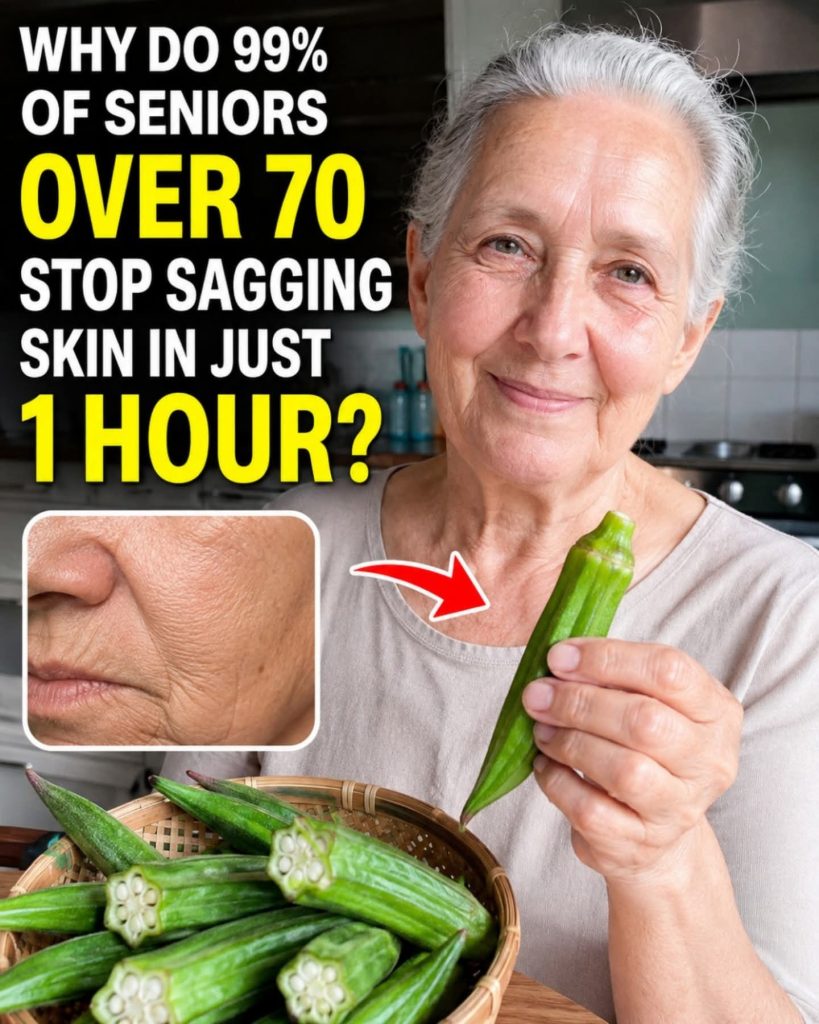
Why Do Seniors Over 70 Get Sagging Skin The Truth About Okra Collagen and Healthy Aging
As we get older, our skin naturally changes. Fine lines become more noticeable, the skin may feel drier and thinner, and areas around the cheeks, jawline, neck, and hands can gradually lose firmness. These changes are a normal part of aging, but that has not stopped the internet from searching for simple foods that might help support healthier-looking skin. One ingredient that has recently attracted attention is okra. The green, ridged vegetable is inexpensive, versatile, and naturally rich in nutrients, including vitamin C, folate, vitamin K, and other plant compounds. Social media posts sometimes claim that eating or preparing okra can “stop sagging skin in one hour” or dramatically restore youthful skin after age 70. Those claims are much stronger than the available evidence supports. The good news is that okra can still be a valuable addition to a healthy diet. While no food can instantly tighten loose skin, eating a nutrient-rich diet provides the body with nutrients needed for normal skin function. Combined with sun protection, hydration, adequate protein, physical activity, and a consistent skincare routine, good nutrition can support healthy aging from the inside out. In this article, we will look at why skin becomes less firm with age, what okra actually contributes nutritionally, how to prepare a simple okra recipe, and which realistic habits can help your skin look and feel its best.
Why Does Skin Become Saggy With Age?
Skin aging is a complex process influenced by genetics, sun exposure, hormones, lifestyle, and the natural decline in structural proteins over time. One of the most important changes involves collagen and elastin. Collagen provides much of the skin’s structural support, while elastin helps skin stretch and return toward its original shape. As we age, collagen production and the organization of connective tissue change. The skin also becomes thinner and may lose some of the fat and supportive tissue underneath it. Together, these changes can contribute to wrinkles, folds, and reduced firmness.
Sun Exposure Plays a Major Role
Long-term exposure to ultraviolet radiation is one of the most important environmental contributors to premature skin aging. UV exposure can damage collagen and other components of the skin, contributing to wrinkles, uneven pigmentation, and loss of elasticity. This is why protecting your skin from the sun is one of the most practical steps you can take to support healthy-looking skin as you get older.
Natural Aging Cannot Be Stopped With One Food
It is important to be realistic about what food can accomplish. No vegetable, fruit, drink, or homemade remedy can reverse the normal aging process in an hour. However, nutrition matters because the body needs protein, vitamins, minerals, essential fats, and other nutrients to maintain normal tissues—including skin. That makes healthy food choices worthwhile even when they cannot produce an instant cosmetic transformation.
Is Okra Good for Your Skin?
Okra can be part of a skin-supportive diet because it contains several nutrients and beneficial plant compounds. It provides vitamin C, which is important for normal collagen formation, as well as folate, vitamin K, and other nutrients. Okra also contains dietary fiber and has a naturally high water content. Eating okra does not mean that your wrinkles will disappear or that loose skin will suddenly become tight. Instead, think of okra as one nutritious vegetable among many that can contribute to an overall healthy eating pattern.
What Makes Okra Special?
Okra is a flowering plant commonly eaten as a vegetable. Its distinctive feature is its slightly sticky or mucilaginous texture when cooked or cut. This texture comes from naturally occurring soluble fiber and plant substances. Some people love it, while others prefer cooking methods that reduce the sliminess. Okra can be fried, roasted, grilled, sautéed, added to soups and stews, or cooked with tomatoes and other vegetables.
Okra Contains Vitamin C
Vitamin C is an essential nutrient involved in normal collagen production and antioxidant functions in the body. This does not mean that eating okra will instantly rebuild collagen in the skin. Your body uses nutrients as part of complex biological processes, and adequate nutrition is one piece of maintaining normal tissue health.
Okra Provides Dietary Fiber
Fiber is another major benefit of okra. Adequate dietary fiber supports normal digestive health and can make meals more satisfying. A healthy diet rich in vegetables, fruits, beans, lentils, and whole grains is generally a better long-term strategy than focusing on one “superfood.”
Okra Contains Plant Compounds
Like many colorful vegetables, okra contains various naturally occurring plant compounds. These contribute to the nutritional value of the vegetable and are one reason variety in vegetable choices is important.
Can Okra Tighten Sagging Skin?
Not instantly. There is no good evidence that eating okra can tighten sagging skin in one hour. The claim shown in the image is best understood as a social-media-style headline rather than an established scientific fact. Loose skin develops through structural changes in the skin and underlying tissues. Food cannot physically pull loose skin tight within minutes. That does not make okra useless. A diet that consistently provides adequate nutrients can support normal skin function, but visible changes in skin firmness depend on many factors and generally cannot be achieved through one meal.
A Simple Okra Recipe for a Healthy Diet
If you want to add more okra to your meals, this simple preparation is an easy place to start.
Ingredients
- 2 cups fresh okra
- 1 tablespoon olive oil
- 1 small tomato, chopped
- 1 small onion, sliced
- 1 clove garlic, minced
- ½ teaspoon paprika
- A pinch of black pepper
- A small amount of salt, according to taste
- 1 teaspoon fresh lemon juice
Instructions
Step 1: Wash the Okra
Rinse the okra thoroughly under cool running water and pat it dry. Drying the pods well can help reduce excess moisture during cooking.
Step 2: Slice the Pods
Trim the ends and slice the okra into small rounds. If you prefer larger pieces, simply cut each pod into halves or quarters.
Step 3: Sauté the Aromatics
Heat the olive oil in a skillet over medium heat. Add the onion and cook until it begins to soften. Add the garlic and cook briefly.
Step 4: Add the Okra
Add the sliced okra to the skillet and stir gently. Cook for several minutes until the pods begin to soften.
Step 5: Add Tomato and Seasonings
Add the chopped tomato, paprika, black pepper, and a small amount of salt. Continue cooking until the vegetables are tender.
Step 6: Finish With Lemon
Turn off the heat and add a small squeeze of fresh lemon juice. Serve warm as a side dish or light vegetable meal. This recipe provides a simple way to enjoy okra without relying on excessive frying or added sugar.
How to Reduce Okra’s Slimy Texture
If you are new to okra, the texture may be your biggest concern. Fortunately, several cooking techniques can help.
Keep the Okra Dry
Excess moisture can contribute to the characteristic slippery texture. Washing the pods and drying them thoroughly before cutting and cooking can help.
Use High Heat
Roasting or sautéing okra over relatively high heat can produce a firmer texture and reduce some of the mucilage.
Add Acid
Tomatoes, lemon juice, or vinegar can complement okra and may help make the final dish more appealing to people who dislike its texture.
Avoid Overcrowding the Pan
Give the pieces enough room to cook rather than steaming in a crowded skillet.
Can Okra Water Improve Skin?
Another viral trend involves soaking okra in water overnight and drinking the resulting liquid, sometimes called “okra water.” While okra water may provide some soluble compounds from the vegetable, claims that it dramatically improves skin, melts fat, balances hormones, or reverses aging are not well established. If you enjoy okra water, it can be an interesting way to consume a vegetable, but it should not replace a balanced diet or be treated as a miracle anti-aging treatment. For nutritional value, eating a variety of whole vegetables provides benefits that go beyond one homemade drink.
What Actually Helps Protect Skin as You Age?
If your goal is healthier-looking skin after 60 or 70, there are several habits that are considerably more meaningful than looking for one instant remedy.
1. Protect Your Skin From the Sun
Daily sun protection is one of the most important ways to reduce additional UV-related skin damage. Use appropriate sunscreen, seek shade when practical, and consider protective clothing and hats when spending time outdoors.
2. Eat Enough Protein
Protein provides amino acids that the body uses to build and maintain tissues. Older adults in particular should pay attention to getting adequate protein through foods such as eggs, fish, poultry, dairy products, beans, lentils, tofu, nuts, and seeds, depending on their dietary preferences and needs.
3. Eat a Variety of Fruits and Vegetables
Instead of relying on okra alone, rotate different colorful vegetables and fruits through your meals. Leafy greens, berries, citrus fruits, tomatoes, peppers, carrots, beans, and other produce provide different vitamins, minerals, and plant compounds.
4. Stay Hydrated
Adequate fluid intake supports normal body functions. Dehydration can make the skin appear temporarily less plump, although drinking extra water does not permanently eliminate wrinkles.
5. Avoid Smoking
Smoking is strongly associated with premature skin aging and can negatively affect many aspects of health. Avoiding tobacco is one of the most beneficial lifestyle choices for overall health and skin.
6. Get Enough Sleep
Sleep is important for general health and recovery. Maintaining a regular sleep schedule can support overall well-being, which is part of healthy aging.
7. Stay Physically Active
Regular physical activity supports cardiovascular health, muscle strength, mobility, and independence as we age. Strength training is particularly useful for maintaining muscle mass and function.
Why Muscle Mass Matters for an Older Appearance
When people talk about sagging skin, they often focus entirely on the skin itself. But changes in the tissues underneath the skin can also influence facial and body appearance. As people age, maintaining muscle mass becomes increasingly important for strength and mobility. Resistance exercise, when appropriate for an individual’s health and abilities, can help maintain muscle. This does not mean exercise will magically tighten loose skin, but maintaining healthy body composition and muscle strength can contribute to a stronger, healthier appearance overall.
Can Diet Reverse Wrinkles?
Diet cannot completely reverse wrinkles, but nutrition can support the body’s normal functions. A balanced eating pattern that includes adequate protein, fruits, vegetables, whole grains, healthy fats, and sufficient fluids provides the nutrients needed for normal tissue maintenance. Think of nutrition as a long-term foundation rather than an overnight cosmetic treatment.
What About Collagen Supplements?
Collagen supplements are widely marketed for skin elasticity and wrinkles. Some studies have reported modest improvements in certain skin measures with specific collagen products, but results vary, and supplements are not magic solutions. Before taking supplements, especially if you are over 70 or take prescription medications, it is sensible to discuss them with a healthcare professional. Whole-food nutrition should remain the foundation of a healthy diet.
How to Include More Okra in Your Weekly Meals
Okra is remarkably versatile, so you do not have to eat it the same way every time.
Roasted Okra
Toss sliced okra with a small amount of olive oil and seasonings, then roast until tender and lightly browned.
Okra and Tomatoes
Cook okra with tomatoes, onion, and garlic for a simple vegetable side dish.
Okra Soup
Add okra to soups and stews. Its natural thickening properties work especially well in hearty dishes.
Grilled Okra
Whole or halved okra can be grilled until lightly charred and tender.
Okra Stir-Fry
Combine sliced okra with peppers, onions, mushrooms, or other vegetables for a quick meal.
Common Myths About Okra and Aging Skin
Myth 1: Okra Removes Wrinkles in One Hour
There is no established evidence that eating or applying okra can remove wrinkles in an hour.
Myth 2: Okra Rebuilds All Lost Collagen Immediately
Collagen production is a complex biological process. A single serving of a vegetable cannot instantly replace structural proteins lost through aging.
Myth 3: Older Adults Should Eat Okra Every Day
Okra is nutritious, but there is no requirement to eat it every day. Variety is more important.
Myth 4: Natural Ingredients Cannot Cause Problems
Natural does not automatically mean risk-free. People can have food allergies, digestive sensitivities, or medical conditions that affect dietary choices.
Myth 5: A Homemade Mask Works Like a Medical Treatment
Applying vegetables to the skin is not equivalent to clinically tested skincare products. Some homemade preparations may also irritate sensitive skin.
Frequently Asked Questions
Is okra good for seniors over 70?
Okra can be a nutritious vegetable for older adults because it provides fiber and several vitamins and minerals. However, individual dietary needs vary, particularly for people with medical conditions or special dietary restrictions.
Does okra increase collagen?
Okra contains vitamin C, a nutrient involved in normal collagen formation. However, eating okra does not mean that collagen will suddenly increase in the skin or that sagging will disappear.
Can eating okra make you look younger?
No single food can make someone instantly look younger. A nutritious diet can support overall health and normal skin function, while factors such as genetics, sun exposure, sleep, smoking, and skincare also influence appearance.
How often should I eat okra?
There is no universal requirement. You can include okra as one of many vegetables in a varied diet.
Is okra better raw or cooked?
Both raw and cooked okra can be included in a healthy diet. Cooking changes texture and may affect some nutrients, so eating a variety of vegetables prepared in different ways is a practical approach.
Can I use okra directly on my face?
There is not enough evidence to recommend raw okra as a proven anti-aging facial treatment. If you have sensitive skin, applying homemade food-based preparations may cause irritation. A properly formulated skincare product is generally more predictable.
What is the best food for aging skin?
There is no single “best” food. A varied diet containing adequate protein, fruits, vegetables, healthy fats, and whole grains is a better approach to supporting overall health and skin nutrition.
A Realistic Anti-Aging Routine for Seniors
If you want a simple daily routine that supports healthy aging, focus on consistency rather than viral hacks. Start the day with a nutritious breakfast containing protein and produce. Drink fluids throughout the day according to your needs. Include vegetables such as okra, spinach, tomatoes, carrots, or broccoli with meals. Add healthy protein sources and unsaturated fats. Protect your skin from excessive sun exposure, moisturize when needed, and remain physically active according to your abilities. Most importantly, remember that aging skin is normal. The goal does not have to be looking decades younger. Healthy aging means maintaining comfort, function, confidence, and overall well-being.
Final Thoughts
The viral claim that okra can stop sagging skin in just one hour is not supported by reliable evidence. Eating okra cannot instantly tighten loose skin or erase wrinkles. However, that does not mean okra deserves to be ignored. Okra is a nutritious vegetable that can contribute fiber, vitamin C, and other beneficial nutrients to a balanced diet. Vitamin C plays an important role in normal collagen formation, making adequate vitamin C intake one piece of good nutrition. When combined with a varied diet, sufficient protein, sun protection, regular movement, adequate sleep, and good skincare habits, nutritious foods can support healthy aging. So instead of looking for a miracle food that transforms your skin overnight, enjoy okra as part of a long-term approach to health. A simple skillet of sautéed okra with tomatoes, garlic, onion, and lemon is delicious, affordable, and nutritious—and that is a much more realistic reason to put this versatile vegetable on your plate.