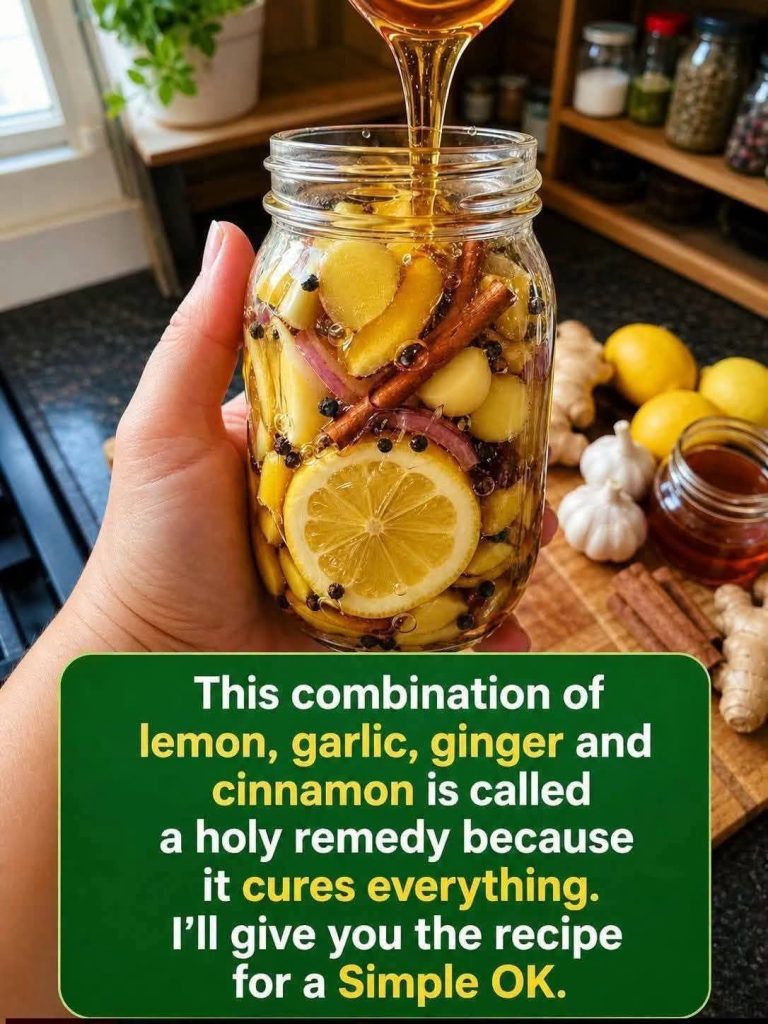
Ultimate Guide to Homemade Lemon Garlic Ginger Cinnamon Wellness Tonic A Traditional Honey Elixir
Natural home remedies and wellness elixirs have been cherished across global culinary traditions for centuries, offering a comforting and fragrant way to support daily vitality. Among the most popular traditional preparations is the combination of fresh lemon, garlic, ginger, and cinnamon steeped in rich, raw honey. Often referred to in folk wellness circles as a powerful seasonal tonic, this vibrant mixture combines the bright acidity of citrus, the pungent warmth of roots, and the sweet preservation properties of honey. Creating this infusion at home is an excellent way to keep a versatile, flavor-packed syrup on hand during changing seasons. Rather than viewing it as a mystical cure-all, modern wellness enthusiasts appreciate this elixir as a nutrient-dense, antioxidant-rich dietary supplement that complements a balanced lifestyle. This comprehensive guide will walk you through the wellness characteristics of each ingredient, detailed step-by-step instructions for preparing the fermentation, safe storage practices, and creative ways to integrate this traditional syrup into your daily routine.
The Wellness Dynamics of the Key Ingredients
To truly appreciate the value of this traditional honey infusion, it is helpful to explore the functional properties that each individual ingredient brings to the jar. When combined, these components create a synergistic blend of flavors and natural compounds that support general well-being.
Fresh Lemon and Vitamin C Support
Citrus fruits, particularly lemons, serve as the vibrant foundation of this wellness tonic, contributing both intense flavor and essential nutrients. Lemons are highly celebrated for their rich concentration of vitamin C (ascorbic acid), a potent water-soluble antioxidant that plays a fundamental role in supporting the body’s natural defenses and promoting healthy skin. The natural citric acid present in the juice and peel also acts as a mild preservative within the honey infusion, helping to balance the intense sweetness and ensuring the mixture maintains a bright, refreshing taste profile over time.
Pungent Garlic and Allicin Compounds
Garlic is one of the oldest cultivated plants in human history, utilized consistently for both culinary depth and traditional herbal practices. When raw garlic cloves are sliced or crushed, a chemical reaction occurs that produces allicin, a sulfur-containing compound responsible for garlic’s distinct aroma and functional properties. Allicin and associated organosulfur compounds have been widely studied for their role in supporting cardiovascular wellness and maintaining a healthy circulatory system. Steeping the garlic in honey helps mellow its aggressive flavor, transforming it into a sweet, savory, and highly approachable ingredient.
Warming Ginger Root and Gingerols
Ginger root introduces a sharp, fiery warmth to the infusion, making it an incredibly comforting component during the colder months of the year. The primary bioactive compounds found in fresh ginger are gingerols, which are closely related to capsaicin and piperine. Gingerols are renowned for their robust antioxidant and anti-inflammatory properties, making ginger a staple ingredient for soothing temporary digestive discomfort and promoting ease in the stomach. The aromatic essential oils in ginger also help cut through the heavy sweetness of the honey, adding a complex, spicy layer to the finished syrup.
Aromatic Cinnamon and Black Peppercorns
The inclusion of whole cinnamon sticks and black peppercorns elevates this tonic from a simple syrup to a highly sophisticated botanical infusion. Cinnamon is rich in cinnamaldehyde, an organic compound that gives the spice its sweet, woody aroma while contributing powerful free-radical scavenging properties that support metabolic wellness. Black peppercorns introduce a subtle, underlying heat due to the presence of piperine, an alkaloid compound known to enhance the bioavailability of various nutrients, ensuring your body can efficiently absorb and utilize the beneficial compounds present throughout the entire mixture.
The Essential Role of Raw Honey as a Base
Selecting the proper base liquid is critical to the success and safety of this traditional maceration process. Raw, unpasteurized honey serves as the perfect medium for extracting and preserving the active properties of the fresh botanical elements.
Natural Preservation and Moisture Extraction
Raw honey possesses unique physical properties that make it an exceptional natural preservative. Because honey has an extremely low water content (typically under 18%) and a naturally acidic pH, it creates a highly osmotic environment. When fresh slices of lemon, ginger, and garlic are submerged in honey, the honey draws out the natural juices and moisture from the plant tissues through osmosis. This process thins the thick honey into a pourable, highly concentrated syrup infused with the volatile oils, soluble nutrients, and distinct flavors of the submerged ingredients.
The Subtle Art of Wild Honey Fermentation
When fresh ingredients introduce moisture into raw honey, the water activity level increases slightly, which can activate wild yeasts naturally present in unpasteurized honey. This can initiate a gentle, slow fermentation process over several weeks. During this time, the mixture may develop small bubbles and a slightly tangy aroma, which is entirely normal for traditional honey ferments. This wild fermentation further breaks down the structural components of the garlic and ginger, making them incredibly tender, reducing their sharp bite, and developing a deeply complex, complex flavor profile that evolves the longer the jar sits on your counter.
Step-by-Step Recipe for the Honey Wellness Infusion
Preparing this traditional remedy at home requires minimal kitchen equipment and can be customized based on what you have available in your pantry. Following clean preparation guidelines ensures a high-quality, shelf-stable product.
Ingredients and Materials List
- 1 large organic lemon (thoroughly washed and thinly sliced into rounds)
- 1 whole head of fresh garlic (peeled and lightly smashed or sliced)
- 1 3-inch piece of fresh ginger root (washed and cut into thin coins)
- 2 to 3 whole cinnamon sticks
- 1 tablespoon whole black peppercorns
- 1.5 to 2 cups raw, unpasteurized liquid honey (enough to fully submerge the ingredients)
- 1 clean, sterilized 16-ounce glass Mason jar with a tight-fitting lid
Step 1: Cleaning and Sterilizing Your Equipment
Because this mixture is an un-cooked infusion that relies on the natural preservation properties of honey, maintaining a clean workspace is essential. Thoroughly wash your glass jar and lid with hot, soapy water, rinse completely, and let them air dry fully on a clean towel. Ensure that your cutting board, chef’s knife, and all fresh ingredients are completely free of surface water before you begin assembly, as introducing excessive external water can alter the stability of the honey.
Step 2: Slicing and Layering the Botanicals
Begin by trimming the ends of your clean lemon and slicing it into thin, uniform rounds, removing any visible seeds that could introduce a bitter flavor to the syrup. Peel your garlic cloves and use the flat side of your knife to lightly smash them, which ruptures the cell walls and activates the allicin compounds. Slice your fresh ginger root into thin coins; there is no need to peel the ginger if using organic roots, as the skin contains excellent aromatic oils. Begin layering the ingredients into your prepared glass jar, alternating between slices of lemon, ginger pieces, garlic cloves, whole cinnamon sticks, and a sprinkling of black peppercorns until the jar is loosely filled to about an inch below the rim.
Step 3: Pouring the Raw Honey
Slowly pour the raw liquid honey over the layered ingredients inside the jar. Because the mixture is tightly packed, the honey will take some time to seep down through the crevices to the bottom of the jar. Pour a small amount, pause to let it settle, and then add more. Use a clean wooden chopstick or a silicone spatula to gently stir the ingredients and dislodge any trapped air bubbles along the interior sides of the glass. Continue pouring until all of the ingredients are completely and utterly submerged under a layer of pure honey, leaving a small amount of headspace at the very top of the jar.
Step 4: Securing and Restationing the Infusion
Wipe any sticky honey residue off the rim of the jar with a clean, damp cloth and seal the lid tightly. Place the jar in a cool, dark location in your kitchen, such as a pantry or a cupboard away from direct sunlight and heat sources. Let the mixture sit undisturbed for at least 3 to 5 days before using it, though the flavor and complexity will improve dramatically if left to infuse for 2 to 4 weeks. During the first week, turn the jar upside down once a day to ensure the ingredients remain completely coated in honey, as the fresh juices will cause some ingredients to float to the top surface.
Smart Kitchen Tips for Safe Preservation
While honey infusions are highly stable, utilizing smart safety and maintenance techniques ensures your homemade wellness tonic remains fresh and delicious throughout its lifespan.
Managing Botulism Risks with Garlic and Honey
When dealing with raw garlic infusions, home food preservers often raise questions regarding Clostridium botulinum, a bacterium that thrives in anaerobic (oxygen-free), low-acid environments. While pure honey is too acidic and osmotic for botulinum spores to grow, adding fresh garlic and lemons alters the moisture and pH levels. Fortunately, the natural citric acid present in the lemon slices effectively lowers the overall pH of this specific infusion well below the safety threshold of 4.6, creating an environment where botulinum cannot develop. For peace of mind, you can utilize digital pH test strips to verify your batch is sufficiently acidic, or simply store the infusion in the refrigerator if you plan to keep it for an extended period.
How to Handle Honey Crystallization
Over time, raw honey has a natural tendency to crystallize, transforming from a smooth liquid into a thick, grainy solid. This is a completely natural process that indicates your honey is pure and unrefined. If your wellness tonic begins to crystallize, do not microwave it, as excessive direct heat will destroy the delicate enzymes and beneficial compounds present in both the raw honey and the fresh botanical ingredients. Instead, place the sealed glass jar into a bowl of warm water (around 110°F) and let it sit for 15 to 20 minutes, stirring occasionally until the crystals dissolve and the syrup returns to a liquid state.
Creative Ways to Integrate the Syrup Into Your Routine
This versatile infused honey syrup can be utilized in numerous delicious ways to support your daily wellness goals and add incredible depth to your culinary creations.
Comforting Morning Wellness Tea
The most traditional way to enjoy this elixir is by transforming it into a soothing hot beverage. Add 1 to 2 tablespoons of the infused honey syrup, along with a slice of the steeped ginger and lemon from the jar, into a mug of warm water. Ensure the water is warm rather than boiling hot to preserve the beneficial live properties of the raw honey. Stir thoroughly until fully dissolved and sip slowly to soothe a scratchy throat, ease digestion, or simply start your morning with a warming, grounding ritual.
Flavorful Culinary Marinades and Glazes
Beyond its wellness applications, this lemon garlic ginger honey makes an absolutely spectacular base for savory culinary sauces. Whisk a few tablespoons of the infused syrup with a splash of tamari or soy sauce, a drizzle of toasted sesame oil, and a touch of rice vinegar to create a gourmet glaze for roasted salmon, grilled chicken, or stir-fried tofu. The natural sugars in the honey caramelize beautifully under heat, while the embedded flavors of cinnamon, garlic, and ginger infuse the protein with an incredible depth of flavor.
Nutrient-Dense Salad Dressings
Create a bright, artisanal vinaigrette by combining 2 tablespoons of the liquid honey tonic with 1/4 cup of cold-pressed extra virgin olive oil, 2 tablespoons of apple cider vinegar, and a pinch of sea salt. Emulsify the mixture thoroughly with a small whisk or shake it vigorously in a small jar. The resulting dressing offers a beautiful balance of sweet, tangy, and subtly spicy notes that pair exquisitely with crisp dark leafy greens, roasted root vegetables, toasted nuts, and goat cheese.
Frequently Asked Questions (FAQs)
Is this tonic safe for young children?
It is absolutely vital to remember that raw honey should never, under any circumstances, be given to infants under one year of age. Infant botulism is a rare but serious condition that can occur if an infant consumes honey containing specific bacterial spores before their digestive systems are mature enough to handle them. For older children and adults, this traditional infusion is perfectly safe and serves as a wonderful alternative to synthetic seasonal syrups.
How long can you store the infusion?
When kept in a tightly sealed glass container in a cool, dark pantry, this infused honey can last for up to 3 to 6 months. If you prefer to store it in the refrigerator, it can keep safely for up to a full year, though the cool temperature will cause the honey to thicken significantly and may slow down the beneficial extraction process. Always use a clean, dry spoon when scooping from the jar to avoid introducing external bacteria or excess moisture that could cause spoilage.
What should I do if the mixture bubbles?
If you notice tiny bubbles forming around the lemon slices or a slight pressure release when you open the lid, do not alarm yourself. This is a clear indicator that the natural yeasts in the raw honey are interacting with the moisture from the fresh ingredients to create a gentle, beneficial wild fermentation. Simply “burp” the jar by opening the lid slightly once a day to release any accumulated gas, and enjoy the deep, complex flavors that develop as a result of this natural process.
Can I reuse the ingredients after the syrup is gone?
Absolutely. Once you have used up all the liquid honey syrup, the remaining candied garlic, ginger, and lemon slices are packed with incredible flavor and should not be thrown away. You can chop up the tender ginger and garlic to use in baking or savory Asian-inspired stir-fries, or blend the entire remaining contents of the jar into a smooth paste to mix into hot teas, oatmeal, or homemade barbecue sauces.
Conclusion
Crafting a homemade jar of Lemon Garlic Ginger Cinnamon Wellness Tonic is a wonderful way to embrace traditional herbal practices and bring the functional benefits of whole food ingredients into your daily life. By relying on the natural chemistry of raw honey to extract and preserve the essential oils and nutrients of fresh roots and citrus, you create a powerful, flavor-dense pantry staple that supports your body naturally. Whether you utilize it as a comforting warm beverage during seasonal transitions, a glaze for wholesome dinners, or a bright addition to your salad dressings, this rustic elixir is a beautiful testament to the power of simple, unrefined kitchen ingredients. Gather your fresh aromatics, select a high-quality raw honey, and enjoy the rewarding process of brewing your own batch of traditional wellness support.