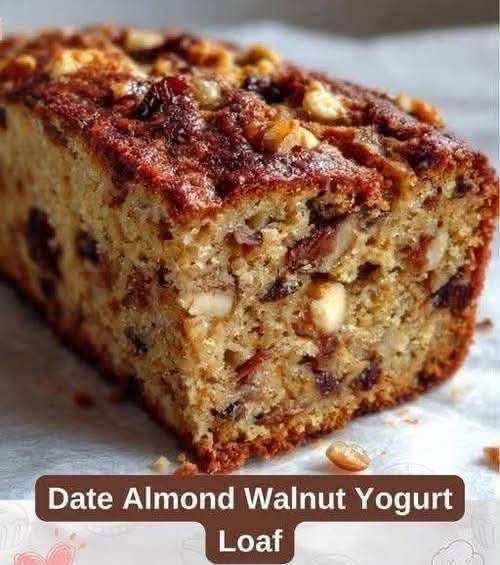
Ultimate Guide to Homemade Date Almond Walnut Yogurt Loaf The Perfect Healthy Quick Bread
Quick breads have long held a cherished place in the home baker’s repertoire, offering all the comforting warmth of fresh-baked goods without the time-consuming labor of yeast fermentation. Among the vast array of banana breads, pumpkin loaves, and zucchini cakes, one spectacular combination stands out for its sophisticated flavor profile, exceptional moisture retention, and outstanding nutritional density: the Date Almond Walnut Yogurt Loaf. This magnificent loaf combines the rich, caramel-like sweetness of dried dates with the earthy, satisfying crunch of toasted almonds and walnuts, all bound together by a tender, pillow-soft crumb made possible by the addition of creamy yogurt. Whether enjoyed as a nutrient-packed breakfast on the go, an elegant afternoon tea accompaniment, or a wholesome evening treat, this quick bread strikes the perfect balance between indulgence and health. This comprehensive guide will walk you through the essential food science behind this recipe, detailed step-by-step baking instructions, expert troubleshooting techniques, and creative variations to ensure your homemade loaf turns out beautifully every single time.
Why This Date Almond Walnut Yogurt Loaf Works
Understanding the culinary science behind a recipe is the secret to becoming an intuitive and successful home baker. This specific loaf relies on a precise harmony of ingredients that interact with one another to produce a texture and flavor profile that is far superior to standard quick breads.
The Role of Greek Yogurt in Quick Breads
Yogurt is an absolute powerhouse ingredient in the world of baking, performing multiple critical functions that elevate the structural integrity and mouthfeel of the loaf. Firstly, the natural lactic acid present in yogurt acts as a powerful tenderizer by breaking down tight gluten strands within the flour, resulting in an incredibly delicate, fine-grained crumb that melts in your mouth. Secondly, yogurt provides a massive amount of fat-based moisture without thinning out the batter the way regular milk or water would, allowing the loaf to remain intensely moist for days after baking without becoming soggy or dense. Finally, the acidity of the yogurt serves as the primary chemical activator for the baking soda in the recipe, creating a vigorous release of carbon dioxide gas bubbles that helps this heavy, nut-loaded batter rise into a proud, beautifully domed loaf.
Natural Sweetness from Medjool Dates
Rather than relying solely on heavily refined white sugars, this recipe leverages the magnificent, unrefined sweetness of whole dried dates. Dates are nature’s candy, bursting with a deep, complex flavor profile that hints at brown sugar, molasses, and rich butterscotch. When chopped and folded throughout the batter, the dates partially soften during the baking process, creating delightful pockets of gooey, caramel-like sweetness that contrast beautifully with the surrounding cake. Furthermore, because dates are packed with natural dietary fiber, they slow down the absorption of sugars into your bloodstream, providing a sustained release of clean energy rather than the sharp sugar crashes associated with traditional processed pastries.
Textural Harmony of Almonds and Walnuts
A truly exceptional baked good should engage multiple senses simultaneously, and the pairing of almonds and walnuts introduces an irresistible textural counterpoint to the soft, tender crumb of the yogurt loaf. Walnuts contribute a rich, slightly bitter oiliness and a soft, buttery crunch that complements the sweet dates perfectly. Almonds, on the other hand, offer a firmer, more distinct snap and a clean, nutty aroma that rounds out the entire flavor profile. By combining both nuts, you achieve a complex, multi-layered texture that ensures every single bite of the loaf is uniquely satisfying and full of character.
Essential Ingredients for the Perfect Yogurt Loaf
To achieve a bakery-quality result, it is essential to select high-quality ingredients and understand how each component contributes to the final masterpiece.
Selecting the Best Dates and Nuts
For the ultimate flavor experience, look for whole Medjool dates rather than pre-chopped, dehydrated dates sold in baking aisles. Medjool dates are famously plump, soft, and highly moist, making them incredibly easy to chop and much more luxurious in texture. Before mixing them into your batter, ensure you remove the internal pits completely. When it comes to the nuts, purchasing raw, whole almonds and walnut halves allows you to control the chopping size and freshness. For an even deeper, more complex aroma, take a few minutes to lightly toast the nuts in a dry skillet over medium heat for 3 to 5 minutes until they become fragrant before incorporating them into the dough.
Dry Ingredients and Leavening Agents
The backbone of this quick bread consists of a balanced blend of unbleached all-purpose flour, chemical leaveners, and salt. All-purpose flour provides the ideal amount of protein needed to create a sturdy structural framework that can support the heavy weight of the nuts and dates without collapsing. To achieve the perfect rise, a dual-action combination of baking powder and baking soda is utilized. The baking soda reacts immediately with the acidic yogurt, providing an initial burst of leavening as soon as the wet and dry ingredients touch, while the baking powder activates later when exposed to the intense heat of the oven, ensuring a continuous, even rise throughout the entire baking cycle. A generous pinch of fine sea salt is absolutely critical, as it acts as a flavor enhancer that cuts through the sweetness of the dates and amplifies the nutty characteristics of the walnuts and almonds.
Wet Ingredients and Healthy Fats
In addition to the star ingredient, Greek yogurt, this recipe utilizes a modest amount of neutral liquid oil, such as avocado oil, canola oil, or light olive oil. While butter adds excellent flavor, liquid oils are superior at keeping quick breads incredibly soft and moist at room temperature, as oil remains liquid whereas butter solidifies as it cools. Whole eggs are incorporated to provide essential emulsifiers, structural proteins, and a rich golden color, helping to bind the fat and water molecules together into a cohesive, homogenous batter. A splash of pure vanilla extract adds a final layer of aromatic warmth that ties all the individual flavor components together into a harmonious whole.
Step-by-Step Instructions for Baking the Ultimate Loaf
Following a structured, orderly approach to mixing and baking is the most reliable way to guarantee a flawless result with a perfect rise and an even distribution of mix-ins.
Ingredients List
- 2 cups unbleached all-purpose flour
- 1 teaspoon baking powder
- 1/2 teaspoon baking soda
- 1/2 teaspoon fine sea salt
- 1 cup full-fat plain Greek yogurt
- 1/2 cup granulated cane sugar or packed light brown sugar
- 1/3 cup neutral cooking oil (such as avocado or vegetable oil)
- 2 large eggs (at room temperature)
- 1 teaspoon pure vanilla extract
- 1 cup whole Medjool dates (pitted and coarsely chopped)
- 1/2 cup raw walnuts (coarsely chopped)
- 1/2 cup raw almonds (coarsely chopped)
- 2 tablespoons honey or maple syrup (optional, for a glossy post-bake glaze)
Step 1: Prepping the Ingredients and Pans
Begin by preheating your oven to 350°F (175°C) and ensuring that your oven rack is positioned directly in the center to allow for even heat circulation. Prepare a standard 9×5-inch metal loaf pan by greasing the interior thoroughly with a small amount of oil or non-stick cooking spray. For effortless removal after baking, line the pan with a strip of parchment paper, leaving a 2-inch overhang on the long sides to act as a “sling” that allows you to easily lift the finished loaf out of the pan. Chop your pitted Medjool dates, walnuts, and almonds into uniform, bite-sized pieces, ensuring they are not too large, which could cause them to sink to the bottom of the batter, nor too small, which would eliminate the desired crunch.
Step 2: Mixing the Wet and Dry Ingredients Separately
In a large mixing bowl, sift together the all-purpose flour, baking powder, baking soda, and fine sea salt. Use a wire whisk to stir the dry mixture vigorously for 30 seconds, ensuring the leavening agents are completely and evenly distributed throughout the flour matrix to prevent any uneven rising or bitter pockets of baking soda. In a separate, medium-sized bowl, combine the plain Greek yogurt, sugar, neutral cooking oil, room-temperature eggs, and pure vanilla extract. Whisk the wet ingredients together energetically until the sugar has completely dissolved and the mixture transforms into a perfectly smooth, glossy, and pale-yellow liquid.
Step 3: Combining and Folding in the Fruits and Nuts
Pour the fully emulsified wet ingredients directly into the bowl containing the dry flour mixture. Using a flexible silicone spatula, gently fold the ingredients together using a circular motion, scraping up from the bottom of the bowl and cutting through the center. Stop mixing when the flour is about 80% incorporated and a few dry streaks still remain visible. At this exact moment, dump the chopped dates, chopped almonds, and chopped walnuts directly into the bowl. Continue folding gently just until the dry flour completely disappears and the fruits and nuts are evenly distributed throughout the thick batter. Be incredibly careful not to overmix at this stage, as excessive stirring will develop tough gluten networks that destroy the tender texture of the bread.
Step 4: Baking to Golden Perfection
Scrape the thick batter into your prepared loaf pan, using the spatula to smooth the top surface into an even layer. If desired, you can sprinkle a few extra chopped nuts and a dusting of coarse sugar across the top of the batter to create a visually stunning, crunchy crust like the one seen in the image. Place the pan onto the center rack of your preheated oven and bake for 50 to 60 minutes. Because this loaf is highly moist and dense, it requires a relatively long baking time to cook through to the very center. At the 40-minute mark, check on the progress of your loaf; if the top crust is turning a deep golden brown too quickly, simply tent a piece of aluminum foil loosely over the top of the pan to protect it from burning while the interior continues to bake. The loaf is fully cooked when a wooden skewer or cake tester inserted into the absolute center comes out completely clean or with just a few moist, non-gummy crumbs attached.
Step 5: The Cooling Process
Once fully baked, remove the pan from the oven and set it on a wire cooling rack. Allow the loaf to rest undisturbed inside the warm pan for exactly 10 to 15 minutes. This brief resting period allows the fragile internal structure of the hot bread to firm up and stabilize, making it much less likely to break apart. After 15 minutes, carefully grab the parchment paper overhangs and lift the loaf out of the metal pan, transferring it directly onto the wire rack to cool completely. For an extra touch of luxury, you can brush the top crust of the warm loaf with a thin layer of honey or maple syrup, creating a beautiful, glossy sheen that locks in moisture. Let the loaf cool for at least 45 to 60 minutes before attempting to slice it, as cutting into a piping hot quick bread will cause the steam to collapse the internal crumb, leading to a gummy texture.
Baker’s Secrets for a Moist and Tender Crumb
Achieving the picture-perfect results of a professional bakery requires mastering a few simple, high-impact baking techniques that eliminate common errors.
How to Avoid Overmixing Quick Bread Dough
The single most common mistake made when preparing quick breads is overworking the batter. The moment wet ingredients contact dry flour, gluten proteins begin to link together and form elastic chains. While strong gluten is desirable for chewy yeast breads, it is the ultimate enemy of a tender, delicate quick bread. Overmixing traps excess air and forces the gluten to become tightly wound, resulting in a finished loaf that is tough, rubbery, and marred by large, unsightly vertical holes known as “tunneling.” Always use a gentle hand and a folding motion rather than a vigorous beating motion, and stop mixing the absolute second no dry flour is visible.
Measuring Flour Accurately Without a Scale
Baking is an exact science where a slight imbalance of dry to wet ingredients can drastically alter the final product. If you do not own a digital kitchen scale to measure your flour in grams, you must avoid the common trap of scooping flour directly out of the bag with a measuring cup, which packs the flour down tightly and adds up to 25% more flour than a recipe requires, leading to a dry, dense, and crumbly loaf. Instead, use the “spoon and level” method: use a spoon to fluff up the flour inside your container, gently spoon it into your measuring cup until it overflows, and use the flat back of a knife to sweep away the excess flour smoothly without pressing down.
Troubleshooting a Sunken Middle
It can be incredibly discouraging to pull a beautiful loaf out of the oven only to watch the center collapse into a deep crater as it cools. A sunken middle typically occurs due to one of three reasons: old leavening agents, underbaking, or opening the oven door too early. Always ensure your baking powder and baking soda are fresh by checking their expiration dates, as expired leaveners cannot sustain the rise of a heavy batter. Additionally, never open the oven door during the first 30 minutes of baking, as the sudden influx of cool air can disrupt the delicate, un-set air pockets inside the rising loaf and cause them to deflate instantly. Always verify the center is fully baked using a toothpick before removing the pan from the oven.
Creative Recipe Variations and Substitutions
One of the greatest joys of this versatile yogurt loaf is how easily it can be adapted to accommodate dietary restrictions or personal flavor preferences.
Gluten-Free and Dairy-Free Alternatives
To convert this magnificent loaf into a gluten-free treat, simply replace the all-purpose flour with a high-quality, commercial 1:1 gluten-free baking flour blend that contains xanthan gum. Xanthan gum is essential as it replicates the binding properties of gluten, ensuring your loaf holds together beautifully when sliced. If you need to avoid dairy, substitute the traditional Greek yogurt with an equal volume of a thick, plain, fat-free or full-fat plant-based yogurt made from coconut milk or almond milk, and ensure you select a brand with a relatively low water content to preserve the thick consistency of the batter.
Adding Warm Autumn Spices
While the natural flavors of dates, almonds, and walnuts are deeply satisfying on their own, you can easily elevate the aromatic complexity of this quick bread by introducing warm baking spices into the dry ingredient mixture. Adding 1 teaspoon of ground cinnamon, 1/2 teaspoon of ground ginger, and a quarter-teaspoon of freshly grated nutmeg or ground allspice transforms the loaf into a comforting, cozy autumn treat that pairs exquisitely with a hot cup of spiced chai or a dark roast espresso.
Swapping Nuts and Dried Fruits
Feel free to use this recipe as a baseline blueprint for your own creative culinary experiments. If you do not have walnuts or almonds on hand, they can be easily substituted with an equal volume of toasted pecans, chopped macadamia nuts, pistachios, or even pumpkin seeds for a nut-free variation. Similarly, if you want to diversify the fruit profile, you can swap out half of the chopped Medjool dates for dried figs, sweet dried cranberries, golden raisins, or chopped dried apricots, creating a vibrant, multi-colored jeweled loaf that looks stunning on any serving platter.
Nutritional Profile and Health Benefits
Unlike traditional cakes and pastries that are loaded with empty calories and refined fats, this Date Almond Walnut Yogurt Loaf is packed with functional, nutrient-dense ingredients that support a healthy body.
High Fiber and Sustained Energy from Dates
Dates are an extraordinary source of naturally occurring dietary fiber, which plays a monumental role in regulating healthy digestion, supporting gut health, and promoting a long-lasting feeling of fullness and satiety. This fiber slows down the digestion process, preventing the sharp, rapid spikes and subsequent crashes in blood sugar levels that are common after consuming standard white-sugar baked goods, making this loaf an exceptional pre-workout snack or a smart mid-afternoon energy booster.
Healthy Fats and Protein from Nuts
Both almonds and walnuts are highly celebrated for their incredible density of heart-healthy monounsaturated and polyunsaturated fats. Walnuts are particularly unique as they are one of the richest plant-based sources of alpha-linolenic acid (ALA), an essential omega-3 fatty acid known to reduce bodily inflammation and actively support optimal brain function and cognitive health. Almonds contribute a powerful dose of vitamin E, a potent fat-soluble antioxidant that protects cells from oxidative damage, alongside a healthy serving of plant-based protein that works in tandem with the yogurt to make this quick bread genuinely nourishing.
Probiotics and Calcium from Yogurt
By incorporating a full cup of Greek yogurt into the foundation of the batter, you infuse the loaf with essential bone-building calcium and high-quality protein. While the live probiotic cultures naturally present in raw yogurt are deactivated during the high-heat baking process, the proteins and minerals remain fully intact, contributing to muscle repair and bone density while ensuring the loaf provides a substantial structural nutritional profile that leaves you feeling genuinely satisfied.
How to Store, Slice, and Serve Your Yogurt Loaf
Proper storage and serving techniques are vital to preserving the magnificent texture and extending the lifespan of your homemade quick bread.
Optimal Room Temperature and Refrigerator Storage
Because this loaf is exceptionally moist due to the dates and Greek yogurt, storing it improperly can lead to premature spoilage or a soggy exterior. Once the loaf has cooled completely to room temperature, wrap it tightly in a layer of plastic wrap or aluminum foil, or place it inside an airtight container. The loaf can be kept safely on your kitchen counter at room temperature for up to 3 to 4 days, where it will actually develop a deeper, more unified flavor profile on the second day. If you live in a highly humid environment, store the wrapped loaf in the refrigerator for up to 1 week to maintain freshness, though you may want to warm individual slices slightly before eating to restore their soft texture.
Freezing and Thawing Instructions
This yogurt loaf freezes exceptionally well, making it a brilliant candidate for double-batch baking and long-term meal prepping. To freeze the loaf whole, wrap it securely in two layers of plastic wrap followed by a final layer of heavy-duty aluminum foil to prevent freezer burn, and store it for up to 3 months. Alternatively, for maximum convenience, slice the fully cooled loaf completely before freezing. Place individual pieces of parchment paper between the slices to prevent them from sticking together, and store them in a heavy-duty freezer bag. When a craving strikes, simply pull out a single slice and place it directly into your toaster or toaster oven for a few minutes until it is warm, crisp, and fragrant.
Creative Ways to Serve Your Loaf
While a simple slice of this Date Almond Walnut Yogurt Loaf is spectacular on its own, you can elevate the presentation and flavor experience through various creative serving methods. Serve a thick slice slightly warmed with a generous smear of salted butter, cream cheese, or artisanal almond butter for a decadent breakfast. For an elegant dessert, top a toasted slice with a scoop of vanilla bean ice cream, a drizzle of warm caramel sauce, and a light dusting of flaky sea salt. It also makes a magnificent addition to a morning brunch charcuterie board, pairing beautifully with fresh grapes, sharp white cheddar cheese, and cured meats.
Frequently Asked Questions (FAQs)
Can I use low-fat or flavored yogurt?
While you can technically use low-fat or non-fat Greek yogurt, full-fat plain Greek yogurt is highly recommended for the best texture. The natural milk fats present in whole-milk yogurt are essential for lubricating the gluten strands, ensuring a tender, soft crumb and preventing the loaf from turning out dry or overly dense. If you choose to use a flavored yogurt, such as vanilla Greek yogurt, ensure you reduce the granulated sugar in the recipe by 2 to 3 tablespoons to compensate for the added sugars present in the flavored yogurt blend.
Why did my loaf turn out dense or heavy?
A dense or heavy loaf is typically the result of one of two common issues: overmixing the batter or using expired leavening agents. Overmixing creates a tight, rubbery gluten network that physically prevents the loaf from expanding properly in the oven. Alternatively, if your baking powder or baking soda has been sitting in your pantry for more than six months, it may have lost its chemical potency, leaving it unable to produce enough gas bubbles to lift the heavy weight of the dates and nuts. Always test your baking soda in a little vinegar to ensure it fizzes vigorously before using it.
Can I substitute the sugar completely with date paste?
Yes, if you wish to create a completely refined-sugar-free loaf, you can substitute the granulated sugar with an equal volume of homemade or store-bought date paste. To make your own, simply soak pitted Medjool dates in boiling water for 10 minutes, then blend them in a food processor with a small splash of the soaking liquid until a smooth, thick paste forms. Keep in mind that using date paste will add extra moisture and weight to the batter, which may slightly increase the total baking time and result in a slightly denser, more pudding-like internal texture that is incredibly delicious.
How do I prevent the nuts and dates from sinking?
Because chopped dates are highly sticky and dense, they have a natural tendency to gravitate toward the bottom of the loaf pan during the initial stages of baking before the batter has time to set. To easily prevent this, toss your chopped dates and nuts in a small bowl with 1 tablespoon of all-purpose flour before adding them to the batter. The thin coating of dry flour creates surface friction that helps the mix-ins adhere to the wet batter, keeping them perfectly suspended throughout the entire height of the loaf as it bakes.
Conclusion
Baking a flawless, bakery-quality Date Almond Walnut Yogurt Loaf at home is an incredibly accessible and deeply rewarding culinary project that yields spectacular dividends in flavor, texture, and nutrition. By respecting the simple science of acid-base leavening, practicing a gentle hand to avoid overmixing, and embracing the magnificent moisture-retaining powers of full-fat Greek yogurt, you can consistently create a gourmet quick bread that far outshines any store-bought alternative. This rustic, beautiful loaf stands as a true testament to how whole, unrefined ingredients like Medjool dates and rich winter nuts can be transformed into a sophisticated, comforting treat. Preheat your oven, prepare your loaf pan, and enjoy the wonderful process of crafting a wholesome culinary masterpiece that will delight your family and friends for days to come.