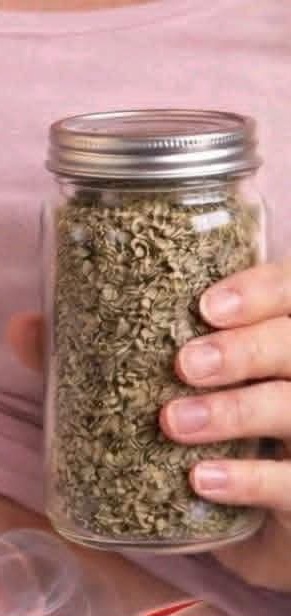
Ultimate Guide to Oregano Tea for Digestive Comfort Balancing Gut Health and Bloating Relief
In traditional Mediterranean home care, wild oregano (Origanum vulgare) has long been celebrated as more than just a flavorful pizza topping. It is a highly respected herbal ally used to soothe an upset stomach, alleviate painful abdominal gas, and stimulate sluggish digestion.
While sensationalized social media posts often use alarming graphic depictions and terms like “cement” to describe normal gastrointestinal waste, the actual biology of occasional sluggishness is highly manageable. Oregano contains powerful volatile oils that naturally relax the muscles of the digestive tract and manage unwanted gut bacteria. This comprehensive guide covers the gastrointestinal science behind oregano, a step-by-step preparation recipe for a comforting wellness tea, and important health safety guidelines for daily integration.
The Gastrointestinal Science of Oregano
Oregano’s ability to relieve stomach discomfort and promote digestive ease relies on its highly concentrated, aromatic secondary metabolites.
1. Antispasmodic Action on Smooth Muscles
The primary therapeutic components in oregano are carvacrol and thymol, two powerful phenolic volatile oils. When you ingest an infusion of oregano leaves, these active compounds directly interact with the smooth muscle tissues lining your stomach and intestines. They act as a natural antispasmodic, helping to relax tight intestinal walls and dissipate trapped pockets of gas. This mechanical relaxation helps relieve painful abdominal cramping, reduces bloating, and allows digestive waste to move more smoothly through the intestinal tract.
2. Balancing the Gut Microbiome
Carvacrol and thymol also possess documented broad-spectrum antimicrobial and antifungal properties. In the digestive system, these compounds help manage overgrowths of unfavorable micro-organisms (such as excess yeast or harmful bacteria) without disrupting the beneficial, friendly flora living in your colon. By supporting a balanced microbial environment, oregano tea can help curb chronic fermentation in the gut, which is a primary driver behind painful post-meal bloating and gas.
3. Stimulating Digestive Secretions
The bitter and pungent flavor profiles of oregano stimulate sensory receptors in the mouth and stomach. This stimulation triggers a systemic increase in the production of saliva, gastric juices, and bile. Bile is crucial for effectively emulsifying fats and activating peristalsis—the natural wave-like muscular contractions of the colon that keep waste material moving consistently.
Complete Ingredient and Material Breakdown
Because oregano leaves contain highly volatile oils that can quickly evaporate, using appropriate measurements and tight lids ensures a highly effective herbal brew.
| Component / Tool | Recommended Quantity | Practical Purpose in the Remedy |
|---|---|---|
| Dried Oregano Leaves | 1 teaspoon | A concentrated source of carvacrol; look for organic, aromatic culinary or wild varieties. |
| Fresh Oregano Sprigs | 2 sprigs (alternative) | Provides a brighter, more herbaceous flavor profile if fresh garden leaves are accessible. |
| Filtered Water | 8 to 10 ounces | The solvent extraction medium; clean water prevents external impurities from altering the taste. |
| Raw Honey or Lemon | To taste (optional) | Softens the sharp, pungent, and slightly bitter notes of the strong herbal infusion. |
| Lidded Mug or Teapot | 1 unit | Absolutely vital for trapping the rising essential oil steam within the hot liquid matrix. |
Step-by-Step Oregano Tea Preparation
Proper brewing technique is essential when working with aromatic herbs like oregano to ensure the healing essential oils are preserved in your cup.
Step 1: Prepare the Herb
Measure exactly 1 teaspoon of dried oregano leaves (or crush 2 fresh sprigs between your palms to release the oils) and place them at the bottom of a heat-safe ceramic mug or glass teapot.
Step 2: The Sealed Steeping Process
- Boil the Water: Bring 8 to 10 ounces of filtered water to a rolling boil.
- Pour Instantly: Pour the boiling water directly over the oregano leaves.
- Cover Immediately: Place a lid, saucer, or small plate over the top of the mug right away. Because carvacrol and thymol are highly volatile, they turn to gas at boiling temperatures. Keeping the mug sealed traps the steam, forcing those micro-droplets of essential oil back down into the tea rather than letting them escape into the air.
- Time the Infusion: Let the tea steep covered for 5 to 7 minutes. Avoid over-steeping past 10 minutes, as the water will extract heavy tannins from the leaves, making the tea excessively bitter and astringent.
Step 3: Strain and Sip
Remove the lid, letting any condensed water droplets on the underside fall back into the mug. Pour the liquid through a fine-mesh strainer to remove the loose leaves. Allow the clear, amber-tinted tea to cool down to a warm, comfortable drinking temperature. If desired, stir in a small teaspoon of raw honey or a squeeze of fresh lemon to balance the bold, earthy heat of the herb.
Holistic Protocols for Relieving Sluggish Digestion
While a comforting cup of oregano tea provides excellent symptom relief for bloating and cramping, keeping your digestive system moving consistently requires a multi-layered approach:
- Hydrate Strategically: Drink plenty of room-temperature water throughout the day. Water is the single most important factor for keeping waste material soft and pliable inside the colon.
- Incorporate Daily Movement: A simple 15-minute walk after your largest meal mechanically stimulates the abdominal area, helping your intestines contract more efficiently and clear trapped gas naturally.
- Prioritize Dietary Fiber: Ensure your daily meals include naturally bulking whole foods like oats, flaxseeds, lentils, and leafy greens to keep your digestive transit times optimal.
Critical Safety Guidelines and Contraindications
Because oregano is highly concentrated in potent phenols, respecting proper usage boundaries is necessary to avoid digestive irritation.
Daily Consumption Margin
Limit your intake of oregano tea to one cup per day for no more than 5 to 7 consecutive days. Because of its strong antimicrobial properties, overconsuming concentrated oregano tea for extended periods can eventually irritate the stomach lining or temporarily alter beneficial gut bacteria.
Pregnancy and Nursing Limitations
Pregnant women should avoid consuming medicinal amounts of oregano tea or concentrated oregano supplements. Oregano can act as a natural emmenagogue, meaning it can stimulate uterine blood flow and potentially induce early contractions, posing risks to the pregnancy. Stick strictly to normal, minor culinary amounts used for seasoning food during this time.
Bleeding Disorders and Surgery
Oregano contains natural compounds that can slow blood clotting. If you are taking prescription blood thinners or antiplatelet medications, consult your doctor before using therapeutic doses of oregano. Additionally, stop drinking medicinal oregano tea at least two weeks prior to any scheduled surgery to avoid an increased risk of bleeding.
Frequently Asked Questions (FAQs)
Can I use pure oregano essential oil instead of dried leaves?
No, you should never ingest pure oregano essential oil. Essential oils are incredibly concentrated—it takes hundreds of pounds of plant material to produce a tiny bottle of oil. Ingesting pure oregano essential oil can cause severe chemical burns to the mucosal lining of your mouth, esophagus, and stomach, and can overtax your liver. Savoring a gentle water infusion made from dried or fresh leaves is the safest and most effective way to enjoy the herb orally.
How quickly will oregano tea relieve my bloating?
For acute gas, stomach tightness, or post-meal bloating, a warm cup of oregano tea can often provide noticeable comfort within 15 to 30 minutes as the carvacrol works to relax the smooth muscles of your digestive tract.
Why does my oregano tea taste soapy or overly spicy?
Oregano is naturally rich in compounds like camphor and thymol, which can taste distinctly pungent, sharp, and medicinal if the tea is brewed too strong. If the flavor is too intense for your liking, simply reduce the steeping time to 3 or 4 minutes, or dilute the finished tea with a little bit of warm water and a touch of honey.
Conclusion
Sipping a warm, aromatic cup of homemade oregano tea is a beautiful, time-tested method for easing abdominal fullness, dispelling trapped gas, and encouraging natural digestive comfort. By filtering out exaggerated online claims and focusing on the clear science of smooth-muscle relaxation and antimicrobial balance, you can utilize this common kitchen spice with absolute precision and peace of mind. Keep your steeps covered, listen to your body’s boundaries, and enjoy the clean, comforting vitality of traditional Mediterranean herbal care.