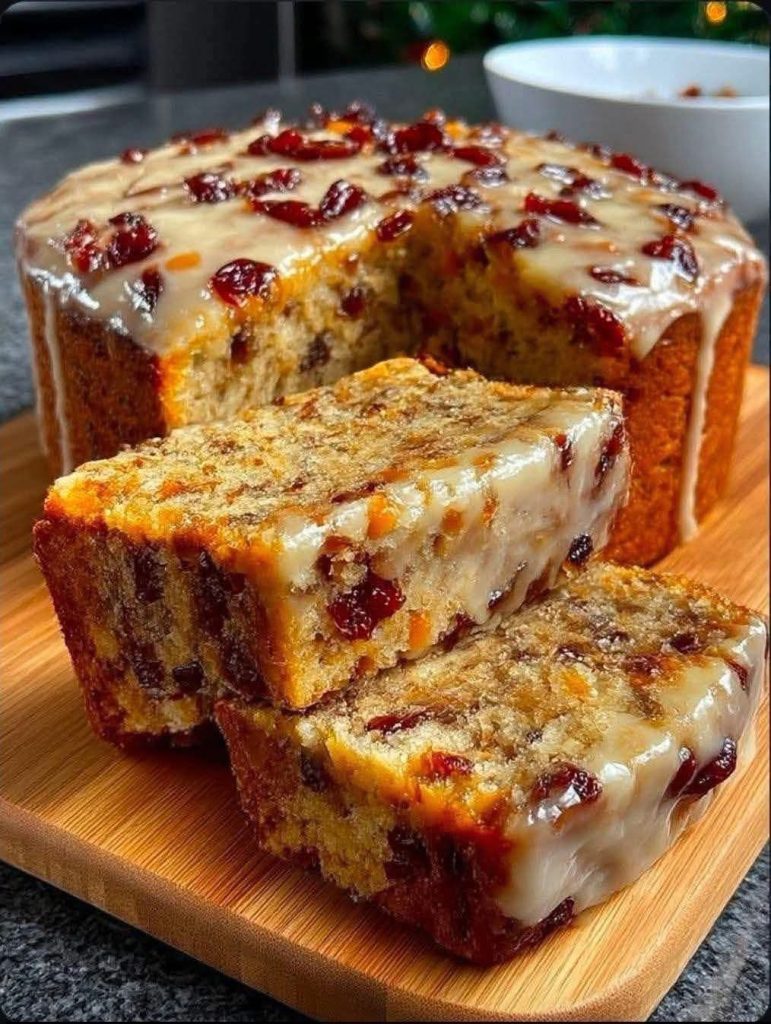
The Ultimate Orange Cranberry Christmas Cake Recipe
When the holiday season arrives, nothing fills a home with warmth and comfort quite like the aroma of citrus, spices, and sweet dried fruits baking in the oven. While traditional fruitcakes have a reputation for being dense, heavy, or overly dry, this modern Orange Cranberry Christmas Cake breaks all the stereotypes. It is incredibly moist, perfectly balanced in sweetness, and showcases a beautiful contrast of bright orange zest and tart, plump cranberries. Finished with a sweet, velvety orange glaze that cascades down the sides, this cake is as stunning to look at as it is delicious to eat.
This comprehensive guide will walk you through the ultimate recipe for this festive centerpiece. We will explore the science behind keeping fruitcakes moist, the key ingredients you need, step-by-step preparation, and expert baking tips to ensure your holiday dessert is a resounding success. Whether you are serving this at a festive family gathering, gifting it to friends, or enjoying a thick slice with a cup of spiced tea, this cake is destined to become a beloved holiday tradition.
Why This Orange Cranberry Christmas Cake Works
Creating a fruit-forward holiday cake that is light yet moist requires a careful balance of acidity, fat, and structural ingredients. This recipe is specifically designed to overcome the common pitfalls of traditional holiday baking.
The Power of Citrus Acidity
Orange juice and zest do more than just provide a vibrant holiday flavor. The natural acids in fresh orange juice help to break down and tenderize the gluten in the flour. This results in an incredibly soft, tender crumb that melts in your mouth, rather than a tough, bread-like texture.
Keeping Dried Fruits Plump and Juicy
One of the main reasons holiday cakes turn out dry is that dry fruits absorb the moisture from the cake batter as it bakes. To prevent this, we use a simple culinary technique: soaking the dried cranberries and orange peel in warm liquid before mixing them into the batter. This hydrates the fruit beforehand, ensuring they remain plump, juicy, and burst with flavor in every single bite.
A Dual-Leavening System
To support the weight of the dense fruits and prevent them from sinking to the bottom, this cake relies on a sturdy yet airy batter structure. Creaming room-temperature butter with sugar incorporates tiny air pockets, while a precise amount of baking powder provides a consistent rise in the oven, keeping the crumb structure beautifully uniform.
Essential Ingredients for the Holiday Cake
Before you begin baking, gather these high-quality ingredients. For the best results, ensure all dairy and cold items are brought to room temperature before mixing.
For the Soaked Fruit Mix
- Dried Cranberries (1.5 cups / 200g): The star of the show, providing a bright, tart contrast to the sweet cake.
- Candied Orange Peel (1/2 cup / 75g, finely chopped): Adds a deep, concentrated citrus note and a wonderful chewy texture.
- Fresh Orange Juice (1/2 cup / 120ml): Used to soak and plump up the dried fruits while infusing them with pure citrus flavor.
For the Cake Batter
- All-Purpose Flour (2.5 cups / 310g): The structural base of the cake. Be sure to measure using the spoon-and-level method.
- Baking Powder (2 teaspoons): Gives the cake a clean, steady lift without altering the delicate flavors.
- Fine Sea Salt (1/2 teaspoon): Balances the sweetness and enhances the natural citrus and cranberry flavors.
- Unsalted Butter (1 cup / 225g, softened to room temperature): Provides a rich, buttery flavor and a soft, traditional crumb.
- Granulated Sugar (1 cup / 200g): Sweetens the batter and helps lock in moisture.
- Fresh Orange Zest (2 tablespoons): Packed with essential oils that deliver an intense, aromatic orange fragrance.
- Large Eggs (4, room temperature): Provide structure, lift, and emulsification for a velvety batter.
- Pure Vanilla Extract (1 teaspoon): Adds a warm, sweet background note that rounds out the bright fruit flavors.
- Whole Milk or Sour Cream (1/2 cup / 120ml): Adds richness and contributes to an exceptionally moist crumb.
For the Sweet Orange Glaze
- Powdered Sugar (1.5 cups / 180g, sifted): The smooth, sweet base for our pourable glaze.
- Fresh Orange Juice (2 to 3 tablespoons): Whisked in gradually to create a thick, glossy, pourable consistency.
- A Handful of Dried Cranberries & Orange Zest (for garnish): Sprinkled over the wet glaze for a stunning, festive presentation.
Step-by-Step Baking Instructions
Follow these detailed steps carefully to achieve a picture-perfect holiday cake.
Step 1: Prep and Soak the Fruit
In a small microwave-safe bowl, combine the dried cranberries, chopped candied orange peel, and 1/2 cup of fresh orange juice. Microwave the mixture for 30 to 45 seconds until warm, then stir. Cover the bowl and let it sit for at least 20 to 30 minutes. This allows the dried fruits to absorb the warm liquid, making them incredibly plump and tender. Once soaked, drain any excess liquid that hasn’t been absorbed before adding them to the batter.
Step 2: Prepare Your Pan and Preheat
Preheat your oven to 325°F (163°C). Generously grease a deep, 8-inch or 9-inch round cake pan (or a springform pan) with butter, then line the bottom with parchment paper. This cake is rich and dense, so lining the bottom ensures a clean, hassle-free release after baking.
Step 3: Whisk the Dry Ingredients
In a medium bowl, whisk together the all-purpose flour, baking powder, and fine sea salt. Take one tablespoon of this dry flour mixture and toss it directly with your drained, soaked fruits in a separate small bowl. Coating the plump cranberries and orange peel in a light dusting of flour prevents them from sinking to the bottom of the cake pan during baking.
Step 4: Cream the Butter and Sugar
In a large mixing bowl (or the bowl of a stand mixer fitted with the paddle attachment), combine the softened unsalted butter, granulated sugar, and fresh orange zest. Beat on medium-high speed for 3 to 5 minutes until the mixture is light, fluffy, and pale in color. Creaming the butter with the sugar and zest releases the fragrant citrus oils and builds the air pocket network needed for a good rise.
Step 5: Incorporate the Eggs and Vanilla
Add the room-temperature eggs one at a time, beating well after each addition to ensure they are fully emulsified into the butter mixture. Scrape down the sides of the bowl as needed. Stir in the pure vanilla extract. If the mixture looks slightly curdled at this stage, don’t worry—it will come together smoothly once the flour is added.
Step 6: Combine the Wet and Dry Ingredients
With the mixer on low speed, alternate adding the dry flour mixture and the milk (or sour cream) in batches. Start and end with the flour mixture (e.g., flour-milk-flour). Mix just until combined and no dry streaks of flour remain. Overmixing at this stage will develop too much gluten, making the cake dense and bread-like.
Step 7: Fold in the Soaked Fruits
Using a large rubber spatula, gently fold the flour-coated cranberries and candied orange peel into the thick cake batter. Ensure they are evenly distributed throughout the mixture.
Step 8: Bake to Golden Perfection
Spoon the thick batter into your prepared cake pan, smoothing the top with a spatula. Bake at 325°F (163°C) for 55 to 65 minutes. Because this is a deep, moisture-rich cake, it requires a slightly lower temperature and a longer bake time to cook evenly through to the center. The cake is done when the top is a deep golden brown and a toothpick inserted into the center comes out clean or with a few moist crumbs, but no wet batter.
Step 9: Cool and Release
Remove the cake from the oven and place the pan on a wire cooling rack. Let it cool inside the pan for 15 to 20 minutes to allow the structure to set. Run a thin knife around the edges of the pan, then gently invert the cake onto the wire rack. Peel off the parchment paper and let the cake cool completely to room temperature before glazing.
How to Prepare and Apply the Perfect Orange Glaze
A beautiful glaze elevates this cake from a simple tea time treat to a showstopping holiday dessert. Follow these steps to get a thick, glossy finish that doesn’t completely run off the cake.
Step 1: Whisk to the Right Consistency
In a small bowl, combine the sifted powdered sugar and 2 tablespoons of fresh orange juice. Whisk until smooth. The glaze should be thick but pourable—similar to the consistency of warm honey. If it is too thick, add a few more drops of orange juice. If it is too thin, whisk in a tablespoon of powdered sugar.
Step 2: Glaze and Garnish
Place the cooled cake on a serving platter or keep it on the wire rack with a sheet of parchment paper underneath to catch drips. Pour the sweet orange glaze directly over the top of the cake, using the back of a spoon to gently push it toward the edges so it runs down the sides in beautiful, artistic drips.
While the glaze is still wet, artfully scatter a handful of dried cranberries and fresh orange zest across the top. This adds a gorgeous pop of festive red and orange color and lets your guests know exactly what flavors are waiting inside. Let the glaze set for 15 minutes before slicing.
Pro-Tips for Holiday Baking Success
Holiday baking should be stress-free. Keep these professional tips in mind to ensure your cake turns out perfectly on the first try:
Toss the Fruit in Flour
Never skip the step of tossing your soaked fruit in a tablespoon of flour. This simple trick creates friction between the wet fruit pieces and the batter, preventing all the cranberries from sinking to the bottom of the pan during the baking process and ensuring an even distribution of fruit in every slice.
Use Room-Temperature Ingredients
Cold eggs or cold milk will cause your creamed butter to seize, resulting in a curdled batter and an uneven bake. If you forgot to take your eggs out of the fridge, place them in a bowl of warm water for 5 to 10 minutes before using them.
Sift Your Powdered Sugar
Powdered sugar naturally clumps up in the box. Always sift your powdered sugar before whisking it with the orange juice to ensure your glaze is completely smooth, glossy, and free of unsightly white lumps.
Storage and Freezing Instructions
This cake is exceptionally moist, meaning it keeps well and actually tastes even better the day after it is baked as the citrus and cranberry flavors meld together.
Room-Temperature Storage
Store any leftover cake in an airtight container or under a cake dome at room temperature for up to 3 days. If your kitchen is particularly warm, you can store it in the refrigerator for up to 5 days, though room temperature keeps the cake crumb at its softest.
Freezing the Cake
If you want to prepare this cake ahead of the holidays, it freezes beautifully. It is best to freeze the cake before applying the glaze. Wrap the completely cooled, unglazed cake tightly in two layers of plastic wrap, followed by a layer of aluminum foil. Freeze for up to 3 months. To serve, thaw the cake overnight in the refrigerator or at room temperature, then prepare the fresh glaze and apply it just before serving.
Frequently Asked Questions
Can I make this cake in a Bundt pan or loaf pan?
Yes! This versatile batter works wonderfully in other pan shapes. If using a standard 10-cup Bundt pan, double the recipe and bake at 325°F (163°C) for 50 to 60 minutes. If using a standard 9×5-inch loaf pan, use the single recipe as written and bake for 50 to 55 minutes, checking the center with a toothpick to ensure it is fully baked.
Can I add nuts to this recipe?
Absolutely. If you love a bit of crunch in your holiday desserts, you can fold in 1/2 cup of chopped toasted pecans, walnuts, or slivered almonds along with the soaked cranberries and orange peel.
Can I use fresh cranberries instead of dried?
Yes, you can substitute the dried cranberries with fresh or frozen cranberries. If using fresh cranberries, skip the soaking step. Keep in mind that fresh cranberries are much tarter than dried ones, which will give the cake a bright, zesty sour pop rather than a sweet-tart chew.
Conclusion
This Orange Cranberry Christmas Cake is the perfect embodiment of holiday cheer. By combining the bright, aromatic essence of fresh oranges with the festive tartness of cranberries, you get a dessert that is light, incredibly moist, and visually stunning. The sweet orange glaze dripping down the sides creates an elegant finish that makes it a perfect centerpiece for any holiday table. Gather your ingredients, put on your favorite holiday music, and enjoy the cozy warmth this beautiful cake brings to your home.