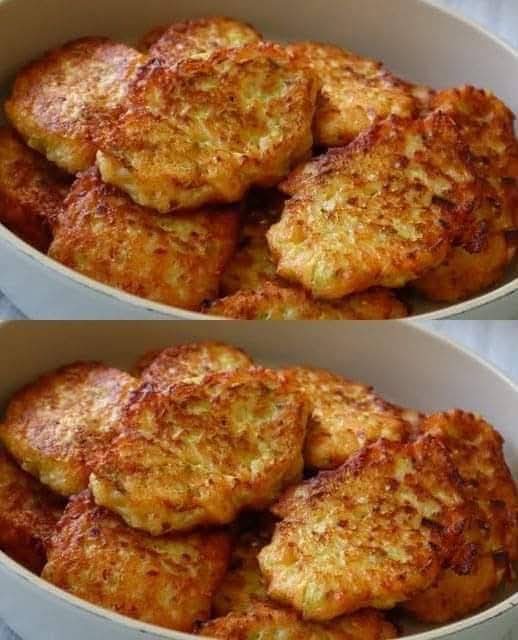
Ultimate Crispy Potato and Zucchini Fritters Recipe
There is something universally comforting about a perfectly golden, ultra-crispy fritter. Whether you serve them for a weekend breakfast, a quick weekday lunch, or an elegant appetizer at your next dinner party, these potato and zucchini fritters are guaranteed to steal the show. Finding the balance between a tender, flavorful interior and a shatteringly crisp exterior can sometimes feel like a culinary challenge, but with the right technique, you can master it every single time. This comprehensive guide will walk you through the essential steps, pro-tips, and flavor variations to create the ultimate homemade fritters using humble ingredients that you likely already have in your kitchen pantry. Vegetable fritters have long been a staple in various global cuisines, from Jewish latkes to Turkish mücver, thanks to their versatility and satisfying texture. By combining shredded potatoes with fresh zucchini, you get the best of both worlds: the comforting, starchy structural integrity of a hashbrown and the light, vibrant moisture of fresh summer greens. This recipe is designed to optimize both texture and flavor, ensuring that your final dish is never soggy, greasy, or bland. Instead, you will enjoy a pile of beautifully browned, savory patties that pair perfectly with a wide range of creamy dipping sauces and fresh toppings.
Why You Will Love This Recipe
Perfect Texture Every Time
The biggest complaint most home cooks have when making vegetable-based patties is that they turn out soft or mushy in the center. This recipe addresses that specific issue by employing a foolproof moisture-removal technique that guarantees a loud, satisfying crunch with every single bite you take. By understanding how starch and moisture interact during the frying process, you can easily control the outcome and achieve that coveted diner-style crispness right at home. The contrast between the deeply browned outer lattice of shredded vegetables and the tender, perfectly cooked interior creates a magnificent sensory experience that will have everyone reaching for seconds.
Budget-Friendly and Versatile
In an era where grocery prices are continuously rising, finding delicious recipes that rely on affordable, everyday staples is a true win for any household. Potatoes and zucchini are incredibly cost-effective produce items that are readily available year-round in almost every local supermarket or farmers’ market. Beyond being gentle on your wallet, this dish is an excellent vehicle for clearing out your refrigerator’s vegetable crisper drawer. You can easily adapt the base formula to incorporate leftover herbs, diverse cheeses, or alternative spices, making it a reliable blueprint for creative, zero-waste cooking throughout the seasons.
Ingredients You Will Need
The Base Elements
To get started on this culinary adventure, you will need to gather your fresh produce elements, starting with two medium-sized russet potatoes. Russet potatoes are highly recommended for this specific application because their high starch content helps hold the fritter shape together while promoting a superior exterior crunch when exposed to hot oil. You will also need one large or two medium zucchini, which add a beautiful fleck of green color, a delicate sweetness, and a subtle earthiness to the overall flavor profile. Additionally, one small yellow onion is absolutely vital, as it releases savory aromatic sugars that caramelize beautifully during the frying process, giving the fritters a deeply complex taste.
Binding and Seasoning
To transform your mound of shredded vegetables into cohesive, fryable patties, you will need a reliable binding system consisting of two large eggs and one-half cup of all-purpose flour. The eggs provide essential structure and richness, while the flour absorbs any residual surface moisture and forms a light batter that coats the vegetable strands. For seasoning, keep things classic yet impactful with one teaspoon of fine sea salt, one-half teaspoon of freshly cracked black pepper, and one-half teaspoon of garlic powder to elevate the savory notes. Finally, you will need a generous amount of high-smoke-point cooking oil, such as avocado, canola, or grapeseed oil, to ensure safe, even frying without burning.
Step-by-Step Instructions
Prepping the Vegetables
Begin by thoroughly washing your zucchini and potatoes under cold running water to remove any lingering dirt or debris. Since we want to maximize texture and visual appeal, there is absolutely no need to peel the zucchini; the vibrant green skin adds wonderful color and retains valuable nutrients. However, peeling the russet potatoes is highly recommended to ensure an even, golden finish without any tough patches. Grab a standard box grater and use the coarse shredding side to grate the potatoes, zucchini, and yellow onion into a large mixing bowl, taking care to watch your fingers as you reach the ends of the vegetables.
Removing Excess Moisture
This is arguably the most critical step in the entire process, so do not skip it if you want truly crispy results. Zucchini and onions are comprised of over ninety percent water, which will instantly steam your fritters in the pan rather than fry them if left unchecked. Transfer all of your shredded vegetables into a large colander set over your sink and sprinkle them evenly with the sea salt, tossing gently to distribute it. Let the mixture sit undisturbed for roughly fifteen minutes; the salt will draw out the hidden water molecules through osmosis. After fifteen minutes, wrap the shredded mixture tightly in a clean kitchen towel or a layers of heavy-duty cheesecloth, and use all your strength to squeeze, wring, and press out every last drop of liquid until you are left with a dense, compacted ball of dry vegetable strands.
Mixing the Batter
In a separate clean bowl, whisk together your two large eggs, garlic powder, and freshly cracked black pepper until the mixture is completely uniform and slightly frothy. Fluff up your squeezed, dry shredded vegetables with a fork to separate the strands, then add them directly into the egg mixture, tossing gently to ensure everything is evenly coated. Sprinkle the all-purpose flour across the top of the mixture rather than dumping it in one big clump, which helps prevent dry pockets from forming. Use a sturdy spatula to fold the ingredients together until a loose, cohesive batter forms; the vegetables should be lightly coated but not swimming in liquid.
Frying to Golden Perfection
Place a large, heavy-bottomed skillet, preferably cast iron or high-quality stainless steel, over medium-high heat and pour in enough cooking oil to completely coat the bottom to a depth of about one-eighth of an inch. Allow the oil to heat up thoroughly for a few minutes; you can test the readiness by dropping a tiny piece of batter into the pan, and if it immediately sizzles vigorously, your oil is ready. Scoop out roughly one-quarter cup of the batter for each fritter and carefully drop it into the hot oil, using the back of your spoon to gently flatten it into a neat round patty about one-half inch thick. Fry the patties in small batches to avoid overcrowding the pan, which lowers the oil temperature and leads to greasiness, cooking for three to four minutes per side until they are deeply golden-brown and exceptionally crisp before transferring them to a wire rack to drain.
Pro Tips for the Crispiest Fritters
The Importance of Squeezing
It cannot be overstated how vital it is to remove every possible drop of moisture from your shredded vegetables before mixing them with your binders. If you think you have squeezed out enough water, wrap the mixture up and squeeze it one more time just to be absolutely certain. If you notice liquid starting to pool at the bottom of your batter bowl as you work through frying your batches, simply give the mixture a quick stir to redistribute the ingredients, or lightly press the batter against the side of the bowl to drain off the excess before placing it into the hot skillet.
Oil Temperature Control
Maintaining the correct oil temperature throughout your entire cooking process is a delicate balancing act that requires a bit of active attention. If your oil is too cold, the vegetable patties will simply sit in the grease and absorb it like a sponge, resulting in a heavy, soggy, unappealing texture. Conversely, if your oil is screaming hot, the exterior of the fritter will burn to a dark crisp before the raw potatoes and eggs in the center have a chance to cook through properly. Adjust your stovetop burner dial slightly up or down between batches as needed, and always allow the oil a minute to come back up to temperature before dropping in your next round of batter.
Variations and Substitutions
Making It Gluten-Free
If you or someone in your household follows a strict gluten-free diet, you can easily modify this recipe without sacrificing any of that legendary crunch. Simply substitute the traditional all-purpose flour with an equal amount of a high-quality one-to-one gluten-free baking flour blend, or use cornstarch or potato starch instead. Starch alternatives actually work brilliantly in frying applications because they do not develop gluten networks, which can sometimes make batters heavy, often resulting in an even lighter, shatteringly crisp exterior texture that stays crunchy for longer periods.
Adding Cheese and Herbs
For those looking to elevate the flavor profile of their fritters, introducing dairy and fresh green elements is a spectacular avenue to explore. Try folding in one-half cup of crumbled feta cheese, grated parmesan, or sharp white cheddar directly into the batter just before frying to add pockets of salty, gooey goodness. You can also finely chop a handful of fresh dill, flat-leaf parsley, chives, or mint to infuse the dish with a burst of garden-fresh brightness that cuts through the rich, fried elements beautifully and adds an enticing aromatic quality to your kitchen.
Serving Suggestions and Dipping Sauces
Classic Sour Cream Dip
While these savory vegetable patties are absolutely incredible when eaten plain right out of the pan, pairing them with a cool, tangy sauce elevates them to restaurant-quality status. The time-honored classic accompaniment is a simple dollop of full-fat sour cream, which provides a rich, velvety contrast to the hot and crunchy exterior of the fritter. You can upgrade your standard sour cream by stirring in a splash of fresh lemon juice, a pinch of sea salt, and a generous amount of finely snipped fresh chives, creating a quick condiment that perfectly balances the savory richness of the fried oil.
Garlic Herb Yogurt Sauce
For a slightly lighter, Mediterranean-inspired alternative, you can whip up a refreshing garlic herb yogurt sauce that complements the zucchini beautifully. In a small bowl, combine one cup of plain Greek yogurt with one finely minced clove of raw garlic, a tablespoon of extra virgin olive oil, and a handful of chopped fresh dill and mint leaves. Season the mixture with a touch of lemon zest and salt to taste, then chill it in the refrigerator for at least thirty minutes before serving to allow the bold flavors to meld together into a beautifully refreshing, zesty topping.
How to Store and Reheat
Refrigerating Leftovers
In the unlikely event that you find yourself with leftover fritters, they can be stored quite easily to be enjoyed at a later time. Allow the cooked patties to cool down completely to room temperature on a wire rack to prevent steam from building up and making them completely soggy. Once cooled, layer the fritters inside an airtight food storage container, separating each layer with a sheet of parchment paper or paper towels to absorb any residual moisture. Store the container in your refrigerator, where the fritters will remain perfectly safe and flavorful for up to three to four days.
Freezing for Later
If you want to prepare a massive batch of these delicious vegetable patties ahead of time for easy meal prep, freezing them is a fantastic option. Arrange your fully cooked and completely cooled fritters in a single layer on a parchment-lined baking sheet and place the entire sheet into your freezer for about two hours until the patties are frozen solid. Once firm, transfer the frozen fritters into a heavy-duty freezer-safe zip-top bag, pressing out as much air as possible before sealing it. They will keep beautifully in the freezer for up to two months, ready to be reheated whenever a craving strikes.
Reheating for Maximum Crispness
Never, under any circumstances, use a microwave to reheat your leftover fritters, as this will instantly turn them into a sad, rubbery, mushy mess. To revive that glorious, original crunch, the absolute best method is to use your oven or an air fryer. Preheat your oven to four hundred degrees Fahrenheit and place the fritters on a wire rack set inside a baking sheet, heating them for roughly eight to ten minutes until warmed through and sizzling. If using an air fryer, arrange them in a single layer and air fry at three hundred and eighty degrees Fahrenheit for four to five minutes, which yields an incredibly fast, fresh-tasting result.
Frequently Asked Questions
Can I use sweet potatoes instead of russet potatoes for this recipe? Yes, you can certainly substitute sweet potatoes if you prefer their unique flavor profile, but keep in mind that they contain significantly less starch and more sugar than russets. This means they may brown much faster in the pan and might require a tiny bit of extra flour or cornstarch to help them bind securely and achieve the same level of crispness.
Why are my fritters falling apart inside the frying pan? If your patties are breaking apart as soon as they hit the oil, it usually indicates that either your batter contains too much moisture, or there isn’t enough binding agent holding it together. Try stirring an extra tablespoon of flour into your remaining mixture, and ensure your cooking oil is sufficiently hot before dropping in the next batch so the exterior sears immediately.
Can I bake these in the oven instead of frying them? While frying in oil yields the ultimate traditional crunch, you can bake them for a lighter option. Place the patties on a well-greased baking sheet lined with parchment paper, spray the tops generously with cooking oil, and bake at four hundred degrees Fahrenheit for about twenty to twenty-five minutes, flipping them halfway through until they are golden.
Conclusion
Mastering the art of making crispy potato and zucchini fritters is a fantastic culinary skill that will elevate your home cooking repertoire. By paying close attention to removing excess moisture from your vegetables and managing your frying oil temperature, you can consistently create a dish that is visually stunning, remarkably textured, and packed with savory flavor. Whether you keep it simple with classic sour cream or experiment with cheeses and herbs, these versatile patties are sure to become a beloved favorite for family dinners and gatherings alike. Enjoy the process, experiment with your favorite flavor additions, and savor every single crispy bite of your homemade creations.