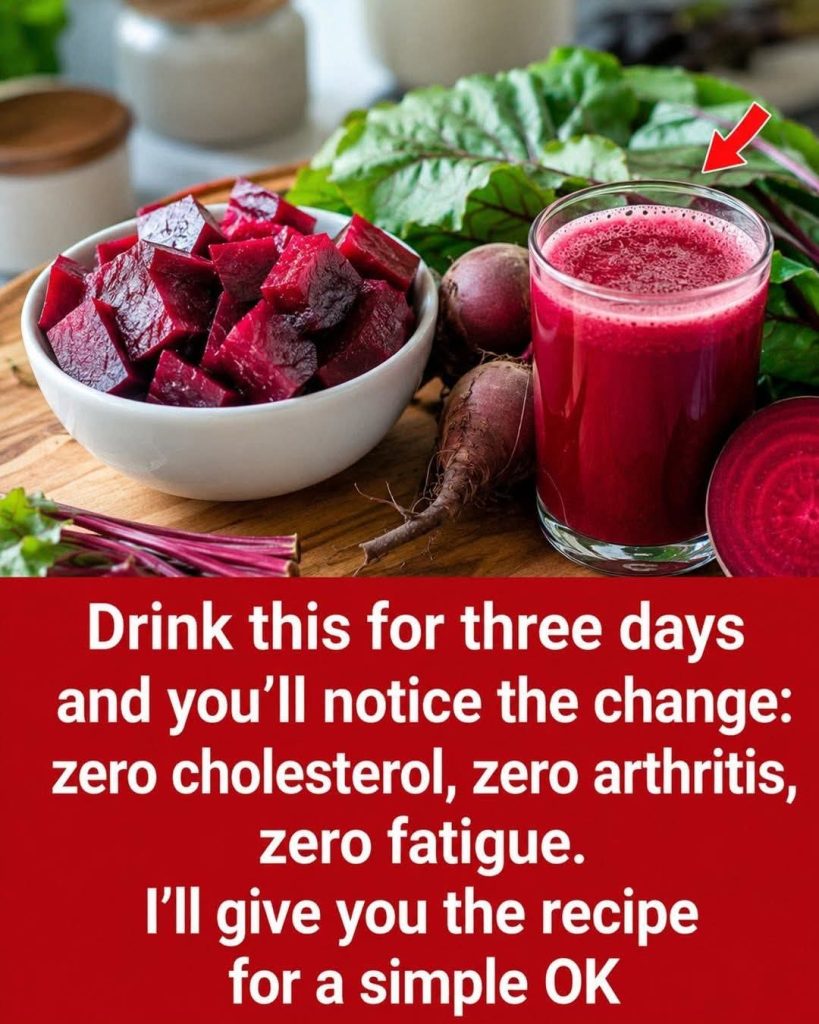
The Ultimate Guide to Beetroot Wellness Juice Boost Energy Support Joint Comfort and Promote Heart Health
In recent years, the wellness community has witnessed a massive resurgence in the popularity of whole-food juicing, with one vibrant ingredient leading the charge: the humble beetroot. Often celebrated for its deep, earthy flavor and striking crimson hue, beetroot is far more than just a colorful addition to your dinner plate. It is a nutritional powerhouse packed with essential vitamins, minerals, and unique bioactive compounds that can revitalize your health from the inside out. Incorporating fresh beetroot juice into your daily routine is an exceptional way to flood your body with bioavailable nutrients, offering a natural and efficient path toward enhanced vitality. Whether you are an athlete looking to improve physical stamina, someone striving to maintain optimal cardiovascular health, or an individual seeking natural relief from daily physical discomfort, this nutrient-dense root vegetable has something extraordinary to offer. By blending beetroot with key complementary ingredients, you can create a delicious, rejuvenating elixir that serves as the perfect catalyst for a healthier, more vibrant lifestyle.
The Nutritional Powerhouse: Why Beetroot is a Superfood Champion
To truly appreciate the health-promoting qualities of beetroot juice, it is essential to explore its rich nutritional profile. Beetroot, scientifically known as Beta vulgaris, has been cultivated for thousands of years, prized not only as a food source but also for its traditional medicinal properties.
A Deep Dive into the Nutritional Profile of Beets
Beets are exceptionally low in calories yet incredibly rich in vital micronutrients that support various metabolic functions. A single serving of raw beetroot contains a diverse array of essential nutrients, including folate (Vitamin B9), manganese, potassium, iron, and Vitamin C. Folate plays a crucial role in cellular growth, DNA synthesis, and tissue repair, making it a foundational nutrient for overall systemic health. Manganese is a key cofactor for several enzymes involved in bone formation, nutrient metabolism, and antioxidant defenses. Potassium, an essential electrolyte, is vital for maintaining proper fluid balance, nerve transmission, and muscular function throughout the body. Furthermore, the presence of non-heme iron combined with natural Vitamin C in beets enhances iron absorption, making this root vegetable an excellent option for supporting healthy red blood cell production and combating nutrient deficiencies.
The Science of Dietary Nitrates and Increased Stamina
One of the most scientifically celebrated aspects of beetroot is its extraordinarily high concentration of inorganic dietary nitrates. When you consume beetroot juice, your body undergoes a fascinating biological transformation, converting these dietary nitrates into nitric oxide. Nitric oxide acts as a powerful vasodilator, meaning it relaxes and dilates your blood vessels, allowing for smoother, more efficient blood flow throughout your circulatory system. By widening the blood vessels, nitric oxide improves the delivery of oxygen and key nutrients to your working muscles and vital organs. This process significantly enhances mitochondrial efficiency, which is the mechanism responsible for producing cellular energy. Consequently, regularly drinking beet juice can reduce the oxygen cost of physical exertion, helping you feel less fatigued during daily activities and allowing athletes to perform at higher intensities for longer periods.
How Beetroot Juice Supports Cardiovascular Wellness and Cholesterol Management
Cardiovascular health is a primary concern for millions of individuals worldwide, and dietary choices play a fundamental role in maintaining a healthy heart. Beetroot juice is increasingly recognized by researchers and nutritionists alike as a valuable dietary intervention for supporting a robust cardiovascular system.
Supporting Healthy Blood Pressure Levels
The vasodilatory effects of nitric oxide derived from beetroot juice have a direct and measurable impact on blood pressure regulation. By relaxing the smooth muscles that line the arterial walls, nitric oxide helps reduce peripheral vascular resistance, allowing blood to flow more freely with less force exerted against the vessel walls. Numerous clinical studies have demonstrated that consuming fresh beetroot juice can lead to a significant, temporary reduction in systolic and diastolic blood pressure within just a few hours of ingestion. This natural hypotensive effect makes beetroot juice a fantastic, non-invasive dietary strategy to complement an overall heart-healthy lifestyle, helping to keep your circulatory system operating under optimal, stress-free conditions.
Enhancing Lipid Profiles and Managing Cholesterol
Maintaining a healthy balance of cholesterol is essential for preventing the accumulation of arterial plaque, which can restrict blood flow and stress the heart over time. Beetroot is packed with soluble dietary fiber and unique phytonutrients that actively assist the body in managing lipid profiles. The soluble fiber found in beets binds to bile acids in the digestive tract, encouraging their excretion and prompting the liver to draw cholesterol from the bloodstream to produce more bile. Additionally, the powerful antioxidants present in beetroot help prevent the oxidation of low-density lipoprotein (LDL) cholesterol. Oxidized LDL is particularly harmful because it is more likely to stick to arterial walls and initiate plaque formation; by neutralizing free radicals, the compounds in beet juice help protect your blood vessels from this oxidative damage and support long-term arterial flexibility.
Combating Inflammation and Promoting Joint Comfort naturally
Chronic, low-grade inflammation is a silent underlying contributor to many common health challenges, including persistent joint discomfort, stiffness, and overall physical fatigue. Fortunately, nature has provided us with highly effective anti-inflammatory agents found in the pigments of the beetroot.
Betalains: The Active Anti-Inflammatory Compounds
The stunning, deep red color of beetroot is primarily due to a unique class of nitrogen-containing water-soluble pigments called betalains. Betalains are incredibly potent antioxidants that possess remarkable anti-inflammatory properties, distinguishing them from the pigments found in most other fruits and vegetables. These active compounds work by inhibiting the activity of specific pro-inflammatory enzymes in the body, such as cyclooxygenase (COX) enzymes, which are responsible for triggering inflammatory responses and pain signaling. By naturally dampening these pathways, betalains help soothe systemic inflammation at a cellular level. This makes beetroot juice an exceptionally valuable tool for anyone looking to reduce the daily oxidative stress that contributes to systemic wear and tear.
Improving Joint Mobility and Easing Discomfort
For individuals dealing with the daily frustrations of joint stiffness and discomfort, incorporating an anti-inflammatory beverage like beetroot juice can yield highly encouraging results. Joint discomfort is often exacerbated by poor circulation to the surrounding connective tissues and the accumulation of inflammatory markers within the joint capsules. The combination of increased blood circulation from nitric oxide and the powerful anti-inflammatory action of betalains helps deliver healing oxygen and nutrients directly to fatigued joints while flushing out metabolic waste products. Over time, this dual-action support can help reduce swelling, improve joint lubrication, and restore a greater range of comfortable movement, allowing you to enjoy your favorite physical activities with ease.
The Ultimate 3-Day Beetroot Wellness Juice Recipe
Ready to experience the refreshing benefits of this vibrant superfood for yourself? This carefully balanced wellness recipe combines the power of beetroot with complementary ingredients designed to maximize nutrient absorption, enhance flavor, and provide a gentle, natural energy boost.
Selecting the Right Ingredients and Equipment
To prepare this delicious wellness drink, you will need a few fresh, organic ingredients to ensure you are getting the highest concentration of active nutrients without any unwanted chemical residues. Gather two medium-sized fresh beetroots, making sure to choose firm beets with smooth skins and vibrant green leafy tops if available. You will also need two crisp green apples, which add a refreshing tartness and provide pectin, a soluble fiber that supports healthy digestion. To introduce a zesty kick and boost the anti-inflammatory power of the drink, include a one-inch piece of fresh ginger root and one fresh lemon, peeled. While a high-quality centrifugal or masticating juicer is ideal for this recipe to separate the nutrient-rich liquid from the fibrous pulp, you can easily use a high-speed blender instead. If using a blender, simply blend the ingredients with a cup of filtered water and strain the mixture through a fine mesh strainer or nut milk bag to achieve a smooth, velvety consistency.
Step-by-Step Preparation and Juicing Process
Begin by thoroughly washing your beetroots, green apples, and ginger under cold water to remove any dirt. There is no need to peel the beetroots or the apples if they are organic, as the skins contain highly concentrated levels of antioxidants and beneficial compounds. Chop the beets and apples into small, manageable chunks that fit easily into your juicer’s chute or your blender’s pitcher. Peel the tough outer skin off the ginger and lemon to prevent any bitter notes from overpowering the final flavor of your beverage. If you are using a juicer, feed the beetroot chunks, apple slices, ginger, and lemon through the machine alternately, allowing the juice to collect in a clean pitcher. If you are using a blender, place all the chopped ingredients into the pitcher along with one cup of cold, filtered water, and blend on high speed for sixty to ninety seconds until completely liquefied before straining the pulp. Stir the vibrant red juice thoroughly to distribute the flavors, and serve it immediately over ice for an incredibly refreshing, nutrient-dense wellness treat.
How to Incorporate Beetroot Juice Safely Into Your Routine
To achieve the best possible results and enjoy a seamless transition into your new wellness habits, it is helpful to understand how to consume beetroot juice strategically.
Establishing the Optimal Time to Drink
While you can enjoy beetroot juice at any point during the day, drinking it in the morning on an empty stomach is highly recommended for maximizing nutrient absorption and waking up your digestive tract. Consuming it early in the day provides an immediate, clean source of cellular energy that can help clear away morning brain fog and sustain your physical stamina without the sudden crashes associated with caffeinated beverages. Alternatively, if you are looking to enhance your physical performance or maximize a workout routine, consuming your beetroot juice roughly two to three hours before exercise is the absolute sweet spot. This timing allows your body sufficient time to convert the dietary nitrates into active nitric oxide, optimizing oxygen delivery and muscular efficiency precisely when you need it most.
Important Considerations and Potential Side Effects
While beetroot juice is exceptionally safe and highly beneficial for the vast majority of people, there are a couple of completely harmless physical reactions you should be aware of. The most common of these is a condition known as beeturia, which is the temporary pink or reddish discoloration of your urine and stool after consuming beets. This occurs because the body cannot always break down the intense betalain pigments completely, leading to their harmless excretion. It is also important to note that beetroots are naturally high in oxalates, which are compounds that can contribute to the formation of kidney stones in individuals who are genetically predisposed to them. If you have a history of oxalate-based kidney stones, or if you are currently taking blood pressure medications, it is always a wise and responsible practice to consult with your primary healthcare provider before making significant changes to your daily dietary routine.
Frequently Asked Questions About Beetroot Juice
Can I save my freshly made beetroot juice for later in the week? Yes, you can store your freshly made juice, but it is best to consume it within twenty-four to forty-eight hours of preparation. Freshly squeezed juices do not contain any artificial preservatives, meaning the delicate vitamins, enzymes, and active nitric oxide compounds will begin to degrade over time when exposed to oxygen and light. To preserve as much nutritional value as possible, store your juice in an airtight glass container, filling it completely to the brim to minimize oxygen contact, and keep it chilled in the back of your refrigerator.
Is it better to juice beets or eat them whole? Both methods offer fantastic health benefits, but they serve slightly different wellness purposes. Eating whole beets provides you with valuable dietary fiber that supports a healthy gut microbiome, slows down sugar absorption, and promotes long-term satiety. On the other hand, juicing extracts the highly concentrated liquid nutrients and dietary nitrates, allowing your body to absorb them almost instantly without needing to expend energy on digestion. Incorporating a balance of both whole beets in your meals and fresh beetroot juice in your hydration routine allows you to enjoy the full spectrum of benefits this superfood has to offer.
Conclusion
Embracing the natural benefits of beetroot juice is a simple, highly effective, and deliciously rewarding step toward transforming your overall well-being. By harnessing the unique power of dietary nitrates, antioxidant betalains, and essential vitamins, this vibrant wellness drink offers robust support for your cardiovascular system, helps ease physical discomfort, and provides a clean, sustainable energy boost to conquer your day. Remember that lasting wellness is built on consistency and a foundation of nutrient-dense, whole-food choices. Sip your fresh beetroot juice regularly, listen to your body, and enjoy the remarkable journey of nourishing your health from the inside out.