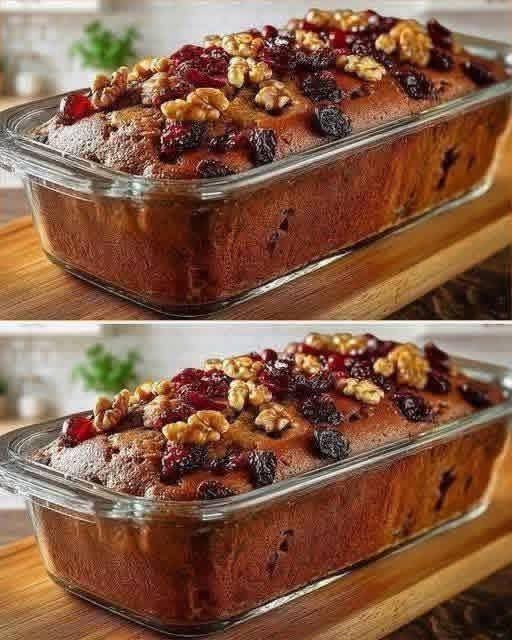
The Ultimate Cranberry Walnut Quick Bread Recipe A Perfect Holiday Classic
The alluring aroma of a freshly baked quick bread wafting through the kitchen is one of life’s simplest yet most profound culinary pleasures. Whether you are preparing for a festive holiday gathering, looking for the perfect companion to your morning espresso, or seeking a comforting homemade gift for a neighbor, a classic fruit and nut loaf hits every single mark. This delicious quick bread combines the rustic charm of toasted walnuts with the vibrant, chewy sweetness of dried cranberries and raisins, all nestled within a moist, tender, spiced crumb. Quick breads have earned a beloved place in home kitchens worldwide because they offer the deep satisfaction of home baking without the time-consuming labor and temperamental nature of yeast-based breads. By utilizing a straightforward mixing technique and relying on common pantry staples, you can consistently produce a bakery-quality loaf that looks as stunning in its baking dish as it tastes on the plate.
The Timeless Appeal of Homemade Quick Breads
Quick breads trace their roots back to the discovery of chemical leavening agents in the mid-nineteenth century, a culinary revolution that forever changed the landscape of domestic baking. Before the advent of baking powder and baking soda, creating a light, airy loaf of bread required hours of yeast fermentation, kneading, and careful temperature monitoring. The introduction of these rapid leaveners allowed home bakers to whip up delightful loaves in a fraction of the time, leading to the creation of iconic treats like banana bread, pumpkin loaves, and fruit-filled quick breads. Today, this tradition continues to thrive because quick breads represent the ultimate intersection of convenience, versatility, and comfort. They require no special equipment, no kneading, and no rise time, making them the perfect entry point for novice bakers while still offering endless room for creative expression for seasoned cooks.
The Science Behind the Perfect Rise
Understanding the simple chemistry of quick breads is the key to mastering their texture and ensuring a beautiful dome on your finished loaf. Unlike yeast breads, which rely on biological fermentation to produce carbon dioxide gas, quick breads rely on a chemical reaction between acid and alkaline ingredients. Baking powder is a complete leavening agent, containing both sodium bicarbonate (the alkali) and an acidifying agent, typically cream of tartar, along with starch to absorb moisture. When liquid is introduced to the batter, a preliminary reaction occurs, releasing tiny carbon dioxide bubbles that expand during the initial phase of baking. A second reaction occurs when the batter is exposed to the heat of the oven, causing the gases to expand further and push the batter upward, creating a light, airy, and structurally sound crumb structure that can easily support heavy mix-ins like nuts and dried fruits.
Choosing Your Ingredients for Maximum Flavor
Every ingredient in this quick bread plays a dual role, contributing to both the physical structure and the complex flavor profile of the loaf. To achieve the perfect balance, it is essential to select high-quality components and understand how they interact with one another. Utilizing fresh spices, real vanilla extract, and high-quality unbleached flour forms a robust foundation for your bread. The natural oils in the walnuts add a rich, buttery depth that contrasts beautifully with the sharp, acidic sweetness of the dried cranberries and raisins. By selecting the right fats, sugars, and liquids, you can control the moisture level of your bread, ensuring it remains incredibly soft and tender for days after it is baked without ever becoming dense or soggy.
Essential Ingredients for the Perfect Fruit and Nut Loaf
To embark on this baking adventure, you will need to assemble a selection of simple yet high-quality ingredients that work in perfect harmony to create a masterpiece.
The Wet Ingredients: Moisture and Richness
The foundation of a moist quick bread lies in its liquid components, starting with one-half cup of unsalted butter, melted and cooled slightly. Butter provides unmatched flavor and richness, coating the flour’s proteins to prevent excessive gluten development and ensure a tender texture. You will also need one cup of granulated sugar and one-half cup of packed light brown sugar; the combination of these sugars is crucial, as brown sugar contains natural molasses that adds moisture and a subtle caramel flavor. To bind the ingredients together, gather two large eggs at room temperature, which provide structure, emulsification, and richness. Additionally, one-half cup of whole milk and one-fourth cup of pure orange juice are essential; the acidity in the orange juice not only tenderizes the crumb but also adds a bright, citrusy note that complements the cranberries. Finally, one teaspoon of pure vanilla extract adds a warm, aromatic finish that ties all the wet ingredients together.
The Dry Ingredients: Structure and Spice
For the structural backbone of your loaf, you will need two cups of all-purpose flour, spooned and leveled to prevent packing. To ensure a perfect rise, incorporate one teaspoon of baking powder and one-half teaspoon of baking soda. For the flavor enhancers, gather one-half teaspoon of fine sea salt, which balances the sweetness and intensifies the natural flavors of the other ingredients. To infuse the bread with warm, cozy notes, add one teaspoon of ground cinnamon and one-fourth teaspoon of ground nutmeg; these spices add a comforting depth of flavor that makes the bread feel instantly festive and inviting.
The Star Inclusions: Walnuts and Dried Fruits
The true magic of this loaf lies in its rich, textured fillings, which are visible both throughout the slice and studded generously across the top of the bread. You will need one cup of raw walnut halves, chopped into bite-sized pieces; toasting them lightly before adding them to the batter releases their aromatic oils and enhances their crunch. You will also require one cup of dried cranberries and one-half cup of dark raisins; these dried fruits provide chewy pockets of concentrated sweetness and tartness that keep every bite exciting. To prevent these heavy mix-ins from sinking to the bottom of your loaf pan during baking, you will toss them in a tablespoon of flour before folding them into the final batter, ensuring they remain perfectly suspended throughout the bread.
Step-by-Step Guide to Baking the Perfect Loaf
Follow these detailed steps to create a beautiful, golden-brown fruit and nut quick bread that is cooked perfectly from the edges to the absolute center.
Preparing Your Kitchen and Pans
Before you begin mixing your ingredients, it is vital to prepare your baking environment to ensure a smooth process and a flawless release. Preheat your oven to 350 degrees Fahrenheit (175 degrees Celsius) and position an oven rack in the center position to guarantee even heat distribution. Take a standard 9×5-inch glass or metal loaf pan and grease the interior thoroughly with softened butter or non-stick cooking spray. For an extra layer of insurance and easy removal, line the bottom and sides of the pan with a sheet of parchment paper, leaving a slight overhang on the long sides to act as handles. This simple step allows you to lift the baked loaf cleanly out of the pan without damaging the beautifully decorated top.
Mixing the Batter: The Two-Bowl Method
To achieve the ultimate tender crumb, always utilize the classic two-bowl method, which separates the wet and dry ingredients to minimize mixing once they are combined. In a large mixing bowl, whisk together the all-purpose flour, baking powder, baking soda, sea salt, ground cinnamon, and nutmeg until the dry mixture is completely uniform and free of any large clumps. In a separate medium bowl, whisk together the melted butter, granulated sugar, light brown sugar, eggs, whole milk, orange juice, and vanilla extract until the sugars are largely dissolved and the mixture is smooth and emulsified. Pour the wet ingredients directly into the dry ingredients and use a large silicone spatula to gently fold the mixture together. Stop mixing the very moment you no longer see any pockets of dry flour; the batter should look slightly thick and lumpy, which is exactly what we want for a tender result.
Folding and Topping for Visual Appeal
In a small bowl, combine your chopped walnuts, dried cranberries, and raisins with one tablespoon of dry flour, tossing them until they are lightly coated. Gently fold three-quarters of this mixture into your prepared batter, taking care not to overwork the dough. Transfer the thick batter into your prepared loaf pan, smoothing the surface evenly with your spatula. Now, take the remaining quarter of your walnut and fruit mixture and scatter it generously across the top of the batter, pressing the pieces very lightly into the surface so they adhere. This simple technique ensures that your finished bread has a stunning, textured, and colorful top that immediately signals the delicious flavors hidden inside.
Baking to Golden Perfection
Slide the loaf pan onto the center rack of your preheated oven and bake for roughly 55 to 65 minutes. Because baking times can vary significantly depending on the material of your loaf pan and the quirks of your specific oven, begin checking the bread for doneness around the 50-minute mark. To test it, insert a long wooden skewer or toothpick directly into the thickest part of the center of the loaf; it should emerge clean, or with a few dry crumbs attached, but absolutely no wet batter. If you notice the walnuts on the top of the loaf are browning too quickly or becoming too dark before the center is fully cooked, simply tent a piece of aluminum foil loosely over the top of the pan for the final 15 minutes of baking to protect them from the direct heat.
Baker’s Secrets for a Moist, Tender Crumb
Creating a truly exceptional quick bread requires a blend of quality ingredients and mindful baking techniques that prevent common structural pitfalls.
Avoiding the Dreaded Tough Bread: The Art of Gentle Mixing
The absolute number one enemy of a light, tender quick bread is overmixing. The moment liquid ingredients contact dry wheat flour, gluten proteins begin to link together and form a strong, elastic network. While this gluten development is essential for a chewy, structured loaf of sourdough or French bread, it is highly undesirable in a quick bread, where we want a delicate, cake-like crumb. Overmixing the batter overdevelops this gluten network, trapping air bubbles too tightly and resulting in a dense, rubbery texture with large, unsightly holes or “tunnels” running through the bread. To prevent this, always mix your batter by hand with a spatula rather than using an electric mixer, and stop mixing as soon as the flour is just barely moistened.
Testing for Doneness Without Sinking the Center
Opening the oven door too early or too frequently during the baking process can cause a sudden drop in temperature, which may disrupt the delicate rising process and cause the center of your loaf to collapse. Try to resist the temptation to peek until the bread has been baking for at least 45 minutes, as the structure needs time to set before it can withstand drafts of cool air. When performing the toothpick test, always insert the skewer at an angle into the very center of the dome, as this is the final area of the loaf to cook through. If the skewer comes out with wet batter, leave the loaf in the oven for another five minutes before testing again, ensuring you do not leave the oven door open for too long during the process.
Recipe Customization and Variations
This versatile quick bread recipe serves as a brilliant canvas for your culinary creativity, allowing you to adapt the flavors to suit your personal preferences or dietary needs.
Creating a Glazed Masterpiece
If you want to elevate this comforting rustic loaf into a show-stopping dessert, a simple sweet glaze is the perfect addition. To create a bright citrus glaze, whisk together one cup of sifted powdered sugar with two tablespoons of fresh orange juice and one-half teaspoon of finely grated orange zest in a small bowl until smooth. Once your baked loaf has cooled completely to room temperature, drizzle the glaze artistically back and forth across the top of the bread, letting it cascade gently down the sides. The sweet, tangy glaze will harden slightly as it sets, adding a beautiful contrast to the crunchy toasted walnuts and adding a burst of fresh flavor to every slice.
Making It Vegan or Dairy-Free
Adapting this recipe to accommodate a plant-based or dairy-free lifestyle is incredibly simple and yields equally delicious results. To replace the dairy elements, swap the unsalted butter for an equal amount of melted coconut oil or a high-quality vegan butter alternative, and replace the whole milk with unsweetened almond milk, oat milk, or soy milk. To substitute the eggs, you can use one-half cup of unsweetened applesauce, which adds natural sweetness and incredible moisture, or prepare two “flax eggs” by mixing two tablespoons of ground flaxseed meal with six tablespoons of water and letting it sit for ten minutes until gelatinous. These simple plant-based swaps maintain the structural integrity of the loaf while keeping it accessible for everyone at your table.
Swapping Fruits and Nuts
Do not hesitate to experiment with different combinations of dried fruits and nuts to create entirely new flavor profiles throughout the year. If you are not a fan of walnuts, try swapping them for chopped pecans, slivered almonds, or roasted hazelnuts to introduce a different nuttiness and texture. Similarly, the dried cranberries and raisins can be easily replaced with dried cherries, chopped dried figs, dates, or even sweet golden raisins. For a more decadent twist, you can replace a portion of the dried fruit with high-quality dark chocolate chips, creating a rich chocolate-orange-walnut combination that is absolutely irresistible.
Serving Suggestions and Pairing Ideas
A slice of this cranberry walnut quick bread is a versatile treat that can be enjoyed in a variety of delightful ways depending on the time of day and the occasion.
Perfect Morning Pairings
Start your day on a warm, comforting note by serving a thick slice of this bread alongside your favorite morning beverage. For an extra touch of indulgence, toast the slice gently in a toaster oven or on a dry skillet until the edges are golden and the walnuts become fragrant again. Spread a generous layer of salted butter, whipped cream cheese, or orange marmalade across the warm surface, allowing it to melt into the tender crumb. The contrast between the warm, toasted bread, the melting butter, and a cup of rich, dark roast coffee or a hot chai latte creates a simple, luxurious breakfast experience that will make any morning feel special.
Elevating the Afternoon Tea Experience
This quick bread is an elegant addition to any afternoon tea service or casual weekend brunch. Cut the loaf into neat, even slices and arrange them on a beautiful wooden serving board or a tiered cake stand, showcasing the vibrant red cranberries and golden walnuts. Pair the bread with a pot of hot Earl Grey, English Breakfast, or chamomile tea; the citrusy bergamot notes in Earl Grey pair exceptionally well with the orange and cranberry flavors in the bread. You can also serve the slices alongside a small bowl of fresh berries, a dollop of clotted cream, or a drizzle of local honey, offering your guests a sophisticated and deeply satisfying array of sweet and savory textures.
Storage and Reheating Tips for Lasting Freshness
To ensure your homemade quick bread remains as moist and delicious as the day it was baked, proper storage and reheating techniques are essential.
Keeping It Fresh at Room Temperature
Quick breads actually tend to develop a deeper, more unified flavor profile the day after they are baked, making them an excellent make-ahead treat. Once the loaf has cooled completely to room temperature, wrap it tightly in two layers of plastic wrap or aluminum foil, or place it inside a heavy-duty airtight food storage container. Store the wrapped bread in a cool, dry place away from direct sunlight, where it will remain incredibly moist, soft, and flavorful for up to four to five days. Avoid storing the bread in the refrigerator, as the cold environment can accelerate starch recrystallization, which dries out the crumb and makes the bread taste stale much faster.
Freezing Whole Loaves or Slices for Quick Treats
If you want to preserve your quick bread for a longer period, freezing is a highly effective option that locks in freshness beautifully. You can freeze the entire cooked and cooled loaf, or slice it into individual portions before freezing for ultimate convenience. Wrap the whole loaf or individual slices tightly in plastic wrap, then place them inside a freezer-safe zip-top bag, pressing out as much air as possible before sealing and labeling it. The bread will keep perfectly in the freezer for up to three months. When you are ready to enjoy a slice, simply pull it from the freezer and let it thaw at room temperature for about thirty minutes, or heat the frozen slice directly in your toaster for a quick, warm, fresh-tasting treat.
Reheating for Maximum Flavor and Aroma
While this cranberry walnut bread is absolutely delicious when served at room temperature, warming it up slightly revives the natural oils in the nuts and softens the butter in the crumb, making it taste freshly baked. To reheat a whole loaf, wrap it loosely in aluminum foil and place it in an oven preheated to 320 degrees Fahrenheit (160 degrees Celsius) for about ten to fifteen minutes until heated through. For individual slices, a quick ten-second turn in the microwave will make them incredibly soft, while a few minutes in a toaster oven will give the exterior edges a delightful, delicate crunch that contrasts beautifully with the tender, pillowy interior.
Frequently Asked Questions
Can I use fresh cranberries instead of dried cranberries for this recipe? Yes, you can certainly use fresh or frozen cranberries if you prefer a more tart flavor profile. Keep in mind that fresh cranberries contain significantly more moisture than dried ones, which will release into the batter as they bake. To compensate for this, toss the fresh cranberries in an extra tablespoon of flour, and be prepared to increase the total baking time by about five to ten minutes to ensure the center of the loaf cooks through completely.
Why does my quick bread have a large crack running down the center of the dome? A prominent crack down the center of a quick bread is actually a classic, desirable characteristic of a well-baked loaf rather than a mistake. This occurs because the exterior of the batter sets first in the hot oven while the chemical leaveners in the center are still actively expanding. As the center rises, it naturally breaks through the delicate top crust, creating that rustic, signature bakery look that indicates a light, well-risen bread.
Can I make this recipe into muffins instead of a whole loaf? Absolutely, this versatile batter translates beautifully into delicious, grab-and-go muffins. Simply spoon the prepared batter into a standard 12-cup muffin tin lined with paper liners, filling each cup about three-quarters of the way full. Top the muffins with your reserved walnut and dried fruit mixture and bake at 375 degrees Fahrenheit (190 degrees Celsius) for 18 to 22 minutes, testing with a toothpick to ensure they are fully cooked and golden-brown.
Conclusion
Baking a homemade loaf of cranberry walnut quick bread is a deeply rewarding culinary experience that brings warmth, comfort, and delicious flavor to any home. By taking the time to properly measure your dry ingredients, gently fold your batter to avoid overmixing, and dry-coat your mix-ins so they float beautifully throughout the loaf, you can create a masterpiece that rivals any professional bakery. Whether you enjoy a thick, buttered slice with your morning coffee, serve it to friends at a festive weekend brunch, or wrap it up as a thoughtful gift, this timeless recipe is sure to become a beloved favorite in your home baking rotation. Embrace the simple joy of baking from scratch, savor the incredible aromas filling your kitchen, and enjoy every single delicious, crunchy, and sweet bite of your beautiful homemade creation.