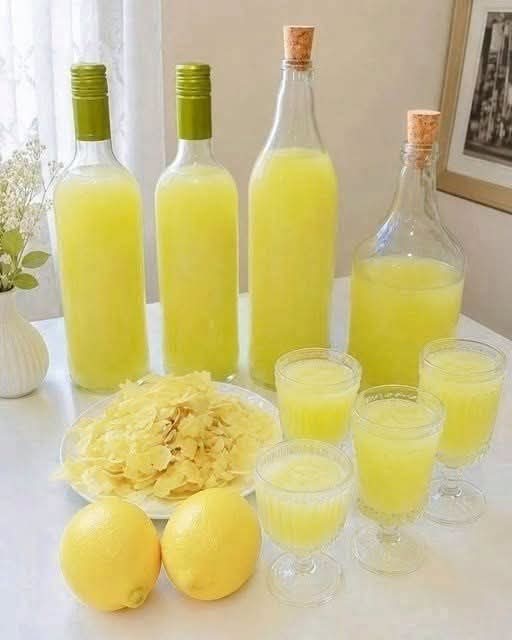
The Ultimate Homemade Lemon Ginger Cordial A Botanical Wellness Elixir
In a world filled with mass-produced, sugary soft drinks and synthetic wellness supplements, there is a profound joy in returning to the art of home-prepared botanical infusions. Crafting your own concentrated elixirs from scratch allows you to control every single ingredient, ensuring you enjoy a vibrant, active beverage that is completely free from artificial preservatives and refined additives. This homemade lemon ginger cordial is the perfect manifestation of that philosophy, combining the sharp, refreshing zest of fresh lemons with the deep, fiery warmth of raw ginger root. Far more than a simple beverage mixer, this golden cordial is a highly versatile, nutrient-dense concentrate that can serve as a comforting winter tonic, a crisp summer cooler, or a sophisticated base for craft mocktails and culinary creations. By mastering the simple techniques of botanical extraction, you can create a shelf-stable pantry staple that captures the pure, unadulterated essence of these two powerhouse ingredients in every single drop.
The practice of preserving fresh herbs, fruits, and spices in sweet, concentrated liquids dates back centuries, originating as a way to extend the shelf life of seasonal harvests and deliver concentrated medicinal benefits throughout the year. Cordials and elixirs have long been revered in traditional European apothecaries and herbalism for their ability to soothe the digestive system, warm the body, and stimulate the senses. This recipe honors those traditional methods while adapting them for the modern kitchen, utilizing gentle heat and natural maceration to extract the volatile oils and active compounds locked within the ginger fibers and lemon skins. The result is a beautifully balanced, cloudy yellow syrup that balances intense sweetness, vibrant acidity, and a spicy kick that lingers delightfully on the palate.
The Ancient Harmony of Lemon and Ginger
To appreciate the deep complexity of this cordial, it is helpful to explore the botanical science and historical synergy of its two primary ingredients. Lemon and ginger have been paired together in various culinary and wellness traditions for thousands of years, representing a perfect union of contrasting elements: the cooling, acidic brightness of the citrus fruit and the warming, spicy grounding of the tropical rhizome.
The Power of Citrus: Lemon’s Bright Profile
Lemons, scientifically known as Citrus limon, are celebrated globally for their high concentration of citric acid, Vitamin C, and volatile essential oils. Most of the intense lemon flavor we crave actually resides in the flavedo—the thin, colorful outer layer of the peel—which is packed with microscopic oil glands containing d-limonene, a powerful antioxidant compound with natural mood-boosting and liver-supportive properties. The fresh juice of the lemon provides a crisp, clean acidity that naturally balances the sweetness of the cordial base, while also acting as a natural preservative that lowers the pH of the mixture, preventing the growth of unwanted bacteria and keeping your bottled elixir fresh and vibrant for longer periods.
The Warmth of Ginger: Nature’s Digestion Booster
Ginger, or Zingiber officinale, is a flowering plant whose rhizome has been a cornerstone of traditional herbal practices across Asia and India for over five thousand years. The unique, pungent flavor and therapeutic properties of ginger are primarily attributed to gingerols and shogaols, bioactive compounds that exhibit powerful anti-inflammatory and antioxidant effects in the body. Ginger is widely celebrated for its ability to stimulate gastric motility, relax the smooth muscles of the digestive tract, and alleviate symptoms of nausea and bloating. When gently heated during the cordial-making process, some of the gingerols are converted into shogaols, which are significantly sweeter and spicier, giving our finished cordial its signature warming kick that instantly revitalizes the system.
Understanding Cordials and Elixirs
Before diving into the kitchen, it is helpful to clarify what makes a cordial unique compared to other sweetened liquids like simple syrups or commercial liqueurs.
Syrup vs. Cordial vs. Liqueur
While a standard simple syrup is a basic one-to-one ratio of sugar and water used primarily as a neutral sweetener, a botanical cordial is a highly concentrated, flavorful syrup that has been heavily infused with whole fruits, fresh herbs, or spices. Cordials traditionally incorporate an acidic element—such as lemon juice, citric acid, or vinegar—which cuts through the heavy sweetness and creates a complex, balanced flavor profile that can be enjoyed on its own when diluted with water. Historically, the terms “cordial” and “liqueur” were used interchangeably to describe sweetened alcoholic infusions, but in modern domestic kitchens, a non-alcoholic cordial refers to a rich, concentrated fruit and spice syrup that can be customized with or without spirits depending on your personal preferences and occasion.
Ingredients You Will Need
To create a truly exceptional lemon ginger cordial, you will need to gather a few high-quality, whole-food ingredients that work in perfect harmony to maximize both flavor extraction and nutritional benefits.
Sourcing the Best Organic Lemons
Since this recipe relies heavily on extracting the essential oils from the lemon skins, selecting fresh, organic lemons is absolutely paramount. Conventional lemons are frequently treated with post-harvest synthetic waxes, pesticides, and fungicides that are incredibly difficult to wash off completely and can impart a bitter, chemical aftertaste to your finished infusion. Organic lemons, conversely, feature natural, untreated skins that are bursting with pure, clean citrus oils. Look for lemons that feel heavy for their size, showing a vibrant, bright yellow skin without green patches or soft spots, indicating they are fully ripe and packed with aromatic juices.
Selecting High-Quality Ginger Root
When purchasing fresh ginger root, look for hands that are firm to the touch, with smooth, taut skin that shows no signs of wrinkling, mold, or soft, mushy areas. The skin of young, high-quality ginger should be paper-thin and easily scraped away with the edge of a spoon. Avoid ginger roots that appear dry, woody, or excessively fibrous at the cut ends, as they will have lost much of their essential moisture and active gingerol compounds. For the ultimate spicy depth, you can also leave the clean skin on the ginger during the grating process, as the skin itself contains highly concentrated aromatic oils that enhance the complexity of the finished cordial.
The Role of Natural Sweeteners and Fermentation
The sugar used in this cordial is not merely a sweetener; it plays a critical structural role as a preserving agent that binds water molecules, reducing active water activity and extending the shelf life of your bottled elixir. For a clean, classic flavor profile, organic cane sugar is an excellent choice. However, if you prefer a deeper, more rustic taste, you can experiment with raw honey, coconut sugar, or maple syrup. If you are interested in creating an active, probiotic version of this cordial, you can allow the cooled mixture to ferment naturally for a few days by adding a tablespoon of active whey, raw ginger bug, or water kefir grains, transforming the sweet syrup into a naturally carbonated, gut-friendly soda base.
Step-by-Step Preparation Guide
Follow these detailed instructions to extract the maximum flavor and wellness benefits from your fresh lemons and ginger root, resulting in a beautiful, shelf-stable golden cordial.
Prepping and Peeling the Aromatics
Begin by thoroughly washing your organic lemons and fresh ginger under cold running water to remove any dust or dirt. Using a microplane or a fine box grater, grate the fresh ginger until you have one full cup of juicy, shredded ginger root. Set the grated ginger aside in a bowl, making sure to collect any precious juices that accumulate during the process. Next, use a vegetable peeler to carefully remove the yellow zest of the lemons in wide, clean strips, taking care to avoid the bitter white pith underneath, which can ruin the clean sweetness of the cordial. Once all the lemons are zested, squeeze them thoroughly to yield one cup of fresh, strained lemon juice, keeping it chilled until you are ready to combine the elements.
The Infusion and Steeping Process
In a medium, heavy-bottomed saucepan, combine two cups of filtered water with two cups of organic cane sugar, placing the pan over medium heat. Stir the mixture continuously until the sugar is completely dissolved and the liquid is perfectly clear. Add your grated ginger and the wide strips of lemon zest directly into the sugar syrup, stirring gently to ensure the botanicals are completely submerged. Bring the mixture to a very gentle simmer—do not let it boil vigorously, as excessive heat can degrade the delicate Vitamin C and volatile citrus oils—and let it cook for roughly fifteen minutes. Turn off the heat, cover the pan tightly with a lid, and let the mixture steep undisturbed for at least one to two hours, allowing the syrup to slowly extract the deep, complex oils and spicy heat as it cools down to room temperature.
Straining, Bottling, and Storing
Once your steeped mixture has cooled completely, stir in your reserved one cup of fresh lemon juice, which adds a burst of bright, uncooked acidity to balance the cooked syrup. Place a fine-mesh strainer lined with a double layer of clean cheesecloth over a large glass bowl or measuring pitcher. Slowly pour the mixture through the strainer, using a wooden spoon or spatula to press down firmly on the ginger pulp and lemon peels to express every single drop of concentrated botanical goodness. Pour the beautifully clear, golden-yellow cordial into sterilized glass bottles with airtight lids or swing-top caps, leaving a half-inch of headspace at the top. Seal the bottles tightly and store them in your refrigerator, where the high sugar concentration and acidity will keep the cordial fresh, vibrant, and delicious for up to three to four months.
Creative Ways to Use Your Cordial
This lemon ginger cordial is an incredibly versatile addition to your culinary pantry, offering a quick and easy way to elevate your daily drinks and dishes with a burst of sweet, spicy, and tangy flavor.
Rejuvenating Morning Tonics
Start your day on a warm, energizing note by adding two tablespoons of your homemade cordial to a mug of hot, steaming filtered water. This quick morning tonic is an exceptional alternative to caffeinated beverages, gently waking up your digestive system, stimulating circulation, and providing a soothing, comforting warmth that helps clear away morning fatigue and mental fog. During the cold and flu season, you can also add a pinch of cayenne pepper, a slice of fresh lemon, and a sprig of fresh rosemary to create a comforting, immune-supporting botanical infusion that helps ease throat discomfort and keeps you feeling hydrated and resilient.
Elevating Craft Mocktails and Cocktails
For a quick, refreshing everyday beverage, simply mix one part of your lemon ginger cordial with four parts of cold, bubbly sparkling water over a generous amount of ice, garnishing with a fresh mint leaf for a spectacular homemade ginger ale. If you are looking to craft a sophisticated cocktail for an evening gathering, this cordial pairs beautifully with premium spirits like gin, vodka, white rum, or bourbon. Try mixing two ounces of your favorite spirit with one ounce of the cordial and a splash of fresh club soda, serving it in a chilled glass with a wheel of fresh lime to create a bright, customized cocktail that will delight your guests with its professional-quality complexity.
Culinary Infusions: Sauces and Marinades
The sweet, spicy, and acidic profile of this cordial makes it a fantastic secret ingredient for a wide range of culinary applications. Use a splash of the cordial to deglaze a pan after searing chicken or tofu, creating a glossy, flavorful glaze that caramelizes beautifully as it cooks. You can also whisk the cordial together with toasted sesame oil, soy sauce, minced garlic, and green onions to create a vibrant, Asian-inspired marinade for grilled fish, roasted vegetables, or fresh stir-fries. For dessert, try drizzling a small spoonful of the cordial over fresh berries, warm pound cake, or a scoop of vanilla bean ice cream to add an unexpected, warming contrast to your favorite sweet treats.
Pro-Tips for Perfect Preservation and Flavor Aging
Achieving a professional-grade cordial requires attention to a few subtle details that can significantly enhance both the flavor development and the shelf life of your finished product.
To maximize the extraction of the highly volatile citrus oils, try a technique known as oleo-saccharum before heating your syrup. Toss your fresh lemon peels directly with your dry sugar in a bowl, pressing them gently with a muddler to bruise the peels. Let the mixture sit at room temperature for an hour; the hygroscopic sugar will actively draw the aromatic oils out of the peels, forming a highly fragrant, intensely flavorful liquid paste before you even add your water. This simple step yields a remarkably deep, complex citrus aroma that cannot be replicated by heating alone. Additionally, as your bottled cordial sits in the refrigerator, the intense heat of the ginger and the bright acidity of the lemon will slowly mellow and meld together, developing a smoother, more rounded, and harmonious flavor profile after just a few days of aging.
Frequently Asked Questions
Can I use ginger powder instead of fresh ginger root? While ginger powder is a convenient pantry staple, it is not recommended for this specific cordial recipe. Dried ginger powder has a significantly different, more dusty and highly concentrated heat profile that lacks the bright, juicy, and refreshing quality of fresh ginger root. Using powder will also result in a gritty, cloudy texture that is incredibly difficult to strain out completely, leaving you with a sandy residue at the bottom of your bottles instead of a smooth, velvety cordial.
Why is my cordial slightly bitter? If your finished cordial has a sharp, lingering bitterness, it is usually because some of the bitter white pith from the lemon peel made its way into your infusion, or because the lemon peels were boiled too vigorously or for too long. To prevent this in future batches, use a very light touch when zesting your lemons, ensuring you only remove the colorful yellow outer skin, and keep your stove temperature at a gentle simmer rather than a rolling boil during the heating process.
Can I freeze this cordial for long-term storage? Yes, freezing is a fantastic way to preserve your cordial if you have made a massive batch that you cannot finish within a few months. Because of the high sugar content, the cordial may not freeze completely solid, but it will keep beautifully in the freezer for up to a year. To store it safely, pour the strained cordial into freezer-safe plastic bottles or silicone ice cube trays, leaving plenty of room for expansion, and thaw individual portions as needed for a quick, fresh-tasting wellness drink.
Conclusion
Mastering the art of crafting your own homemade lemon ginger cordial is a deeply satisfying step toward embracing a more natural, self-reliant, and flavorful lifestyle. By utilizing simple, whole-food ingredients and traditional extraction techniques, you can create a powerful wellness elixir that supports your digestion, boosts your energy, and adds a bright, spicy spark to your favorite culinary creations and daily drinks. Remember that the journey of wellness is built on consistency and the joyful practice of nourishing your body with high-quality, home-prepared botanical infusions. Savor the crisp, clean flavor of your beautiful golden elixir, enjoy the creative process of customizing your batches, and raise a glass to your vibrant health and happy home.