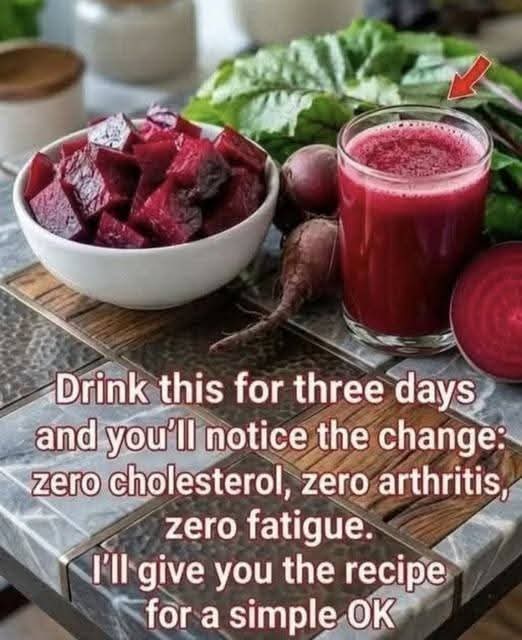
Beetroot Juice Health Benefits Recipe and How to Make It at Home
Introduction to Fresh Beetroot Juice
In recent years, vibrant root vegetable tonics have earned a central spot in natural wellness routines worldwide. Among these natural elixirs, fresh beetroot juice stands out for its bold deep-red hue and nutrient-dense composition. Derived from fresh beets (Beta vulgaris), this earthy beverage offers a rich source of dietary nitrates, essential minerals, and powerful antioxidants designed to revitalize your daily routine.
Whether you are looking to support cardiovascular health, encourage optimal blood flow, or replace processed sports drinks with a wholesome, garden-fresh alternative, learning how to make beetroot juice at home is a fantastic addition to a balanced lifestyle. In this comprehensive guide, we will explore the science-backed health benefits of beets, provide a straightforward step-by-step recipe, and share practical tips on incorporating this nutrient-rich drink into your diet.
Nutritional Breakdown: Why Beetroot is a Superfood Root
The secret behind the popularity of fresh beet juice lies in its unique chemical and nutritional profile. Beets are low in calories yet densely packed with key bioactive compounds.
Dietary Nitrates
Beetroots are exceptionally rich in naturally occurring inorganic nitrates (NO_3^-). When consumed, beneficial bacteria in the mouth convert these nitrates into nitrites (NO_2^-), which the body further converts into nitric oxide (NO). Nitric oxide acts as a natural vasodilator, signaling the smooth muscles in blood vessel walls to relax and widen, promoting efficient circulation and arterial flexibility.
Betalains and Pigments
The signature deep violet-red color of beets comes from betalains—a class of nitrogen-containing, water-soluble pigments. Betalains, particularly betanin, exhibit strong antioxidant and anti-inflammatory activity, helping to neutralize cellular free radicals and protect tissues against oxidative stress.
Essential Micronutrients
- Folate (Vitamin B9): Crucial for red blood cell formation, cellular repair, and tissue growth.
- Potassium: An essential electrolyte mineral that supports fluid balance, nerve signals, and healthy muscle contractions.
- Manganese: Supports bone structure, carbohydrate metabolism, and antioxidant enzyme pathways.
- Vitamin C: A key antioxidant that fortifies immune cell activity and skin resilience.
Key Health Benefits of Drinking Beetroot Juice
Incorporating freshly prepared beetroot juice into your weekly diet provides targeted nutritional support. While no single beverage acts as an instant cure-all, regular intake offers notable health advantages.
1. Supporting Cardiovascular & Cholesterol Health
Maintaining healthy arterial function is a core requirement for overall cardiac longevity. The high nitrate content in beetroot juice directly stimulates nitric oxide production, helping support healthy blood pressure levels already within a normal range. Furthermore, antioxidants like betalains help reduce the oxidation of circulating lipids, promoting balanced cholesterol profiles and clean vascular pathways over time.
2. Soothing Joint Discomfort & Inflammation
Systemic, low-grade inflammation can contribute to joint stiffness, swelling, and muscular fatigue. Betalains and other polyphenols found in beets act as natural botanical anti-inflammatory agents. Consuming beet juice regularly can help ease exercise-induced muscle soreness, support joint flexibility, and aid physical recovery after demanding workouts or long days on your feet.
3. Boosting Energy, Stamina, and Reducing Fatigue
Many individuals rely on heavy caffeine doses to combat daily tiredness, but natural plant-based hydration offers a more sustainable alternative. By relaxing blood vessels, the dietary nitrates in beet juice improve oxygen and nutrient delivery to skeletal muscles and tissues. Studies indicate that drinking beetroot juice can enhance mitochondrial efficiency—the energy powerhouses of your cells—leading to improved physical stamina, better athletic performance, and reduced daily fatigue without nervous jitters.
4. Natural Liver & Detoxification Support
Your liver works continuously to break down metabolic waste and environmental toxins. Beetroot juice contains betaine, an amino acid derivative that helps support liver function and encourages healthy bile flow. Paired with dietary fiber and antioxidants, beet juice acts as a gentle, nourishing daily tonic for natural internal cleaning pathways.
How to Make Fresh Beetroot Juice (Step-by-Step Recipe)
Preparing fresh beet juice at home takes under 10 minutes and requires minimal preparation. Pairing beets with fresh citrus or ginger balances their natural earthy flavor with a bright, refreshing kick.
Recipe Ingredients
- 2 medium fresh beetroots (peeled and cut into quarters)
- 1 medium green apple or carrot (cored/peeled, adds natural sweetness)
- 1/2 inch fresh ginger root (peeled, for a warm spicy note)
- 1 tablespoon fresh lemon juice (brightens flavor and provides extra Vitamin C)
- 1/2 cup cold filtered water (if using a blender)
Equipment Needed
- High-speed blender or cold-press juicer
- Fine mesh strainer or nut milk bag (if using a blender)
- Knife and cutting board
Step-by-Step Preparation
- Prepare the Produce: Wash all produce thoroughly. Peel the raw beetroots to remove any excess soil taste and cut them into manageable chunks.
- Combine Ingredients: If using a juicer, feed the beet chunks, apple/carrot, and ginger root directly through the chute. If using a high-speed blender, add the produce along with 1/2 cup of cold filtered water and fresh lemon juice.
- Blend or Juice: Blend on high speed for 60 seconds until the mixture is completely smooth and liquefied.
- Strain (Optional): If you used a blender and prefer a smooth, light liquid, pour the mixture through a fine mesh strainer or nut milk bag into a glass, pressing gently with a spoon to extract all juice.
- Serve Cold: Add an ice cube and enjoy immediately for maximum fresh nutrient density.
Best Times and Guidelines for Consumption
To maximize the benefits of fresh beet juice, keep these simple guidelines in mind:
- Pre-Workout or Morning Routine: Drink one small glass (about 4 to 8 ounces) in the morning or 30 to 60 minutes before physical exercise to optimize nitric oxide levels during activity.
- Frequency: Consuming fresh beet juice 3 to 4 times a week is an ideal routine for sustained energy, blood pressure support, and athletic recovery.
- Storage Tips: Freshly extracted unpasteurized juices oxidize quickly. Store any excess liquid in a tightly sealed glass jar in the refrigerator for up to 24 hours.
Safety Guidelines, Side Effects, and Considerations
While beetroot juice is a safe, wholesome beverage for most people, a few harmless side effects and precautions are worth noting:
- Beeturia (Pink or Red Urine/Stools): Consuming concentrated beet juice may cause your urine or stool to take on a reddish or pinkish tint. This condition, called beeturia, is completely harmless and simply results from the natural excretion of betalain pigments.
- Kidney Stone Sensitivity: Beetroots are high in naturally occurring oxalates. Individuals with a history of calcium-oxalate kidney stones should moderate their intake of concentrated beet juices.
- Blood Pressure Interactions: Because beets naturally encourage blood vessel relaxation, individuals taking prescription antihypertensive medications should monitor their blood pressure regularly.
Frequently Asked Questions (FAQs)
Can I drink beetroot juice every day?
Yes, for most healthy adults, drinking a small glass of fresh beetroot juice daily or several times a week is a safe and effective way to boost dietary antioxidants, nitrates, and hydration.
Is raw beet juice better than cooked beets?
Raw beet juice retains delicate water-soluble vitamins (like Vitamin C and Folate) and volatile enzymes that can diminish during extended high-heat cooking. However, both raw juice and cooked beets provide excellent amounts of fiber and betalains.
Should I peel beets before juicing them?
Peeling is recommended if you prefer a sweeter, milder flavor. While the outer skin is edible and nutrient-dense, it carries a strong earthy taste that some find overwhelming.
Conclusion
Fresh beetroot juice is an exceptional, vibrant elixir that transforms a simple garden root into a dynamic health-promoting beverage. Rich in dietary nitrates, betalains, essential vitamins, and key minerals, this dark red drink offers accessible support for your cardiovascular health, athletic stamina, joint comfort, and daily energy levels. By spending just a few minutes in your kitchen with fresh beets and simple natural ingredients, you can easily fuel your body with a clean, nourishing beverage. Prepare a batch today, enjoy its earthy-sweet flavor, and make fresh root nutrition a core part of your daily wellness routine.