The Ultimate Fresh Heirloom Tomato Recipe Vibrant Flavors and Culinary Mastery
Fresh, ripe heirloom tomatoes are one of the true highlights of summer. When harvested at the peak of sweetness, their deep, rich acidity and juicy texture require very little manipulation to shine. This comprehensive guide covers everything you need to know about making the ultimate fresh heirloom tomato dish—from ingredient selection and flavor pairing to step-by-step preparation, storage tips, and key nutritional insights.
Why Heirloom Tomatoes Stand Out in Garden Cuisine
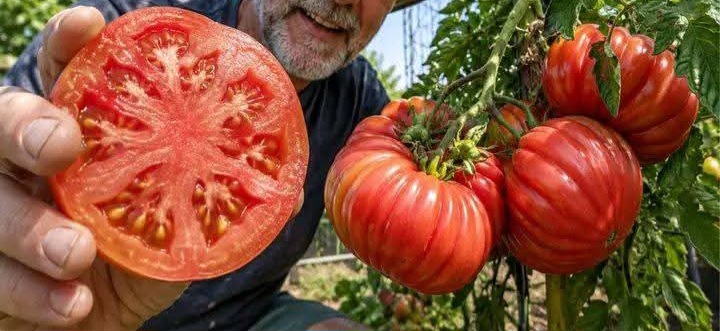
Heirloom tomatoes differ significantly from standard hybrid supermarket varieties. Grown from seeds passed down through generations, these tomatoes retain unique color profiles, distinct ribbed shapes, and an unparalleled depth of flavor.
Flavor Profiles of Popular Heirloom Varieties
- Brandywine: Known for its rich, pink flesh and classic balance of sweetness and acidity.
- Cherokee Purple: Features a deep mahogany hue with complex, smoky, and earthy notes.
- Green Zebra: Offers a tangy, bright profile with striking emerald and yellow stripes.
- Pineapple: Highly sweet, low-acid variety featuring vibrant yellow and red marbling.
Ingredients for the Ultimate Fresh Heirloom Tomato Salad
To maximize the natural quality of your tomatoes, use simple, high-grade ingredients that complement rather than overpower their delicate flavors.
Core Ingredients Checklist
- 3 large Heirloom Tomatoes: Select a mix of colors (e.g., Cherokee Purple, Brandywine, Green Zebra) for optimal visual appeal and complex flavor contrast.
- 2 tbsp Extra Virgin Olive Oil: Cold-pressed, high-quality olive oil adds a silky mouthfeel and subtle fruity aroma.
- 1 tbsp Aged Balsamic Vinegar: Adds a delicate touch of sweetness and mild acidity.
- 1/2 tsp Flaky Sea Salt: Helps draw out natural moisture while enhancing overall taste.
- 1/4 tsp Freshly Cracked Black Pepper: Provides a crisp, warm bite.
- 1/4 cup Fresh Basil Leaves: Chiffonade or torn lightly right before serving to preserve essential oils.
- Optional Addition: 4 oz Fresh Mozzarella or Burrata cheese for added creaminess.
Step-by-Step Instructions
Follow these exact preparation steps to ensure ideal texture and presentation.
Step 1: Selection and Temperature Preparation
Bring your tomatoes to room temperature before slicing. Cold temperatures deaden the subtle aromatic compounds and alter the tender texture of ripe heirloom fruit.
Step 2: Slicing with Precision
Using a sharp serrated knife, slice the heirloom tomatoes into thick rounds (about 1/2 inch thick). Slicing them too thin causes excess juice loss and weak structure on the plate.
Step 3: Layering and Seasoning
Arrange the tomato slices on a wide serving platter in an overlapping pattern, alternating colors. Sprinkle the flaky sea salt evenly across the surface. Let the salted tomatoes sit for 3 to 5 minutes so the salt dissolves into the juices.
Step 4: Drizzling and Garnishing
Drizzle the extra virgin olive oil and aged balsamic vinegar across the layered tomatoes. Scatter the fresh basil leaves evenly across the platter and finish with a light dusting of cracked black pepper. Serve immediately.
Cooking Tips for Culinary Excellence
Use a Serrated Knife
A sharp serrated blade glides through thin tomato skins without squeezing or crushing the delicate inner flesh, keeping juice where it belongs.
Never Refrigerate Fresh Whole Tomatoes
Storing fresh whole tomatoes in the refrigerator breaks down their cellular walls and destroys volatile flavor compounds, resulting in a mealy, bland texture. Store whole tomatoes stem-side down at room temperature until fully ripe.
Nutritional Profile and Health Considerations
Fresh tomatoes are a staple of a balanced, whole-food diet, offering essential vitamins and dietary compounds.
| Nutrient | Approximate Amount per Serving |
|---|---|
| Calories | 120 kcal |
| Dietary Fiber | 2.5 g |
| Vitamin C | 28% DV |
| Vitamin A | 15% DV |
| Potassium | 290 mg |
Key Nutritional Benefits
- Lycopene: Tomatoes are a major dietary source of lycopene, a potent antioxidant associated with cardiovascular support.
- Hydration: Composed of over 90% water, fresh tomatoes help support daily hydration needs.
- Essential Micronutrients: Rich in Vitamin C, Vitamin K, and Potassium, supporting overall metabolic health.
Important Medical Disclaimer: While tomatoes are a delicious and nutrient-dense food, claims regarding extreme or rapid medical cures—such as “reversing kidney failure” or “slashing creatinine levels naturally”—are medically inaccurate and unsupported by scientific evidence. Individuals managing health conditions, such as Chronic Kidney Disease (CKD), should carefully monitor potassium intake under the direct supervision of a qualified medical specialist or registered dietitian, as tomatoes are naturally rich in potassium.
Frequently Asked Questions (FAQ)
Can I prepare this heirloom tomato dish ahead of time?
It is best prepared within 15 minutes of serving. Pre-slicing tomatoes too early allows excess juice to drain out, dilute the dressing, and soften the flesh prematurely.
What should I do with excess tomato juices on the platter?
Don’t let those flavorful juices go to waste! The combination of tomato juice, olive oil, and balsamic vinegar creates a rich dressing. Use a slice of crusty sourdough or artisan bread to soak up the platter juices.
Conclusion
A simple, beautifully prepared heirloom tomato dish captures the very best of seasonal garden produce. By pairing top-quality room-temperature tomatoes with fine extra virgin olive oil, fresh basil, and sea salt, you elevate raw ingredients into a restaurant-worthy culinary experience. Try this recipe during peak tomato season to enjoy the purest expression of summer flavor!