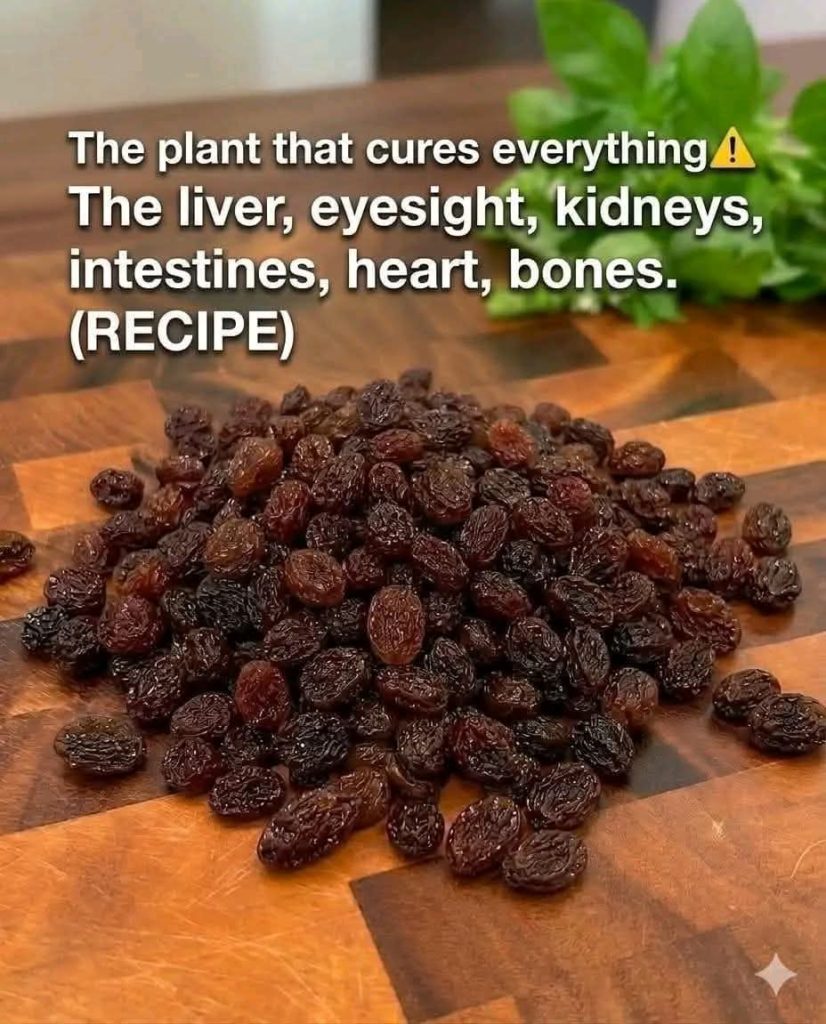
The Ultimate Guide to Soaked Raisins Recipe Culinary Uses and Evidence-Based Health Benefits
Dried fruits have been a staple of human diets for thousands of years, offering concentrated sweetness, long shelf life, and dense nutritional value. Among the most popular dried fruits worldwide are raisins—sun-dried grapes that pack a powerful punch of natural sugars, dietary fiber, vitamins, and minerals. In recent years, traditional culinary remedies like soaked raisins and raisin-infused water have gained widespread popularity as simple, refreshing ways to incorporate whole foods into a balanced daily routine. This complete guide explores how to make soaked raisins at home, creative ways to use them in kitchen recipes, their true nutritional composition, and a clear, science-backed look at popular wellness claims.
What Are Soaked Raisins and Raisin Water?
Soaking dried fruits in water is a classic culinary technique used across Mediterranean, Middle Eastern, and Asian cuisines. When raisins are rehydrated overnight, their dried skins soften, their naturally occurring sugars diffuse slightly into the liquid, and their texture transforms into a plump, juicy ingredient perfect for cooking, baking, or enjoying on its own.
The Science Behind Hydrating Dried Fruits
During the drying process, grapes lose up to 80% of their water content, concentrating their sugars and nutrients while shrinking the fruit. Soaking reverses this process through osmosis. Water permeates the outer cell walls of the raisin, restoring moisture and making the fruit easier to chew and digest. Additionally, rehydration releases soluble fibers and trace minerals into the soaking liquid, creating a mildly sweet, nutrient-infused beverage often enjoyed alongside the softened fruit.
Step-by-Step Soaked Raisins Recipe
Making soaked raisins at home requires minimal time and simple ingredients. Choosing high-quality organic raisins ensures the best flavor and avoids unnecessary added sugars or heavy preservatives.
Ingredients and Tools Checklist
- 1/2 cup Organic Raisins: Dark raisins, golden raisins (sultanas), or green raisins work equally well.
- 1 to 1.5 cups Filtered Water: Room temperature or slightly warm water helps initiate rehydration.
- Glass Jar or Container: A clean glass mason jar with a lid is ideal for overnight steeping.
- Fine Mesh Strainer: Optional, for separating the plump fruit from the liquid if desired.
Step 1: Cleaning and Rinsing
Place the dried raisins in a small strainer and rinse them thoroughly under cool running water. This removes any surface dust, residual sugar, or debris accumulated during harvesting and drying.
Step 2: Soaking Overnight
Transfer the washed raisins into your glass container. Pour the filtered water over the raisins, ensuring they are fully submerged. Cover the container with a lid or breathable cloth and let it sit at room temperature for 8 to 12 hours, or overnight.
Step 3: Serving and Storing
By morning, the raisins will have expanded significantly in size, absorbing water and becoming light and plump. Drink the infused water on an empty stomach or store it in the refrigerator. Consume the plumped raisins directly, mix them into oatmeal, or add them to your favorite recipes. Keep any leftovers refrigerated and consume within 48 hours.
Culinary Applications for Soaked Raisins
Soaked raisins are remarkably versatile in both sweet and savory cooking. Rehydrating them prior to cooking prevents them from absorbing moisture out of baked goods or dry dishes.
Breakfast and Morning Dishes
- Oatmeal and Porridge: Stir plumped raisins into warm steel-cut oats along with cinnamon and toasted nuts for natural sweetness without added refined sugars.
- Smoothie Boosters: Blend hydrated raisins and a splash of their soaking liquid into morning green smoothies or berry shakes for natural energy and depth of flavor.
- Yogurt Parfaits: Layer plumped golden raisins with Greek yogurt, chia seeds, and fresh berries for a textured, satisfying breakfast bowl.
Savory Dishes and Grain Bowls
- Rice Pilaf and Couscous: Fold soaked raisins into warm basmati rice, quinoa, or couscous along with toasted almonds, parsley, and olive oil for a classic Mediterranean contrast of sweet and savory.
- Braised Stews and Curries: Add rehydrated raisins toward the end of cooking tagines, curries, or braised vegetables to balance earthy spices like cumin, coriander, and turmeric.
Nutritional Profile of Raisins
Despite their small size, raisins are nutrient-dense dried fruits loaded with essential micronutrients, dietary fiber, and plant-based antioxidants.
| Nutrient | Approximate Value per 100g | Daily Value (DV) / Significance |
|---|---|---|
| Calories | 299 kcal | Concentrated natural energy source |
| Carbohydrates | 79 g | Primarily naturally occurring fructose and glucose |
| Dietary Fiber | 3.7 g | Supports healthy digestion and bowel regularity |
| Potassium | 749 mg | Crucial electrolyte for muscle function and fluid balance |
| Iron | 1.8 mg | Essential mineral for hemoglobin production |
| Calcium | 50 mg | Supports bone structure and cellular function |
| Magnesium | 32 mg | Important for enzymatic reactions and metabolic health |
Dietary Fiber and Digestive Support
Raisins contain both soluble and insoluble dietary fiber. Insoluble fiber adds bulk to stools and aids food movement through the intestinal tract, supporting regular digestion. Soluble fiber acts as a prebiotic, feeding beneficial gut bacteria in the lower digestive system and contributing to a healthy microbiome.
Antioxidants and Cellular Health
Dark grapes and raisins are naturally rich in polyphenols, particularly tartaric acid, catechins, and resveratrol. These bioactive compounds act as antioxidants, helping protect body cells against oxidative stress caused by free radicals in the body.
Iron and Potassium Supply
For individuals following plant-based diets, raisins serve as a helpful dietary source of non-heme iron and potassium. Potassium helps balance sodium levels in the body, supporting normal fluid levels and cardiovascular system performance.
Fact vs. Fiction: Evaluating Health Claims
Sensationalized graphics and social media posts often label natural foods as “miracle cures” that can single-handedly cure organ diseases or eliminate medical conditions. It is crucial to look at what science actually says regarding natural whole foods like raisins.
Separating Nutrition from Cures
While raisins provide valuable antioxidants, minerals, and dietary fiber that support overall dietary health, no single plant or dried fruit “cures everything” or replaces targeted medical therapies. Claims that raisins or raisin water can overnight cure chronic liver failure, reverse advanced kidney disease, or restore eyesight are scientifically unfounded and clinically inaccurate.
Kidneys, Liver, and Organ Function
The liver and kidneys are the body’s primary filtration systems, operating through complex biological processes that rely on balanced hydration, good overall nutrition, and medical management when damaged. Consuming hydrated raisins provides hydration and antioxidants, which support general wellness. However, individuals diagnosed with Chronic Kidney Disease (CKD) or kidney impairment must exercise caution with raisins due to their high potassium content, which weak kidneys cannot filter efficiently.
Important Medical Disclaimer: Soaked raisins and raisin water are nutritious additions to a balanced diet, but they are not medical treatments or cures for kidney disease, liver disease, cardiovascular disorders, or vision loss. Always consult a qualified medical professional or registered dietitian before making drastic changes to your diet if you have pre-existing health conditions or are managing chronic organ illness.
Frequently Asked Questions (FAQ)
Which raisins are best for soaking?
Dark sun-dried raisins, golden raisins, and flame raisins are all excellent choices. Look for unsweetened raisins without added oils, artificial preservatives, or excessive sulfur dioxide.
How long do soaked raisins stay fresh?
Once hydrated, soaked raisins and their liquid should be kept in a sealed glass container in the refrigerator. They are best consumed within 2 to 3 days for maximum freshness and food safety.
Can individuals with diabetes consume soaked raisins?
While raisins have a low-to-moderate glycemic index, they contain concentrated natural sugars (fructose and glucose). Portion control is essential. Individuals monitoring blood sugar levels should consult their healthcare provider or dietitian to safely fit raisins into their meal plans.
Is raisin water better than eating whole raisins?
Eating the whole plumped raisin provides the maximum benefit because it retains all dietary fiber. Drinking the water alone delivers hydration and soluble compounds but leaves behind the structural fiber essential for digestive health.
Conclusion
Soaked raisins are a flavorful, natural, and nutrient-dense addition to any whole-food diet. By rehydrating these dried fruits overnight, you unlock a soft, juicy ingredient that elevates morning oatmeal, grain bowls, and baked dishes while delivering a clean dose of dietary fiber, potassium, and antioxidants. By pairing centuries-old culinary traditions with a realistic, evidence-based understanding of nutrition, you can enjoy the genuine health benefits of whole foods safely and sustainably.