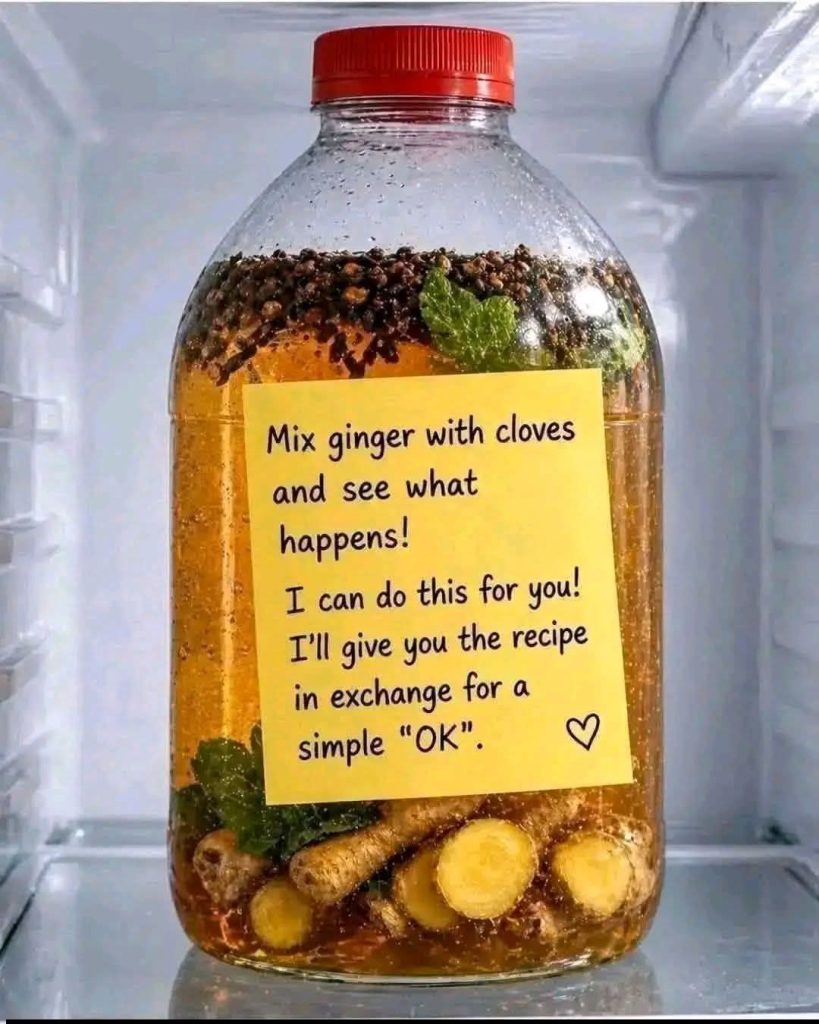
The Ultimate Ginger Clove Infusion Recipe Health Benefits and Culinary Guide
Spice infusions have been utilized across traditional culinary cultures for centuries, offering concentrated flavors, soothing warmth, and vibrant aromatic qualities. Among the most popular traditional combinations is the blend of fresh ginger root, whole cloves, and crisp mint leaves. When steeped together in hot water or cold-infused in the refrigerator, these botanical ingredients produce a bold, invigorating beverage loaded with active aromatic compounds. This comprehensive guide details how to prepare a ginger clove infusion at home, explores creative culinary serving ideas, breaks down the scientific properties of each ingredient, and addresses popular online wellness claims with evidence-based facts.
The Chemistry and Flavor Profile of Ginger, Clove, and Mint
Combining ginger, cloves, and mint creates a complex profile where sharp heat, sweet earthiness, and cooling freshness balance each other. Understanding how these ingredients interact helps you refine the recipe to suit your exact taste preferences.
Fresh Ginger Root (Zingiber officinale)
Ginger root provides the signature spicy kick in natural spice infusions. Its distinct flavor and warming sensation stem primarily from gingerols, bioactive compounds found in fresh ginger rhizomes. When cooked or steeped in hot water, gingerols undergo chemical transformation into shogaols and zingerone, which add deeper, pungent, and slightly sweet notes to the liquid.
Whole Dried Cloves (Syzygium aromaticum)
Cloves are unopened flower buds harvested from the evergreen clove tree. Highly concentrated in natural essential oils, cloves are dominated by eugenol—a powerful aromatic compound responsible for their rich, woody, and warm flavor. Cloves possess an intense aroma and mild numbing quality, making a small quantity sufficient to flavor a large batch of tea or cold infusion.
Fresh Mint Leaves (Mentha)
Fresh mint brings a bright, herbaceous contrast to the deep spices of ginger and clove. Rich in menthol, mint stimulates cold-sensitive receptors in the mouth, creating a crisp cooling sensation that rounds out the sharp bite of ginger and the heavy fragrance of eugenol.
Step-by-Step Ginger Clove Infusion Recipe
Preparing a homemade ginger clove infusion requires minimal kitchen preparation. You can prepare this blend as a piping-hot winter tea or a chilled, refreshing refrigerator tonic.
Ingredients and Tools Checklist
- 3 to 4 inches Fresh Ginger Root: Scrubbed clean and thinly sliced into rounds or lightly bruised.
- 1 to 2 tablespoons Whole Cloves: Whole dried cloves work best; avoid ground clove powder to keep the infusion clear.
- 4 to 5 Fresh Mint Sprigs: Gently clapped between your hands to release essential oils.
- 6 to 8 cups Filtered Water: Fresh, clean water ensures pure botanical flavors.
- 1 to 2 tablespoons Raw Honey or Maple Syrup (Optional): Added to taste for gentle natural sweetness.
- 1 Fresh Lemon (Optional): Sliced into rounds to add bright citrus acidity.
- Large Glass Pitcher or Mason Jar: For cold-brewed refrigeration or hot-steeping.
Preparation Method 1: The Warm Decoction (Hot Tea)
- Step 1: Slice and Prep: Wash the ginger root thoroughly. Slice it into thin 1/8-inch discs to maximize the surface area exposed to water.
- Step 2: Simmer: In a medium stainless steel saucepan, combine the sliced ginger, whole cloves, and 6 cups of filtered water. Bring the liquid to a rolling boil over medium-high heat. Once boiling, reduce the heat to low, cover the pan with a lid, and let it gently simmer for 15 to 20 minutes.
- Step 3: Steep Herbals: Remove the pan from heat. Toss in the fresh mint sprigs and lemon slices. Cover and let steep off the heat for an additional 10 minutes.
- Step 4: Strain and Serve: Strain the hot liquid through a fine-mesh sieve into mugs. Stir in raw honey or maple syrup if desired and serve warm.
Preparation Method 2: The Refrigerator Cold-Brew Tonic
- Step 1: Layer Ingredients: Place the sliced fresh ginger, whole cloves, fresh mint sprigs, and lemon slices into a clean 2-quart glass jar or refrigerator pitcher.
- Step 2: Add Water: Pour cool filtered water over the ingredients until the jar is filled, ensuring all botanicals are fully submerged.
- Step 3: Infuse Cold: Seal the jar with a lid and place it in the refrigerator. Allow the botanicals to cold-steep for 8 to 12 hours (overnight).
- Step 4: Strain and Enjoy: Pour the chilled infusion through a fine mesh strainer into a glass filled with ice. Enjoy as a hydrating spice water throughout the day.
Culinary Variations and Serving Suggestions
The bold base of ginger and clove pairs wonderfully with various culinary tweaks, allowing you to adapt this drink for any season.
Sparkling Ginger-Clove Spritzer
For an elevated alcohol-free mocktail, prepare a concentrated hot decoction using half the recommended water volume. Allow the concentrated syrup to cool completely. Fill a glass with ice, fill it halfway with the concentrated ginger-clove liquid, and top with sparkling water or club soda. Garnish with a fresh mint leaf and a slice of lime.
Citrus and Cinnamon Warm Wellness Brew
During colder months, enhance the comforting warmth of the drink by adding a whole cinnamon stick and two star anise pods to the simmering pot alongside the ginger and cloves. The addition of fresh orange juice right before serving adds natural sweetness and rich Vitamin C.
Nutritional Breakdown and Key Active Compounds
Ginger and cloves are among the most antioxidant-dense culinary spices available. Incorporating them into regular dietary routines delivers a variety of bioactive compounds.
| Ingredient | Primary Bioactive Compound | Primary Flavor Role | Known Dietary Properties |
|---|---|---|---|
| Ginger Root | Gingerols & Shogaols | Spicy, pungent, warming | Digestive comfort, anti-nausea |
| Whole Cloves | Eugenol | Aromatic, woody, sweet-spicy | Potent antioxidant profile |
| Fresh Mint | Menthol | Crisp, cooling, sweet | Soothing aroma, breath freshness |
| Lemon Juice | Ascorbic Acid (Vitamin C) | Tart, bright, acidic | Dietary antioxidant, flavor balance |
Digestive Comfort and Gastrointestinal Support
Ginger has been extensively studied for its ability to support normal gastric motility. It helps speed up stomach emptying and relieves occasional nausea, motion sickness, and digestive sluggishness. Combined with the mild carminative effects of cloves and mint, this infusion offers gentle comfort after heavy meals.
Antioxidant Properties
Cloves rank among the highest dietary sources of polyphenols. Antioxidants neutralize free radicals in the body, protecting cells from oxidative stress. Regular intake of spice-rich infusions provides a natural source of these protective plant compounds without adding unwanted calories or artificial additives.
Soothing Throat Comfort
The combination of warm ginger heat, fragrant eugenol, and cooling menthol creates a naturally soothing liquid for irritated throats during seasonal changes. Adding raw honey provides a natural demulcent coating that further reduces throat tickles.
Separating Fact from Fiction: Evaluating Viral Health Claims
Social media graphics and online viral posts frequently present spice drinks like ginger and clove water as miracle remedies capable of curing complex medical conditions overnight. Maintaining an accurate, science-based perspective on natural foods is essential for safe consumption.
Reality Check on Viral “Miracle Cure” Claims
While ginger and cloves contain beneficial bioactive compounds, claims that drinking a ginger-clove mixture can single-handedly cure chronic diseases, dissolve kidney stones instantly, reverse organ damage, or produce dramatic health transformations without lifestyle changes are medically inaccurate and unsupported by scientific research.
How Whole Foods Support Wellness
Spices and herbs act as supportive dietary components rather than medicinal cures. Drinking warm ginger and clove infusion supports wellness by promoting hydration, replacing sugary beverages with zero-calorie botanical water, and providing natural polyphenols. Healthy organ function relies on overall diet, regular hydration, adequate sleep, and targeted medical care when needed.
Important Safety and Medical Disclaimer: While ginger, clove, and mint teas are generally safe for healthy adults, concentrated botanical infusions can interact with certain health conditions and medications. Individuals taking blood thinners (such as warfarin or aspirin), diabetes medications, or blood pressure drugs should consult a healthcare provider before consuming high quantities of ginger or cloves. Pregnant individuals should speak with their doctor regarding safe thresholds for ginger consumption. If you suffer from severe gastric ulcers, acid reflux, or gallstones, pungent spices like ginger may irritate the stomach lining.
Frequently Asked Questions (FAQ)
How long can I store ginger clove water in the refrigerator?
Chilled ginger and clove water stored in a sealed glass container in the refrigerator stays fresh for 3 to 4 days. If left longer, the ginger flavor may become overly sharp and bitter. Strain out the solid botanicals after 24 hours to maintain a balanced flavor profile.
Can I reuse the ginger and cloves for a second batch?
Yes! Whole cloves and thick slices of fresh ginger retain significant flavor after one boiling cycle. You can add fresh water and simmer them a second time, though the resulting tea will be slightly milder in spice and aroma. Add a fresh sprig of mint to brighten up the second brew.
Is it better to drink ginger clove tea hot or cold?
Both temperatures offer great benefits! Hot ginger clove tea is exceptionally soothing for throat comfort, nasal congestion, and cool morning routines. Cold-infused ginger clove water is crisp, hydrating, and ideal as a refreshing summer drink or workout companion.
Can I use ground cloves instead of whole cloves?
While ground cloves work in an emergency, whole cloves are strongly preferred. Ground clove powder creates a murky, cloudy beverage with gritty sediment at the bottom of the cup and can easily overpower the drink with excessive bitterness.
Conclusion
A homemade ginger, clove, and mint infusion is a delicious, aromatic, and invigorating beverage that brings centuries of culinary spice tradition directly into your kitchen. Whether brewed warm for cozy evening relaxation or chilled overnight for a crisp daytime tonic, this combination delivers dynamic flavor, comforting warmth, and a rich array of natural antioxidants. By enjoying whole botanical ingredients alongside a balanced diet and an evidence-based approach to wellness, you can savor a flavorful drink that enhances daily hydration and culinary variety.