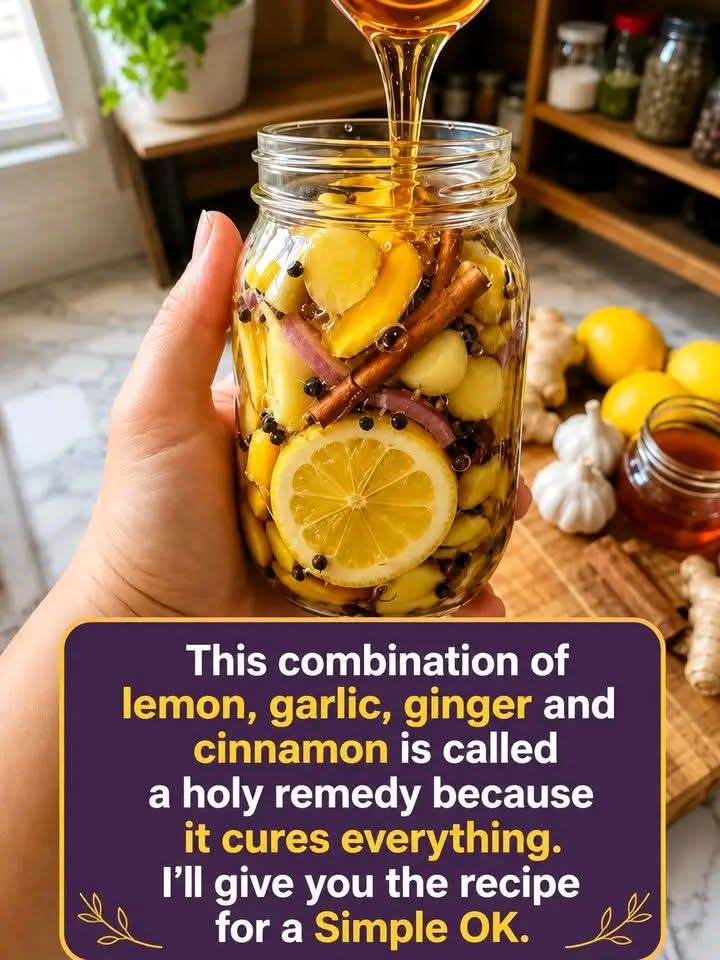
The Ultimate Lemon Garlic Ginger and Cinnamon Honey Infusion: Recipe Uses and Science-Based Health Benefits
Combining pungent kitchen herbs, warm spices, bright citrus, and raw honey is one of the oldest traditions in home herbalism and global culinary history. Across various cultures, concoctions featuring garlic, ginger, lemon, cinnamon, and raw honey have been brewed into warm tonics, drizzled over wholesome meals, and used to bring comfort during cold winter months. When these dynamic whole food ingredients steep together in a sealed glass jar, their essential oils, natural acids, and bioactive compounds fuse into an intensely aromatic, spicy-sweet syrup. This comprehensive guide covers everything you need to know about making a lemon, garlic, ginger, and cinnamon honey infusion at home—including step-by-step preparation, creative kitchen uses, a breakdown of key active compounds, and an honest, science-backed look at popular online wellness claims.
The Rich Heritage of Herbal Honey Infusions and Fire Elixirs
Infusing raw honey with fresh roots, alliums, and spices is a time-tested method for preserving seasonal produce while extracting rich flavors without high heat. Known in folk traditions by various names like herbal oxymels or fire elixirs, these liquid infusions rely on the natural osmotic power of honey and citrus juices to draw out liquid and volatile oils from fresh plant tissues.
Understanding the Synergy of Pungent Botanicals and Raw Honey
Raw honey acts as both a natural liquid solvent and a protective sweet base. When fresh lemon slices, crushed garlic cloves, and sliced ginger root are submerged in raw honey, the water content from the fruit and roots slowly diffuses into the honey. Over time, the thick honey transforms into a pourable, highly concentrated syrup infused with sharp, pungent, and warm botanical flavors.
Why Combining Acidic, Spicy, and Aromatic Ingredients Works
Each component in this blend fulfills a specific flavor and functional role in the jar. Fresh lemon contributes bright citric acid and liquid base, which cuts through the density of raw honey. Garlic brings sharp, sulfurous notes balanced by the fiery bite of fresh ginger root. Cinnamon sticks contribute a warm, woody sweetness that rounds out the intense pungency of the garlic and ginger, creating a balanced, dynamic flavor profile.
Step-by-Step Lemon, Garlic, Ginger, and Cinnamon Infusion Recipe
Creating this homemade botanical syrup requires minimal active kitchen time and no complex cooking equipment. Choosing fresh, firm, high-quality organic produce ensures a clean taste and vibrant appearance in your glass jar.
Ingredients and Kitchen Tools Checklist
- 1 large Organic Lemon: Thoroughly washed and sliced into thin rounds with seeds removed.
- 1 head Fresh Garlic: Peeled and lightly crushed or coarsely chopped (about 8 to 10 whole cloves).
- 3 to 4 inches Fresh Ginger Root: Scrubbed clean and sliced into thin coins.
- 2 to 3 Whole Cinnamon Sticks: Ceylon or Cassia cinnamon sticks work equally well.
- 1/2 teaspoon Whole Black Peppercorns: Optional, to add subtle warmth and visual complexity.
- 1.5 to 2 cups Raw Unfiltered Honey: Organic, raw honey provides the best natural consistency and flavor.
- 1 Clean 32 oz Glass Mason Jar: Fitted with a tight-fitting lid or plastic canning cap.
Preparation Step 1: Cleaning and Slicing the Botanicals
Wash the lemon and ginger root thoroughly under cool running water. Because the lemon peel remains in the jar during steeping, using organic lemons prevents unwanted surface waxes or pesticides from entering your infusion. Slice the lemon into uniform thin discs, keeping the skin intact. Peel the garlic cloves and crush them gently with the flat side of a knife blade to activate their cellular compounds. Slice the fresh ginger root into thin rounds.
Preparation Step 2: Layering the Jar for Maximum Extraction
Begin layering your ingredients into the bottom of the clean mason jar. Start with a layer of lemon slices, followed by a handful of crushed garlic, ginger coins, and a cinnamon stick. Repeat these alternating layers until all solid ingredients are packed neatly into the jar. Toss in the whole black peppercorns if using. Layering ensures that the flavors extract evenly as the honey slowly flows downward through the botanicals.
Preparation Step 3: Infusing and Steeping Process
Uncap your jar of raw honey and slowly pour it over the layered ingredients. Allow the honey to trickle down through the crevices between the lemon slices and spices. If needed, use a clean wooden spoon or chopstick to gently poke down the sides, releasing trapped air bubbles. Ensure that all solid botanicals are fully submerged beneath the honey. Seal the jar tightly with a lid and leave it at room temperature on a dark kitchen counter for 24 to 48 hours. During this initial phase, you will notice the honey becoming noticeably thinner and liquid as juices extract from the lemon and ginger.
How to Strain, Store, and Preserve Your Infusion
After 48 hours at room temperature, transfer the jar into the refrigerator to steep for an additional 3 to 5 days for optimal flavor development. The liquid syrup can be used directly from the jar by taking spoonfuls of the honey liquid, or you can strain the solid ingredients through a fine mesh strainer into a clean bottle. Keep the finished syrup stored in the refrigerator, where it will remain fresh and flavorful for up to 2 to 3 months.
Creative Culinary Applications and How to Enjoy Your Infusion
While many people enjoy a simple spoonful of this aromatic syrup during the winter season, its rich sweet, sour, and spicy notes make it a versatile ingredient in the modern kitchen.
Warm Morning Tonic and Herbal Tea Boosters
The most popular way to enjoy this infusion is as a comforting warm tonic. Stir 1 to 2 tablespoons of the infused honey syrup into a mug of warm water or hot herbal tea, such as chamomile, peppermint, or green tea. Avoid using boiling water directly over raw honey to preserve its natural flavor profile and delicate aroma.
Salad Dressings, Marinades, and Glazes
The bold combination of garlic, ginger, lemon, and honey creates an exceptional flavor base for savory cooking:
- Vinaigrettes: Whisk 2 tablespoons of the infused honey liquid with 3 tablespoons of extra virgin olive oil, a splash of apple cider vinegar, and a pinch of salt for a zesty salad dressing.
- Roasted Vegetable Glaze: Drizzle 1 tablespoon over roasted carrots, sweet potatoes, or Brussels sprouts during the last 5 minutes of baking for a caramelized, savory-sweet finish.
- Meat and Tofu Marinades: Combine the infusion with soy sauce and sesame oil to create an aromatic glaze for grilled chicken, salmon, or pan-seared tofu.
Soothing Cough Syrup and Throat Coating
During seasonal weather transitions, a spoonful of this viscous honey syrup offers immediate throat-soothing comfort. The natural thickness of raw honey coats the throat, while the warming heat of ginger and cinnamon provides a pleasant, gentle sensation.
Nutritional Profile and Key Active Compounds
Each individual ingredient in this herbal infusion contributes distinct bioactive plant compounds, essential vitamins, and culinary antioxidants that work together to create a nutrient-dense whole-food product.
| Ingredient | Active Plant Compounds | Key Nutrients | Primary Culinary Role |
|---|---|---|---|
| Lemon | Citric acid, Hesperidin, Naringin | Vitamin C, Potassium | Bright acidity, fresh citrus aroma |
| Garlic | Allicin, Alliin, S-allyl-cysteine | Selenium, Vitamin B6, Manganese | Sharp pungency, savory depth |
| Ginger | Gingerols, Shogaols, Zingerone | Magnesium, Potassium | Fiery warmth, digestive bite |
| Cinnamon | Cinnamaldehyde, Eugenol | Dietary Fiber, Polyphenols | Sweet woody aroma, spice depth |
| Raw Honey | Diastase, Invertase, Catalase | Natural Glucose & Fructose | Sweet base, texture, preservation |
Lemon (Citrus limon): Vitamin C and Bioflavonoids
Fresh lemons are renowned for their high concentration of Vitamin C (ascorbic acid) and citrus bioflavonoids. Vitamin C is a water-soluble antioxidant that plays a key role in supporting daily metabolic health and cellular protection against oxidative stress.
Fresh Garlic (Allium sativum): Allicin and Sulfur Compounds
When fresh garlic cloves are crushed or chopped, an enzymatic reaction converts alliin into allicin—the primary organosulfur compound responsible for garlic’s signature aroma and sharp bite. Garlic has been studied extensively for its role in supporting cardiovascular wellness and maintaining healthy circulation as part of a balanced diet.
Ginger Rhizome (Zingiber officinale): Gingerols and Digestive Support
Ginger root contains pungent phenolic compounds known as gingerols. Research confirms that ginger supports normal gastric motility, helps soothe occasional stomach discomfort, and promotes healthy digestive function after meals.
Cinnamon Sticks (Cinnamomum): Polyphenols and Flavor Warmth
Cinnamon is one of the most antioxidant-dense spices known. Its principal active component, cinnamaldehyde, gives cinnamon its sweet fragrance and warm bite. Cinnamon helps balance the intense sharpness of raw garlic and ginger, making the syrup palatable and fragrant.
Raw Honey: Enzymatic Qualities and Natural Preservation
Raw, unpasteurized honey serves as the foundation of this recipe. Unlike refined sugars, raw honey contains trace amounts of pollen, naturally occurring enzymes, and complex sugars that provide a silky texture and natural antimicrobial environment that prevents spoilage when stored correctly.
Evaluating Viral Health Claims: Fact vs. Fiction
Sensationalized social media posts and viral images frequently promote mixtures of lemon, garlic, ginger, and cinnamon under dramatic titles like “the holy remedy that cures everything.” While these ingredients are undeniably healthy components of a whole-food diet, it is essential to evaluate health claims through an accurate, science-based lens.
Separating Traditional Wellness Support from “Miracle Cures”
No single food, herb, or botanical syrup can “cure everything” or replace proper medical diagnostics and medical treatments. Claims that a garlic-honey-lemon mixture can instantly eliminate chronic illness, cure viral infections overnight, or dissolve organ disease are scientifically inaccurate and dangerous if used as a substitute for professional healthcare.
The Science of Immune Support vs. Disease Treatment
Whole foods work by providing your body with essential building blocks—such as Vitamin C, antioxidants, trace minerals, and fluid hydration—that support your immune system’s normal daily functions. Drinking a warm tonic made from lemon, garlic, ginger, and honey helps keep you hydrated, soothes uncomfortable throat irritation, and delivers protective polyphenols. It supports overall well-being, but it operates as nutritional maintenance rather than a medicinal cure.
Important Safety and Medical Disclaimer: This homemade botanical syrup is intended for culinary use and general dietary enjoyment. It is not intended to diagnose, treat, cure, or prevent any disease. Individuals taking prescription blood thinners (such as warfarin), blood pressure medications, or diabetes treatments should consult their physician before consuming large quantities of raw garlic or ginger. Raw honey should never be given to infants under 12 months of age due to the risk of infant botulism.
Frequently Asked Questions (FAQ)
How long does raw honey infusion keep in the refrigerator?
When kept in a sealed glass container inside the refrigerator, this lemon, garlic, ginger, and cinnamon honey syrup remains fresh for 2 to 3 months. The natural acidity of the lemon and the low water activity of honey help preserve the mixture. If you notice any off-odors, mold, or unusual gas production, discard the batch.
Can I use ground cinnamon instead of cinnamon sticks?
While ground cinnamon can be used in a pinch, whole cinnamon sticks are strongly recommended. Ground cinnamon powder does not dissolve in honey or juice; instead, it settles into a sludge at the bottom of the jar, making the syrup cloudy, gritty, and unpleasantly thick.
Is this infusion safe for individuals taking daily medications?
Most people can safely enjoy a tablespoon of this syrup diluted in water. However, both garlic and ginger possess natural blood-thinning properties and may interact with anticoagulant medications, antiplatelet drugs, or blood sugar regulators when consumed in high concentrated amounts. Always check with your doctor or pharmacist if you have concerns about drug interactions.
Why does garlic sometimes turn blue or green in acid infusions?
Do not be alarmed if your garlic cloves turn a bluish-green color in the jar! This harmless reaction occurs when the sulfur compounds in garlic interact with trace amino acids and the natural citric acid from the fresh lemon slices. The garlic remains completely safe to eat and retains its full flavor profile.
Conclusion
A homemade infusion of fresh lemon, garlic, ginger, cinnamon, and raw honey is a magnificent addition to any whole-food kitchen pantry. It combines centuries of traditional herbal wisdom with dynamic, fiery flavors that transform simple warm water, teas, and culinary dishes into vibrant taste experiences. By enjoying this aromatic syrup as a cozy beverage or flavorful cooking ingredient while maintaining an evidence-based approach to personal health, you can savor the authentic culinary and nutritional benefits of whole botanicals safely every day.