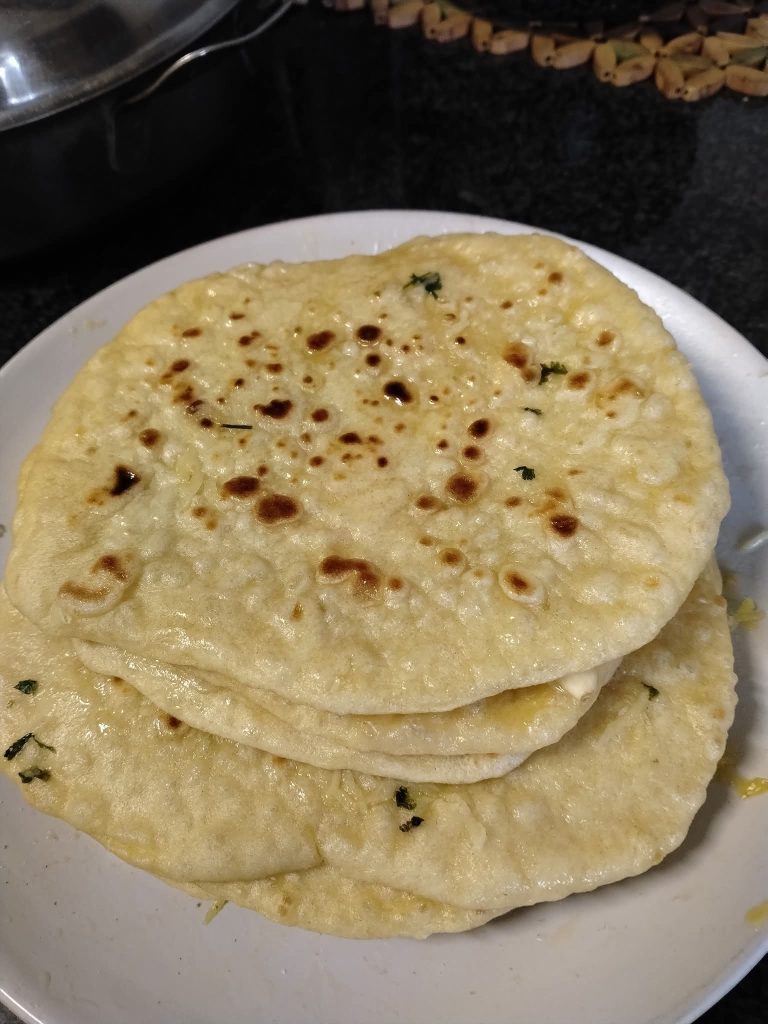
The Ultimate Homemade Garlic Butter Naan Recipe Soft Pillowy and Restaurant Quality
There is nothing quite like the aroma of freshly baked, warm garlic butter naan wafting through the kitchen. Soft, pillowy, slightly chewy, and brushed with melted garlic ghee and fresh cilantro, authentic naan is the crown jewel of Indian cuisine. While traditional naan is slapped against the piping-hot clay walls of a subterranean tandoor oven, you do not need commercial restaurant equipment to achieve that irresistible char and tender texture at home. With a simple cast-iron skillet, a few basic pantry staples, and the right technique, you can replicate authentic, restaurant-quality garlic butter naan right on your stovetop. This long-form guide walks you through every single step, science-backed secret, and culinary technique needed to master homemade naan.
Why You Will Love Making Homemade Naan from Scratch
Making naan bread at home is one of the most satisfying baking projects you can undertake because it yields immediate rewards. Unlike traditional sourdough or artisanal European bread loaves that require days of fermentation and hours of precise baking, skillet naan comes together in under two hours from start to finish.
The primary advantage of making your own naan is control over texture and flavor. Store-bought naan packages found in grocery store bread aisles are notoriously dry, crumbly, and filled with artificial preservatives to prolong shelf life. When you prepare naan fresh in your kitchen, you achieve a delicate balance of crisp, charred exterior blisters paired with a impossibly soft, airy center.
Additionally, homemade naan is incredibly budget-friendly. Using simple ingredients like flour, warm milk, yogurt, and butter, you can yield a large batch of fresh flatbreads for a fraction of the cost of dining out. It is also completely customizable, allowing you to tweak garlic levels, incorporate fresh garden herbs, or adapt the recipe for specific dietary preferences.
Essential Ingredients for Soft and Pillowy Naan
To understand why this recipe works so exceptionally well, it helps to break down the role each ingredient plays in developing dough elasticity, flavor, and softness.
The Base Flour: All-Purpose vs. Bread Flour
Standard all-purpose flour is the absolute ideal choice for classic homemade naan. It contains a moderate protein content (around 10% to 12%), which creates just enough gluten to give the flatbread its signature chew without making it tough or overly bread-like. While bread flour can be used, it tends to make the naan a bit too dense. For an authentic texture, stick with good quality unbleached all-purpose flour.
The Leavening Agent: Yeast vs. Baking Powder
While some quick flatbread recipes rely solely on chemical leaveners like baking powder or baking soda, traditional yeast is essential for true naan. Active dry yeast or instant yeast ferments the sugars in the dough, producing carbon dioxide gas bubbles that expand rapidly when exposed to intense heat. This gas expansion is what creates the dramatic air pockets and bubbles characteristic of authentic flatbread. A small pinch of sugar helps activate the yeast quickly.
Yogurt and Milk: The Secret to Tender Crumb
If you have ever made flatbread that turned out dry or rubbery, the culprit was likely a lack of acid and moisture retention. Plain full-fat yogurt (or Greek yogurt) is the secret weapon in naan making. The lactic acid present in yogurt breaks down gluten strands slightly, softening the dough structure and locking in moisture. Milk provides fat and natural sugars that contribute to a tender crumb and beautiful golden browning.
Fat Factor: Melted Butter and Ghee
Fat acts as a dough conditioner, coating gluten strands and preventing the flatbread from becoming brittle after cooking. Incorporating melted butter or clarified butter (ghee) directly into the dough yields a tender bite, while brushing the cooked naan with garlic butter adds that signature glossy finish and rich flavor profile.
Aromatics: Fresh Garlic and Herbs
Freshly minced or grated garlic is crucial. Avoid pre-minced jarred garlic, as it lacks the vibrant, pungent flavor required to cut through the rich butter. Fresh minced coriander or cilantro added at the end brings a pop of color, fresh aroma, and balanced contrast to the savory garlic.
Step-by-Step Guide to Perfect Homemade Naan
Follow this detailed breakdown to mix, proof, roll, and cook your garlic butter naan with complete confidence.
Step 1: Proofing the Yeast
Begin by blooming your yeast to ensure it is active and alive. In a large mixing bowl or the bowl of a stand mixer, combine warm milk (warmed to approximately 105°F to 110°F), granulated sugar, and active dry yeast. Whisk gently and allow the mixture to sit undisturbed for 5 to 10 minutes. When the yeast is ready, it will form a frothy, foamy head on top of the liquid. If no bubbles appear, your yeast may be expired or the milk was too hot, so it is best to restart.
Step 2: Mixing and Kneading the Dough
Once the yeast is bloomed, add the plain yogurt, melted butter, unbleached all-purpose flour, and fine sea salt to the bowl. Stir with a wooden spoon or thick spatula until a shaggy dough begins to form. Transfer the dough onto a lightly floured work surface, or use the dough hook attachment on your stand mixer. Knead the dough continuously for 6 to 8 minutes. The goal is a smooth, elastic, and slightly tacky dough that bounces back when gently pressed with a finger. Avoid adding too much extra flour during kneading; a slightly sticky dough yields the softest cooked flatbreads.
Step 3: First Rise and Fermentation
Lightly oil a clean, large bowl with neutral oil. Form the kneaded dough into a smooth ball and place it in the oiled bowl, turning it once so the top is coated in oil to prevent drying out. Cover the bowl tightly with plastic wrap or a damp kitchen towel. Place the bowl in a warm, draft-free spot for roughly 60 to 90 minutes, or until the dough has doubled in total volume.
Step 4: Portioning and Shaping
Once the dough has doubled in size, gently punch it down to release excess air accumulation. Divide the dough evenly into 8 equal portions (roughly 70 to 80 grams each). Roll each portion into a smooth, tight round ball on your countertop. Cover the dough balls loosely with a clean towel to rest for 10 minutes; this allows the gluten network to relax, making the dough much easier to stretch without snapping back. Taking one dough ball at a time, use a rolling pin to stretch it into an oval or teardrop shape approximately 1/4-inch to 1/8-inch thick.
Step 5: Cooking on a Cast-Iron Skillet
Heat a heavy cast-iron skillet or stainless steel pan over medium-high heat until hot. Lightly brush one side of the rolled dough with a tiny splash of water. Place the wet side down directly onto the dry, hot skillet. Within 30 to 60 seconds, you will observe large bubbles inflating across the surface of the dough, and the bottom will develop deep golden-brown chars. Flip the naan using tongs or a spatula and cook the second side for another 30 to 45 seconds until puffed and cooked through.
Step 6: Basting with Garlic Butter
While the naan cooks, melt butter in a small saucepan over low heat and mix in finely minced garlic and a pinch of salt. As soon as each piece of naan comes off the hot skillet, brush it generously with the garlic butter mixture and sprinkle with finely chopped fresh cilantro. Stack the cooked naan flatbreads on a plate covered with a clean kitchen towel to trap moisture and keep them soft and piping hot.
Pro Tips for Achieving Restaurant-Quality Naan Without a Tandoor
To take your homemade naan from good to phenomenal, keep these professional kitchen secrets in mind.
Temperature Control and Skillet Selection
The biggest mistake home cooks make when preparing naan is using a low skillet temperature or a thin non-stick pan. Non-stick pans cannot safely hold the high heat needed to replicate a tandoor. Cast iron holds heat exceptionally well, ensuring that rapid puffing action happens before the interior of the bread dries out. Make sure your cast-iron skillet is thoroughly preheated before adding the flatbread.
Stretchy Dough Mechanics
If your dough keeps shrinking back into a small circle when you try to roll it out, the gluten is over-worked and tense. Do not fight the dough or add excessive pressure. Simply leave the rolled portions covered on the counter for 5 minutes to let the gluten relax, then resume rolling.
Storing and Reheating Extra Naan
If you have leftover cooked naan, let them cool completely to room temperature before placing them in a sealable ziplock bag. Store them at room temperature for up to 2 days, or freeze them layered between sheets of parchment paper for up to 3 months. To reheat, sprinkle a few drops of water on the flatbread and warm it in a hot skillet or hot oven for 2 to 3 minutes until soft and pliable again.
Frequently Asked Questions About Homemade Naan
Can I make naan dough ahead of time?
Yes! You can prepare the dough through the first mixing phase and store it in an airtight container in the refrigerator for up to 24 hours. Cold fermentation actually enhances the flavor of the yeast. When ready to bake, allow the dough to sit on the counter for about 30 minutes to come to room temperature before shaping and cooking.
How do I make vegan garlic butter naan?
To make this recipe entirely plant-based, substitute the plain dairy yogurt with plain unsweetened coconut or almond milk yogurt. Replace the warm dairy milk with unsweetened oat or soy milk, and use vegan butter or extra virgin olive oil in place of dairy butter.
Why is my cooked naan tough instead of soft?
Tough naan usually results from three main factors: adding too much flour during kneading, over-rolling the dough too thin, or cooking the flatbread on low heat for too long. Low heat bakes the moisture out of the bread slowly, turning it crispy or leathery instead of flash-cooking it hot and fast.
Delicious Serving Ideas and Pairings
Garlic butter naan is incredibly versatile and acts as the perfect vehicle for scooping up rich, flavorful dishes. Serve your freshly made naan alongside rich creamy curries like Chicken Tikka Masala, Butter Chicken, or Paneer Makhani. It is also an extraordinary vessel for dipping into classic lentil dal, chana masala, or spicy palak paneer. Beyond traditional Indian meals, you can use homemade naan as a quick personal pizza base, wrap it around grilled meats and veggies for Mediterranean gyros, or simply enjoy it warm directly off the skillet as an appetizer.
Complete Homemade Garlic Butter Naan Recipe Card
Ingredients
- 3 cups unbleached all-purpose flour (plus extra for rolling)
- 1 packet (2 1/4 teaspoons) active dry yeast
- 1 teaspoon granulated sugar
- 3/4 cup warm milk (105°F – 110°F)
- 1/2 cup plain full-fat yogurt, room temperature
- 1 teaspoon fine sea salt
- 2 tablespoons melted butter (for dough)
- 4 tablespoons melted butter or ghee (for garlic topping)
- 3 cloves garlic, finely minced
- 2 tablespoons fresh cilantro, finely chopped
Instructions
- In a bowl, combine warm milk, sugar, and active dry yeast. Let stand for 5 to 10 minutes until frothy.
- Add yogurt, 2 tablespoons melted butter, flour, and salt. Mix until dough forms.
- Knead on a lightly floured surface for 6 to 8 minutes until smooth and elastic.
- Place dough in an oiled bowl, cover, and let rise in a warm place for 60 to 90 minutes until doubled in size.
- Punch down dough, divide into 8 equal balls, and rest covered for 10 minutes.
- Mix remaining 4 tablespoons melted butter with minced garlic.
- Roll each dough ball into a 1/4-inch thick oval. Lightly brush one side with water.
- Preheat a cast-iron skillet over medium-high heat. Place dough wet-side down in the hot skillet.
- Cook for 1 minute until large bubbles form on top and bottom is charred. Flip and cook for another 30 to 45 seconds.
- Remove from skillet, brush generously with garlic butter, sprinkle with fresh cilantro, and serve warm.
Mastering garlic butter naan at home brings a restaurant-quality experience right to your dining room table. With simple ingredients, a hot cast-iron skillet, and a quick brushed coating of garlic and herbs, you can elevate any meal with soft, flavorful flatbread crafted completely from scratch.