Baking Soda for Dark Spots and Wrinkles Fact vs Fiction Risks and Safe DIY Alternatives
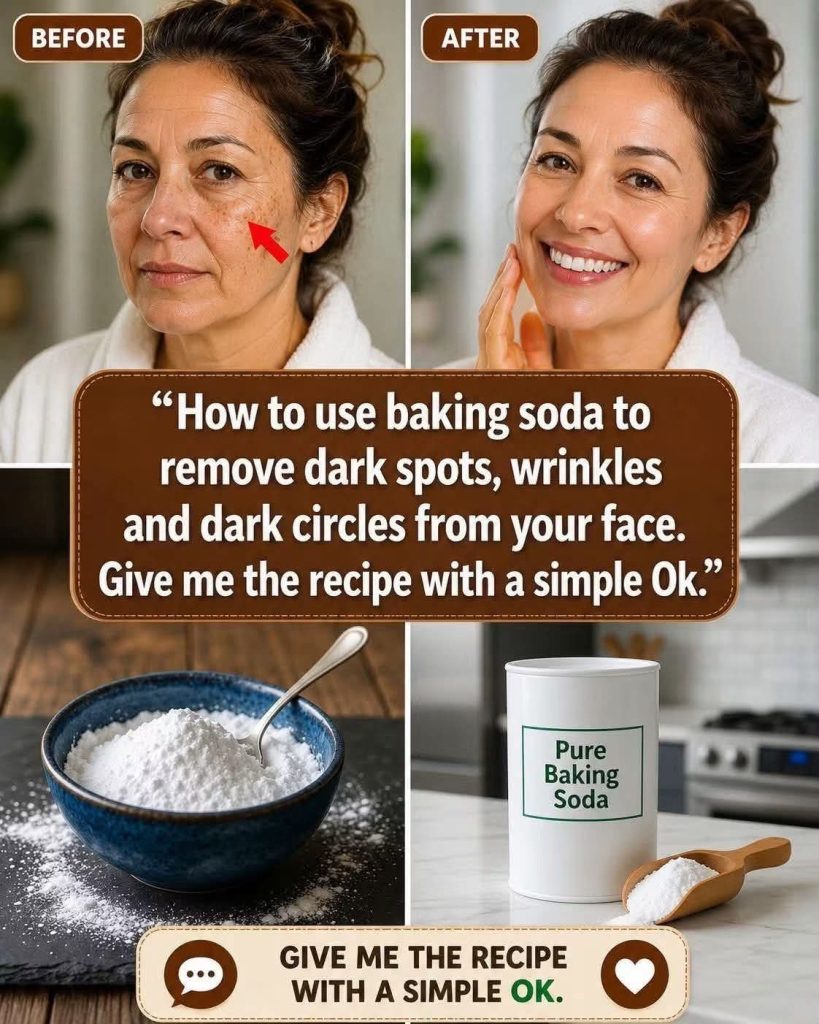
Social media feeds are flooded with viral beauty hacks promising effortless, miraculous transformations. Among the most widespread trends are graphics and short videos claiming that a simple kitchen powder—baking soda—can magically erase dark spots, smooth away deep wrinkles, and banish under-eye dark circles overnight. These viral claims often feature striking before-and-after photos that leave viewers asking if the secret to youthful, flawless skin has been hiding in their pantry all along.
Before applying baking soda to your face, it is essential to understand the science of facial skin. While baking soda is a household staple celebrated for its cleaning and deodorizing abilities, using it directly on delicate facial tissue presents significant risks. In this detailed guide, we will explore the truth behind the baking soda skincare trend, explain why dermatologists advise against it, and provide safe, effective, home-based alternatives and proven ingredients that truly brighten skin and soften fine lines.
The Viral Baking Soda Skincare Trend Explained
The appeal of home remedies lies in their simplicity, affordability, and accessibility. When a post claims that a quick mixture of baking soda and water can replace expensive serums and clinic treatments, it naturally attracts millions of views and shares.
Why Social Media Claims Baking Soda Works
Proponents of baking soda as a skincare hack often point to its gritty texture and mild chemical properties. Because baking soda (sodium bicarbonate) is a physical powder, it functions as an exfoliator when rubbed onto the skin. The logic presented online suggests that scrubbing away dead surface skin cells will rapidly fade dark spots, smooth out wrinkles, and lighten hyperpigmentation.
What the Before-and-After Images Do Not Show
The dramatic visual transformations shared across social media platforms are rarely the result of baking soda. In most cases, these images rely on professional lighting, digital editing, cosmetic filters, or clever makeup application. Applying a harsh alkaline substance to the skin cannot alter melanin production or rebuild lost collagen, which are the true biological factors involved in dark spots and wrinkles.
Why Baking Soda Can Damage Your Facial Skin
While physical exfoliation is a legitimate part of a healthy skincare routine, baking soda is uniquely unsuited for the human face. Dermatologists strongly warn against using it as a cleanser, mask, or spot treatment for several critical biological reasons.
Disruption of the Skin’s Natural pH Barrier
Healthy human facial skin is naturally acidic, maintaining a pH level typically between 4.5 and 5.5. This acidic environment forms what is known as the “acid mantle”—a protective lipid barrier that locks in hydration, defends against harmful bacteria, and keeps skin supple. Baking soda, on the other hand, is highly alkaline, boasting a pH level of around 9.0. Applying baking soda to the face neutralizes the acid mantle, stripping away natural protective oils. This sudden shift in pH leaves the skin vulnerable to severe dehydration, redness, irritation, and unexpected acne breakouts.
Micro-Tears and Abrasive Irritation
Under a microscope, baking soda crystals exhibit sharp, jagged edges. When massaged onto delicate facial skin, these microscopic particles act like sandpaper. Rather than gently shedding dead cells, they create invisible micro-tears in the outer layer of the skin (the stratum corneum). These tiny wounds cause localized inflammation, increase sensitivity to sunlight, and can actually worsen hyperpigmentation by triggering post-inflammatory dark spots.
Risks Near the Delicate Eye Area
Some viral recipes specifically advise applying baking soda paste under the eyes to eliminate dark circles. However, the skin surrounding the eyes is the thinnest and most delicate on the entire body. It lacks robust oil glands, making it exceptionally prone to dryness and chemical irritation. Placing an alkaline, abrasive compound under the eyes can cause severe burning, swelling, scaling, and accelerated fine lines due to extreme moisture loss.
Safe and Effective Natural Alternatives for Dark Spots and Wrinkles
If you enjoy preparing fresh, natural skincare treatments at home, you do not have to sacrifice safety for natural ingredients. Several gentle pantry items offer nourishing, brightening properties without disturbing your skin’s delicate pH balance.
Brightening Honey and Yogurt Face Mask
Plain, unflavored Greek yogurt is rich in natural lactic acid, an alpha-hydroxy acid (AHA) that gently dissolves dead skin cells without abrasive scrubbing. Raw honey acts as a natural humectant, drawing moisture into the skin while soothing irritation.
- Benefits: Gently exfoliates, restores moisture, and brightens dull skin tone.
- How to Use: Mix one tablespoon of plain yogurt with one teaspoon of raw honey. Apply evenly to clean skin, leave on for 10 to 15 minutes, and rinse with warm water.
Soothing Oatmeal and Milk Scrub
Colloidal oatmeal is renowned for its anti-inflammatory and barrier-repairing qualities. When combined with milk, which contains mild lactic proteins, it forms a soothing paste that leaves the skin soft and calm.
- Benefits: Calms redness, provides mild non-abrasive smoothing, and reinforces hydration.
- How to Use: Grind whole oats into a fine powder. Mix one tablespoon of oat powder with enough warm whole milk to form a soft paste. Gently massage onto the face in light circular motions for 30 seconds, then rinse thoroughly.
Fresh Aloe Vera and Rosewater Hydrator
Aloe vera contains natural vitamins, minerals, and antioxidants that support skin repair and calm sun damage. Pure rosewater helps balance skin tone and provides lightweight hydration.
- Benefits: Cools inflamed skin, delivers lightweight antioxidant protection, and aids in moisture retention.
- How to Use: Blend equal parts pure aloe vera gel and organic rosewater. Pat gently onto the skin after cleansing as a soothing toner or light moisturizer.
Dermatologist-Approved Ingredients for Radiant Skin
For long-term improvements in hyperpigmentation, fine lines, and under-eye discoloration, relying on clinically tested skincare ingredients provides consistent, predictable results.
Vitamin C for Hyperpigmentation
Vitamin C (L-ascorbic acid) is a powerful topical antioxidant that inhibits the enzyme tyrosinase, which is responsible for excess melanin production. Daily application of a stabilized Vitamin C serum helps fade existing sun spots, age spots, and acne scars while protecting against environmental free radical damage.
Retinoids and Peptides for Fine Lines
Retinoids, derived from Vitamin A, remain the gold standard in topical anti-aging care. They accelerate cellular turnover and stimulate natural collagen production deep within the dermis, visibly softening fine lines and improving overall skin density over time. For those with sensitive skin, peptide-rich creams provide a gentle alternative by signaling skin tissue to rebuild structural proteins.
Niacinamide for Even Skin Tone and Barrier Repair
Niacinamide (Vitamin B3) is a versatile, gentle ingredient suitable for almost all skin types. It reduces inflammation, prevents pigment transfer within skin cells, strengthens the natural lipid barrier, and minimizes the appearance of enlarged pores.
Caffeine and Hyaluronic Acid for Dark Circles
Dark circles under the eyes are frequently caused by thin skin revealing underlying blood vessels or localized fluid retention. Caffeine-infused eye serums help constrict blood vessels to reduce shadow darkness, while hyaluronic acid plumps the skin surface with water to mask visible undertones.
Step-by-Step Gentle DIY Brightening Mask Recipe
Instead of risking irritation with baking soda, try this safe, soothing home mask designed to nourish your skin barrier while promoting a healthy, natural glow.
Ingredients List
- 1 tablespoon Finely Ground Oats: Provides gentle soothing properties and absorbs excess oil.
- 1 tablespoon Raw Organic Honey: Delivers deep hydration and natural antibacterial protection.
- 1 tablespoon Plain Unsweetened Yogurt: Provides mild lactic acid for gentle, non-abrasive exfoliation.
- 1/2 teaspoon Fresh Aloe Vera Gel: Cools the skin and reduces redness.
Preparation and Application Instructions
- In a small glass bowl, combine the ground oats, raw honey, plain yogurt, and aloe vera gel.
- Stir the ingredients thoroughly until a smooth, thick paste forms.
- Wash your face with a mild, pH-balanced cleanser and pat dry with a soft towel.
- Using clean fingers or a soft brush, apply an even layer of the mask across your face, avoiding the immediate eye and lip areas.
- Allow the mask to sit comfortably for 12 to 15 minutes. Do not let it dry completely until it cracks.
- Rinse gently with lukewarm water, massaging in light circular motions to remove the mixture.
- Pat dry and immediately follow with your favorite hydrating serum and moisturizer.
Daily Skincare Habits to Prevent Hyperpigmentation and Aging
No topical recipe or serum can compensate for a lack of foundational skin protection. Building healthy daily habits ensures your skin stays youthful, firm, and radiant over the long term.
Broad-Spectrum Sunscreen Protection
Ultraviolet (UV) radiation from the sun is the leading cause of premature skin aging, dark spot formation, and collagen breakdown. Applying a broad-spectrum sunscreen with SPF 30 or higher every single morning—regardless of whether it is sunny or cloudy—is the single most effective step you can take to prevent dark spots and wrinkles.
Consistent Hydration and Moisture
Maintaining skin hydration is vital for preserving elasticity. Drinking adequate water throughout the day keeps body tissues hydrated, while using a moisturizer containing ceramides, fatty acids, and glycerin locks moisture into the upper skin layers, preventing fine lines caused by dehydration.
Frequently Asked Questions (FAQs)
Can baking soda ever be used safely on the face?
Dermatologists generally advise against using baking soda on facial skin under any circumstances. Its high alkalinity disrupts the skin barrier and can lead to severe dryness, micro-tears, and heightened sensitivity.
How long does it take to naturally lighten dark spots?
Cellular turnover naturally takes about 28 to 40 days depending on age. When using proven ingredients like Vitamin C, niacinamide, or gentle alpha-hydroxy acids alongside daily sunscreen, noticeable fading of dark spots typically requires 6 to 12 weeks of consistent use.
What is the safest way to treat under-eye dark circles at home?
The safest approach involves gentle hydration and cold therapy. Applying a chilled compress or cool spoon to the eye area helps constrict blood vessels and reduce fluid buildup. Following up with a hydrating eye cream containing hyaluronic acid or caffeine supports the delicate skin barrier without causing irritation.
Conclusion
While the idea of using baking soda as a quick cure for dark spots, wrinkles, and dark circles is appealing, the reality is that its high pH and abrasive structure can cause lasting damage to your skin barrier. Achieving a bright, smooth, and youthful complexion requires gentle care that respects your skin’s natural balance. By swapping harsh pantry scrubs for soothing natural ingredients like oat, honey, and yogurt—and pairing them with proven topical treatments like Vitamin C, retinoids, and daily broad-spectrum sunscreen—you can safely nourish your skin and enjoy a healthy, long-lasting glow.