Guava Leaf Tea Benefits Fact vs Fiction Cancer Research and Healthy Preparation
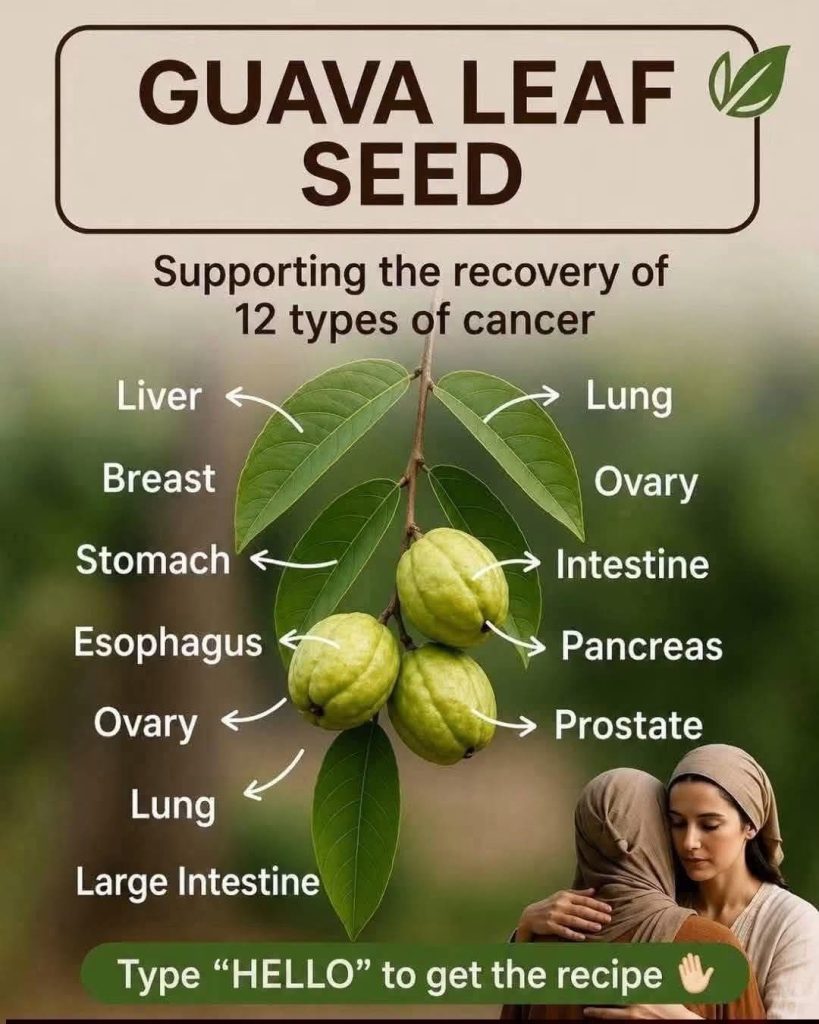
Viral social media graphics often circulate bold claims that simple kitchen remedies—such as guava leaves or guava seeds—can cure or single-handedly treat complex medical conditions like cancer. While natural herbs and botanical teas offer wonderful health-supporting properties, it is crucial to separate medical myths from scientific facts when evaluating health claims online.
In this comprehensive guide, we will explore the real, evidence-based health benefits of guava leaves, examine what scientific research actually says regarding guava extracts and cancer cells, discuss safety guidelines, and provide a simple, refreshing recipe for homemade guava leaf tea.
The Viral Claims Around Guava Leaves and Cancer
Posts on social media frequently claim that brewing guava leaves or seeds supports recovery across dozens of cancer types. These claims often stem from misinterpretations of preliminary, laboratory-based research.
What Preliminary Laboratory Studies Show
In scientific laboratories, researchers test plant extracts, including guava leaf extract (Psidium guajava), on isolated cancer cells in test tubes (in vitro) or in animal models. Some of these preliminary studies have found that guava leaves contain high concentrations of bioactive compounds like quercetin, lycopene, and polyphenols, which demonstrate antioxidant activities and can inhibit cell growth in petri dishes.
Laboratory Tests vs. Human Medical Treatment
It is vital to recognize that test-tube results do not equal a clinical cure or medical treatment for human disease. An extract stopping cell growth in a lab dish is vastly different from a substance safely treating cancer inside the human body. To date, there are no human clinical trials proving that guava leaves, seeds, or teas can treat, cure, or reverse cancer in human patients. Relying on unproven natural remedies in place of established oncology treatments can be extremely dangerous.
Real, Evidence-Based Health Benefits of Guava Leaves
While guava leaf tea is not a medical cure for cancer, guava leaves do possess impressive, scientifically studied nutritional properties that make them a healthy addition to a balanced lifestyle.
1. Rich in Antioxidants and Vitamin C
Guava leaves are packed with potent antioxidants, including flavonoids, tannins, and polyphenols. These compounds help neutralize free radicals in the body, reducing oxidative stress and supporting general cellular health.
2. Supports Healthy Blood Sugar Levels
Several clinical studies suggest that guava leaf tea may help improve insulin resistance and regulate blood sugar levels after meals. The compounds in guava leaves inhibit enzymes that break down complex carbohydrates into simple sugars, helping prevent sharp spikes in blood glucose.
3. Aids Digestive Health
Guava leaf extract has traditional uses for soothing digestive discomfort. Its antibacterial and anti-inflammatory properties can help calm an upset stomach, reduce bloating, and support healthy gut motility.
4. Promotes Heart and Cardiovascular Wellness
The high antioxidant and fiber content in guava leaves can support cardiovascular wellness by helping maintain healthy blood pressure levels and improving cholesterol ratios.
How to Make Fresh Guava Leaf Tea Safely at Home
Brewing fresh or dried guava leaves creates an aromatic, earthy herbal tea that can be enjoyed daily as part of a healthy diet.
Ingredients List
- 10 to 12 Fresh Guava Leaves (or 2 tablespoons Dried Guava Leaves): Thoroughly washed and cleaned.
- 4 cups Filtered Water: The liquid brewing base.
- 1 tablespoon Raw Honey or Lemon Juice (Optional): To balance the earthy, slightly astringent herbal flavor.
Step-by-Step Brewing Instructions
- Thoroughly wash the fresh guava leaves under cool running water to remove any garden dirt or debris.
- In a medium saucepan, bring 4 cups of filtered water to a rolling boil over high heat.
- Add the cleaned guava leaves to the boiling water, reduce the heat to low, and let the leaves simmer gently for 10 to 12 minutes.
- Remove the saucepan from the heat source and allow the tea to steep covered for another 5 minutes.
- Strain the hot tea through a fine-mesh sieve into clean cups or a glass pitcher.
- Stir in a touch of raw honey or fresh lemon juice if desired, and enjoy warm or chilled over ice.
Important Safety Considerations and Precautions
While guava leaf tea is generally safe for most healthy adults, certain precautions should be observed when adding new herbal teas to your routine.
- Consult Your Doctor: Always speak with a qualified healthcare provider before using herbal remedies, especially if you are managing a chronic health condition or undergoing medical treatment.
- Medication Interactions: Because guava leaf tea may lower blood sugar levels, individuals taking diabetes medications or blood pressure prescriptions should monitor their levels closely.
- Pregnancy and Breastfeeding: Pregnant or nursing individuals should consult their physician before consuming concentrated herbal infusions.
Frequently Asked Questions (FAQs)
Can guava leaf tea replace standard medical treatments?
No. Guava leaf tea is a dietary beverage, not a pharmaceutical treatment or medical cure. It should never replace professional medical care, diagnosis, or prescribed treatments.
How often can I drink guava leaf tea?
Drinking 1 to 2 cups of guava leaf tea per day is generally considered safe for most healthy individuals as part of a balanced diet.
Are guava seeds safe to consume?
Guava seeds found inside the fruit are edible and rich in dietary fiber. However, for brewing herbal tea, fresh or dried leaves are used rather than hard seeds.
Conclusion
Guava leaf tea is a refreshing, antioxidant-rich herbal beverage that offers genuine health benefits, including digestive support and help with blood sugar regulation. However, viral social media claims that guava leaves or seeds cure or treat cancer are unfounded and unsupported by human clinical science. Enjoying guava leaf tea as a soothing, healthy beverage alongside a balanced diet and regular medical care is the safest and most effective way to care for your long-term wellness.