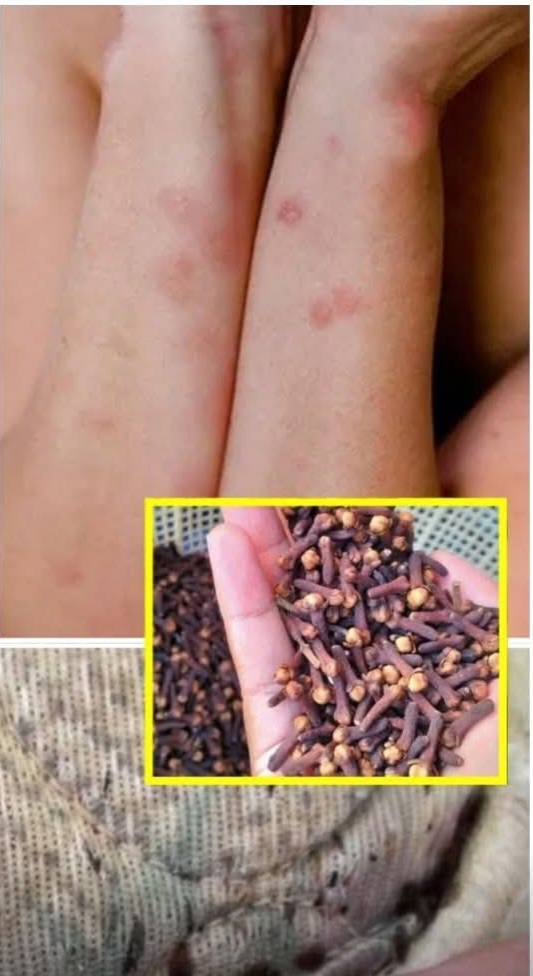
Natural Pest Control How to Use Diatomaceous Earth and Cloves Against Bed Bugs and Other Household Pests
If you are looking for a simple, natural way to deal with unwanted household pests, you may have come across the combination of diatomaceous earth and cloves. This popular home remedy is often shared as a natural pest-control method for bed bugs, ants, cockroaches, and other insects. The appeal is easy to understand: both ingredients are inexpensive, easy to find, and do not require complicated equipment. However, it is important to understand what these ingredients can—and cannot—do. Diatomaceous earth can work against certain insects by physically damaging their protective outer coating and causing them to lose moisture. Cloves contain aromatic compounds that may repel some insects, but they should not be considered a guaranteed treatment for a serious infestation. The best approach is to use natural methods as part of a broader pest-control strategy. For bed bugs in particular, simply sprinkling powder around a room is rarely enough to eliminate an established infestation. Careful cleaning, heat treatment, monitoring, mattress encasements, and professional pest control may all be necessary. In this guide, you will learn how diatomaceous earth works, how cloves may be used around the home, how to apply them more safely, common mistakes to avoid, and what to do when you are dealing with bed bugs.
What Is Diatomaceous Earth?
Diatomaceous earth, often abbreviated as DE, is a powder made from the fossilized remains of microscopic aquatic organisms called diatoms. The particles are extremely fine and contain a large amount of silica. Unlike many conventional insecticides, diatomaceous earth does not primarily work by poisoning insects. Certain forms work mechanically. When susceptible insects come into contact with the abrasive particles, the powder can interfere with the waxy outer layer that helps insects retain moisture. This can eventually lead to dehydration and death. That makes DE particularly interesting for people searching for a non-chemical pest-control option. However, not all diatomaceous earth products are appropriate for household pest control. Always read the product label and use only a product specifically labeled for the intended pest-control application.
Can Diatomaceous Earth Kill Bed Bugs?
Diatomaceous earth can affect bed bugs when they come into direct contact with an appropriate insecticidal DE product. But that does not mean it will instantly eliminate a bed bug infestation. Bed bugs are difficult pests because they hide in cracks, bed frames, furniture, baseboards, electrical areas, and other protected locations. They can also survive for extended periods without feeding. For DE to be useful, the insects generally need to cross the treated area. A thick pile of powder is not necessarily better than a very thin, properly applied layer. Excessive powder can simply be avoided by insects or become airborne during cleaning. This is why DE is best viewed as one component of an integrated pest-management strategy, rather than a miracle cure.
What About Cloves for Bed Bugs?
Cloves are commonly recommended online as a natural insect repellent because they have a strong aroma and contain compounds such as eugenol. You may see advice suggesting that placing whole cloves around a mattress, bedroom, closet, or doorway will drive bed bugs away. While the strong scent may discourage some insects in certain circumstances, there is not enough evidence to treat cloves as a reliable standalone solution for eliminating bed bugs. Cloves can be used as a fragrant household ingredient, but they should not replace proven bed bug control methods when an infestation is present.
Diatomaceous Earth and Cloves: What Does the Combination Do?
Combining DE and cloves is popular because the two ingredients are believed to provide complementary effects. Diatomaceous earth is intended to work through physical contact with insects, while cloves are primarily used for their strong scent. For general household pest prevention, this combination may seem attractive because it is inexpensive and simple. But it is important not to exaggerate what it can accomplish. Diatomaceous earth and cloves should not be presented as a guaranteed way to “eradicate” bed bugs overnight. If you have a confirmed infestation, the priority should be eliminating the insects and preventing them from spreading.
How to Use Diatomaceous Earth More Safely
If you decide to use DE for household pests, follow the product label carefully.
1. Choose the Correct Product
Do not assume that every white powder labeled “diatomaceous earth” is suitable for pest control. Avoid using industrial or pool-filter-grade products for household insect treatment. Pool-grade DE has been processed differently and should not be substituted for products labeled for pest control. Look for a product whose label specifically states that it is intended for insect control and follow its directions.
2. Apply a Very Thin Layer
When the product label permits indoor use, DE is generally more useful when applied lightly to areas where insects travel. A heavy mound of powder is unnecessary and can create more dust. Potential target areas can include cracks, crevices, gaps, and other locations specified by the product label.
3. Keep the Powder Away From the Air
One of the most important considerations is avoiding unnecessary inhalation of fine dust. Do not throw or blow DE into the air. Avoid creating clouds of powder during application. Follow all personal-protection instructions on the product label, especially concerning respiratory protection and ventilation.
4. Keep Children and Pets Away During Application
Follow the product’s instructions regarding children, pets, and treated areas. Do not apply pesticide products to animals unless the label specifically says they are approved for that use. Never assume that a substance is completely harmless simply because it is described online as “natural.”
How to Use Whole Cloves Around the Home
Whole cloves can be used as a simple aromatic addition to areas where you want a strong spice scent.
Clove Sachets
Place a small amount of whole cloves inside breathable fabric sachets and position them in closets, drawers, or other areas where their aroma is welcome.
Clove and Citrus
Another popular household approach is combining cloves with citrus peel for a fragrant natural air freshener. This may make an area smell pleasant, but it should not be confused with a proven bed bug treatment.
Ground Cloves
Ground cloves can be more difficult to clean and may become airborne. Whole cloves are generally easier to contain and remove.
How to Tell If You Actually Have Bed Bugs
Before treating your home, make sure you know what pest you are dealing with. Bed bugs are small, reddish-brown insects that feed on blood. Adult bed bugs are approximately the size of an apple seed, although their appearance changes after feeding. Possible signs include:
- Live insects around mattress seams or furniture
- Small dark fecal spots on bedding or furniture
- Shed skins
- Tiny pale eggs or eggshells
- Blood spots on sheets
- Repeated unexplained bites, although bites alone are not enough to confirm bed bugs It is important not to rely solely on skin marks. Many different insects and skin conditions can cause similar-looking bites or irritation.
Where Bed Bugs Hide
One reason bed bugs are so difficult to eliminate is their ability to hide in very small spaces. Common hiding places include:
Mattress Seams
Inspect seams, piping, folds, and labels around the mattress.
Bed Frames
Check joints, cracks, screw holes, and areas where pieces of the frame connect.
Headboards
Headboards can provide numerous protected hiding places, particularly when they are positioned close to a wall.
Sofas and Chairs
If bed bugs have spread beyond the bedroom, inspect upholstered furniture carefully.
Baseboards and Cracks
Bed bugs may hide in cracks around walls, flooring, and furniture.
A Better Natural Pest-Control Strategy
Rather than depending on one ingredient, combine several practical measures.
Wash and Dry Bedding
Wash bedding according to the fabric-care instructions and use the hottest dryer setting appropriate for the material. Heat from a properly operated dryer can be an important part of bed bug management.
Vacuum Carefully
Vacuum mattress seams, bed frames, floors, and cracks where insects may hide. Immediately empty or dispose of the vacuum contents appropriately according to your pest-control plan.
Reduce Clutter
Clutter provides additional hiding places. Reducing unnecessary items around beds and furniture can make inspection and treatment easier.
Use Mattress Encasements
Specially designed bed bug mattress and box-spring encasements can trap insects inside and prevent new insects from hiding in the mattress.
Use Interceptors
Bed bug interceptors placed beneath bed legs can help monitor activity and may reduce the insects’ ability to reach the bed.
Why Natural Remedies Sometimes Fail
Natural pest-control remedies are attractive because they sound safer and simpler than conventional pesticides. Unfortunately, simplicity does not always equal effectiveness. Bed bugs can survive in hidden locations that are difficult to reach. If only the visible bedroom area is treated, insects may remain inside walls, furniture, or nearby rooms. Another common problem is that eggs may survive a treatment that kills active insects. If newly hatched bugs are not addressed, the infestation can continue. This is why successful pest management often requires repeated inspection and treatment.
Common Mistakes When Using Diatomaceous Earth
Using Too Much Powder
A thick layer is not automatically more effective. Excessive dust can create unnecessary exposure and make cleaning difficult.
Applying It Everywhere
Covering floors, mattresses, furniture, and rooms with powder is not a good substitute for targeted treatment. Follow the product label carefully.
Using the Wrong Type
Never assume pool-grade or industrial DE is interchangeable with a pesticide-labeled product.
Breathing the Dust
Fine particles should not be intentionally inhaled. Apply carefully and follow label precautions.
Expecting Immediate Results
DE does not work like a fast-acting spray. Insects must contact the treated material, and the process can take time.
Are Cloves Safe to Use Around the Home?
Whole cloves used as a household spice are generally familiar and easy to handle, but concentrated clove oil is a different matter. Essential oils are highly concentrated substances and should not automatically be assumed to be safe around children or pets. Some essential oils can be irritating or toxic to animals, particularly when improperly applied. If you use cloves as part of a household pest-prevention routine, whole cloves in contained sachets are a much simpler approach than experimenting with concentrated oils.
Can You Put Diatomaceous Earth Directly on Your Mattress?
This is an important question because many online pest-control posts recommend spreading DE directly across mattresses. Do not automatically do this. Whether a product can be used on mattresses, upholstered furniture, or sleeping areas depends on the specific product label. If the label does not specifically permit the intended application, do not use it that way. For bed bug infestations, properly fitted mattress encasements can provide a cleaner and more controlled approach to managing the mattress itself.
Natural Pest Control for Ants and Other Insects
Diatomaceous earth may have applications beyond bed bugs, depending on the product and target pest. It can be useful around certain cracks, crevices, and insect pathways when applied according to label instructions. Cloves and other strongly scented household ingredients are sometimes used as repellents for ants and other insects, but results can vary considerably. For persistent infestations, identifying the pest is the first step. The best treatment for ants is not necessarily the best treatment for cockroaches, bed bugs, fleas, or pantry pests.
Frequently Asked Questions
Does diatomaceous earth kill bed bugs naturally?
Certain properly labeled diatomaceous earth insecticide products can kill bed bugs through physical action when the insects contact the treated material. It should be used according to the product label and as part of a broader control strategy.
Do cloves permanently get rid of bed bugs?
There is no good reason to rely on cloves alone to eliminate a bed bug infestation. Their strong aroma may repel some insects, but they are not a dependable eradication method.
Can I mix cloves with diatomaceous earth?
Although this combination is widely discussed online, mixing ingredients can change how they are applied and may create unnecessary dust. It is generally better to use pest-control products exactly as directed on their labels rather than creating homemade pesticide mixtures.
How long does diatomaceous earth take to work?
The timing depends on the insect, environmental conditions, exposure, and product. DE is not normally an instant-kill treatment because insects must contact it and lose moisture over time.
Is food-grade diatomaceous earth automatically safe for pest control?
No. “Food grade” and “pesticide labeled for insect control” are not interchangeable terms. Always use a product according to its label and intended purpose.
Can I use this remedy instead of professional pest control?
For a small, isolated pest problem, household measures may sometimes help. Established bed bug infestations can be extremely difficult to eliminate without a comprehensive treatment plan. If the problem persists or spreads, professional pest management may be the most effective option.
Final Thoughts
The combination of diatomaceous earth and cloves is a popular natural pest-control idea, but it is important to separate realistic expectations from viral claims. Diatomaceous earth can be useful against certain insects when an appropriate, properly labeled product is applied correctly. Cloves provide a strong natural aroma and may have some repellent value, but they should not be treated as a guaranteed bed bug killer. If you suspect bed bugs, start by confirming the pest, inspecting hiding places carefully, washing and drying bedding, vacuuming, reducing clutter, and using appropriate monitoring and containment methods. For persistent infestations, consider professional treatment. Natural pest control works best when it is based on correct identification, careful application, prevention, and realistic expectations. A simple home remedy can be part of your strategy, but no single ingredient should be expected to solve every pest problem overnight.