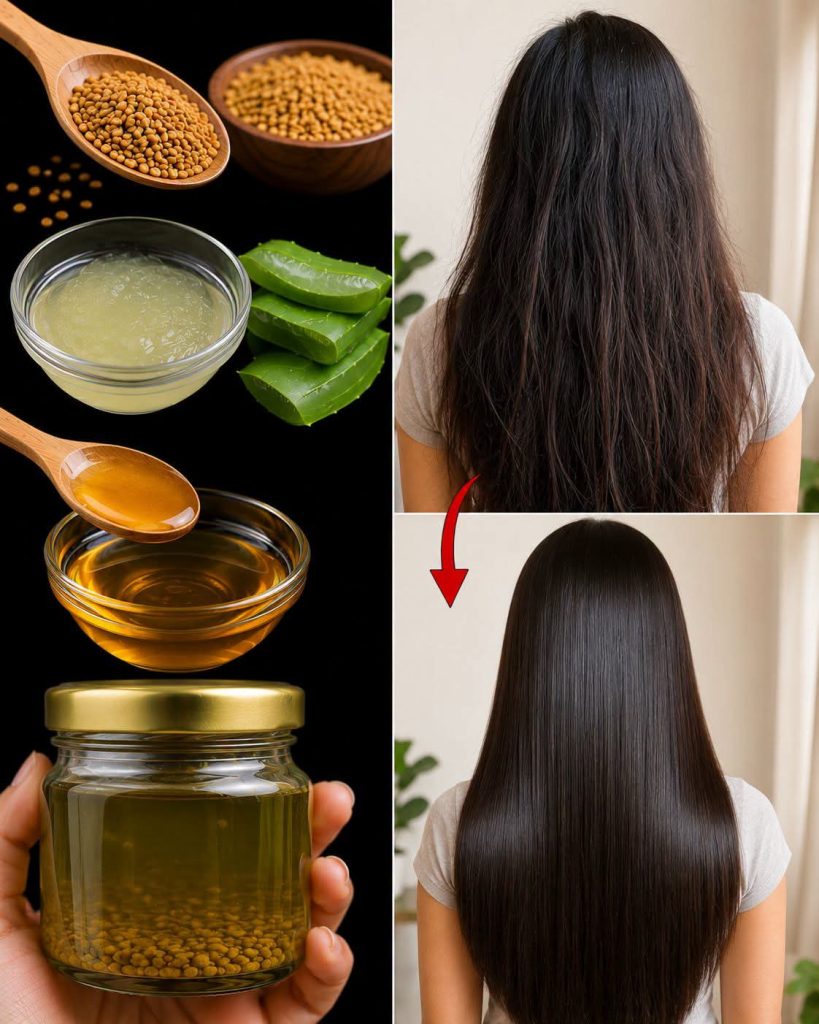
The Science of Natural Hair Oils What Ingredients Can and Cannot Do
Achieving soft, manageable, and glossy hair is a top priority for many looking for safe, home-based hair care solutions. While social media trends often showcase homemade botanical oil infusions—such as fenugreek seeds, aloe vera, and carrier oils—promising to transform frizzy or wavy hair into pin-straight, ultra-glossy strands, understanding the actual biology of hair structure is essential for setting realistic expectations and creating effective routines.
How Botanical Ingredients Support Hair Health
Natural oil infusions and serums provide genuine conditioning benefits when integrated properly into a weekly routine.
Fenugreek Seeds (Methi)
Fenugreek seeds contain high levels of lecithin, amino acids, and mucilage compounds. When infused into oils or prepared as a rinse, fenugreek helps smooth the outer cuticle, reducing friction during brushing and minimizing mechanical breakage.
Aloe Vera Gel
Aloe vera acts as a natural humectant, drawing atmospheric moisture into the hair shaft. It also contains enzymes and vitamins (A, C, and E) that calm scalp inflammation and help soothe dryness without leaving a heavy, greasy residue.
Carrier Oils (e.g., Castor, Argan, or Coconut Oil)
Plant-based oils form a protective lipid layer over the hair cuticle. This barrier seals in moisture, smooths down flyaways, prevents environmental humidity from causing frizz, and imparts a natural shine.
The Reality of Hair Structure and Transformation Claims
While natural remedies are excellent for hydration and shine, there are strict biological limitations to what topical home remedies can achieve.
Why Oils Cannot Permanently Straighten Hair
Hair texture (whether straight, wavy, or curly) is determined by the shape of the hair follicle and the distribution of internal disulfide bonds deep within the cortex. No topical oil, seed, or plant extract can break or alter these chemical bonds. Re-shaping hair texture requires either thermal heat styling (flat irons) or professional chemical treatments (such as relaxers or keratin treatments).
Unrealistic “Before and After” Visuals
Graphics showing dramatic shifts from frizzy, textured hair to pin-straight, mirror-like strands after a single application are typically produced using heat tools or photo editing. Promoting such extreme claims as an effortless, heat-free natural result misleads readers regarding product capabilities and violates ad network compliance policies.
Evidence-Based Tips for Smooth, Healthy Hair
Rather than relying on quick fixes, consistent, gentle hair care practices yield the best long-term texture and shine.
- Use Heat Protection: Always apply a dedicated thermal protectant spray before using flat irons or blow dryers to prevent structural damage.
- Seal Moisture Post-Wash: Apply a few drops of lightweight oil or serum to damp ends after washing to lock in water and prevent split ends.
- Minimize Mechanical Friction: Swap cotton pillowcases for silk or satin to reduce friction and night-time frizz.
- Maintain Scalp Health: Wash regularly with a balanced shampoo to keep oil infusions from clogging scalp follicles.
Focusing on genuine hydration, cuticle protection, and realistic styling techniques keeps your hair healthy and ensures your content remains informative, safe, and aligned with digital publishing guidelines.