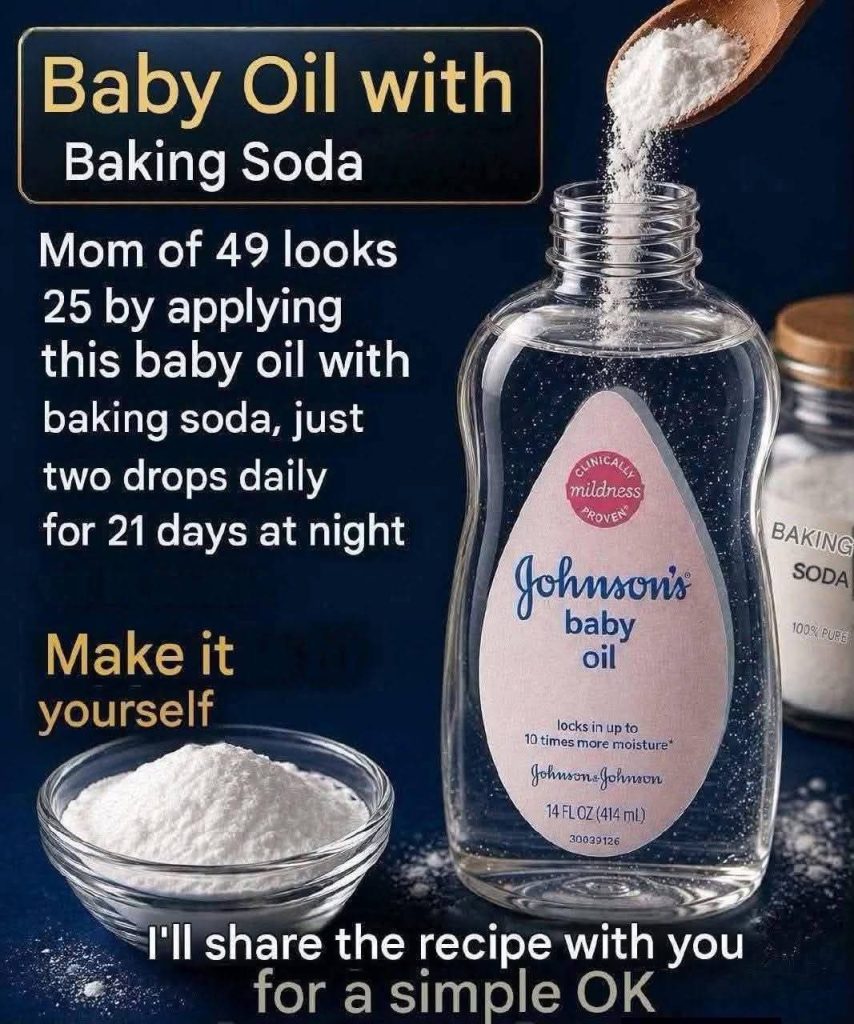
Baby Oil and Baking Soda for Skin Benefits, How to Use and Essential Safety Tips
Achieving smooth, glowing skin is a top priority for many beauty enthusiasts, but expensive serums and multi-step skincare routines aren’t always accessible. Recently, viral home remedies combining simple household staples have taken social media by storm. One popular trend involves mixing baby oil with baking soda to create an affordable DIY treatment aimed at exfoliating, moisturizing, and improving overall skin texture.
While everyday ingredients can be surprisingly versatile, applying active household items like baking soda directly to the skin requires careful consideration. In this comprehensive guide, we will explore the science behind baby oil and baking soda, how to prepare and apply this mixture safely, potential benefits, crucial precautions, and alternative natural options to help you achieve your skincare goals without compromising your skin barrier.
Understanding the Ingredients: Baby Oil and Baking Soda
Before applying any DIY mixture to your face or body, it is essential to understand how individual ingredients interact with your skin structure.
What Is Baby Oil?
Baby oil is typically formulated from pure mineral oil combined with a mild fragrance. Mineral oil is an occlusive agent, meaning it sits on top of the skin to trap existing moisture and prevent transepidermal water loss.
- Moisture Barrier Protection: By forming a hydrophobic shield, baby oil prevents water from evaporating from the skin’s surface.
- Skin Softening: It acts as an emollient, smoothing out rough or flaky patches on the body.
- Non-Comedogenic Properties: High-grade, cosmetics-standard mineral oil has refined molecules that are generally considered non-comedogenic, though thick layer application can trap existing dirt or sebum if the skin isn’t properly cleansed first.
What Is Baking Soda?
Baking soda, or sodium bicarbonate, is a finely crystalline compound commonly used as a leavening agent in baking and an abrasive cleaner around the house. In beauty hacks, it is often touted for its deep-cleansing and exfoliating capabilities.
- Physical Exfoliation: The micro-fine granules work as a physical scrub to manually slough off dead skin cells.
- Alkaline pH: Baking soda has a high pH level (around 8 to 9). Healthy human skin thrives at a slightly acidic natural pH level (between 4.5 and 5.5).
- Oil Absorption: Due to its alkaline nature, baking soda temporarily strips away excess oils.
Potential Benefits of the Baby Oil and Baking Soda Mixture
When baby oil and baking soda are blended together, they create a scrub-like paste where the oil acts as a lubricating base for the abrasive baking soda particles. Here is how this combination can impact skin texture when used correctly on targeted body areas.
Effective Exfoliation of Dead Skin Cells
Dead skin cells can build up on the surface, causing the complexion to look dull, dry, or uneven. The fine texture of sodium bicarbonate acts as a manual polish, loosening superficial dead skin while the oil glides smoothly across the surface to minimize harsh friction.
Deep Softening for Rough Body Areas
Thick, stubborn areas of dry skin—such as elbows, knees, heels, and knuckles—often require more intense care than delicate facial skin. The combination of abrasive exfoliation and occlusive mineral oil helps soften calloused patches, leaving the skin feeling smoother immediately after rinsing.
Enhanced Skin Radiance
Removing the top layer of dead skin cells allows light to reflect off the skin more evenly, resulting in a temporary natural glow. Combined with the light-reflecting surface sheen left behind by mineral oil, your skin can look visibly smoother and brighter.
How to Prepare and Use Baby Oil with Baking Soda
If you choose to experiment with this DIY remedy, following a proper preparation and application method is essential to avoid over-irritating your skin barrier.
Ingredients and Supplies
- 1 tablespoon of pure mineral baby oil
- 1/2 teaspoon of pure baking soda
- A clean mixing bowl and spoon
- A mild, pH-balanced cleanser
- A soft towel
Step-by-Step Preparation and Application Guide
Step 1: Perform a Patch Test
Before applying the remedy to a large area, always perform a patch test. Apply a tiny amount of the mixture to your inner forearm or behind your ear. Wait 24 to 48 hours to check for redness, itching, burning, or breakouts. If any reaction occurs, rinse immediately and discontinue use.
Step 2: Mix the Ingredients
In a small clean bowl, combine the baby oil and baking soda. Stir thoroughly until the powder is fully incorporated into the oil, forming a smooth, slightly grainy paste.
Step 3: Cleanse the Area
Wash the area you plan to treat with a gentle body wash or facial cleanser and lukewarm water. Removing surface dirt and makeup ensures the mixture works directly on clean skin.
Step 4: Gentle Application
Take a small amount of the paste on your fingertips and apply it to the target area using light, circular motions. Avoid rubbing forcefully, as aggressive scrubbing with baking soda can cause micro-tears in the skin. Limit massage time to 30–60 seconds.
Step 5: Rinse Thoroughly
Rinse the mixture off thoroughly using lukewarm water. You may need a gentle washcloth or mild cleanser to fully lift the residual oil layer. Pat the area dry gently with a clean towel.
Step 6: Replenish and Protect
Follow up with a soothing, fragrance-free moisturizer or hydrating serum to rebuild the skin’s moisture barrier.
Crucial Safety Precautions and Potential Side Effects
While DIY beauty remedies are accessible, safety should always be the top priority. Because baking soda alters the skin’s natural acid mantle, using this mixture incorrectly can lead to unintended complications.
Disruption of the Skin’s Acid Mantle
Healthy skin maintains a naturally acidic pH to protect against harmful bacteria, environmental stressors, and moisture loss. Baking soda’s high alkalinity can disrupt this barrier, leading to:
- Severe Dryness: Stripping natural lipids can leave skin feeling tight and parched.
- Increased Sensitivity: A compromised barrier makes skin more prone to redness, stinging, and allergic reactions.
- Bacterial Imbalance: Disrupting the acid mantle can allow acne-causing bacteria to thrive over time.
Avoid Using on Sensitive or Facial Skin
The facial skin is significantly thinner and more delicate than the skin on the rest of the body. Using baking soda on the face—especially for individuals with rosacea, active acne, or eczema—can trigger severe inflammation and hyperpigmentation. It is best reserved strictly for tough body areas like heels or elbows.
Risk of Micro-Tears
Physical scrubs with irregular granule shapes can cause invisible micro-tears on the skin surface. Always apply minimal pressure during application.
Safer DIY and Skincare Alternatives
If you are looking for gentle, scientifically supported methods to achieve smooth, radiant skin, consider these alternatives:
Lactic Acid or Glycolic Acid (AHAs)
Chemical exfoliants like lactic acid and glycolic acid dissolve the bonds holding dead skin cells together without physical friction. They maintain the skin’s ideal pH while promoting cell turnover gently and evenly.
Gentle Sugar or Coffee Scrubs
For body exfoliation, finer and softer granules like brown sugar or finely ground coffee mixed with natural jojoba or almond oil are far less abrasive than baking soda.
Hyaluronic Acid and Ceramide Creams
To lock in moisture without heavy occlusives, combine a hydrating hyaluronic acid serum with a ceramide-rich barrier repair cream.
Final Thoughts
The DIY combination of baby oil and baking soda can serve as an affordable, short-term spot treatment for smoothing rough, calloused body areas like knees, elbows, and feet. However, due to the high alkalinity of baking soda, it should be approached with caution and kept away from sensitive facial skin. By prioritizing gentle exfoliation, respecting your skin’s natural pH, and prioritizing patch testing, you can safely explore homemade remedies while keeping your skin healthy, protected, and glowing.