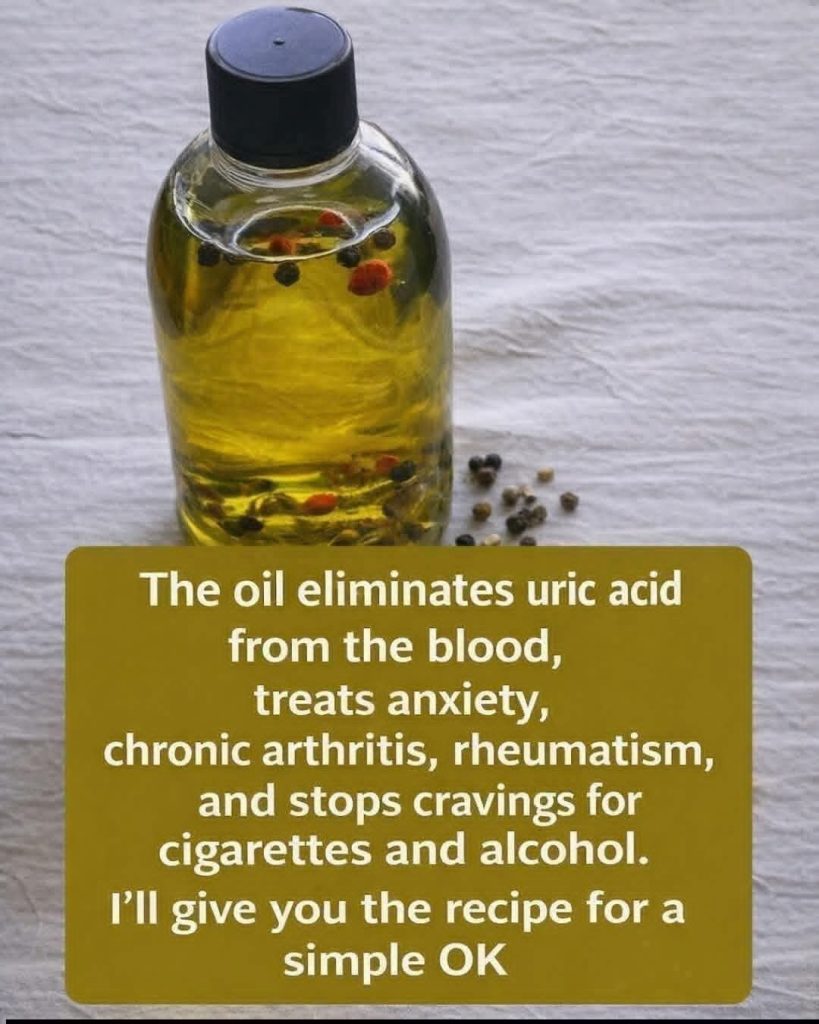
Black Peppercorn Infused Olive Oil Recipe Uses and Traditional Wellness Guide
Infused herbal and spice oils have been a cornerstone of traditional wellness practices and culinary arts across cultures for centuries. Among these ancient infusions, black peppercorn and spice-infused olive oil stands out for its warming qualities, rich aromatic profile, and versatile applications. Combining the heart-healthy antioxidant base of extra virgin olive oil with the fiery, soothing essence of whole peppercorns and botanicals creates a multifunctional cabinet staple.
While viral claims online often frame herbal oils as silver-bullet cures for complex health conditions, approaching natural remedies with grounded understanding allows us to appreciate their true value. A warm spice-infused oil offers genuine comfort when used for soothing topical massage on tired joints, rich culinary depth in your favorite dishes, and a comforting element in daily self-care routines.
In this comprehensive guide, you will learn how to safely make your own black peppercorn infused olive oil at home, explore the evidence-based properties of its active ingredients, discover best practices for storage and safety, and find practical ways to incorporate it into your daily wellness and cooking habits.
Understanding Spice-Infused Oils and Their Properties
To understand why peppercorn-infused oil is so highly regarded in traditional folk medicine, it helps to examine the core components that make up this potent mixture.
The Power of Black Peppercorns and Piperine
Black pepper (Piper nigrum) is often referred to as the king of spices, not just for its signature bite, but for its rich concentration of bioactive compounds. The primary active constituent in black pepper is piperine, an alkaloid responsible for its pungency and warming sensation.
When applied topically in a carrier oil, piperine acts as a mild rubefacient—a substance that dilates capillaries and stimulates local blood circulation. This localized warmth is why peppercorn infusions are traditionally rubbed onto sore muscles, stiff knees, and tired joints to encourage comfort and relaxation. Furthermore, piperine is well-studied for its antioxidant capacity, helping to combat free radical activity.
Extra Virgin Olive Oil as a Carrier
Extra virgin olive oil serves as far more than a simple vehicle for the pepper essence. Packed with monounsaturated fatty acids (specifically oleic acid) and natural polyphenols, high-quality olive oil provides deep hydration to the skin while protecting the delicate aromatic compounds of infused spices from rapid oxidation.
Its skin-identical lipid structure allows it to absorb steadily into the epidermis, making it an exceptional base for massage remedies without leaving an overly sticky or heavy residue.
Separating Traditional Wisdom from Health Claims
Social media posts often attribute miracle properties to natural oils, claiming they can instantly purge uric acid, erase chronic arthritis, or immediately eliminate addictive cravings. While black pepper and botanical oils offer excellent antioxidant support, localized warmth, and soothing aromatic properties, it is important to view them as complementary comfort tools rather than substitutes for evidence-based medical treatment.
Infused oils work beautifully alongside healthy lifestyle habits, balanced nutrition, proper hydration, and medical care to promote overall bodily comfort and relaxation.
Essential Ingredients and Equipment
Creating a high-quality infused oil requires minimal ingredients, but selecting the right quality ensures maximum flavor, potency, and safety.
1. Whole Black and Mixed Peppercorns
Always opt for whole, unground peppercorns rather than pre-ground pepper. Whole peppercorns retain their essential oils, terpene profile, and piperine potency inside their hard outer shells until cracked. A mixture of black, red, and white peppercorns adds visual elegance alongside a nuanced spice profile.
2. High-Quality Extra Virgin Olive Oil
Choose fresh, cold-pressed extra virgin olive oil. Look for oils sold in dark glass bottles with a clear harvest date. A fresh olive oil contains higher levels of natural polyphenols and vitamin E, which naturally extend the shelf life of your finished infusion.
3. Optional Complementary Botanicals
To enrich the aromatic and soothing qualities of your oil, you can add complementary dry spices and herbs:
- Whole Allspice or Cloves: Adds eugenol, a compound known for its warm, comforting aroma and mild soothing qualities.
- Dried Juniper Berries or Rosehips: Adds subtle tartness and natural plant compounds.
- Dried Chili Flakes: Enhances the warming, circulating effect of the oil for intense topical muscle rubs.
Note: Always ensure any added botanical ingredients are completely dried. Introducing fresh herbs with high moisture content into an oil environment increases the risk of bacterial contamination.
4. Glass Jar and Storage Bottles
A clean, completely dry glass Mason jar is ideal for the infusion process. For final storage, a dark amber or cobalt glass bottle with a tight seal protects the delicate oil from light degradation.
Step-by-Step Instructions: How to Make Infused Spice Oil
There are two primary methods for making spice-infused olive oil at home: the low-heat method (quick and reliable) and the solar cold-infusion method (traditional and gentle). Below are step-by-step guidelines for both techniques.
Method 1: The Gentle Warm-Heat Method (Recommended)
This method uses low, controlled warmth to safely draw out essential oils and bioactive compounds without burning the olive oil or destroying its natural antioxidants.
Step 1: Prepare the Spices
Take 3 to 4 tablespoons of whole peppercorns (and optional dried spices). Place them on a cutting board and lightly crush them using a heavy pan or the flat side of a chef’s knife. You want to crack the outer hulls open, not pulverize them into fine powder. Cracking releases the volatile aromatic oils into the infusion.
Step 2: Combine Oil and Spices
Place the cracked peppercorns into a double boiler or a small heat-safe glass bowl set over a pot of barely simmering water. Pour 1.5 to 2 cups of extra virgin olive oil over the spices, ensuring they are completely submerged.
Step 3: Gentle Heating
Maintain a very low heat setting. The oil should reach a warm temperature between 110°F and 130°F (43°C to 54°C). Never allow the oil to bubble, boil, or smoke, as high heat damages the delicate fatty acids in olive oil and turns the spices bitter. Allow the mixture to warm gently for 1 to 2 hours, stirring occasionally.
Step 4: Cool and Strain
Remove the oil from the heat source and let it cool naturally to room temperature. Set a fine-mesh strainer lined with unbleached cheesecloth over a clean glass bowl. Pour the oil through to remove all solid pepper fragments.
Step 5: Bottle and Label
Funnel the clear, infused golden oil into a clean, dry dark glass bottle. Cap tightly, label with the date, and store in a cool, dark cabinet.
Method 2: The Traditional Cold Infusion Method
If you prefer a heat-free, hands-off approach, the cold infusion process relies on time to extract the aromatic spice profile.
Step 1: Prep and Pack
Lightly crack 4 tablespoons of whole peppercorns. Transfer them into a clean, dry glass Mason jar.
Step 2: Cover with Oil
Pour 2 cups of fresh extra virgin olive oil over the spices, leaving about an inch of headspace at the top of the jar.
Step 3: Steep in a Warm Dark Place
Seal the jar tightly and place it in a warm, dark cupboard for 2 to 4 weeks. Shake the jar gently every couple of days to encourage natural extraction.
Step 4: Strain and Store
After 4 weeks, strain out all whole spices through cheesecloth and transfer the pure infused oil into a dark storage bottle.
Practical Uses for Black Peppercorn Infused Oil
Once your infused oil is ready, its dual-purpose nature shines in both holistic body care and culinary creations.
Topical Muscle and Joint Massage
The warming sensation of piperine makes this oil a fantastic natural massage lotion for tired muscles, aching joints, and cold hands or feet.
How to Apply for Joint Comfort
- Warm a teaspoon of infused oil between your palms by rubbing them together vigorously.
- Gently massage the warm oil into stiff joints (such as knees, wrists, or shoulders) using slow, circular motions for 5 to 10 minutes.
- The combination of manual massage pressure and the mild warming properties of black pepper helps stimulate local blood flow, ease tension, and promote flexible movement.
- For enhanced relaxation, apply a warm cloth over the massaged area for a few minutes after application.
Soothing Aromatherapy and Stress Relief
Taking time for self-massage with warm, spiced oil can serve as a grounding ritual to unwind after a stressful day. The earthy, spicy aroma of black pepper and olive oil provides a stabilizing sense of comfort, promoting mindfulness and mental relaxation.
Culinary Applications
When made with strict food-grade cleanliness and pure dry spices, this oil brings an extraordinary finishing touch to savory dishes.
- Finishing Drizzle: Drizzle a tiny splash over roasted root vegetables, grilled mushrooms, or hearty grain bowls just before serving.
- Artisanal Bread Dip: Pour into a shallow dish, sprinkle with coarse sea salt and dried oregano, and serve with fresh warm sourdough bread.
- Marinade Base: Use as a warm, aromatic base for marinating steaks, poultry, or roasted tofu.
Crucial Safety, Storage, and Best Practices
Working with oil infusions requires attention to basic hygiene to maintain freshness and safety over time.
Preventing Moisture and Mold Growth
Water is the primary enemy of infused oils. When moisture is trapped in an anaerobic (oxygen-free) oil environment at room temperature, it creates conditions where harmful micro-organisms can grow.
- Use Dry Spices Only: Never infuse fresh, wet garlic, fresh herbs, or un-dried chilies into room-temperature oil without strict refrigeration and prompt consumption within a few days.
- Ensure Bone-Dry Utensils: Ensure all jars, funnels, strainers, and spoons are 100% dry before coming into contact with the oil.
Skin Patch Testing
Before applying pepper-infused oil across large areas of your body, perform a simple patch test. Apply 2 drops of the oil to the inside of your forearm and wait 24 hours. If any redness, itching, or irritation occurs, discontinue topical use or dilute the oil further with plain olive oil. Avoid applying spicy oils to open cuts, sensitive skin, or near your face and eyes.
Ideal Storage Conditions
Light, heat, and oxygen degrade oil quality over time.
- Store your infused oil in dark amber or green glass bottles to block light rays.
- Keep the bottle in a cool, dark pantry or cupboard away from the stove.
- Well-stored spice-infused oil remains fresh for 3 to 6 months. If the oil develops a sharp, sour, or metallic smell, it has oxidised and should be discarded.
Frequently Asked Questions (FAQ)
Can I leave the peppercorns inside the bottle permanently?
It is best to strain the solid peppercorns out after the initial infusion period (2 to 4 weeks). Leaving crushed spices in the oil indefinitely can cause the flavor to turn overly harsh and increases sediment buildup at the bottom of the bottle.
Is black pepper oil safe for sensitive skin?
Black pepper contains active compounds that generate warmth. On delicate or sensitive skin, it can occasionally cause mild redness. If you have sensitive skin, dilute your finished infused oil with equal parts of plain extra virgin olive oil or jojoba oil before topical application.
Why does my olive oil look cloudy when kept cool?
High-quality extra virgin olive oil naturally solidifies and becomes cloudy when exposed to cool temperatures or refrigeration. This is completely normal and indicates pure, unrefined fatty acids. Simply let the bottle sit at room temperature for 15 minutes, and it will return to a liquid, clear state.
Can this oil replace medical treatment for joint conditions?
No. Spice-infused oils are complementary holistic self-care products designed to provide comfort, warmth, and localized relaxation through massage. They should be used to support your well-being alongside advice and care from qualified healthcare professionals.
Conclusion
Making your own black peppercorn infused olive oil is an empowering, easy home project that bridges traditional herbal wisdom with everyday practical utility. By harnessing the natural warming energy of piperine and the nourishing richness of extra virgin olive oil, you create a versatile remedy that offers soothing warmth for tired joints and an elevated touch for your favorite culinary dishes.
With just a handful of quality ingredients, clean glass storage, and a gentle heating process, you can enjoy a bottle of handcrafted, aromatic wellness oil whenever your body needs a bit of warm, restorative comfort. Give this simple recipe a try today, and bring a classic traditional staple into your modern home routine!