Fermented Garlic Honey The Ultimate Recipe and Natural Remedy Guide
Combining raw garlic and natural honey might sound like an unusual pairing at first glance, but fermented garlic honey is one of the most powerful, delicious, and versatile traditional remedies you can create in your kitchen. When raw garlic cloves submerge in unpasteurized honey, a fascinating biological process takes place. The juices from the garlic release into the honey, lowering its density and triggering a natural lacto-fermentation process. Over time, the aggressive sharpness of raw garlic mellows into a sweet, savory, umami-rich syrup, while the raw honey absorbs all the potent compounds of the garlic.
This easy, two-ingredient recipe requires no specialized equipment—just a clean glass jar, fresh garlic, raw honey, and a little bit of patience. Whether you want to boost your winter wellness routine, elevate your cooking with a gourmet glaze, or simply preserve fresh garlic cloves from your harvest, fermented garlic honey is an essential staple every home cook and herbal enthusiast should have in their pantry.
What Is Fermented Garlic Honey?
Fermented garlic honey is a traditional natural mixture formed by steeping fresh garlic cloves in raw, unfiltered honey for several weeks. Unlike cooked preserves or acid-based pickles, this preserve relies on wild fermentation. Raw honey naturally contains beneficial wild yeasts and bacteria, but its extremely low moisture content keeps them dormant. When fresh garlic cloves are introduced, their natural water content diffuses into the honey. This slight increase in moisture hydrates the wild yeasts, kicking off a gentle fermentation process.
As the mixture ferments, you will notice bubbles forming on the surface, and the thick honey will transform into a thin, pourable syrup. The garlic cloves will gradually darken, soften, and absorb the sweetness of the honey, losing their raw bite and developing a complex, mellow flavor profile reminiscent of caramelized garlic and sweet syrup.
The Chemistry of Garlic and Honey Fermentation
Garlic is packed with a precursor compound called alliin and an enzyme called alliinase. When you crush or bruise garlic cloves, these two components react to form allicin, the potent organosulfur compound responsible for garlic’s distinct aroma and renowned health properties. Meanwhile, raw honey is packed with living enzymes, antioxidants, and trace nutrients. Combining the two creates an environment where beneficial compounds interact and preserve one another naturally without the need for high heat or artificial additives.
Health Benefits of Fermented Garlic Honey
For centuries, folk medicine practitioners across various cultures have relied on garlic and honey to support immunity and overall vitality. Modern research supports many of these traditional uses, highlighting how raw garlic and honey work synergistically.
Supports Immune System Function
Both raw garlic and raw honey possess natural antimicrobial, antibacterial, and antiviral properties. Taking a spoonful of garlic-infused honey or eating a fermented clove at the first sign of a tickle in your throat can help soothe symptoms and support your body’s natural immune response during cold and flu season.
Soothes Sore Throats and Coughs
Raw honey is a natural demulcent, meaning it coats and coats irritated mucous membranes to calm coughs and throat discomfort. Combining the soothing texture of honey with the natural antibacterial compounds of garlic provides effective, comforting relief.
Promotes Cardiovascular Health
Garlic is widely recognized for supporting healthy circulation and blood pressure levels. Regular consumption of garlic compounds helps promote healthy blood vessel function, while the antioxidants present in raw honey help protect against oxidative stress.
Enhances Digestion
Because this recipe involves natural fermentation, it introduces beneficial enzymes and probiotic activity into your digestive tract. The prebiotics in garlic also serve as fuel for your beneficial gut microbiota, encouraging a balanced digestive system.
Essential Ingredients and Equipment
Because this recipe uses only two ingredients, the quality of your inputs directly determines the flavor, safety, and health benefits of your final product.
1. Fresh, Firm Garlic
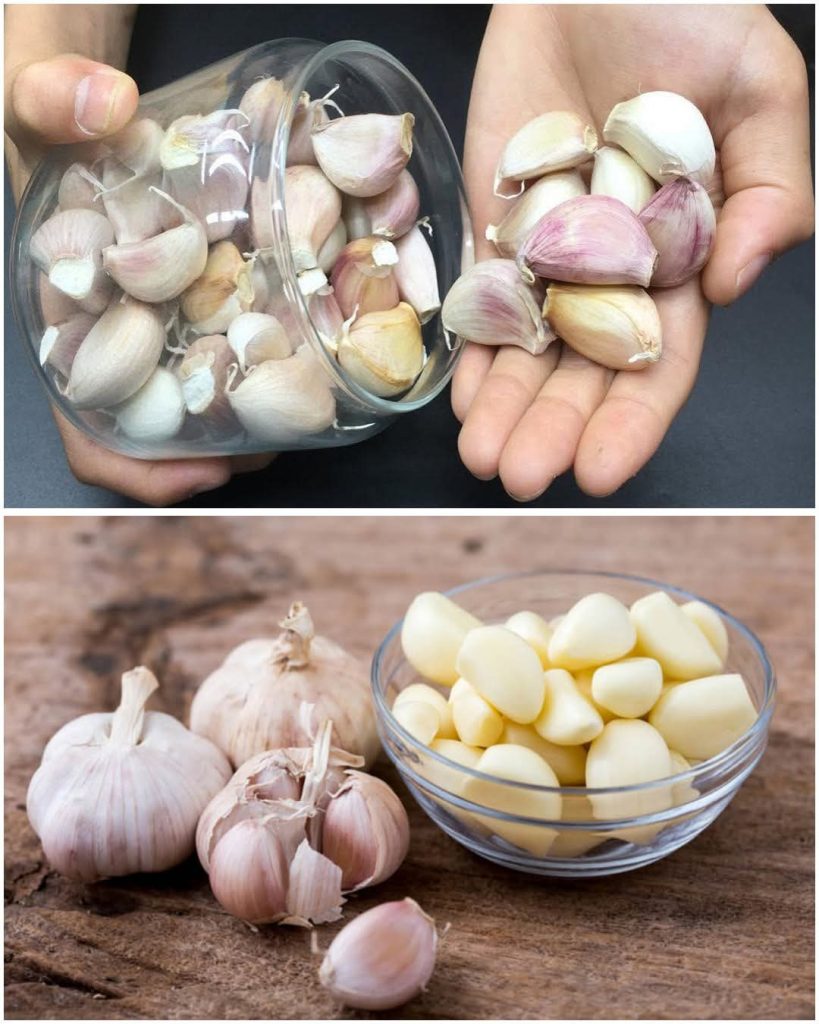
Select whole heads of fresh, firm garlic with tight, dry skins. Avoid peeled, pre-packaged garlic or garlic paste bought in jars, as these are often treated with preservatives, radiation, or citric acid that can inhibit natural fermentation. Organic purple or hardneck garlic varieties offer rich, robust flavor, but standard softneck white garlic works wonderfully as well.
2. Pure Raw, Unfiltered Honey
It is critical to use raw, unpasteurized honey for this recipe. Commercial pasteurized honey has been heat-treated, which destroys the beneficial enzymes and wild yeasts necessary for fermentation to occur. Look for raw honey from a local beekeeper or trusted market. Pure raw honey will often look slightly opaque or cloudy at room temperature.
3. Glass Mason Jar with Lid
A clean, dry glass jar with an airtight lid (such as a standard Mason jar or clamp-top jar) is ideal. Make sure your glass jar is thoroughly washed and completely dried before starting, as introducing excess tap water can spoil the mixture.
Step-by-Step Fermented Garlic Honey Recipe
Making fermented garlic honey requires minimal active prep time. Follow these step-by-step instructions for guaranteed success.
Step 1: Peel and Prepare the Garlic
Break apart your heads of garlic into individual cloves. Peel the skin off each clove, taking care to remove any damaged or brown spots. Gently crush each clove with the flat side of a chef’s knife or poke each clove with a fork. Crushing breaks the cell walls, triggering the release of allicin and allowing the honey to penetrate the cloves efficiently.
Step 2: Fill the Jar
Place the prepared garlic cloves into your clean glass jar. Fill the jar about halfway to two-thirds full with garlic cloves, leaving plenty of headroom at the top for the honey and expanding fermentation gases.
Step 3: Pour the Raw Honey
Pour raw honey over the garlic cloves, ensuring that every single clove is completely submerged. Leave at least an inch of air space at the top of the jar, as the mixture will expand and bubble during active fermentation. Use a clean wooden spoon or chopstick to gently stir the mixture and release any trapped air bubbles.
Step 4: Seal and Store
Secure the lid tightly on the jar and store it in a dark place at room temperature (around 65°F to 75°F / 18°C to 24°C), such as a kitchen pantry or cupboard. Keep it away from direct sunlight and heat sources.
Step 5: Daily Maintenance (Burping and Flipping)
During the first two weeks of fermentation, carbon dioxide gas will build up inside the jar.
- Burp the Jar: Once a day, loosen the lid briefly to release trapped gas, then tighten it back up.
- Flip the Jar: Garlic cloves tend to float to the top initially. Once a day, turn the sealed jar upside down for a few minutes so all the cloves remain continuously coated in honey. This prevents mold growth on exposed garlic surfaces.
Step 6: Age and Enjoy
After 14 to 21 days, the active bubbling will slow down, the honey will thin to a syrup consistency, and the garlic cloves will sink toward the bottom. While you can taste your fermented garlic honey after two weeks, the flavor improves dramatically after 1 to 2 months of aging.
Understanding Fermentation Safety and Botulism
Safety is an essential consideration for any low-acid home preserve. Clostridium botulinum spores can potentially thrive in anaerobic (oxygen-free) environments with low acidity and high moisture. Because raw honey naturally has low water activity and high sugar concentration, it resists bacterial growth. However, adding garlic releases moisture, which alters the environment.
Managing Acidity Levels
Botulinum bacteria cannot produce toxins in acidic environments with a pH below 4.6. Honey typically has a naturally acidic pH between 3.9 and 4.5, making it inherently safe. However, to ensure absolute safety when fermenting garlic in honey:
- Test the pH: Use cheap digital pH strips or paper test strips to measure your fermented honey syrup after a week or two of fermentation.
- Add Apple Cider Vinegar if Needed: If your mixture tests near or above a pH of 4.6, simply stir in a tablespoon of organic, raw apple cider vinegar or splash of fresh lemon juice to safely lower the pH below 4.6.
- Never Feed to Infants: As with all raw honey products, never give fermented garlic honey to infants under 12 months of age due to the risk of infant botulism.
How to Use Fermented Garlic Honey
Once your fermented garlic honey reaches maturity, both the liquid syrup and the candied garlic cloves can be used in dozens of creative ways in your daily routine.
Culinary Uses
- Meat Glazes: Brush the thin honey syrup over grilled chicken, roasted pork tenderloin, salmon fillets, or ribs during the last few minutes of cooking for a sweet, caramelized savory crust.
- Salad Dressings: Whisk a tablespoon of garlic honey syrup with extra virgin olive oil, Dijon mustard, and apple cider vinegar for an incredible vinaigrette.
- Cheese Boards: Serve a small bowl of fermented garlic honey alongside aged cheddar, gouda, goat cheese, or creamy brie on a charcuterie platter.
- Roasted Vegetables: Drizzle over roasted carrots, Brussels sprouts, squash, or sweet potatoes just before serving.
- Pizza Drizzle: Drizzle over homemade pizza crusts, especially spicy pepperoni or white pizzas, for an extraordinary sweet-and-savory contrast.
Medicinal and Wellness Uses
- Daily Spoonful: Eat one candied garlic clove along with a teaspoon of the honey syrup every morning during cold season to support overall immunity.
- Warm Herbal Tea: Stir a spoonful into warm (not boiling) tea or warm lemon water to soothe an irritated throat and quiet a cough.
Frequently Asked Questions (FAQ)
Why did my garlic turn blue or green?
Do not panic! It is completely normal for garlic to turn a bright blue, green, or teal color during the early stages of fermentation. This harmless reaction occurs when sulfur compounds and enzymes in the garlic react with trace minerals in the honey and light acids. The color change is safe and will naturally fade back to a brown tint as the mixture ages.
How long does fermented garlic honey last?
When kept sealed in a cool, dark place, fermented garlic honey can last for up to 1 to 2 years without refrigeration. The honey acts as a natural preservative, allowing the flavors to mature gracefully over time.
Should I refrigerate fermented garlic honey?
Refrigeration is not necessary and is generally not recommended. Cold temperatures will cause the honey to crystallize and harden, halting the natural fermentation process. Keep it at room temperature in a dark cabinet.
Why is my honey so runny?
As the garlic releases its natural juices into the honey during fermentation, the honey thins out significantly. A runny, syrup-like consistency is a clear sign that fermentation has occurred successfully!
Conclusion
Fermented garlic honey is a true kitchen miracle—an effortless blend of culinary brilliance and natural wellness. With just fresh garlic, raw honey, and a short waiting period, you can create a shelf-stable syrup that elevates simple weeknight dinners while providing a comforting remedy during flu season. Grab a clean glass jar today, peel a few heads of garlic, and begin your own batch of delicious fermented garlic honey!