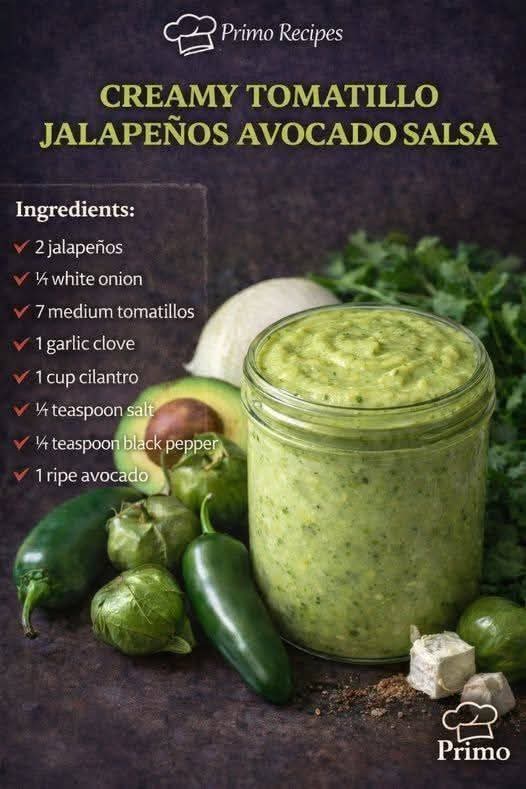
Creamy Tomatillo Jalapeño Avocado Salsa Recipe The Ultimate Green Dip
The culinary world holds a special place for a perfectly balanced salsa, and few variations achieve the harmonious blend of texture and flavor quite like Creamy Tomatillo Jalapeño Avocado Salsa. Often referred to in Mexican taquerías as salsa de aguacate or salsa verde con aguacate, this vibrant green sauce is celebrated for its multi-layered flavor profile. It effortlessly bridges the gap between a tangy, refreshing palate cleanser and a rich, luxurious condiment.
While many commercial varieties rely on heavy sour cream, mayonnaise, or synthetic emulsifiers to achieve a smooth consistency, the true authentic masterpiece relies entirely on the natural, heart-healthy lipids found within a ripe avocado. When combined with the bright acidity of husked tomatillos, the fiery kick of fresh jalapeños, and a handful of aromatic herbs, this salsa transforms everyday dishes into gourmet experiences. This comprehensive guide explores the culinary science of this classic green dip, provides an exact ingredient breakdown, delivers detailed step-by-step preparation methods, and outlines professional storage and pairing tips to maximize your culinary success.
The Culinary Science of Flavor Balancing
To create an exceptional salsa, it helps to understand how the individual components interact on a chemical and sensory level. This recipe relies on a classic culinary triad: acidity, fat, and heat.
The Balancing Act: Acidity meets Fat
Tomatillos (Physalis philadelphica) look like green tomatoes wrapped in a papery husk, but they are actually part of the nightshade family closely related to the cape gooseberry. They possess a high concentration of natural citric and malic acids, giving them a sharp, tart flavor profile. If eaten completely plain, this intense acidity can overwhelm the palate.
This is where the ripe avocado steps in. Avocados are uniquely rich in monounsaturated fatty acids, particularly oleic acid, which coats the tongue and tempers the perceived sharpness of the tomatillo juice. The fat dampens the aggressive top-notes of the acid, while the acid breaks through the heavy richness of the fat, keeping the final salsa light, balanced, and incredibly craveable.
Capsaicin Management
Jalapeños derive their signature heat from an organic chemical compound called capsaicin, which is concentrated primarily within the inner white membrane (the placenta) and the seeds of the pepper rather than the green flesh itself. Capsaicin is a hydrophobic molecule, meaning it does not dissolve in water but binds beautifully to fats. By blending the jalapeños directly with a whole ripe avocado, you effectively emulsify the capsaicin throughout the lipid matrix. This results in a smooth, continuous heat that warms the palate evenly, rather than sharp, unpredictable spikes of fire.
Complete Ingredient Breakdown
Selecting the freshest, highest-quality produce is paramount when making a raw or lightly cooked salsa, as there are no heavy spices or synthetic additives to hide behind.
| Ingredient | Measurement | Practical Purpose in the Salsa |
|---|---|---|
| Medium Tomatillos | 7 pieces | Provides the foundational liquid base, bright green color, and refreshing, tart acidity. |
| Ripe Avocado | 1 whole | Functions as the primary natural emulsifier, delivering a velvety texture and rich mouthfeel. |
| Fresh Jalapeños | 2 pieces | Introduces a crisp, grassy heat; can be deseeded to control the final spice level. |
| White Onion | ¼ onion | Adds a sharp, pungent bite and crucial crisp texture that grounds the bright herbal notes. |
| Garlic Clove | 1 clove | Introduces an earthy, allicin-rich undertone that deepens the overall complexity of the sauce. |
| Fresh Cilantro | 1 cup (packed) | Delivers a bright, peppery, citrus-like aromatic top-note throughout the dip. |
| Fine Sea Salt | ¼ teaspoon | Essential mineral that enhances the natural sweetness of the avocado and cuts bitter tones. |
| Black Pepper | ¼ teaspoon | Provides a subtle, woodys warmth that lingers beautifully on the back of the throat. |
Step-by-Step Preparation Instructions
This versatile salsa can be prepared using two distinctly different culinary techniques depending on your preference: the Fresh Raw Method for a bright, zesty, restaurant-style finish, or the Roasted Method for a smoky, mellow, and deeply savory profile.
Step 1: Cleaning and Husking the Tomatillos
Regardless of the preparation method chosen, you must first prepare your tomatillos. Peel away the papery outer husks and discard them. You will notice a sticky, resinous film coating the green skin of the fruit; this is completely natural and acts as the plant’s built-in defense mechanism against insects. Place the husked tomatillos under warm running water and scrub them gently with your fingers until the sticky residue is completely rinsed away. Pat them dry with a clean kitchen towel.
Step 2: Choosing Your Culinary Direction
Method A: The Fresh Raw Method (Bright & Zesty)
This method preserves the raw enzymes and volatile aromatics of the fresh produce, resulting in a lively, vibrant green sauce.
- Roughly Chop: Coarsely chop the raw tomatillos, white onion, and jalapeños into uniform pieces so they blend evenly.
- Load the Blender: Place the chopped tomatillos, onion, jalapeños, and garlic clove into the base of a high-powered blender or food processor.
- Blend the Base: Pulse the mixture continuously until the tomatillos release their natural juices and a chunky, liquid base forms. Do not add external water; the tomatillos contain more than enough moisture.
Method B: The Roasted Method (Smoky & Mellow)
Roasting caramelizes the natural sugars within the tomatillos and onions, softening their sharp edges and imparting a complex, charred undertone.
- Broil the Veggies: Turn your oven’s broiler to high. Arrange the whole washed tomatillos, the ¼ piece of white onion, and the whole jalapeños on a baking sheet lined with aluminum foil.
- Char Evenly: Place the baking sheet directly under the broiler for 5 to 7 minutes until the skins of the tomatillos and jalapeños blister and develop dark black charred spots. Flip the ingredients over and broil for an additional 4 to 5 minutes.
- Cool and Transfer: Remove the tray from the oven and allow the roasted ingredients to cool down to room temperature to prevent heating up your blender. Transfer all the blistered vegetables—along with any rich juices collected on the foil—directly into your blender container.
Step 3: Emulsifying the Avocado and Herbs
- Prep the Avocado: Slice your ripe avocado in half lengthwise, twist to separate the halves, and carefully remove the center pit. Use a spoon to scoop the rich green flesh directly out of the skin and drop it into the blender base on top of your processed or roasted vegetable mixture.
- Add Aromatic Herbs: Wash your fresh cilantro thoroughly to remove any hidden grit or soil. Roughly chop the leaves and tender upper stems (the stems hold incredible flavor and blend smoothly), measuring out 1 cup packed, and add it to the blender.
- Season to Perfection: Measure and add the ¼ teaspoon of fine sea salt and ¼ teaspoon of black pepper.
- The Final Blend: Secure the blender lid tightly and process on high speed for 45 to 60 seconds until the mixture transforms into an incredibly smooth, velvety, light-green emulsion. Taste the salsa carefully; if desired, adjust the seasoning with an extra pinch of salt or a small squeeze of fresh lime juice for added zip.
Gourmet Serving and Pairing Suggestions
This creamy green salsa is exceptionally versatile and elevates a wide array of dishes across multiple culinary styles.
- Traditional Mexican Street Tacos: The sharp acidity of the tomatillos cuts beautifully through heavy, rich proteins like carne asada, crispy carnitas, or seasoned chorizo, while the creamy avocado provides a luxurious finish that binds the ingredients together.
- Grilled Seafood and Poultry Glaze: Spoon this vibrant salsa generously over fresh grilled mahi-mahi, wild-caught salmon, or charred chicken breasts to infuse lean proteins with immediate moisture, brightness, and deep herbal flavor.
- The Ultimate Appetizer Platter: Pour the salsa into a rustic ceramic bowl and serve it alongside warm, salted tortilla chips, crispy yuca fries, or a colorful spread of raw garden crudités including sliced cucumber rounds, radishes, and jicama sticks.
Critical Storage Guidelines and Oxidation Control
Because this salsa features fresh avocado, managing oxidation—the chemical process that turns avocado flesh brown when exposed to oxygen—is crucial for maintaining the salsa’s stunning visual appeal.
The Science of Browning Control
Avocados contain an enzyme called polyphenol oxidase, which turns phenolic compounds brown when introduced to atmospheric oxygen. To keep your salsa looking bright green, store it in a completely airtight container. Before sealing the lid, press a piece of plastic wrap or wax paper directly onto the surface of the salsa to eliminate any trapped air pockets.
Keep the salsa stored constantly in the refrigerator. The raw version will remain perfectly fresh and vibrant for up to 3 days, while the roasted version can stretch to 5 days due to the cooking process slowing down enzyme breakdown. Always stir the salsa thoroughly before serving to redistribute any natural separation that occurred during storage.
Frequently Asked Questions (FAQs)
What can I use if I cannot find fresh tomatillos in my local grocery store?
If fresh tomatillos are unavailable in your region, you can comfortably substitute them with high-quality canned whole tomatillos, which are typically found in the international or Hispanic aisle of most supermarkets. Because canned tomatillos are already cooked and preserved in a light brine, use 7 canned pieces, drain them well before adding them to the blender, and skip any roasting steps. You may also need to slightly decrease the added salt in the recipe to accommodate the canned brine.
How can I make this salsa completely mild without losing the pepper flavor?
If you are cooking for children or individuals with low heat tolerances, you can easily control the spice level by altering how you process the jalapeños. Slice the raw jalapeños in half lengthwise before blending and use a spoon to scrape out all the white interior ribs and seeds, discarding them entirely. This removes more than 90% of the active capsaicin, leaving behind a crisp, bell-pepper-like green flavor with a completely negligible touch of heat. Alternatively, you can substitute the jalapeños with an equal amount of mild canned diced green chiles.
Can I freeze this salsa for long-term meal prep?
Freezing this specific salsa configuration is not highly recommended. While tomatillos freeze relatively well, the cellular structure of raw avocado alters drastically when frozen and thawed, often breaking the delicate emulsion and leaving behind a watery, separated texture and a less vibrant color. For the absolute best sensory experience, enjoy this salsa fresh within a few days of preparation.
Do I need to peel the skin off the tomatillos or jalapeños after roasting them?
No, there is absolutely no need to peel or discard the skins after roasting. The charred, blistered skins of the tomatillos and jalapeños are highly valued in traditional Latin American cooking, as they infuse the final sauce with beautiful rustic flecks, a subtle smoky aroma, and an incredible depth of caramelized flavor that rounds out the entire dish.
Conclusion
Mastering the creation of a Creamy Tomatillo Jalapeño Avocado Salsa is a phenomenal milestone for any home cook or digital culinary publisher. By honoring the natural chemistry of acid-lipid balancing and choosing your preferred texture pathway—whether raw and energetic or roasted and comforting—you can effortlessly whip up an artisan-quality condiment that outshines generic store-bought jars. Keep your ingredients fresh, blend with precision, protect your emulsion from open air, and enjoy the rich, zesty elegance this premium green salsa brings to your table.