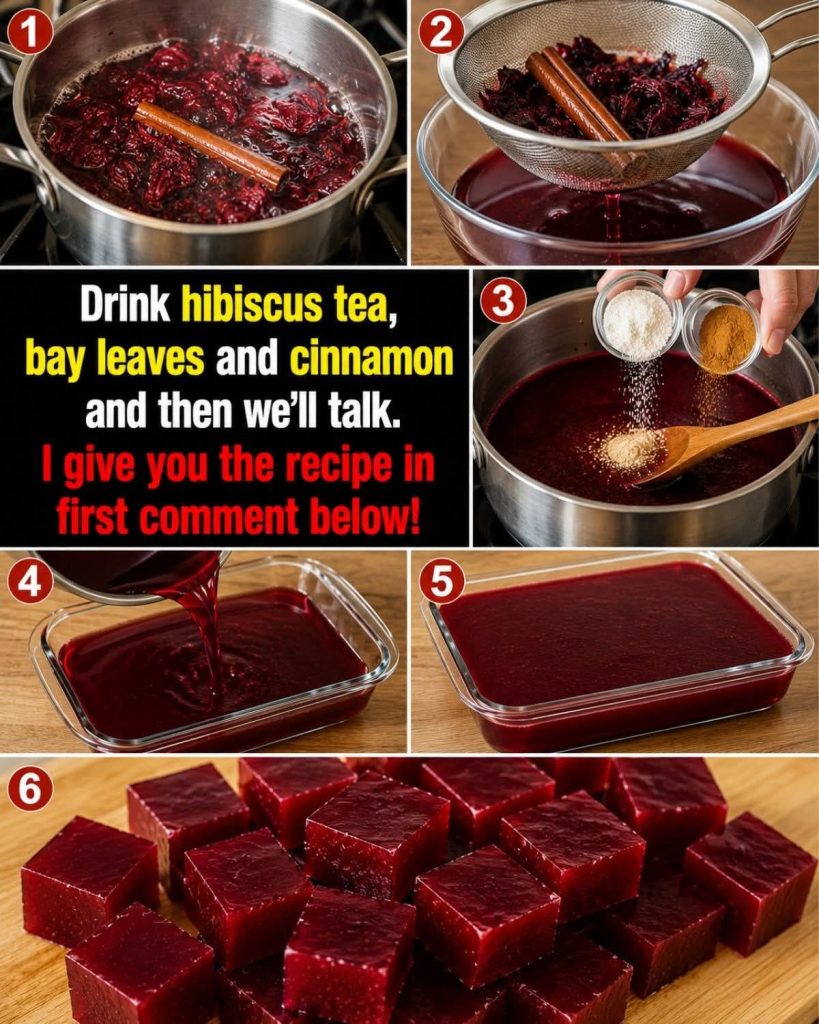
Homemade Spiced Hibiscus Tea Cubes Hibiscus Bay Leaf and Cinnamon Gelatin Recipe
Herbal tea infusions have long been cherished across cultures as soothing beverages that refresh the body and delight the senses. From vibrant redagua de Jamaica in Latin America to aromatic spiced teas brewed across the Mediterranean and Middle East, combining botanical flowers with warm spices creates deeply satisfying flavor profiles. Taking these classic herbal decoctions and transforming them into firm, bite-sized tea gummies or gel cubes is an innovative, fun, and delicious way to enjoy your favorite herbal brews in a completely new format.
These Spiced Hibiscus Tea Cubes combine the tart, cranberry-like punch of dried hibiscus calyces with the earthy warmth of whole cinnamon sticks and the subtle, herbal depth of dried bay leaves. Sweetened naturally and set using high-quality gelatin or plant-based agar-agar powder, these brilliant ruby-red cubes serve as a delightful daily treat, an elegant dessert garnish, or a unique addition to cold beverages.
In this comprehensive guide, you will learn everything you need to know about making homemade hibiscus bay leaf cinnamon tea cubes from scratch. We will cover the step-by-step cooking process, explore the culinary benefits of each botanical ingredient, provide tips for working with gelling agents, and share creative ways to customize this recipe for your home kitchen.
Why You Will Love These Spiced Hibiscus Tea Cubes
Transforming traditional herbal tea into solid gel cubes offers several unique culinary advantages that go beyond standard hot or iced tea preparation.
Convenience and Portability
Preparing fresh herbal tea every single morning requires boiling water, steeping leaves, straining, and waiting for the liquid to cool down. Making a batch of spiced hibiscus cubes allows you to prep a week’s worth of herbal goodness in advance. You can enjoy a firm, refreshing cube straight from the refrigerator whenever you need a quick flavor boost or a light sweet treat during busy workdays.
Gorgeous Natural Presentation
The deep crimson hue of dried hibiscus flowers creates a striking visual contrast on any plate or dessert arrangement. Because hibiscus contains intense natural pigments called anthocyanins, these cubes achieve a vibrant ruby color naturally without a single drop of artificial food dye or synthetic flavorings. Serving these gleaming red cubes at family meals or tea parties instantly elevates your table presentation.
Versatile Culinary Uses
While these cubes are fantastic enjoyed on their own as a light, guilt-free snack, their culinary versatility extends much further. You can drop a few cubes into a tall glass of sparkling water or cold lemonade, where they slowly dissolve while adding visual flair and subtle spiced flavor. You can also layer them alongside fresh fruit bowls, place them atop coconut yogurt, or warm them up in hot water to instantly reconstitute a hot cup of spiced hibiscus tea.
Key Botanical Ingredients and Flavor Profiles
The secret to crafting exceptional herbal tea cubes lies in balancing the bright acidity of hibiscus with the warm, woodsy undertones of aromatic kitchen spices. Understanding how each ingredient contributes to the final flavor helps you tweak the recipe to suit your personal palate.
1. Dried Hibiscus Flowers (Flor de Jamaica)
Hibiscus calyces, commonly sold as dried hibiscus flowers or Flor de Jamaica, form the tangy, fruity backbone of this recipe. Hibiscus delivers a crisp, tart flavor profile reminiscent of wild cranberries, pomegranate, and ripe sour cherries. It brings natural fruit acids and vibrant color that anchor the entire dessert base. When selecting dried hibiscus, look for whole, deep-red calyces that aroma-test fresh and fragrant rather than dull or dusty.
2. Whole Cinnamon Sticks and Ground Cinnamon
Cinnamon provides essential warmth and natural sweetness that rounds out the sharp acidity of pure hibiscus. Using a whole Ceylon or Cassia cinnamon stick during the boiling stage allows the spice to infuse gently into the hot tea without turning the liquid cloudy. A subtle pinch of ground cinnamon added during the setting stage adds extra aromatic top notes that hit your senses as soon as you take a bite.
3. Dried Bay Leaves
While bay leaves are most famous for their role in savory soups, stews, and braises, they are an incredible secret weapon in herbal beverage brewing. Dried bay leaves impart a complex herbal aroma featuring subtle notes of eucalyptus, clove, pine, and tea leaf. When simmered alongside hibiscus and cinnamon, bay leaves cut through the tartness and lend a sophisticated, tea-like depth that ties the floral and spiced elements together seamlessly.
4. Natural Gelling Agents: Gelatin vs. Agar-Agar
To give your liquid tea structure and turn it into firm, sliceable cubes, you will need a reliable gelling agent. You can choose between two primary options depending on your dietary preferences:
- Unflavored Beef or Pork Gelatin: Creates a smooth, bouncy texture with a soft melt-in-your-mouth feel. Gelatin requires bloom time in cool water before being stirred into warm liquids.
- Agar-Agar Powder (Plant-Based Alternative): Derived from red sea algae, agar-agar is a 100% vegan, plant-based gelling agent. It sets firm at room temperature and produces a slightly crisper, more firm gel structure. Agar-agar must be boiled in liquid for 1 to 2 minutes to fully activate its gelling properties.
5. Natural Sweeteners
Because pure hibiscus tea is naturally sharp and astringent, adding a sweetener is essential to balance the overall taste profile. Raw honey, pure maple syrup, organic cane sugar, or coconut sugar all work wonderfully in this recipe. If you prefer a sugar-free version, natural zero-calorie sweeteners like monk fruit sweetener or stevia blend smoothly into the hot infusion without altering the texture.
Essential Kitchen Equipment Needed
Having the right kitchen tools ready ensures a smooth, mess-free cooking and molding process:
- Medium Stainless Steel Saucepan: Ideal for boiling herbs and simmering the tea decoction evenly.
- Fine-Mesh Strainer: Essential for catching dried flower petals, cinnamon bark, and bay leaf fragments to ensure a silky-smooth liquid base.
- Wooden Spoon or Silicone Whisk: For stirring sweeteners and dissolving gelling powders thoroughly.
- Rectangular Glass Dish or Silicone Molds: A shallow 8×8-inch or 9×6-inch glass baking dish creates uniform sheets that slice cleanly into neat cubes. Alternatively, shaped silicone candy molds can be used for fun custom designs.
- Sharp Chef’s Knife: A clean, sharp blade allows you to slice set gelatin sheets into sharp, geometric cubes without tearing the edges.
Step-by-Step Instructions: How to Make Spiced Hibiscus Tea Cubes
Follow these straightforward steps to prepare, strain, set, and slice your homemade spiced hibiscus tea cubes.
Step 1: Brew the Botanical Tea Decoction
In a medium saucepan, combine 3.5 cups of filtered water, 1 cup of dried hibiscus flowers, 1 whole cinnamon stick, and 2 to 3 dried bay leaves. Place the pot over medium-high heat and bring the mixture to a rolling boil. Once boiling, reduce the heat to low, cover the pot with a lid, and let it gently simmer for 12 to 15 minutes. Simmering allows the water to extract deep crimson color, fruity acidity, and aromatic essential oils from the botanicals and spices.
Step 2: Strain and Purify the Liquid
Set a fine-mesh strainer over a large glass bowl or measuring pitcher. Carefully pour the hot herbal tea through the strainer to separate the liquid from the spent hibiscus petals, cinnamon stick, and bay leaves. Press down gently on the softened hibiscus flowers with the back of a spoon to extract every drop of concentrated tea juice, then discard the solid botanicals. You should have roughly 3 cups of concentrated, steaming red tea liquid.
Step 3: Sweeten and Add the Spices
Return the strained red liquid back into the saucepan over low heat (or leave it in your heat-proof bowl if using gelatin). Stir in 1/3 cup to 1/2 cup of raw honey, maple syrup, or cane sugar, whisking continuously until the sweetener completely dissolves. Add a 1/2 teaspoon of ground cinnamon and a pinch of fine sea salt to enhance the warm spice undertones. Taste the warm tea mixture carefully and adjust the sweetness to your personal liking, keeping in mind that cold desserts taste slightly less sweet once chilled.
Step 4: Integrate the Gelling Agent
Depending on your choice of gelling agent, follow the appropriate method below:
- If using Agar-Agar Powder (Vegan Method): Whisk 2.5 teaspoons of pure agar-agar powder directly into the sweetened hot tea inside the saucepan. Bring the liquid to a gentle simmer over medium heat while stirring constantly. Allow it to boil softly for 2 full minutes to fully activate the agar-agar polymers, then remove from heat.
- If using Unflavored Gelatin Powder (Traditional Method): Pour 1/2 cup of cool water into a small side bowl and sprinkle 3 tablespoons (roughly 3 envelopes) of unflavored gelatin powder evenly across the surface. Let it sit undisturbed for 5 minutes to “bloom” and soften. Whisk the bloomed gelatin mass directly into the hot, non-boiling tea until completely dissolved and clear.
Step 5: Mold and Chill
Lightly brush or wipe a glass baking dish or silicone mold with a tiny drop of neutral oil (such as coconut or avocado oil) to prevent sticking. Pour the hot spiced hibiscus liquid smoothly into the dish. Let the dish rest undisturbed on the kitchen counter for 15 to 20 minutes to cool down slightly. Transfer the dish to the refrigerator and chill uncovered for at least 3 to 4 hours, or until the gel is completely firm and springy to the touch.
Step 6: Slice into Uniform Cubes
Once the herbal jelly is fully set, remove the dish from the refrigerator. Run a thin knife around the inside edges of the dish to loosen the sides. Invert the dish onto a clean cutting board, or simply slice directly inside the glass dish using a sharp chef’s knife. Cut the set sheet into even grid lines, creating 1-inch by 1-inch square cubes. Serve immediately or store in the fridge.
Pro Kitchen Secrets for Picture-Perfect Tea Cubes
Achieving clean cuts, crystal-clear transparency, and optimal texture requires paying attention to a few simple culinary details.
Skim Foam for Crystal Clarity
As hibiscus tea boils and reacts with sweeteners, a thin layer of red foam or bubbles may form on the surface. Use a wide spoon to skim off this top foam before pouring the liquid into your mold. Removing air bubbles ensures your final cubes look smooth, glossy, and gem-like without cloudy pockets on top.
Temperature Management
Never boil liquid containing fully bloomed standard animal gelatin. Excessive heat breaks down gelatin proteins, weakening their structural bonding capability and resulting in a soft or watery gel. In contrast, agar-agar powder requires a full boil for 1 to 2 minutes to activate properly. Always match your temperature technique to your chosen gelling agent.
Sharp Blade Slicing Technique
To achieve crisp, razor-sharp edges on your cubes, warm your knife blade under hot running tap water for a few seconds and wipe it dry with a towel before slicing through the gel sheet. The slight heat on the metal blade glides effortlessly through the set jelly without snagging or dragging.
Creative Flavor Variations and Enhancements
Once you master the foundational recipe, you can experiment with adding complementary herbal, citrus, or fruit elements.
Citrus Zest and Ginger Boost
For an extra layer of zest and spice, add a 1-inch piece of freshly sliced ginger root and the peel of half an orange into the pot along with the hibiscus, cinnamon, and bay leaves. The fiery kick of ginger and citrus oil creates an invigorating, spiced profile that wakes up the palate.
Star Anise and Clove Infusion
If you love complex mulled-wine or spiced-cider flavor profiles, toss one whole star anise pod and two whole cloves into the simmer pot. Star anise provides subtle licorice top notes that pair exceptionally well with warm cinnamon and tart hibiscus.
Coconut Cream Layered Cubes
Create stunning two-toned layered cubes by preparing a second batch of liquid using sweetened coconut milk whisked with gelatin or agar-agar. Pour a layer of red hibiscus gel into your mold, let it semi-set in the fridge for 30 minutes, then pour the white coconut mixture on top before chilling completely. Slice into dual-colored ruby and white squares.
Storage, Shelf Life, and Meal Prep Guidelines
Proper storage ensures your spiced hibiscus tea cubes retain their firm texture, vibrant color, and fresh flavor throughout the week.
Refrigeration Rules
Store your sliced hibiscus cubes in an airtight glass container lined with a piece of parchment paper to prevent sticking. Keep the container in the main compartment of your refrigerator.
- Gelatin-Based Cubes: Stay fresh and hold their structure for up to 7 to 10 days in the fridge.
- Agar-Agar Cubes: Maintain their firm texture for about 5 to 7 days before releasing small amounts of liquid (syneresis).
Transport and Room Temperature Behavior
If you are using agar-agar powder, your cubes will remain firm at room temperature for several hours without melting, making them ideal for outdoor picnics, lunchboxes, or dessert buffets. Gelatin-based cubes are more heat-sensitive and will gradually soften if left out in warm environments above 75°F (24°C), so keep them chilled until right before serving.
Can You Freeze Tea Cubes?
Freezing is not recommended for gelatin or agar gel cubes. The freezing process creates ice crystals that disrupt the gel polymer structure. When thawed, frozen cubes lose their firm elasticity, becoming watery and mushy. Always keep your prepared cubes refrigerated rather than frozen.
Frequently Asked Questions (FAQs)
Can I use store-bought hibiscus tea bags instead of loose flowers?
Yes. If loose dried hibiscus calyces are unavailable, you can substitute 6 to 8 standard hibiscus tea bags. Steep them in hot water along with the cinnamon stick and bay leaves, then squeeze the bags gently before removing.
Why are my agar-agar cubes too soft or crumbly?
If agar-agar cubes fail to set firm, the powder may not have been boiled long enough. Agar-agar must reach a true simmer and boil for 1 to 2 full minutes to activate its gelling properties. Additionally, make sure you are using pure agar powder rather than agar flakes, as flakes require a higher measurement by volume.
How do I make these tea cubes completely sugar-free?
Simply replace the honey or sugar with your favorite zero-calorie liquid or powdered sweetener, such as monk fruit, erythritol, or liquid stevia. Add the sweetener to taste after straining the tea, then proceed with the recipe as written.
What do bay leaves taste like in sweet recipes?
When used in small quantities alongside warm spices like cinnamon and cloves, bay leaves do not make the dish taste like savory soup. Instead, they provide a gentle, woodsy, herbal background note similar to black tea or cardamom, adding depth to sweet fruit flavors.
Final Thoughts
These Spiced Hibiscus Tea Cubes offer a wonderful blend of culinary creativity, vibrant natural color, and comforting spice flavors. By pairing tart dried hibiscus with whole cinnamon and aromatic bay leaves, you turn a simple herbal tea infusion into a versatile, delicious snack that can be enjoyed all week long. Whether served chilled as a light bite, used as a decorative garnish, or melted into hot water for instant tea on the go, this easy recipe is sure to become a beloved addition to your home kitchen routine. Grab your botanicals, boil a batch, and enjoy every refreshing bite!