A healthy orchid can make even a simple shelf or table feel calmer, cleaner, and more refined. That is one reason Phalaenopsis orchids stay so popular in indoor plant styling. Their broad leaves, curved roots, and graceful flowers give them a premium look even before they bloom. But that same beauty depends heavily on one thing many people overlook: the setup around the roots.
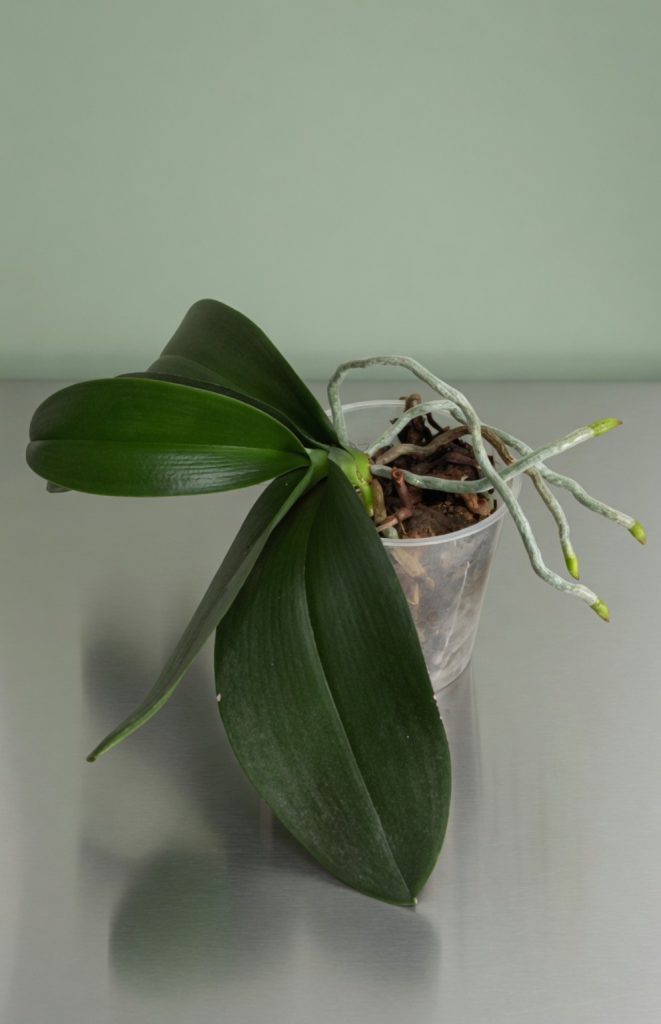
The image and video here show a very clear orchid-care method. The plant starts in a small clear container with bark and several visible aerial roots. Then the grower rinses another clear plastic pot, shows the drainage and side holes, places the orchid into the new pot, fills around it with chunky bark, and finishes with a tidy top layer. The visible message is simple: this is a cleaner, more breathable orchid setup designed to support healthier roots and a stronger plant over time.
That is the right way to understand it. This is not a miracle liquid trick and not a decorative shortcut. It is a repotting and root-zone setup method. The goal is to give the orchid a container where the roots can breathe better, drain properly, and stay visible enough to monitor. That matters because orchids often fail not from lack of love, but from bad airflow, trapped moisture, and the wrong medium around the roots.
What makes this method especially useful is that every step has a clear reason. The pot is cleaned first. The holes matter. The bark matters. The clear sides matter. And the final neat top finish helps the whole arrangement look intentional instead of messy. When all of that comes together, the orchid has a better chance of growing stronger leaves, cleaner roots, and more elegant blooms later on.
What Plant This Is
This appears to be a Phalaenopsis orchid, often called a moth orchid.
It can be recognized by:
- broad smooth dark-green leaves
- thick silvery aerial roots with green growing tips
- a compact central crown
- bark-based orchid medium rather than regular soil
- the classic orchid form often used indoors
Phalaenopsis orchids are especially popular because they combine a refined look with a relatively manageable care routine when the roots are set up correctly.
What the Visible Method Is Showing
The image and video together show a clear sequence:
- A healthy orchid is shown in a small clear container
- A new clear plastic pot is rinsed and cleaned
- The base and side ventilation holes are shown clearly
- The orchid is placed into the new clear pot
- Chunky bark is packed gently around the roots
- The plant is centered and adjusted upright
- A clean top finish is added over the bark
- The final setup looks airy, neat, and easy to monitor
So this is clearly a repotting method for orchid root health, not a feeding trick.
Why the Clear Pot Matters So Much
One of the most important details in this setup is the transparent pot. Orchids are very different from ordinary houseplants because their roots are not something you should completely ignore once they disappear into the pot. With orchids, the roots tell you a lot.
A clear pot helps because it lets you:
- see root condition more easily
- notice trapped moisture faster
- monitor how dry or damp the bark still is
- spot healthy green tips and silver roots
- catch rot problems earlier
That is why clear orchid pots are so widely used. They make the root zone easier to understand.
Why the Pot Is Rinsed First
The video shows the new pot being rinsed before use. That step is small, but it matters. A clean container gives the orchid a fresher start.
Rinsing the pot helps by:
- removing dust or small plastic residue
- making the setup cleaner around the roots
- preparing the container before the plant goes in
- reducing the chance of dirty particles sitting around the crown
It is a simple step, but it makes the whole repotting process more careful and more professional.
Why the Holes Are So Important
The visible holes in the clear pot are one of the strongest clues about the whole method. They show that the grower is thinking about airflow and drainage, not just appearance.
That matters because orchid roots usually need:
- air movement
- fast enough drainage
- a medium that does not stay soggy too long
- breathing room around the roots
A pot with more ventilation can help reduce the risk of stale wet conditions, which are one of the most common reasons orchids weaken.
Why Bark Is Used Instead of Regular Soil
The medium shown here looks like chunky orchid bark. That is exactly what makes the method believable. Orchids like this usually do much better in bark than in dense ordinary soil.
Bark helps because it:
- stays airier around the roots
- drains more quickly than heavy soil
- lets roots grip naturally
- reduces the chance of suffocating the crown
- fits the natural growing habits of many orchids
This is one of the most important parts of the setup. Even the best pot will not help much if the medium stays too dense.
Why the Orchid Is Centered Carefully
The video shows the orchid being placed and adjusted so it sits upright in the new pot. This matters for more than looks. Positioning affects both appearance and function.
Centering the plant helps because it:
- keeps the crown more stable
- makes filling the bark easier
- distributes the roots more evenly
- gives the orchid a cleaner silhouette
- makes the finished plant look more elegant indoors
That is why this is not just a repotting step. It is also a styling step.
Why the Visible Aerial Roots Matter
The roots shown in the image are one of the best signs in the whole setup. They look silvery with green tips, which suggests active growth. That means the orchid is not in total collapse. It already has life and momentum.
Healthy visible roots are important because they often suggest:
- active root growth
- better hydration balance
- a plant that can respond well to repotting
- stronger future leaf and bloom potential
This is also why the setup needs to be gentle. A healthy root system is something to support, not damage.
What the White Top Pieces Appear to Be
In the final setup, small white pieces appear on top of the bark. From the visual alone, the exact material cannot be confirmed with certainty. They may be a light top-dressing element, a support material, or another finishing addition used around the surface.
The safest explanation is this: the main functional part of the method is still the clear ventilated pot plus bark setup. The white pieces are secondary. They may help tidy the top visually or be part of the grower’s preferred finishing style, but the major root-health logic comes from the pot and medium, not from those pieces alone.
That matters because the reader should focus first on the core method:
- clean pot
- good holes
- airy bark
- proper orchid placement
Why This Setup Can Help the Orchid Over Time
A method like this can help because it supports the things orchids usually need most:
- better root airflow
- improved drainage
- easier monitoring
- cleaner structure around the crown
- a more stable growing environment
When those things improve, the orchid often has a better chance of developing:
- firmer leaves
- healthier root tips
- steadier hydration
- stronger future bloom spikes
- a cleaner and more elegant overall appearance
That is why this setup makes sense. It improves the foundation, not just the surface.
How to Recreate This Orchid Setup at Home
If someone wants to follow the same logic, the safest version of the method would be:
Step 1: Choose a healthy enough orchid
Look for firm leaves and roots that are still active rather than mushy and collapsing.
Step 2: Prepare a clean clear orchid pot
Rinse it first, and make sure it has enough drainage and airflow holes.
Step 3: Use orchid bark or another airy orchid medium
Avoid dense regular potting soil.
Step 4: Place the orchid carefully into the center
Keep the crown above the medium rather than buried too deeply.
Step 5: Fill gently around the roots
Use bark to support the orchid without packing too tightly.
Step 6: Adjust the plant so it sits stable and upright
This helps both growth and appearance.
Step 7: Keep the final surface neat
A tidy top layer makes the whole setup easier to manage and more attractive indoors.
That is the clearest practical version of what the video is showing.
Common Mistakes That Can Ruin This Type of Setup
Even a good repotting idea can fail when the details are wrong. The most common mistakes are:
- using a pot without enough holes
- packing the bark too tightly
- burying the crown too deep
- using regular soil instead of an orchid medium
- damaging too many roots during placement
- keeping the new setup too wet immediately afterward
The best result comes from giving the roots air, support, and time.
Orchid Repotting Setup Table
| Visible Step | What It Means | Why It Matters |
|---|---|---|
| Clear new pot is rinsed | The container is being prepared properly | Starts the setup cleanly |
| Holes are shown in the pot | Drainage and airflow are a priority | Helps support orchid root health |
| Orchid is centered in the pot | The plant is positioned carefully | Improves stability and final shape |
| Bark is added around the roots | Airy medium is being used | Reduces the risk of heavy wet conditions |
| Final top is kept tidy | The setup is finished neatly | Makes the plant easier to display and monitor |
Why This Kind of Orchid Method Gets Attention
This kind of method spreads quickly because it combines:
- a beautiful plant
- a very simple visual process
- clear useful steps
- an easy-to-understand improvement in the setup
- the promise of healthier roots and better future blooms
It feels practical, not flashy. And that is exactly why it works.
Frequently Asked Questions
Is this a Phalaenopsis orchid?
Yes, it strongly appears to be a Phalaenopsis orchid.
Why use a clear pot?
Because it makes the roots and moisture level easier to monitor.
Why are there so many holes in the pot?
To improve drainage and airflow around the roots.
Why use bark instead of regular soil?
Because orchids usually do better in a lighter, airier medium that does not stay compact and soggy.
Are the white top pieces the main reason the setup works?
No. The main reasons are the clear ventilated pot, the airy bark, and the healthier root environment.
Will repotting make the orchid bloom immediately?
Not immediately. The setup mainly supports better long-term root health, which can improve future growth and flowering.