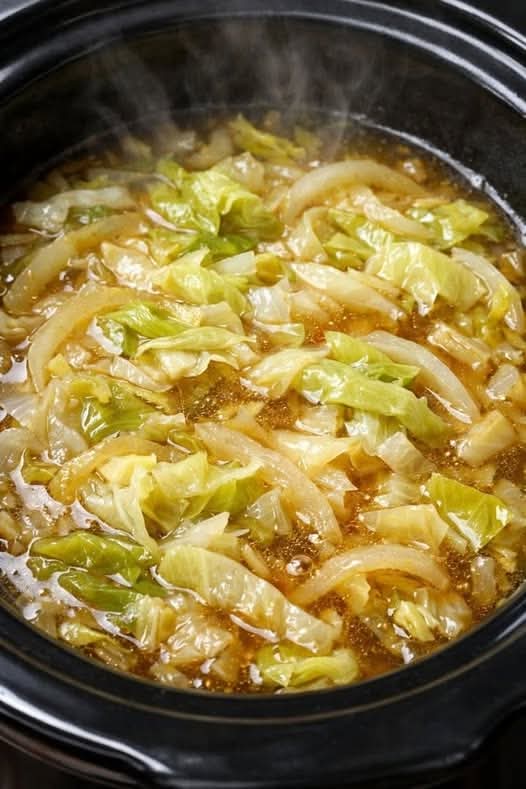
The Ultimate Slow Cooker Cabbage Soup Recipe
When the chilly winds of autumn and winter arrive, nothing brings comfort and warmth to a home quite like a simmering pot of hearty, nutrient-dense soup. While complex stews and rich cream-based soups certainly have their place, there is a distinct, timeless beauty in simple, rustic vegetable dishes. Among the most comforting and economical of these is classic slow cooker cabbage soup. This recipe transforms a humble head of green cabbage, aromatic onions, and a deeply seasoned broth into a velvety, flavorful meal that practically cooks itself.
Slow cooking cabbage allows its natural sugars to caramelize gently over several hours, mellowing its raw sharpness into a delicate sweetness. This slow, steady simmer coaxes out a level of depth and complexity that quick stovetop boiling simply cannot replicate. In this comprehensive guide, we will explore the science of slow-cooking brassicas, detail the essential ingredients for a rich broth, provide step-by-step instructions, and share expert storage and customization tips for a perfect meal.
Why This Slow Cooker Cabbage Soup Works
Cabbage is often underestimated in the culinary world, yet it possesses an incredible capacity to absorb flavors and develop a luxurious, meltingly tender texture when cooked slowly. This recipe relies on a few core principles to elevate basic ingredients into a deeply satisfying soup.
Coaxing Sweetness from Brassicas
Cabbage belongs to the brassica family, which contains sulfur compounds that can taste sharp or bitter when raw or rapidly boiled. However, when subjected to low, gentle heat over several hours, these compounds break down, and the vegetable’s natural sugars emerge. The result is a beautifully sweet, savory flavor profile that forms the backbone of this comforting soup.
The Ease of Slow Cooking
One of the greatest advantages of this recipe is its hands-off nature. By utilizing a slow cooker, you allow the ingredients to mingle at a steady, low temperature. This long, gentle simmer breaks down the tough, fibrous cell walls of the cabbage without turning it into mush, ensuring every bite is perfectly tender while maintaining its structural integrity.
Building a Umami-Rich Broth Base
Because cabbage itself has a high water content and a relatively mild flavor, the cooking liquid must be exceptionally robust. We build a deeply layered broth using a combination of rich vegetable or beef stock, aromatic onions, garlic, a touch of acidity from apple cider vinegar, and savory seasonings. As the cabbage cooks, it releases its own juices into this seasoned base, creating a highly balanced, comforting soup.
Essential Ingredients for Cabbage Soup
To achieve a deeply flavorful and satisfying soup, gather these simple, high-quality ingredients before you begin:
The Fresh Produce
- Green Cabbage (1 medium head): The star of the dish. Look for a head that feels heavy for its size with tight, crisp, bright green outer leaves.
- Yellow Onions (2 large, sliced): Sliced onions melt into the broth during the slow cooking process, adding a foundational sweetness and aroma.
- Garlic (4 cloves, minced): Provides a warm, savory depth that balances the sweetness of the onions and cabbage.
The Savory Broth and Seasonings
- Low-Sodium Vegetable or Beef Broth (6 cups): High-quality broth forms the liquid canvas. Beef broth offers a rich, French-onion-soup-style depth, while vegetable broth keeps the dish light and completely plant-based.
- Apple Cider Vinegar (1 tablespoon): A splash of acid cuts through the sweetness and brightens the overall flavor profile of the soup.
- Soy Sauce or Tamari (1 tablespoon): Adds a concentrated dose of umami and depth to the broth.
- Bay Leaves (2): Impart a subtle, herbal fragrance as the soup simmers.
- Dried Thyme (1 teaspoon): A classic herb that pairs beautifully with slow-cooked cabbage and onions.
- Olive Oil or Butter (1 tablespoon): Used to lightly coat the slow cooker and sauté aromatics if desired.
- Salt and Freshly Cracked Black Pepper (to taste): Crucial for balancing the final dish.
Step-by-Step Slow Cooker Instructions
Following these steps ensures your cabbage and onions achieve the perfect, meltingly tender texture without losing their clean flavors.
Step 1: Prep the Cabbage
Place the cabbage on a sturdy cutting board. Using a sharp chef’s knife, cut the head in half through the stem. Cut out and discard the tough, triangular core from each half. Slice the remaining cabbage into thick, bite-sized ribbons or chunks (roughly 1 to 2 inches wide). Cutting them too thin can cause them to disintegrate during a long cook, so keeping the pieces slightly substantial is key.
Step 2: Slice the Aromatics
Peel your yellow onions, cut them in half, and slice them into medium-sized half-moons. Mince the garlic cloves finely.
Step 3: Layer the Ingredients in the Slow Cooker
Lightly grease the inside of your slow cooker stoneware with olive oil or melted butter. Place the sliced onions and minced garlic at the very bottom of the pot. This placement ensures they sit closest to the heat source, allowing them to soften and release their aromatic sweetness early in the cooking cycle. Pile the chopped cabbage ribbons directly on top of the onions.
Step 4: Pour in the Seasoned Broth
In a large liquid measuring cup or bowl, whisk together the broth, apple cider vinegar, soy sauce, dried thyme, a pinch of salt, and a generous grind of black pepper. Pour this seasoned liquid directly over the cabbage in the slow cooker. Tuck the two bay leaves into the center of the mixture. Do not worry if the liquid does not completely submerge the cabbage at first; as the cabbage heats up, it will wilt, release its own natural moisture, and settle beautifully into the broth.
Step 5: Low and Slow Simmer
Secure the lid onto your slow cooker. Set the appliance to cook on LOW for 6 to 8 hours or on HIGH for 3 to 4 hours. For the absolute best, most meltingly tender texture and deepest flavor development, the low-and-slow 6-to-8-hour setting is highly recommended.
Step 6: Season and Serve
Once the cooking time is complete, carefully remove the lid, allowing the steam to escape away from your face. Discard the bay leaves. Give the soup a thorough stir to distribute the caramelized onions from the bottom throughout the tender cabbage. Taste the broth and adjust the seasoning with additional salt, pepper, or a tiny splash of apple cider vinegar if needed. Ladle the steaming soup into bowls and serve warm.
Pro-Tips for the Best Cabbage Soup
To elevate your slow cooker soup from simple to spectacular, keep these kitchen tips in mind:
Optional Browning Step for Deep Flavor
If you have an extra ten minutes before loading your slow cooker, try sautéing your sliced onions and garlic in a skillet with a tablespoon of olive oil or butter over medium heat until they are soft and slightly caramelized. Transfer them to the slow cooker. This extra step develops rich caramel notes that add an incredible, complex depth to the finished broth.
Retaining the Vibrant Green Color
If you prefer your cabbage to retain a slight bite and a more vibrant green color, add half of the cabbage at the beginning of the cook and fold in the remaining half during the last 1.5 hours of cooking on low. This technique provides a beautiful contrast of textures and colors in the serving bowl.
Balancing the Acid
Cabbage soup benefits immensely from a touch of acid at the end of cooking. If you find the soup tastes slightly flat after hours of simmering, stir in a fresh squeeze of lemon juice or an extra splash of apple cider vinegar just before serving to instantly wake up all the flavors.
Creative Recipe Variations
This basic cabbage soup serves as an incredibly versatile canvas. You can easily adapt it to suit your dietary preferences or to utilize ingredients you already have in your pantry.
The Hearty Protein Addition
To turn this light soup into a highly filling, complete meal, consider adding protein. Sliced smoked sausage, kielbasa, or diced ham pair exceptionally well with the sweet cabbage and onions, adding a smoky, savory element. Simply add them to the slow cooker at the beginning of the cycle. For a plant-based protein boost, fold in a can of drained and rinsed cannellini beans or chickpeas during the last hour of cooking.
The Italian Herb Variation
Transform the flavor profile by adding a can of fire-roasted diced tomatoes (with their juices) along with the broth, and substituting the thyme with a tablespoon of Italian seasoning. Serve each bowl finished with a generous sprinkle of freshly grated Parmesan cheese and a side of crusty garlic bread.
The Root Vegetable Blend
Boost the nutritional profile and sweetness of the soup by tossing in diced carrots, celery, or gold potatoes along with the onions at the bottom of the slow cooker. These root vegetables hold up beautifully to long cooking times and add a lovely variety of colors and textures.
Storage and Freezing Guidelines
Cabbage soup is one of those rare dishes that actually tastes significantly better the next day as the ingredients continue to marry in the refrigerator.
Refrigerator Storage
Allow the soup to cool completely to room temperature. Transfer it to airtight glass containers and store in the refrigerator for up to 4 to 5 days. Reheat individual portions in the microwave or warm the soup in a saucepan over medium-low heat on the stovetop until steaming.
Freezing Cabbage Soup
This broth-based soup freezes beautifully because it contains no dairy or delicate starches that might separate upon thawing. Pour the completely cooled soup into freezer-safe containers or heavy-duty freezer bags, leaving about an inch of headspace at the top to allow for expansion. Freeze for up to 3 months. Thaw overnight in the refrigerator before reheating.
Frequently Asked Questions
Can I use red cabbage instead of green cabbage?
While red cabbage can technically be used, it is not highly recommended for this specific slow-cooked soup. Red cabbage contains pigments called anthocyanins, which leach out during a long simmer, turning your entire broth a deep, unappealing purple-grey color. Stick to green, Savoy, or Napa cabbage for the best visual presentation and flavor.
How do I keep the cabbage from getting mushy?
The best way to prevent mushiness is to cut the cabbage into thick ribbons (about 1 to 2 inches wide) rather than shredding it finely. Additionally, cooking the soup on the “Low” setting ensures the heat remains gentle, tenderizing the cabbage slowly without breaking down its structure entirely.
Is this recipe allergen-friendly?
Yes! This recipe is naturally gluten-free (if using tamari or certified gluten-free soy sauce), dairy-free, vegan (when using vegetable broth and olive oil), and low in calories, making it an excellent option for accommodating various dietary needs at your dinner table.
Conclusion
Creating a comforting, deeply flavorful bowl of slow cooker cabbage soup is a testament to the magic of simple cooking. By allowing basic green cabbage, sweet onions, and a seasoned broth to simmer slowly over several hours, you unlock a delicate sweetness and a meltingly tender texture that warms you from the inside out. It is a cost-effective, nutritious, and incredibly low-maintenance meal that fits perfectly into a busy lifestyle. Whether you enjoy it as a light starter, customize it with hearty proteins, or keep a batch in your freezer for a busy weeknight, this timeless soup is sure to become a comforting favorite in your recipe collection.