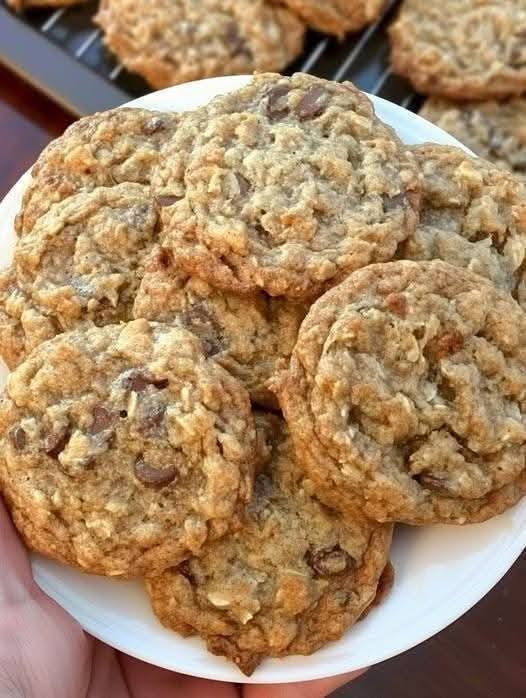
The Ultimate Soft and Chewy Oatmeal Chocolate Chip Cookies Recipe
There is no comfort food quite like a warm, freshly baked cookie straight from the oven. While classic chocolate chip cookies often take the spotlight, adding wholesome, textured rolled oats elevates the experience entirely. The perfect oatmeal chocolate chip cookie should never be dry, cakey, or crumbly. Instead, it should boast a golden, slightly crisp outer edge with an incredibly soft, dense, and bend-by-touch chewy center, packed with gooey pockets of melted chocolate.
Achieving this exact texture at home requires a simple understanding of how ingredients interact in the mixing bowl. In this guide, we will break down the science of the perfect bake, share our tried-and-true recipe, and provide pro-tips to ensure your cookies turn out beautifully thick and chewy every single time. Whether you are baking for a holiday gathering, packing school lunches, or keeping a stash of dough in the freezer for late-night cravings, this recipe is designed to deliver bakery-quality results in your home kitchen.
The Science of the Perfect Chewy Cookie Texture
To prevent cookies from spreading into flat puddles or baking up into dry, puffy cakes, the balance of moisture, sugars, and fats must be precise. Here is how this recipe achieves its signature texture:
Why We Use More Brown Sugar Than White Sugar
Granulated white sugar makes cookies crisp because it absorbs moisture and encourages spreading during baking. Brown sugar, on the other hand, contains molasses. Molasses is highly hygroscopic, meaning it holds onto moisture even under high heat. By using a much higher ratio of brown sugar to white sugar, we ensure the cookie centers remain incredibly moist, dense, and chewy with a rich, caramel-like flavor.
The Importance of Melted Butter
Many traditional cookie recipes call for creaming softened butter with sugar. While creaming incorporates air for a fluffier, cake-like texture, using cooled melted butter does the opposite. Melted butter limits the amount of air incorporated into the dough, leading to a much denser, fudgier, and chewier cookie crumb.
Selecting the Right Oats
For the absolute best texture, old-fashioned rolled oats are the gold standard. They retain their shape and provide a hearty, satisfying chew. Quick-cooking oats can be used in a pinch, but because they are cut into smaller pieces, they absorb moisture more rapidly, which can sometimes make the cookie dough drier and the final baked product slightly more cake-like. Avoid using instant oatmeal packets, as they are finely ground and often contain added sugars and starches.
Essential Ingredients for Oatmeal Chocolate Chip Cookies
Before beginning, gather these ingredients and ensure your cold items, like eggs, are brought to room temperature to prevent the melted butter from seizing.
The Dry Ingredients
- All-Purpose Flour (1.5 cups / 185g): Provides the structural framework for the cookie.
- Old-Fashioned Rolled Oats (3 cups / 270g): The star ingredient that delivers a hearty, chewy texture.
- Baking Soda (1 teaspoon): Helps the cookies spread just enough while encouraging even browning.
- Fine Sea Salt (1 teaspoon): Essential for cutting through the sweetness and balancing the rich chocolate.
- Ground Cinnamon (1/2 teaspoon): A subtle touch of warm spice that pairs beautifully with oats and brown sugar.
The Wet Ingredients
- Unsalted Butter (1 cup / 225g, melted and cooled slightly): Provides richness, flavor, and a dense texture.
- Light or Dark Brown Sugar (1 cup / 200g, packed): Locks in moisture and provides a deep, molasses-caramel undertone.
- Granulated Sugar (1/2 cup / 100g): Gives the edges a beautiful, delicate crispness.
- Large Eggs (2, room temperature): Bind the dough together and provide structure.
- Pure Vanilla Extract (2 teaspoons): Enhances the sweet, buttery notes of the cookie dough.
The Mix-Ins
- Semi-Sweet Chocolate Chips (1.5 cups / 250g): Classic semi-sweet chips offer the perfect balance of sweetness, but you can also use dark chocolate chunks or milk chocolate chips depending on your preference.
Step-by-Step Baking Instructions
Follow these detailed steps to mix, shape, and bake your cookies to perfection.
Step 1: Prep and Melt
Line two large baking sheets with parchment paper or silicone baking mats. In a medium saucepan or microwave-safe bowl, melt your unsalted butter completely. Let it cool for about 5 to 10 minutes until it is warm to the touch but no longer hot. If you mix hot butter with sugar and eggs, you risk melting the sugar too early and cooking the eggs.
Step 2: Combine the Dry Ingredients
In a medium-sized bowl, whisk together the all-purpose flour, baking soda, fine sea salt, and ground cinnamon until fully combined and free of lumps. Do not add the oats just yet—we will fold those in at the very end to prevent crushing them.
Step 3: Whisk the Sugars and Wet Ingredients
In a separate large mixing bowl, combine the melted, cooled butter, packed brown sugar, and granulated sugar. Whisk vigorously for about 1 minute until the sugars are completely integrated into the butter and no oil separation remains. Whisk in the room-temperature eggs one at a time, followed by the pure vanilla extract, until the mixture is smooth, glossy, and slightly pale.
Step 4: Merge the Batter
Pour the dry flour mixture into the wet ingredients. Using a sturdy wooden spoon or a silicone spatula, gently fold the mixtures together just until the flour pockets disappear. Do not overmix, as this can develop excess gluten and make the cookies tough.
Step 5: Fold in the Oats and Chocolate Chips
Add the 3 cups of old-fashioned rolled oats and the semi-sweet chocolate chips to the dough. Gently fold the mixture until the oats and chocolate are evenly distributed throughout the thick, sticky dough.
Step 6: The Crucial Chilling Step
Do not skip this step! Cover the bowl with plastic wrap and place it in the refrigerator to chill for at least 30 to 45 minutes. Chilling allows the flour and oats to fully absorb the moisture from the butter and eggs. It also solidifies the fat in the butter, preventing the cookies from spreading too quickly and flatly in the hot oven.
Step 7: Scoop and Shape
While the dough is finishing its chill, preheat your oven to 350°F (177°C). Using a large cookie scoop (about 3 tablespoons of dough per cookie), scoop mounds of the chilled dough and place them onto your prepared baking sheets, leaving about 2 inches of space between each cookie to allow for spreading. For a bakery-style appearance, gently press a few extra chocolate chips directly onto the tops of the dough balls.
Step 8: Bake to Soft Perfection
Bake at 350°F (177°C) for 10 to 12 minutes. The secret to keeping these cookies incredibly chewy is to slightly underbake them. You want to remove them from the oven when the edges are set and a light golden brown, but the centers still look slightly soft, pale, and underdone. They will continue to cook and firm up on the hot baking sheet outside the oven.
Step 9: Cool and Set
Remove the baking sheets from the oven and let the cookies sit undisturbed on the hot pans for 5 minutes. This allows their delicate, soft centers to set. After 5 minutes, use a spatula to transfer the cookies to a wire cooling rack to cool completely.
Pro-Tips for Bakery-Quality Cookies
To take your cookies from good to absolutely legendary, keep these simple professional tips in mind:
The “Pan-Banging” Trick for Rippled Edges
If you love cookies with beautiful, wrinkly, rippled edges and an ultra-dense center, try the pan-banging method. About 8 minutes into the baking time, when the cookies have begun to rise, carefully lift the baking sheet about 2 inches off the oven rack and let it drop flatly back down. This instantly deflates the cookies, spreading the melted chocolate and creating gorgeous, chewy ridges around the edges.
Spoon and Level Your Flour
Adding too much flour is the number one reason oatmeal cookies turn out dry, crumbly, and mound-like. Avoid scooping your measuring cup directly into the flour bag, which packs it down. Instead, fluff your flour with a spoon, scoop it gently into your measuring cup, and sweep a flat knife across the top to level it off.
Hydration is Key
Oats are incredibly absorbent. If you prefer an even thicker, deeply caramelized cookie, let your cookie dough balls chill in the refrigerator overnight. This extended rest fully hydrates the starches, resulting in a deeper flavor profile and an exceptionally uniform chew.
Storage and Freezing Guidelines
These cookies stay remarkably soft for days if stored correctly, making them a fantastic make-ahead treat.
Keeping Cookies Soft at Room Temperature
Once the cookies are completely cooled to room temperature, place them in an airtight container. To keep them incredibly soft and moist for up to 5 days, slide a single slice of plain white sandwich bread into the container with them. The cookies will absorb the moisture from the bread, keeping them tasting as fresh as the day they were baked.
Freezing Cookie Dough for Instant Baking
You can freeze portioned cookie dough balls for up to 3 months. Scoop the dough into balls, place them close together on a parchment-lined tray, and freeze for 1 hour until solid. Once frozen, transfer the dough balls to a heavy-duty freezer bag. When a craving strikes, bake the frozen dough balls directly from the freezer at 350°F (177°C), adding an extra 1 to 2 minutes to the total baking time.
Frequently Asked Questions
Can I add raisins or nuts to this recipe?
Absolutely! This recipe is incredibly versatile. You can substitute half of the chocolate chips with sweet seedless raisins to make classic oatmeal raisin cookies, or add 1/2 cup of chopped toasted pecans or walnuts for an extra layer of earthy crunch.
Can I make these cookies gluten-free?
Yes. To make this recipe gluten-free, substitute the all-purpose flour with a high-quality, 1-to-1 gluten-free baking flour blend containing xanthan gum. Additionally, ensure that your rolled oats are certified gluten-free, as oats are frequently processed in facilities that handle wheat.
Why did my cookies spread too much and turn out flat?
Excessive spreading usually happens if the butter was too hot when mixed into the dough, if the cookie dough was not chilled long enough before baking, or if you placed fresh dough onto a baking sheet that was still hot from a previous batch. Always ensure your pans are completely cool and your dough is properly chilled before entering the oven.
Conclusion
Mastering the perfect oatmeal chocolate chip cookie is all about balancing rich, moisture-locking sugars with wholesome rolled oats and sweet chocolate. By utilizing melted butter, a high ratio of brown sugar, and committing to the crucial dough-chilling step, you can consistently produce thick, bakery-style cookies with perfectly crisp edges and soft, chewy centers. Pair them with a cold glass of milk, share them with loved ones, and enjoy the comforting, timeless magic of homemade baking.